Getting insurance quotes in Canada involves comparing offers from providers to find financial protection against risks like accidents or property damage. Canadians can obtain quotes through brokers, agents, direct insurers, or online comparison platforms. The process is essential because insurance is mandatory for activities like driving a car, and the right coverage provides a crucial financial safety net. Understanding how to gather and compare quotes helps ensure you secure appropriate protection at a competitive price.
Understanding Insurance Quotes and Coverage
An insurance quote is an estimate of the premium you would pay for a specific insurance policy. In Canada, insurance is a legal contract where you pay regular premiums to a company in exchange for financial protection against unforeseen losses such as accidents, property damage, illness, or death. The most common types of insurance policies are car insurance, home insurance, life insurance, business insurance, and travel insurance. For auto insurance, which is legally required to operate a vehicle, every province mandates a minimum level of standard coverage. This mandatory coverage includes third-party liability, accident benefits, direct compensation for property damage, and uninsured automobile coverage. Most drivers also choose to add optional coverages like collision and comprehensive protection for their own vehicle.
The specific rules and required minimum coverage levels for car insurance vary significantly from province to province. This means a quote from Ontario will be based on different legal requirements than a quote from Alberta or Quebec. When you request a quote, the insurer will calculate a premium based on the risk you present and the coverage options you select. Your payments go to the insurance underwriter, which is the financial institution that guarantees a payout if a covered loss occurs. The quote process allows you to see the cost of transferring this financial risk before you commit to a policy.
Where to Get Insurance Quotes
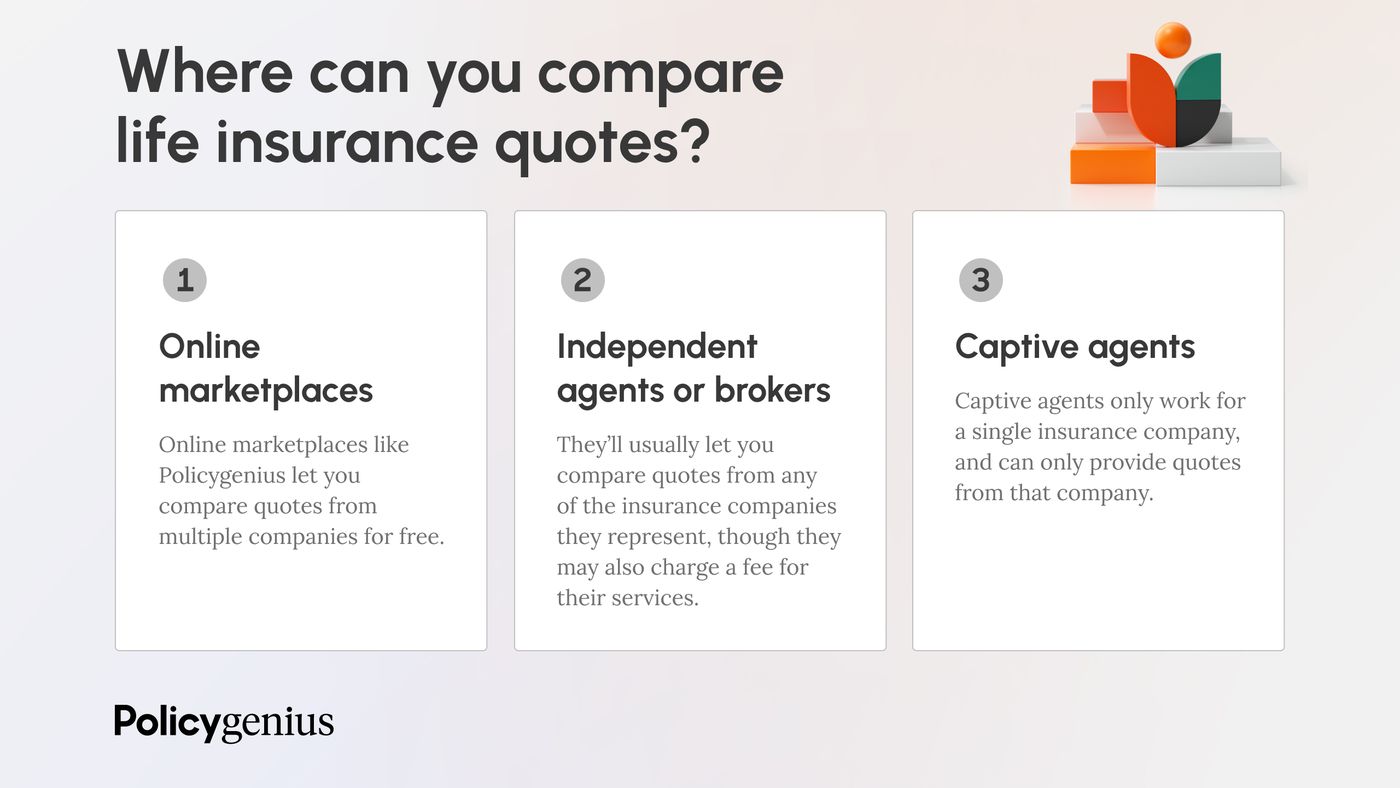
There are four main channels through which Canadians can obtain insurance quotes. Each channel has distinct characteristics and operates differently within the market. The choice of channel can affect the range of options you see, the advice you receive, and potentially the final price of your policy. It is common for consumers to use more than one channel to gather multiple quotes for comparison. Insurance brokers are independent specialists who represent products from multiple insurance companies, and they provide unbiased professional advice and shop the market on your behalf. Insurance agents typically represent a single insurance company, so they have in-depth knowledge of that company's products but cannot offer quotes from competitors.
Direct writers are insurance companies that sell their policies directly to consumers without intermediaries, and examples include Aviva, TD Insurance, Sonnet, and Manulife. Online comparison platforms like Ratehub.ca allow you to enter your information once and receive quotes from multiple providers, and these platforms often connect you with a broker to finalize the policy. Brokers are paid on commission, which can sometimes make rates through their channel more expensive than going direct, though they provide a valuable service by comparing many options. A direct insurer may offer a low rate, but without shopping around, you cannot know if it is the best value for your specific needs. Online quoting is noted for its convenience, allowing you to review options from the comfort of your home within minutes.
Step-by-Step Process for Getting a Quote
Whether you get a quote online, over the phone, or in person, the process follows a similar pattern. You will need to provide detailed information so the insurer or broker can accurately assess your risk and provide a precise premium estimate. The more accurate your information, the more accurate your quote will be, reducing surprises later. The entire process from starting a quote to purchasing a policy can often be completed in minutes online. You start by clicking a 'Get a quote' button on a website, calling a broker or agent, or visiting a local office to initiate the request.
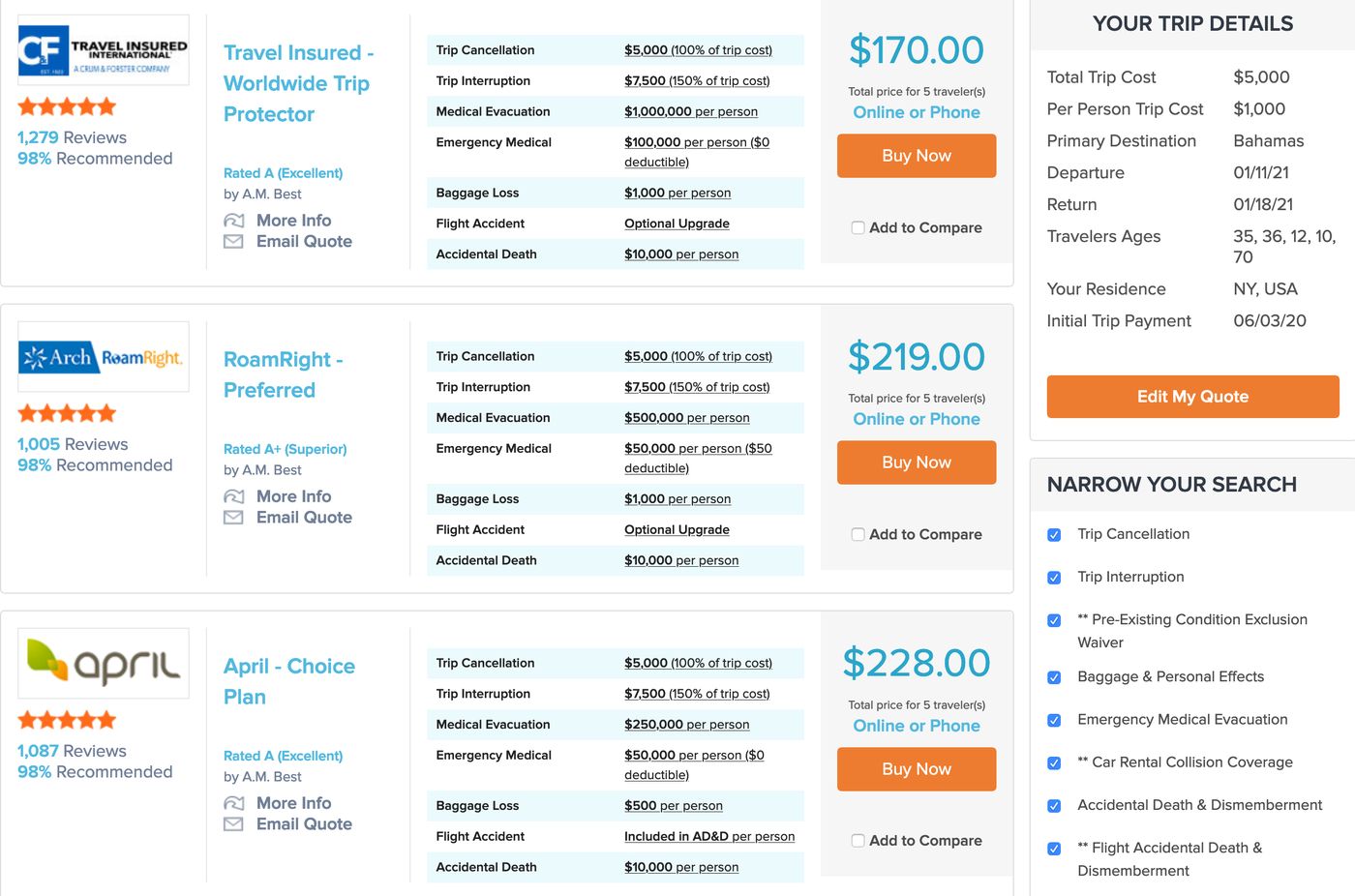
You then provide personal and risk details by answering a series of questions in a web form or conversation. For auto insurance, this includes your driver's licence, vehicle make/model/year, primary use, and location, while for home insurance it includes your address, property details, and rebuild value. Next, you select your desired coverage options, including your coverage limits, deductibles, and any optional endorsements or add-ons. You should then review and indicate eligibility for available discounts such as bundling, alumni groups, safe driving programs, or multi-vehicle policies. After providing all necessary information, you receive and compare the premium estimates presented by the provider. If using a broker or comparison site, you may receive several quotes from different companies side-by-side for easy comparison. Finally, once you select a quote, you confirm your payment method and complete the purchase, either online or with the assistance of the broker or agent. After purchase, you will receive proof of insurance, such as a digital pink card for auto insurance, which you must carry. Many insurers offer apps where you can access your policy documents, submit claims, and manage your account. It is important to review your policy details carefully before finalizing to ensure the coverage matches your expectations.
Factors That Influence Your Insurance Premium
Insurance companies use complex algorithms to calculate your premium, which is the price you pay for your policy. The premium is based on the insurer's assessment of the likelihood you will make a claim and the potential cost of that claim. Many factors are within your control, while others, like your location, are fixed. Understanding these factors can help you see why your quote is a certain amount and identify potential areas for savings. For auto insurance, key rating factors include the make, model, and year of your car, which determine its value, safety features, and repair costs. Your driving record, including tickets and at-fault accidents, heavily influences your premium. Where you live and park your car also matters. Insurance is generally higher in large urban areas due to higher volumes of accidents, theft, and vandalism. How you use your vehicle is critical. Using a car for business purposes beyond commuting may require commercial insurance. The more comprehensive your chosen coverage is, the higher your premium will be.
For home insurance, the rebuild cost of your home, the type of construction, your claims history, and the presence of safety features like alarms and sump pumps are major factors. Proximity to a fire hydrant and fire station can also affect your rate. Across all insurance types, your chosen deductible, the amount you pay out-of-pocket on a claim, directly impacts your premium. A higher deductible typically results in a lower premium. Other elements like your credit history may also be considered by some insurers in certain provinces when determining your risk profile and final quote.
Common Discounts and Ways to Save
Insurance providers offer a wide array of discounts to attract customers and reward lower-risk behaviour. Actively seeking out and applying for all discounts you qualify for is one of the most effective ways to lower your insurance premium. Some discounts are applied automatically during the quoting process if you provide the correct information, while others may require enrollment in a specific program. It is important to note that discounts and their availability can vary by region and provider.
| Discount Type | Typical Savings Mechanism |
|---|---|
| Bundling (Multi-Policy) | Insuring both your home and auto with the same company. |
| Safe Driving / Claim-Free | No at-fault accidents or claims for a specified period. |
| Multi-Vehicle | Insuring two or more vehicles from the same household. |
| Alumni/Professional Group | Being a member of a recognized association, union, or employer group. |
| Hybrid/Electric Vehicle | Owning a 'green' vehicle, such as a 10% Green Wheel discount. |
| Student Driver | Having a student listed as an occasional driver on a policy. |
| Online Purchase | Quoting and buying your policy entirely online. |
| Usage-Based Insurance | Enrolling in a telematics program that monitors driving habits (e.g., Sonnet Shift, my Drive™). |
Other savings strategies are not formal discounts but prudent choices. For older cars with decreased market value, you might consider removing optional physical damage coverage like collision and comprehensive, as the cost to repair may exceed the car's worth. Increasing your deductible is another direct way to lower your premium, though it increases your out-of-pocket cost if you have a claim. It is recommended to review your policy and discounts annually, as your eligibility for certain savings may change over time. Some insurers also offer a disappearing deductible feature where your deductible reduces by a set amount for each claim-free policy term.

Provincial Rules and Considerations
Insurance is regulated at the provincial level in Canada, leading to significant differences in rules, required coverage, and the marketplace itself. This is most pronounced with auto insurance, where each province sets its own minimum mandatory coverage levels and may have a unique system for handling claims. When getting a quote, it is crucial to understand the baseline requirements in your province, as this forms the foundation of any policy you purchase. In Ontario, for example, the standard auto insurance policy includes statutory accident benefits, third-party liability, direct compensation for property damage, and uninsured automobile coverage. Quebec uses a hybrid public-private system for bodily injury liability, which fundamentally changes how that portion of coverage is obtained and priced.
Alberta has its own distinct insurance grid that affects how premiums are calculated based on driver experience and record. Providers often have dedicated provincial pages for Ontario, Quebec, Alberta, New Brunswick, and Nova Scotia to address these local specifics. These pages detail coverage options, discounts, and competitive rates available in that region. For home insurance, while the core principles are similar across the country, certain perils like overland flooding may be covered differently or require specific endorsements depending on provincial regulations and insurer offerings. Always confirm that the quote you receive complies with your province's legal requirements and that you understand what is and is not covered under the standard policy versus optional add-ons.
Common Mistakes to Avoid When Getting Quotes
Several common errors can lead to inaccurate quotes, coverage gaps, or paying more than necessary. Being aware of these pitfalls during the quoting process can save you time, money, and potential frustration when you need to make a claim. The goal is to obtain a quote that is both competitive and fully reflective of your needs and risk profile. One major mistake is providing inaccurate or incomplete information, as misstating your address, annual mileage, vehicle use, or claims history can result in a quote that is too low, which the insurer will correct upon verification, or too high.
Another error is focusing solely on price instead of coverage, since the cheapest quote may exclude important protections you need, leaving you underinsured. Failing to shop around is another critical mistake, as getting only one or two quotes does not give you a full view of the market. This is especially true if you only get a quote from a direct insurer without checking with a broker who can compare multiple companies. Overlooking available discounts is a direct financial misstep, and many people do not investigate alumni, professional, or bundling discounts they may qualify for. Finally, not reviewing the policy details before purchase can lead to misunderstandings about deductibles, coverage limits, exclusions, and the claims process. Always take the time to read the quote details and ask questions if anything is unclear before you buy.
Frequently asked questions
How long does it take to get an insurance quote online?
Getting an insurance quote online in Canada is typically a fast process. Many providers advertise that you can get a car insurance quote in just a few minutes or under three minutes by answering questions in an easy-to-use web form. The entire process from starting the quote to reviewing your coverage options and viewing the final quote often takes less than five minutes on comparison platforms. Finalizing the policy after choosing a quote may involve a call from a broker but can also be completed online quickly.
Is it better to use an insurance broker or go direct?
Both channels have advantages. Insurance brokers operate independently and have access to products from multiple providers, allowing them to shop the market and provide unbiased advice. However, they are paid on commission, which can sometimes result in higher rates. Direct writers like TD or Sonnet sell their own products directly, potentially offering low rates, but you miss out on comparative shopping. The best approach for many Canadians is to get quotes from both a broker and a few direct insurers to ensure a comprehensive market comparison.
What information do I need to get a car insurance quote?
To get an accurate car insurance quote, you will need specific personal and vehicle information. This includes your driver's licence number, date of birth, and address. For the vehicle, you need the make, model, year, vehicle identification number (VIN), and annual mileage. You will also need to disclose your driving history, including any tickets or at-fault accidents, and indicate how the vehicle is primarily used (e.g., commuting, pleasure, business). Information about other drivers in your household and any discounts you believe you qualify for is also necessary.
Can I get insurance quotes if I have a poor driving record?
Yes, you can still get insurance quotes with a poor driving record, but your premiums will likely be higher. Insurance companies base quotes on risk assessment, and a history of tickets or at-fault accidents indicates a higher risk of future claims. It becomes even more important to shop around, as different insurers weigh driving records differently. Some may offer forgiveness programs. For example, certain policies promise rates will not increase for no more than one minor conviction every three years. Disclosing your full record is essential to avoid policy cancellation or premium adjustments later.
What is bundling and how much can it save?
Bundling, also called multi-policy discount, means purchasing more than one type of insurance policy from the same provider, most commonly combining home and auto insurance. This is a widely offered discount that can lead to significant savings. The exact savings vary by provider, location, and individual risk profile, but it is consistently one of the most substantial discounts available. Bundling also simplifies management by having all policies with one company.
Do I need different insurance if I use my car for business?
Yes, using your personal vehicle for business purposes beyond normal commuting usually requires different insurance. Standard personal auto policies typically exclude or provide limited coverage for commercial activities like deliveries, ride-sharing (e.g., Uber), or sales calls. If you use your car for work, you may need to purchase commercial car insurance, which often comes with higher liability limits to protect your business. Failing to disclose business use during the quoting process can void your coverage if you have a claim related to that use, so it is critical to be honest about your vehicle's primary use.
Sources and further reading
- Compare Cheap Insurance Quotes in Canada ratehub.ca
- Car Insurance: Get an Online Insurance quote tdinsurance.com
- Intact Insurance: Canada's Largest P&C Insurer | Car & Home ... intact.ca
- Car Insurance: Get An Auto Insurance Quote allstate.ca
- Sonnet Insurance | Insurance Made Simple with Online Quotes sonnet.ca
This article explains how things work and is not financial, tax or legal advice. Rules, limits and rates change, so check the current figures with the Canada Revenue Agency, your province or your financial institution before you act.