Health insurance in British Columbia consists primarily of the public Medical Services Plan (MSP), which covers medically necessary physician and hospital services for eligible residents. MSP is administered by Health Insurance BC and is mandatory for anyone living in the province for six months or more. This public coverage is supplemented by the income-based Fair PharmaCare program for prescription drugs and by optional private health insurance for services not covered by MSP. Understanding this system is essential for British Columbians to access healthcare and manage out-of-pocket costs.
The Medical Services Plan (MSP)
The Medical Services Plan is British Columbia's provincial public health insurance program. MSP provides coverage for medically necessary services rendered by physicians and surgeons. It also covers dental or oral surgery when performed in a hospital. The plan is administered on behalf of the Ministry of Health by Health Insurance BC, which handles registration, provider payments, and public inquiries. MSP is a mandatory plan for anyone who makes their home in British Columbia and is present for at least six months in a calendar year. Coverage under MSP is a prerequisite for enrolling in other provincial programs like PharmaCare. Health Insurance BC operates a contact centre and a document-processing operation to manage these services for residents, group plan administrators, and healthcare practitioners.
Eligibility for MSP requires an individual to be a Canadian citizen or a permanent resident. There are certain exceptions for other immigration statuses as defined by regulation. The resident must be physically present in British Columbia for at least six months in a calendar year, though some temporary absences are permitted. New residents to the province should apply for MSP coverage immediately, as there is a waiting period before coverage becomes effective. It is important to maintain MSP coverage even during extended travel outside of Canada to avoid lapses and reapplication requirements. International students who reside in the province for six months or more are also subject to this mandatory enrollment in MSP.
Services Covered by MSP
MSP pays for a range of medically required services. This includes all visits to a physician or specialist enrolled with MSP for necessary diagnosis and treatment. In-hospital services, such as standard ward accommodation, necessary nursing care, diagnostic procedures, and medications administered in the hospital are covered. Maternity care provided by a physician or midwife is also an insured service. Certain specific dental surgeries that require a hospital setting due to medical complexity are covered, as are orthodontic services related to severe congenital facial abnormalities. For hospital stays, MSP covers the cost of a standard ward room, while private or semi-private rooms may be available for an additional fee paid by the patient.
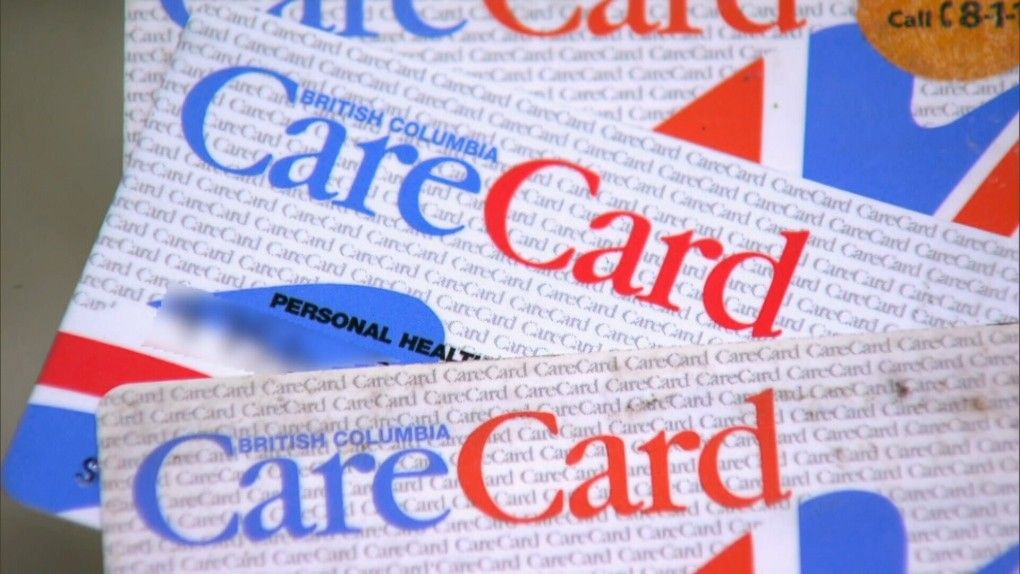
Vision care coverage under MSP has specific age parameters. Routine eye examinations are fully covered for individuals under the age of 18 and for those aged 65 and older. Medically required eye exams, such as those for monitoring diseases like glaucoma or diabetes, are covered for residents of all ages. MSP does not cover the cost of eyeglasses, contact lenses, or laser eye surgery. For ambulance services, individuals with a valid B.C. Care Card covered through MSP pay a subsidized flat fee per trip, while the full cost is not covered. Extended health services, such as certain medical therapies, may be covered if a medical practitioner confirms an acute need with no other resources available, but this is not for routine paramedical care.
Prescription Drug Coverage with PharmaCare
Prescription drug coverage in British Columbia is provided through the PharmaCare program, specifically the Fair PharmaCare plan. Enrollment in MSP is required before one can obtain PharmaCare coverage. Fair PharmaCare is an income-based program where the annual deductible and family maximum out-of-pocket costs are calculated based on net family income. The program covers eligible prescription drugs, insulin, syringes, needles, a limited quantity of diabetic test strips, and certain ostomy supplies. PharmaCare also operates a Biosimilars Initiative, under which it will only cover the biosimilar versions of certain eligible biologic drugs, not the original reference drugs.
The coverage structure involves a deductible that must be met each year before benefits begin. After the deductible is met, PharmaCare covers 70 percent of eligible prescription costs until the family reaches its annual maximum out-of-pocket amount. Once that maximum is met, PharmaCare covers 100 percent of eligible prescription costs for the remainder of the calendar year. A separate program, the First Nations Health Benefits Plan (Plan W), provides comprehensive drug coverage for members of the First Nations Health Authority, acting as the first payer before any private insurance. Plan W covers all eligible ingredient costs and dispensing fees for covered drugs for those enrolled with the First Nations Health Authority.
Coverage for Medical Devices and Supplements
MSP and related programs provide limited coverage for specific medical devices and health supplements, often contingent on financial need and medical necessity. For hearing aids, coverage is provided for the least expensive, appropriate device and associated repairs if the individual requires financial aid to meet this need. Prostheses needed to maintain basic functionality are covered provided the patient meets specific requirements. Certain orthoses and ostomy supplies may also be covered under the provincial plan. Insulin pumps are covered by PharmaCare for eligible individuals who meet strict medical criteria and have obtained Special Authority approval for coverage.
These supplemental coverages are not automatic benefits for all residents. They typically require an assessment of need by a medical practitioner and often a demonstration that the individual has no other resources, such as private insurance, to pay for the device or service. The coverage is designed to ensure basic functionality and health, not to provide premium or elective options. For example, hospital coverage is for a standard ward, and any upgrade to a private room is an out-of-pocket expense. This structure creates a significant area where private health insurance can provide additional financial protection and access to a wider range of options.
Common Gaps in MSP Coverage
While MSP covers essential medical services, there are significant healthcare costs that are not covered by the public plan. These gaps are often the reason residents consider supplemental private health insurance. One of the largest gaps is for routine dental care, such as check-ups, cleanings, fillings, and crowns, which are not covered. Paramedical services like physiotherapy, massage therapy, chiropractic care, and podiatry are generally not covered by MSP unless specifically approved under limited circumstances for acute needs.
Prescription drugs outside of a hospital setting are covered only through the income-based Fair PharmaCare program, leaving many families with substantial out-of-pocket costs before reaching their deductible. Ambulance services, while subsidized, still incur a fee per trip. Extended health supplements like hearing aids, prostheses, and certain medical devices may receive partial coverage only for those who meet strict financial and medical need criteria. Cosmetic surgeries, most alternative therapies, and private nursing care are also excluded from MSP coverage. These gaps mean that even with MSP, a serious illness or injury can lead to considerable personal expense.
- Routine dental exams, cleanings, and restorative work.
- Eyeglasses, contact lenses, and laser eye surgery.
- Paramedical services (physio, massage, chiro) for maintenance.
- Prescription drugs before the Fair PharmaCare deductible is met.
- The unsubsidized portion of ambulance fees.
- Private or semi-private hospital rooms.
- Cosmetic and elective surgical procedures.
- Psychological counselling and mental health services not delivered by a physician.
Private Health Insurance in British Columbia
Private health insurance plans are widely available in British Columbia to supplement the coverage provided by MSP and Fair PharmaCare. These plans are offered by providers such as Pacific Blue Cross, GreenShield, and others. They are designed to cover expenses that fall outside the public system, thereby reducing out-of-pocket costs for individuals and families. Common coverages in private plans include paramedical services, prescription drugs, vision care, dental care, and enhanced ambulance coverage. Private insurance can offset the deductible and co-payment costs built into the Fair PharmaCare program. For middle-income families, these out-of-pocket prescription costs can total thousands of dollars per year.
Private plans often provide coverage for a percentage of these costs, sometimes up to a specific annual maximum. Many employers in British Columbia offer group health benefit plans to their full-time employees as part of a compensation package, which serves as a primary form of private supplemental coverage. These group plans can power employee retention and health. Individual plans are also purchased directly by residents, with some providers offering digital tools for claims submission and ID cards in mobile wallets. Coverage levels and premiums vary significantly, with plans typically categorized as offering basic or extended medical insurance, the latter covering a broader range of services.
| Common Private Plan Coverage | Typical Benefit Structure |
|---|---|
| Prescription Drugs | 70-80% coverage, often with an annual maximum (e.g., $600) |
| Paramedical Services | 80% coverage for combined services like physio and massage, with a combined annual maximum (e.g., $750) |
| Dental Care | Percentage coverage for basic and major services, with annual maximums |
| Vision Care | Allowance for eye exams and hardware every 1-2 years |
| Ambulance | 100% coverage for ground and air ambulance transportation |
| Mental Health Services | Coverage for services from psychologists or clinical counsellors |
Applying for MSP and PharmaCare
New residents to British Columbia must apply for MSP coverage as soon as they arrive. Applications can be submitted online or by mail to Health Insurance BC. Required documents typically include proof of Canadian citizenship or permanent resident status, such as a passport or permanent resident card, and proof of residency in British Columbia, such as a lease agreement or utility bill. It is crucial to apply immediately because there is a waiting period before coverage begins, usually the remainder of the month of arrival plus two additional months. During this waiting period, individuals are advised to obtain temporary private health insurance to cover any medical needs.
Once MSP coverage is confirmed, residents can register for the Fair PharmaCare program. Registration requires providing Social Insurance Numbers for all family members to allow income verification with the Canada Revenue Agency. This process establishes the family's income-based deductible and maximums for the year. Coverage under both programs continues as long as residency requirements are met and premiums, if applicable, are paid. Residents must notify Health Insurance BC of any changes in personal circumstances, such as a change of address, marital status, or the birth of a child. Failure to update information can lead to issues with coverage or incorrect PharmaCare deductibles.
- Gather required documents proving identity and B.C. residency (e.g., passport, driver's licence, lease).
- Complete the MSP application form available online or by mail from Health Insurance BC.
- Submit the application and wait for confirmation and your Personal Health Number.
- Wait for MSP coverage to become effective after the standard waiting period.
- Register for Fair PharmaCare online or by phone, providing family SINs for income assessment.
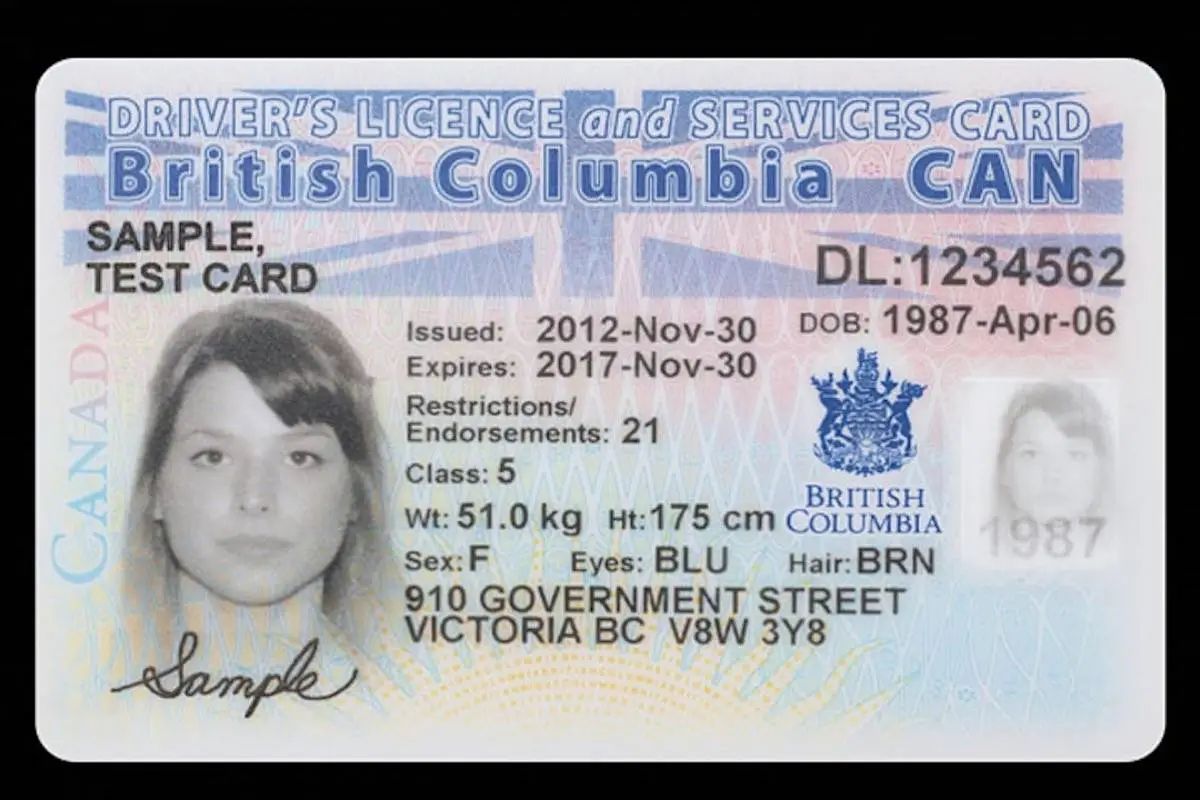
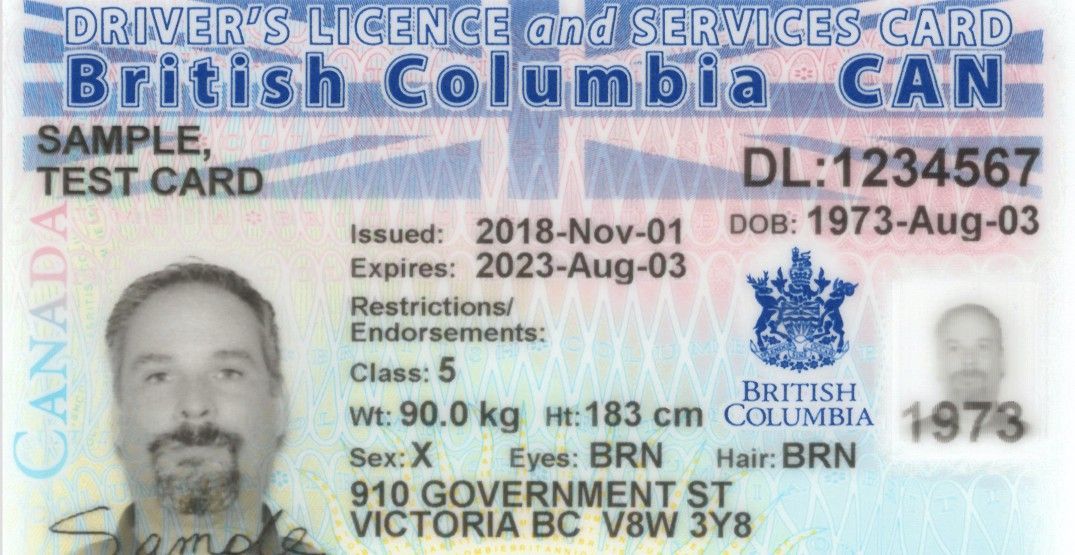
- Receive your combined B.C. Services Card, which serves as your Care Card and photo ID.
- Notify HIBC promptly of any changes in status, address, or family composition.
Administration and Contact Information
Health Insurance BC operates as the administrative body for MSP and PharmaCare. HIBC is responsible for the registration of all healthcare providers in the province and for the payment of medical and pharmacy claims. The public contact centre is available for residents' questions about medical coverage, and its hours are from 8 am to 8 pm, Monday through Friday, and from 8 am to 4 pm on Saturdays. The centre is closed on statutory holidays. For individuals elsewhere in British Columbia, the toll-free number is 1-800-663-7100, while those in the Lower Mainland can call 604-683-7151. The separate document-processing operation operates from 8 am to 4:30 pm, Monday to Friday.
Residents can contact HIBC for assistance with MSP enrollment, coverage questions, updating personal information, and issues related to PharmaCare. The administration handles inquiries about what services are covered and can provide guidance on the claims process for practitioners. All information provided by HIBC is subject to the provisions of the Medicare Protection Act and the Hospital Insurance Act, and the legislation prevails if there is any discrepancy with published information. HIBC's mailing address is P.O. Box 9035 Stn Prov. Govt., Victoria, BC V8W 9E3. For complex issues, written correspondence may be necessary.
Frequently asked questions
Who is eligible for MSP in British Columbia?
Eligibility for the Medical Services Plan requires an individual to be a Canadian citizen or a permanent resident who makes their home in British Columbia. The person must be physically present in the province for at least six months in a calendar year, though some temporary absences are allowed. Certain exceptions apply for other immigration statuses as defined by regulation. New residents must apply immediately and serve a waiting period before coverage starts. This mandatory enrollment also applies to international students residing in B.C. for six months or more.
What does MSP not cover?
MSP does not cover routine dental care for procedures like cleanings and fillings. It does not cover prescription drugs obtained outside a hospital, which are handled by the separate Fair PharmaCare program. Paramedical services such as physiotherapy and massage therapy are generally not covered, nor are the full costs of ambulance services, private hospital rooms, or cosmetic procedures. Psychological counselling from non-physicians is also typically excluded.
How does Fair PharmaCare work?
Fair PharmaCare is an income-based prescription drug program. Coverage begins after a family meets an annual deductible based on their net income. After the deductible is met, PharmaCare pays 70 percent of eligible prescription costs until the family reaches an annual maximum out-of-pocket amount. Once that maximum is met, PharmaCare covers 100 percent of eligible costs for the rest of the year. Enrollment in MSP is required to qualify for PharmaCare. The program also has a Biosimilars Initiative, meaning it only covers biosimilar versions of certain biologic drugs.
Is health insurance mandatory in B.C.?
Yes, enrolment in the public Medical Services Plan is mandatory for anyone who resides in British Columbia for six months or more in a calendar year. This includes international students and other temporary residents who meet the residency requirement. MSP provides coverage for medically necessary services, and it is a prerequisite for accessing other provincial health benefits like PharmaCare. While MSP is mandatory, supplemental private health insurance is optional and chosen by individuals to cover gaps in the public plan.
What is the role of private health insurance?
Private health insurance supplements the coverage provided by MSP and Fair PharmaCare. It covers expenses that the public plan does not, such as paramedical services, routine dental and vision care, a portion of prescription drug costs, and enhanced ambulance coverage. Many people obtain private coverage through employer-sponsored group benefit plans, while others purchase individual or family plans directly from insurance providers. These plans can help manage the out-of-pocket costs associated with the Fair PharmaCare deductible and co-payments, which can be substantial for middle-income families.
How do I apply for MSP?
Apply for MSP by submitting an application to Health Insurance BC either online or by mail. You will need to provide documents proving your Canadian citizenship or permanent resident status and your residency in British Columbia. Apply as soon as you arrive, as coverage typically begins after a waiting period of the remainder of the month of arrival plus two months. Once enrolled, you will receive a B.C. Services Card. After MSP is active, you must separately register for Fair PharmaCare by providing your family's Social Insurance Numbers for income verification.
Sources and further reading
- Health Insurance BC, Province of British Columbia www2.gov.bc.ca
- Medical Services Plan, Province of British Columbia gov.bc.ca
- Pacific Blue Cross, BC's #1 provider of health, dental and ... pac.bluecross.ca
- British Columbia provincial health plan canadalife.com
- Best Health Insurance in British Columbia (2026 Guide) policyme.com
This article explains how things work and is not financial, tax or legal advice. Rules, limits and rates change, so check the current figures with the Canada Revenue Agency, your province or your financial institution before you act.