Cheap insurance in Canada refers to obtaining necessary coverage at a lower cost through discounts, comparison shopping, and adjusting coverage levels. The price of insurance, particularly for cars and homes, varies significantly based on personal factors, location, and the provider. For Canadian consumers, finding affordable insurance is a matter of understanding the mandatory requirements, the available discounts, and the market of both direct insurers and broker-sold policies. Managing costs effectively requires a balance between securing adequate protection and utilizing every legitimate opportunity to reduce premiums.
How Insurance Premiums Are Calculated in Canada
Insurance companies determine your premium by assessing the risk you represent based on a variety of personal and external factors. For auto insurance, key considerations include your driving record, the number of years you have been licensed, and your claims history. The make, model, and year of your vehicle significantly influence the cost due to variables like repair expenses, safety ratings, and the vehicle's market value. Your postal code is a major rating factor, as premiums are generally higher in large urban centres due to higher volumes of traffic, accidents, and theft. The specific coverage options you select, along with your chosen deductible amounts, directly impact the final price you pay for your policy. Insurers also consider how you use your vehicle. Using a car for work purposes beyond commuting may require commercial insurance and affect your rate. Even without new tickets or claims, premiums can increase at renewal due to broader factors like rising repair costs in the automotive industry or changes in claim frequency within your postal code.
Provincial Rules for Mandatory Car Insurance
Auto insurance regulations are set at the provincial level in Canada, creating a patchwork of mandatory requirements across the country. All provinces require drivers to carry a minimum level of third-party liability coverage, which provides financial protection if you injure someone or damage their property. Beyond this base, provinces mandate additional standard coverages such as accident benefits, direct compensation for property damage, and uninsured automobile coverage. The exact composition and minimum limits of these mandatory packages differ from one province to another. For instance, Ontario, Quebec, Alberta, New Brunswick, and Nova Scotia each have distinct rules and standard forms. Drivers must purchase at least this mandatory package, but they are free to add optional coverages for greater protection. It is crucial to understand your province's specific requirements, as driving without the mandatory insurance can result in significant fines, licence suspension, and vehicle impoundment.
A Detailed Look at Auto Insurance Coverage Types
Understanding the different types of auto insurance coverage is essential for making informed decisions about what you need and what you can adjust to manage costs. Third-party liability coverage is the foundational mandatory coverage across Canada, protecting you if you are legally responsible for injuring another person or damaging their property. Accident benefits coverage is also mandatory and provides compensation for medical treatment, income replacement, and other expenses if you or your passengers are injured in an accident, regardless of who is at fault. Direct compensation for property damage allows you to claim from your own insurer for vehicle repairs if you are not at fault in an accident in a province with that system. Uninsured automobile coverage protects you if you are injured or your vehicle is damaged by a driver who has no insurance or who flees the scene.
Beyond these mandatory elements, optional coverages provide protection for your own vehicle. Collision coverage pays to repair or replace your vehicle if it is damaged in a collision with another vehicle or object. Comprehensive coverage protects against non-collision events like theft, vandalism, fire, hail, or falling objects. Many lenders require both collision and comprehensive coverage if your vehicle is leased or financed. Additional endorsements can be added to policies for specific needs, such as rental car coverage or loss of use benefits that pay for a temporary vehicle after a covered claim. The decision to carry these optional coverages, and at what deductible level, is a primary lever for controlling your insurance premium.
| Coverage Type | Mandatory/Optional | Primary Purpose |
|---|---|---|
| Third-Party Liability | Mandatory | Covers injury/damage you cause to others |
| Accident Benefits | Mandatory | Covers medical and income costs for your injuries |
| Direct Compensation for Property Damage | Mandatory (in some provinces) | Covers your vehicle repair when not at fault |
| Uninsured Automobile | Mandatory | Covers you if hit by an uninsured driver |
| Collision | Optional | Covers damage to your car from a collision |
| Comprehensive | Optional | Covers theft, fire, vandalism, weather damage |

Effective Strategies to Lower Your Insurance Costs
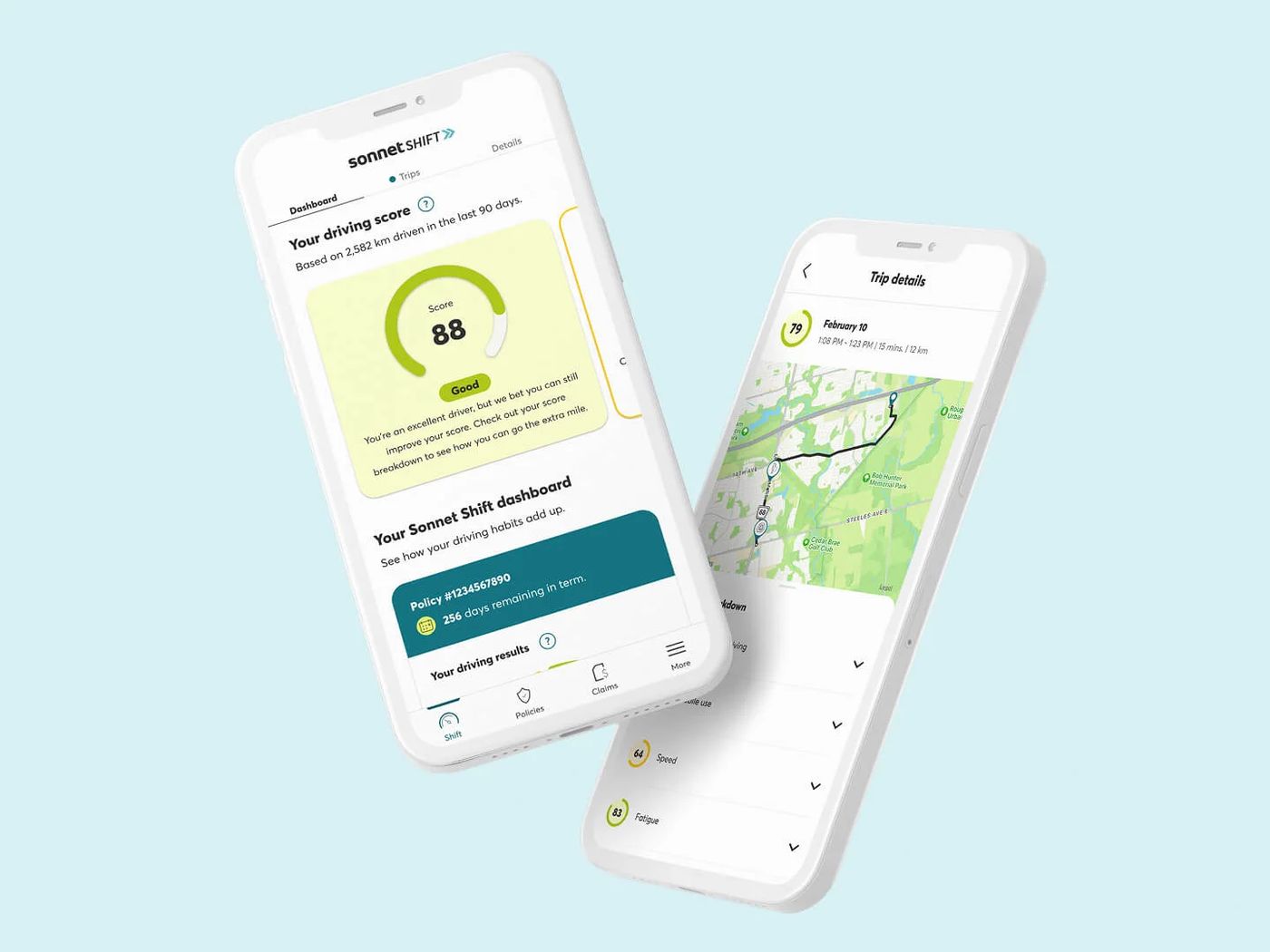
Several proven strategies can lead to substantial savings on insurance premiums without necessarily reducing essential coverage. Maintaining a clean driving record over several years makes you eligible for an accident-free discount, and some insurers offer programs that personalize your premium based on safe driving habits tracked through an app. Increasing your deductible, the amount you pay out-of-pocket on a claim, will lower your regular premium payments. Many insurers offer discounts for members of alumni associations, professional groups, or employer affiliations, with some companies recognizing over 750 such groups. For students listed as occasional drivers, there may be a discount available, and some providers offer a specific rate reduction for hybrid or electric vehicles.
Other practical cost-saving measures include reviewing coverage on older vehicles, as removing optional physical damage coverage on a car with low market value can reduce premiums. Insuring multiple vehicles from the same household under one policy often qualifies for a multi-vehicle discount. Finally, some companies provide an additional discount, such as 10%, for customers who obtain their quote and purchase their policy entirely online. It is important to regularly review your policy and inquire about all discounts for which you may be eligible. Some insurers also offer features like a disappearing deductible, where your deductible is reduced by a set amount for each claim-free policy term.
- Maintain an accident-free record to qualify for discounts and claim forgiveness.
- Increase your deductible to lower premium payments.
- Check for alumni, professional, or employer group discounts (over 750 groups recognized).
- Ask about discounts for students, multi-vehicle policies, and green vehicles (Green Wheel discount).
- Consider removing collision/comprehensive on older, low-value cars.
- Purchase your policy online to potentially save an extra 10%.
- Enrol in telematics programs (e.g., my Drive™) to personalize premium based on driving.
Comparing Direct Insurers and Broker-Sold Insurance
The Canadian insurance market is served through two primary channels: companies that sell directly to consumers and those that distribute policies through independent brokers. Direct insurers, such as Sonnet, TD, Aviva, and Manulife, allow customers to get quotes and purchase policies online or over the phone without an intermediary. These companies employ agents who are experts on their own specific product lines. A potential advantage of the direct channel is the possibility of lower rates by eliminating broker commission, and some offer incentives like a 10% discount for buying online. However, the product selection is limited to that one company's offerings.
The broker channel involves independent professionals who represent multiple insurance companies and are not employed by any single one. Brokers shop the market on your behalf, comparing products from various providers to find a suitable policy. They are paid on commission by the insurance company whose policy you purchase. A major insurer like Intact operates through a network of over 6,000 broker offices. While direct insurers may advertise lower rates, a broker's access to a wider market can sometimes uncover better value or more appropriate coverage for complex situations, such as owning an Airbnb or driving for a rideshare service. Brokers can also provide ongoing service and annual policy reviews.
Key Types of Insurance Coverage Beyond Auto
Beyond mandatory auto insurance, Canadians commonly purchase several other types of coverage to manage financial risk. Home insurance, which includes policies for houses, condos, and tenants, protects the physical structure and personal belongings against perils like fire, theft, and water damage. Some insurers offer extensive water protection endorsements for homes in high-risk flood areas. Life insurance provides a financial payout to designated beneficiaries upon the policyholder's death, offering economic security. Business insurance encompasses commercial property coverage for buildings and inventory, as well as commercial auto insurance for fleets, trucks, or vehicles used for work purposes.
Travel insurance is crucial for covering medical emergencies, trip cancellations, or lost baggage when travelling outside one's home province or internationally. Each type of policy has its own structure of coverage options, exclusions, and common endorsements that can be added for specific needs. For example, a tenant's insurance policy covers personal liability and the contents of a rented dwelling, while a condo policy typically covers improvements to the unit and provides personal liability protection. It is important to assess the specific risks you face to determine which types of insurance are necessary for your circumstances.
The Process of Getting and Managing a Quote
Obtaining an insurance quote in Canada is a streamlined process that can often be completed online in minutes. You typically start by entering basic information such as your postal code, details about your vehicle or property, and your driver's licence history. The online form will then present you with coverage options and allow you to adjust limits and deductibles to see how they affect the premium. Platforms like Ratehub.ca enable you to compare quotes from multiple providers in one place, after which you may be connected with a broker to finalize details. Once you receive your quotes, you can review the coverage details and finalize the purchase online for some providers, or you may be connected with a broker or advisor for a discussion.
After purchasing a policy, management is increasingly done through insurer apps or client centres, where you can access digital proof of insurance, submit or track claims, and update your information. Many companies highlight fast claims service, with some, like Intact, answering claims calls within 20 seconds on average. These digital tools also allow you to add photos or documents to a claim file. Some insurers offer value-added services through their apps, such as towing and emergency road service or driving behaviour monitoring for potential discounts. The entire process, from quote to ongoing management, is designed to provide convenience and immediate access to your policy details.
Common Factors That Increase Insurance Premiums
Certain life circumstances and choices consistently lead to higher insurance costs. For new drivers, premiums are typically higher due to a lack of driving experience and a statistically higher risk of accidents. Living in a major city or a densely populated postal code increases premiums because of higher frequencies of accidents, theft, and vandalism claims. The type of vehicle you drive is critical. High-performance cars, luxury models, or vehicles with expensive repair costs will cost more to insure. Using your vehicle for business purposes beyond commuting may require commercial auto insurance, which carries different rates. Finally, a history of traffic convictions or at-fault insurance claims is a primary factor that insurers use to surcharge premiums, as it indicates a higher risk profile.
Other factors can cause premiums to rise even with a clean personal record. If you are required to carry higher liability limits, perhaps due to a lender's requirement or personal choice, your premium will increase. Adding inexperienced or young drivers to your policy as occasional operators will also raise the cost. Furthermore, industry-wide trends such as increasing costs for automotive parts and labour, or a rise in the severity and frequency of claims in your region, can lead to premium increases at renewal time for all policyholders, regardless of individual driving history.
Frequently asked questions
Is car insurance mandatory in Canada?
Yes, car insurance is mandatory in Canada. All drivers must carry at least third-party liability coverage, which pays for injury or property damage you cause to others. Provincial regulations also require additional standard coverages such as accident benefits, direct compensation for property damage, and uninsured automobile coverage. The specific mandatory package varies by province, and driving without this insurance is illegal.
What factors make car insurance more expensive?
Car insurance becomes more expensive based on factors that indicate higher risk. These include being a new or inexperienced driver, having a history of traffic tickets or at-fault claims, and living in a large urban area. The vehicle itself also affects cost. Expensive, high-performance, or frequently stolen models cost more to insure. Using a vehicle for business purposes can also lead to higher commercial insurance rates. Even with a clean record, premiums can rise due to broader industry cost increases.
Can I buy insurance online in Canada?
Yes, you can buy most types of insurance online in Canada. Many providers, including Sonnet, TD, and RBC Insurance for certain provinces, offer full online quoting and purchasing systems. Comparison sites like Ratehub.ca allow you to review quotes from multiple providers and connect with brokers. The process involves filling out a web form with your details, reviewing coverage options, and often finalizing the purchase digitally, sometimes with an additional discount for buying online.
What is the difference between an insurance broker and a direct insurer?
An insurance broker is an independent professional who shops the market and sells policies from multiple insurance companies, providing comparative advice. A direct insurer, such as Sonnet or TD Insurance, sells its own products directly to consumers without a broker intermediary. Brokers are paid commission by the insurer, while direct insurers employ their own sales agents. Direct insurers may offer online purchase discounts, but brokers can access a wider market for complex needs.
What is the cheapest way to get car insurance?
The cheapest way to get car insurance is to compare quotes from multiple providers and actively apply all available discounts. You should obtain quotes online from companies like Sonnet Insurance or through comparison sites like Ratehub.ca, which allows you to review options from Canada's top providers. Other key discounts include those for safe driving records, membership in over 750 alumni or professional groups, insuring multiple vehicles, and choosing a higher deductible. For new drivers, usage-based insurance programs like my Drive™ can also offer savings based on driving habits.
What does bundling home and auto insurance mean?
Bundling home and auto insurance means purchasing both your property insurance and your automobile insurance from the same provider. This involves combining policies for your house, condo, or tenant's contents with your car insurance under a single account. Insurers offer a multi-policy discount for this convenience, which can lead to substantial savings. The process simplifies management by having one insurer and one point of contact for both major types of coverage, and it is a common feature offered by providers like Intact Insurance, TD Insurance, and RBC Insurance.
Sources and further reading
- Intact Insurance: Canada's Largest P&C Insurer | Car & Home ... intact.ca
- Compare Cheap Insurance Quotes in Canada ratehub.ca
- Car Insurance: Get an Online Insurance quote tdinsurance.com
- Car Insurance: Get Auto Quotes in Canada rbcinsurance.com
- Car Insurance: Get An Auto Insurance Quote allstate.ca
This article explains how things work and is not financial, tax or legal advice. Rules, limits and rates change, so check the current figures with the Canada Revenue Agency, your province or your financial institution before you act.