Finding cheap car insurance in Alberta involves understanding the mandatory coverage required by law and the factors that influence premium costs. Alberta drivers pay some of the highest average premiums in Canada, with rates influenced by location, driving record, and vehicle type. While the market is privately run, the provincial government regulates rates and has implemented reforms aimed at reducing costs for drivers. Comparing quotes from multiple providers remains the most effective method for securing affordable coverage that meets legal requirements.
Mandatory Car Insurance Coverage in Alberta
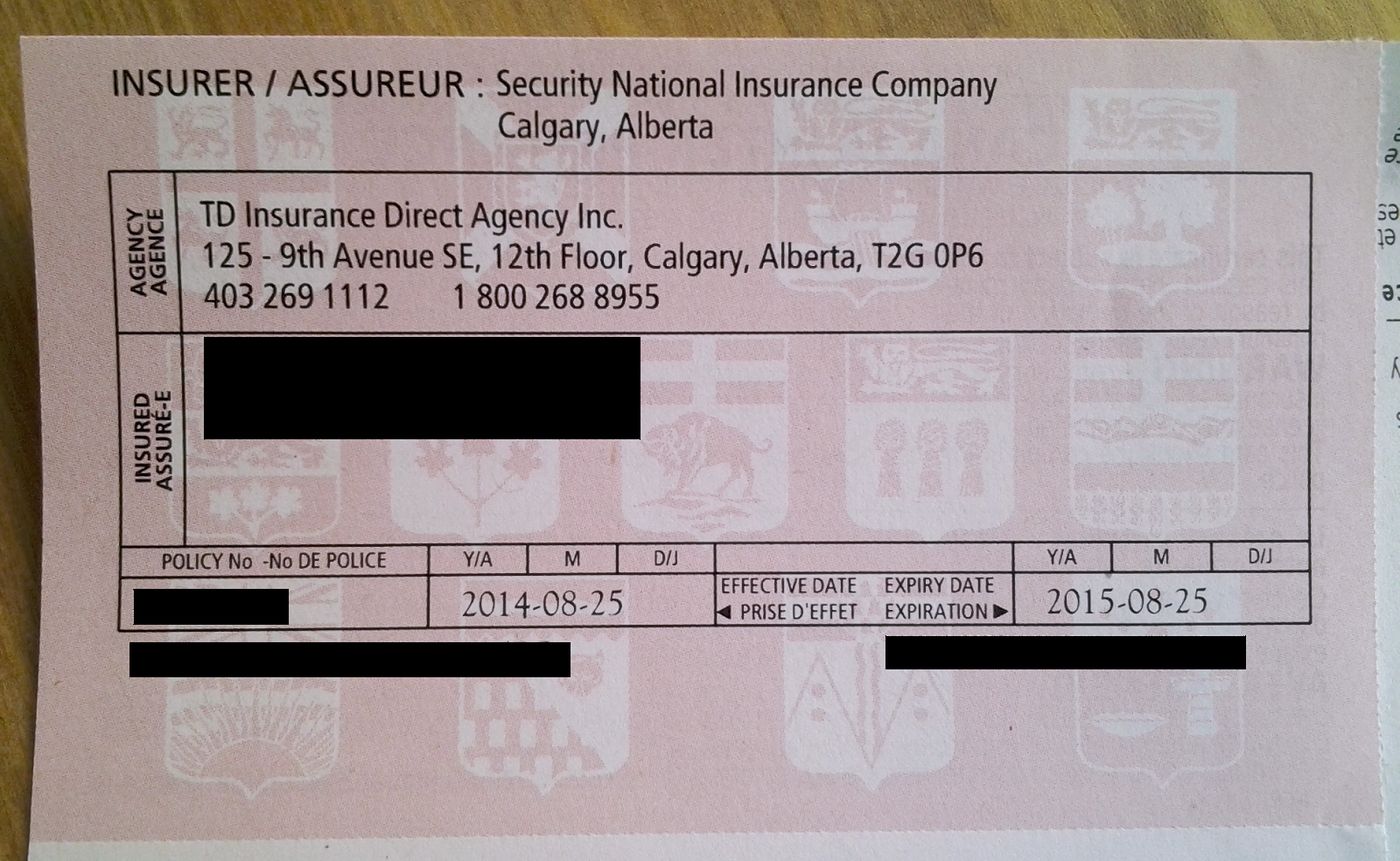
All drivers in Alberta are legally required to carry a minimum level of auto insurance before operating a vehicle on public roads. The mandatory coverage includes four specific components designed to protect both the driver and others on the road. Third Party Liability coverage pays for property damage or injuries you cause to others in an at-fault accident. Accident Benefits coverage provides for medical costs, rehabilitation, and financial compensation for injury or death resulting from a collision, regardless of who is at fault. Uninsured Motorist Coverage offers financial protection if you are injured by a driver who lacks insurance or in a hit-and-run incident. Finally, Direct Compensation for Property Damage (DCPD) is a no-fault coverage that pays for damage to your vehicle and its contents when another driver causes the accident, allowing you to deal directly with your own insurer. This structure of mandatory insurance forms the foundational layer of protection for every Alberta motorist.
Standard and Optional Insurance Add-Ons
Beyond the mandatory coverage, Alberta drivers can purchase standard and optional policies to enhance their protection. Standard coverage typically includes Collision insurance, which pays for repairs or replacement when you hit another object or your vehicle rolls over. Comprehensive coverage pays for repairs when your car is damaged by a non-collision event such as theft, vandalism, fire, or natural disasters like hail. An All Perils policy combines both Collision and Comprehensive coverage into a single package. Optional add-ons allow for further customization of a policy to fit specific needs and driving habits. Common optional coverages include Accident Forgiveness, which prevents your premium from increasing after your first at-fault accident. Roadside Assistance provides services like towing or tire changes, typically offering a set number of emergency services per membership year. Rental Car Protection extends coverage to rental vehicles used within Canada and the United States. These additional layers allow drivers to tailor their insurance to their lifestyle, vehicle, and risk tolerance.
Factors Determining Your Insurance Premium
The cost of car insurance in Alberta is calculated by insurers using a variety of personal and statistical factors. Your driving record is a primary factor, with a history of accidents, tickets, or convictions typically leading to higher premiums. The make, model, year, and safety features of your vehicle significantly influence the rate, as cars with advanced safety systems or anti-theft devices may qualify for discounts. Your age and years of driving experience are also critical, with younger and less experienced drivers often facing higher costs. Where you live and primarily garage your vehicle within the province affects your premium, with urban centres like Calgary and Edmonton often having higher rates than rural areas. The primary use of your vehicle, such as commuting distance or annual mileage, is factored into the risk assessment. Finally, your chosen coverage options, deductibles, and policy limits directly determine the final price you pay. Insurers weigh these elements to assess the likelihood of you filing a claim.
Several specific actions can positively influence these factors to help lower your premium. Increasing your deductible, the amount you pay out-of-pocket on a claim, can reduce your monthly or annual premium cost. Bundling your auto insurance with another policy, such as home insurance, with the same company often leads to a multi-policy discount. Insuring multiple vehicles from the same household under one policy can qualify you for a multi-vehicle discount. Parking your car in a secure garage or driveway instead of on the street can reduce risk and potentially lower your rate. Reducing your annual driving distance, perhaps by using public transit or carpooling, can also lead to savings. Some insurers offer usage-based or telematics programs, like myDrive or automerit, which monitor driving habits and can provide discounts of up to 25% for safe driving. Maintaining a claims-free record over many years demonstrates low risk to insurers and can result in loyalty discounts.
Recent Reforms and the Upcoming Care-First System
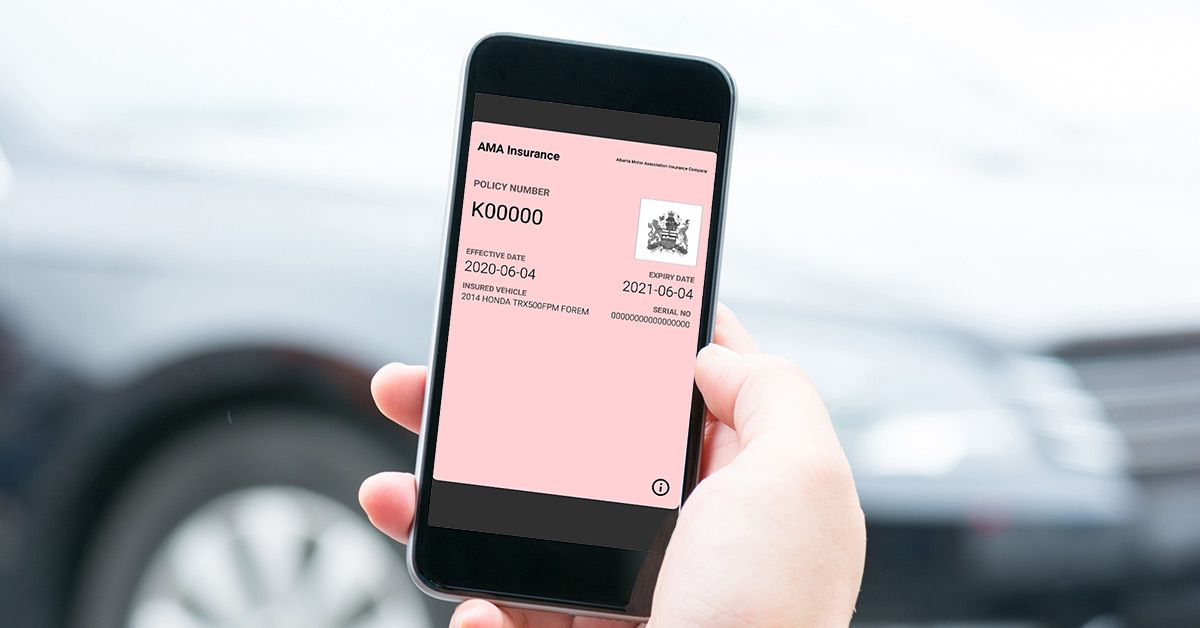
The Alberta government has enacted several reforms aimed at stabilizing and reducing auto insurance costs, with a major systemic change scheduled for 2027. A key recent change was the January 2022 introduction of mandatory Direct Compensation for Property Damage coverage, which streamlined the claims process for property damage under a no-fault model. The province currently uses a hybrid tort system for injury claims, where accident victims can sue the at-fault driver for damages beyond basic policy benefits. This system will be replaced by a new ‘Care-First’ system starting on January 1, 2027. The Care-First system will operate similarly to Ontario's no-fault model, meaning injured drivers will deal directly with their own insurance company for accident benefits claims instead of pursuing litigation. Concurrently, the existing auto insurance grid rate calculator will be discontinued. The government anticipates this new system will save vehicle owners an average of 13.7%, or approximately $297 per vehicle, annually.
Alongside the Care-First system, a new adjusted rate cap will take effect on January 1, 2027, replacing the previous cap for 'Good Drivers'. The adjusted cap will prevent insurance companies from increasing an individual driver's premium at renewal by more than 10%. It will also limit insurers from raising their overall portfolio's average rates by more than 5% in a given period. These measures are designed to provide more predictable and stable pricing for consumers. The reforms come in response to significant premium increases, with Alberta auto insurance rates rising 22.6% year-over-year as of the second quarter of 2026. The government regulates the private insurance market through the Automobile Insurance Rate Board, which oversees rate filings and market conduct.
Average Costs and Provincial Comparisons
Car insurance premiums in Alberta are among the highest in Canada, reflecting both market conditions and the province's regulatory framework. According to the 2026 Market and Trends Report from the Automobile Insurance Rate Board, the average annual car insurance premium in Alberta is $1,903. This places Alberta as the second most expensive province for auto insurance, behind only Ontario, where the average was $1,970 according to the 2025 Mid-Year Market and Trends Report. On a monthly basis, the average premium was approximately $142 as of the first half of 2024. The cost of insurance represents a significant portion of household budgets, with Albertans spending an average of 3.2% of their after-tax income on coverage. This percentage matches the spending in Newfoundland and Labrador and Saskatchewan, while Ontario drivers spend the highest at 3.9%.
Premiums vary considerably within Alberta based on the driver's city of residence. A sample quote for a 35-year-old male driving a 2023 Honda Civic, with specific coverage parameters, shows a range across major cities. These variations are due to localized risk factors such as traffic density, crime rates, and accident statistics. The table below illustrates the percentage of after-tax income spent on auto insurance across several provinces, based on 2024 Statistics Canada income data as used in the 2026 report.
| Province | Avg. After-Tax Income Spent on Auto Insurance |
|---|---|
| Ontario | 3.9% |
| Alberta | 3.2% |
| Newfoundland and Labrador | 3.2% |
| Saskatchewan | 3.2% |
Alberta drivers spend an average of 3.2 percent of their after tax income on auto insurance. This matches the rates seen in Newfoundland and Labrador and Saskatchewan. Ontario drivers spend the highest percentage across all provinces at 3.9 percent. Comparing auto insurance quotes across providers is the best way to find affordable coverage.
Special Insurance Considerations for Alberta Drivers
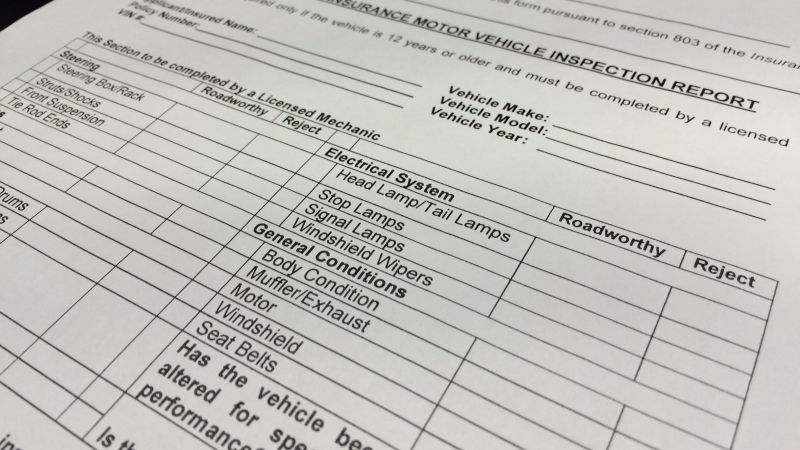
Certain driving situations and vehicle types in Alberta require specific insurance knowledge. For classic or antique vehicles, specialized coverage is available through Collector programs. A vehicle may be eligible if it is an Antique, defined as 20 years or older and unmodified from the manufacturer's original specifications, or a Classic, defined as between 15 and 19 years old and similarly unmodified. Alberta does not permit temporary car insurance policies for short-term needs. The shortest standard insurance policy term available is six months. For situations like moving a newly purchased vehicle, drivers can apply for a special in-transit permit from the province, which allows the use of current licence plates and registration for up to two weeks, but this does not include insurance coverage. If you are driving someone else's car with their permission, most insurance policies will extend coverage to you as the driver under the vehicle owner's policy, but it is crucial to confirm this with the insurer beforehand. Understanding these nuances ensures you remain properly insured in various circumstances.
Common Mistakes to Avoid When Shopping for Insurance
Several common errors can lead Alberta drivers to pay more for insurance or end up with inadequate coverage. A frequent mistake is failing to compare multiple quotes from different providers, as rates can vary significantly between companies for the same driver profile. Another error is choosing a policy based solely on the lowest premium without understanding the coverage details, deductibles, and exclusions, which can lead to costly surprises when filing a claim. Many drivers overlook available discounts, such as those for bundling home and auto policies, installing telematics devices, having multiple vehicles on one policy, or maintaining a claims-free record. Some consumers incorrectly assume all optional coverages are unnecessary, potentially leaving them exposed to risks like a lack of rental car coverage or roadside assistance. Notifying your insurer of changes in circumstances, such as a reduced commute distance or new safety features on your vehicle, is often forgotten, missing an opportunity for a premium review and potential reduction. Finally, automatically renewing a policy without an annual review can mean you continue paying a higher rate than what might be available in the current market.
Frequently asked questions
What is the average cost of car insurance in Alberta?
The average annual car insurance premium in Alberta is $1,903 according to the 2026 AIRB Market and Trends Report. On a monthly basis, this equates to approximately $142 as reported for the first half of 2024. Alberta currently holds the position of the second most expensive province for car insurance in Canada, with an average cost of $1,703, trailing only behind Ontario. These figures highlight that while premiums are high, there is significant variation, with other reports suggesting average annual costs can range from $1,200 to $2,316.
What car insurance coverage is mandatory in Alberta?
Alberta law mandates that all drivers carry four specific types of auto insurance coverage. These are Third Party Liability, which pays for property damage or injuries you cause to others. Accident Benefits, which covers medical and rehabilitation costs for you and your passengers. Uninsured Motorist Coverage, which protects you if injured by an uninsured or hit and run driver. And Direct Compensation for Property Damage (DCPD), which pays for repairs to your own vehicle when you are not at fault in a collision. This mandatory structure provides the essential legal and financial protection required to operate a vehicle in the province.
When does Alberta's new Care-First insurance system start?
Alberta's new 'Care First' auto insurance system is scheduled to take effect on January 1, 2027. This system represents a significant shift from the current tort based model to a no fault system for injury claims. Under Care First, drivers injured in a collision will deal directly with their own insurance company for accident benefits claims instead of having to sue the at fault driver. The government expects this new system to save vehicle owners an average of 13.7%, or approximately $297 per vehicle, annually on their auto insurance premiums.
Can I get temporary car insurance in Alberta?
No, temporary car insurance is not available in Alberta. The shortest duration for a standard car insurance policy you can purchase in the province is six months. For very short term needs, such as moving an uninsured vehicle, you can apply for a special in transit permit from the province, which allows the use of your current licence plate and registration for two weeks. However, it is crucial to understand that this permit does not include or provide any car insurance coverage, so drivers must secure a standard policy.
How can I lower my car insurance premium in Alberta?
There are several proven methods to lower your car insurance premium in Alberta. First, compare personalized quotes from multiple providers, as this is the best way to find competitive rates. Bundling your home and auto insurance policies with one company can yield significant discounts. Increasing your deductible amount can reduce your monthly premium cost. Enrolling in a telematics program like myDrive, which monitors driving habits, can save up to 25%. Additional strategies include insuring multiple vehicles and drivers in the same household on one policy, parking your car in a secure garage, and reducing your annual driving distance.
What is classic car insurance in Alberta?
Classic car insurance in Alberta is a specialized coverage provided through Collector vehicle programs. To be eligible, a vehicle must typically be classified as an Antique, meaning it is 20 years or older and not modified from the manufacturer's original specifications, or a Classic, which is between 15 and 19 years old and also unmodified. This type of policy is designed for vehicles that are not used as primary daily transportation but are maintained for hobby, exhibition, or occasional leisure use. Drivers interested in this coverage should contact an insurance broker to discuss specific eligibility and the unique protections offered.
Sources and further reading
- Car Insurance in Alberta | Affordable Quotes & Savings intact.ca
- Compare Alberta Car Insurance Quotes For Free ratehub.ca
- Alberta Car Insurance Quotes belairdirect.com
- Car Insurance Canada, Get an Auto Insurance Quote Now scotiainsurance.com
- Leibel Insurance Has Joined Quotes & Coverage brokerlink.ca
This article explains how things work and is not financial, tax or legal advice. Rules, limits and rates change, so check the current figures with the Canada Revenue Agency, your province or your financial institution before you act.