Private health insurance in Ontario is supplemental coverage purchased by individuals to pay for healthcare costs not covered by the provincial Ontario Health Insurance Plan (OHIP). These plans are designed to bridge gaps in the public system, covering expenses such as prescription drugs, dental and vision care, and paramedical services like physiotherapy. For many Ontarians, particularly working-age adults without employer benefits, private insurance can represent a practical way to manage significant out-of-pocket healthcare costs. This guide explains how private health insurance works in Ontario, what it typically covers, and the key factors to consider when evaluating plans from various providers.
How Private Insurance Complements OHIP
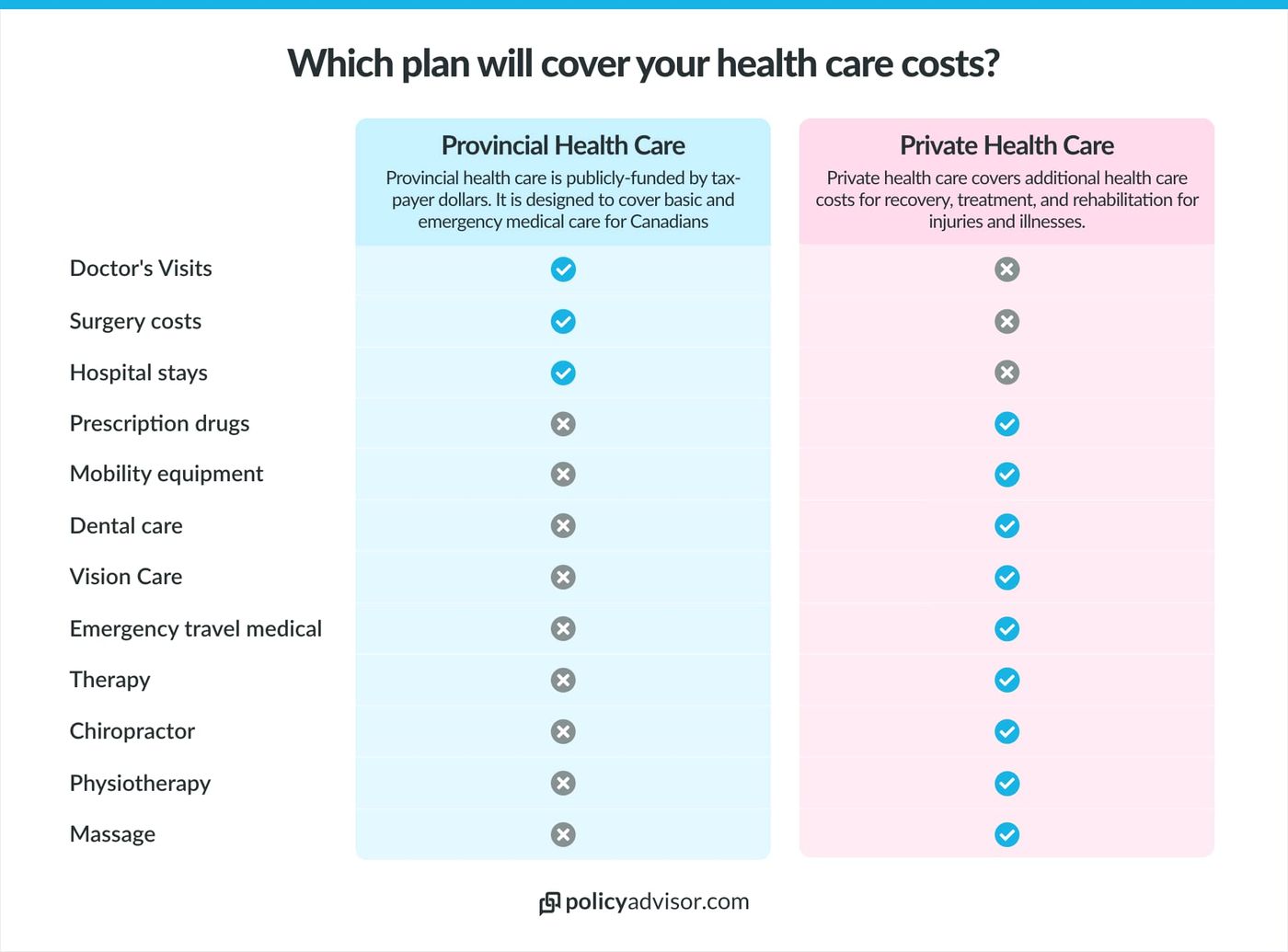
The Ontario Health Insurance Plan provides a foundation of coverage for residents with a valid health card, paying for medically necessary services such as visits to a doctor, hospital care, and diagnostic tests like X-rays and MRIs. This core coverage does not change significantly based on a person's age. However, OHIP explicitly does not cover many day-to-day health expenses incurred outside a hospital setting. This creates the primary gap that private health insurance is designed to fill. For most residents, these out-of-pocket costs can amount to hundreds or thousands of dollars each year, making supplemental coverage a financial consideration.
Private health insurance plans are structured to build upon the free provincial coverage, not duplicate it. They address specific categories of care that OHIP leaves to individuals to finance themselves. The need for this supplemental coverage tends to peak during an individual's working-age years, roughly from ages 25 to 64. During this period, government health plans are more limited and employer-sponsored workplace benefits are not always available or sufficient. You must maintain your OHIP eligibility to be offered coverage by private insurers.
Common Gaps in OHIP Coverage
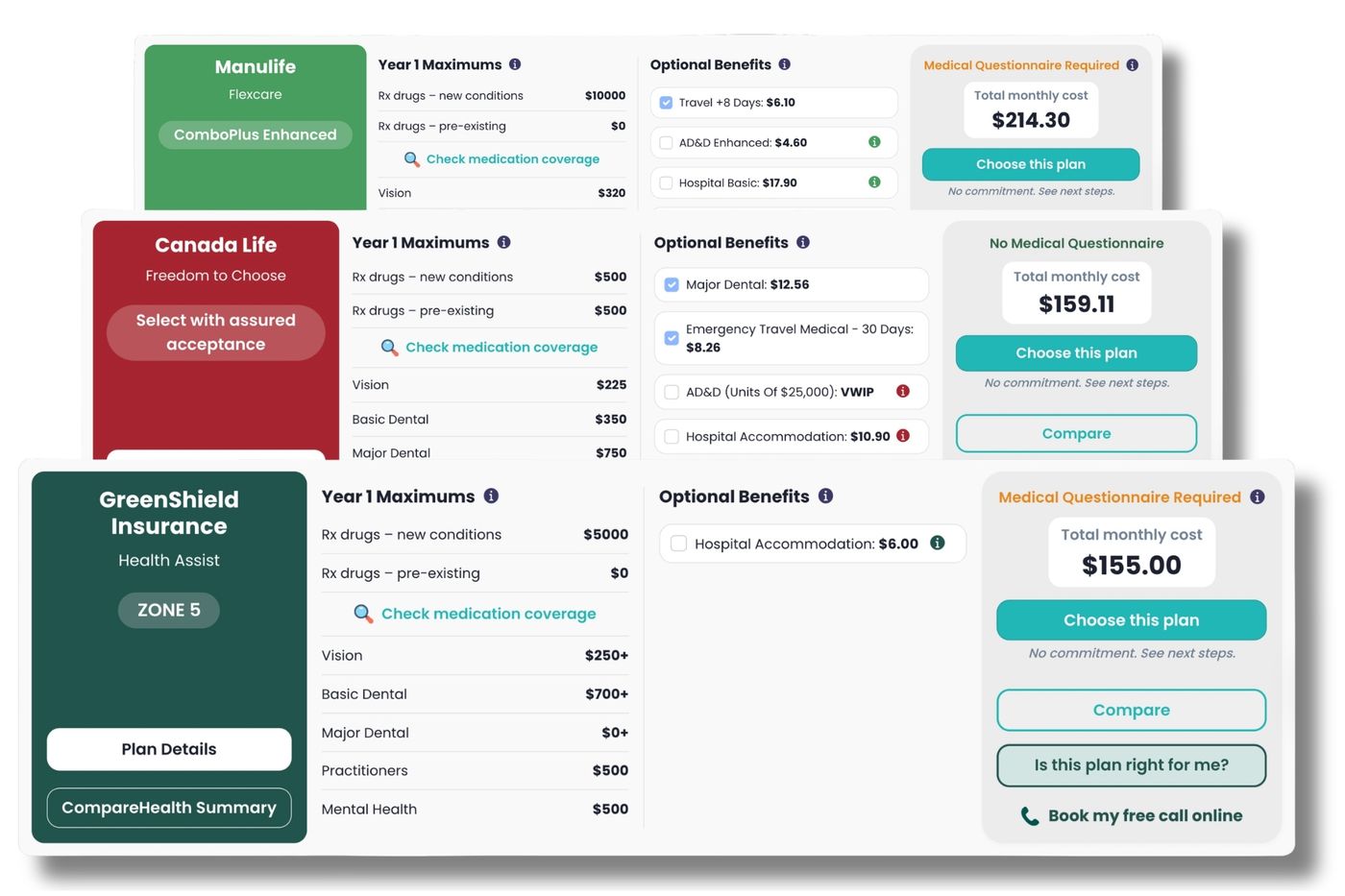
Ontario's public health plan has specific exclusions that define the market for private insurance. Knowing these gaps is the first step in determining if supplemental coverage is necessary for your situation. The most significant and common expenses not covered by OHIP are prescription medications dispensed outside a hospital setting. Other major exclusions include routine dental care for adults, such as check-ups, cleanings, fillings, and major procedures like crowns or root canals. Vision care is another area where coverage is limited. OHIP covers one routine eye exam annually only for children and youth aged 19 and under, leaving adults to pay for exams and corrective lenses.
Paramedical services, which are often essential for rehabilitation and maintenance of health, are also not covered. This includes services from practitioners like physiotherapists, massage therapists, chiropractors, and registered dietitians. Furthermore, OHIP does not cover private mental health counselling from psychologists or social workers, ground or air ambulance transportation in non-emergency situations, or medical equipment and supplies like crutches or casts for injuries sustained outside a hospital. These broad exclusions mean that even a minor injury or a common chronic condition can lead to substantial personal expense without some form of additional insurance.
Major Providers and Plan Types in Ontario
Several major insurance companies offer personal health insurance products to Ontario residents. Prominent providers include Manulife Financial, Ontario Blue Cross, Sun Life Financial, Canada Life, and Desjardins Insurance. Other notable companies in the market are PolicyMe and GreenShield. These providers offer a range of plans that can be broadly categorized by their underwriting approach and target audience. The two primary types are medically underwritten plans and guaranteed acceptance plans. Medically underwritten plans typically require applicants to answer health questions, and premiums and eligibility are based on this information, often resulting in more comprehensive coverage for lower premiums for those in good health.
Guaranteed acceptance plans, as the name implies, guarantee coverage to any applicant who is a resident of Ontario and covered by OHIP, regardless of pre-existing medical conditions. These plans do not require a medical exam or health questionnaire for eligibility. However, they often come with higher premiums and may have waiting periods before covering certain conditions. Another common plan type is tailored for retirees or individuals leaving a group benefits plan, offering continuity of coverage. Plans can also be differentiated by tier, such as Basic, Enhanced, or Comprehensive, which correspond to different levels of coverage limits, deductibles, and monthly premiums.
- Manulife Enhanced: Noted for high prescription drug coverage and a broad network.
- Desjardins Enhanced: Often bundles strong dental and health coverage.
- Blue Cross Enhanced: Frequently includes strong paramedical and counselling limits.
- Sun Life Basic: Can represent a value option for younger, healthy individuals.
- Canada Life Enhanced: May offer high drug maximums suitable for retirees.
Key Factors in Choosing a Plan
Selecting the most suitable private health insurance plan requires a careful assessment of personal circumstances, as there is no single best plan for every Ontarian. Your age is one of the most critical factors, as health needs and the likelihood of claiming benefits change over time. For younger individuals aged 21 to 39, priorities often include basic prescription drug coverage, preventative dental care, and perhaps vision care. For adults aged 40 to 64 and seniors, coverage needs typically expand to include higher limits for prescription drugs, more extensive dental work like crowns and bridges, and greater access to paramedical services for managing chronic conditions.
Your current and anticipated health needs should guide your decision. Consider which OHIP gaps are most relevant to you. If you require regular prescription medications, a plan with a high drug maximum and reasonable co-pay is essential. If you have a family history of dental issues, robust dental coverage becomes a priority. Budget is another fundamental constraint. Premiums can vary widely based on the provider, plan tier, your age, and whether the plan is medically underwritten. Look beyond the monthly premium and examine the plan's details, including annual maximums, deductibles, co-insurance percentages, and any waiting periods for specific services.
Who Typically Needs Private Coverage
Private health insurance is a practical solution for specific groups of Ontarians who lack adequate coverage through other means. The most common candidates are self-employed individuals, freelancers, and contractors who do not have access to employer-sponsored group benefits. People who are between jobs or in a probationary period waiting for new employer benefits to start also frequently seek temporary or permanent individual coverage. Another group includes those whose employer plan has low maximums or restrictive coverage that leaves them with significant out-of-pocket costs, particularly for paramedical services or specialty drugs.
Spouses and dependents who are not covered under a family member's employer plan may also need their own individual policies. Furthermore, retirees who lose their group coverage upon leaving the workforce often purchase individual plans to maintain protection against high healthcare costs. Some individuals choose to purchase a personal plan to supplement an existing group plan, using it as a secondary layer of coverage once the primary plan's annual maximums are exhausted. This strategy can be effective for managing predictable, high annual costs for services like physiotherapy or psychology.
Understanding Costs and Coverage Limits
The cost of a private health insurance plan, known as the premium, is paid monthly and varies significantly based on the factors previously discussed. As a reference point, basic plans can start from approximately $134 per month for a young, healthy adult. Premiums increase with age, the comprehensiveness of coverage, and if you opt for a guaranteed acceptance plan. When evaluating cost, you must also consider the plan's structure for sharing expenses. Most plans include a deductible, which is an amount you pay out-of-pocket before the insurance begins to pay. After the deductible is met, co-insurance or co-pays apply.
Every benefit category within a plan has an annual maximum, which is the total dollar amount the insurer will pay for that service in a calendar year. Once you reach that maximum, you are responsible for 100% of any additional costs. These maximums are critical to understand. If your therapist charges $100 per session, the plan would cover a portion of five sessions before the benefit is exhausted. Prescription drug coverage often has a very high overall maximum, such as $250,000, but may have a per-prescription co-pay. The table below illustrates how coverage focus might shift between two broad age demographics, influencing the type of plan and its associated costs.
| Age Group | Typical Coverage Priorities |
|---|---|
| Younger Adults (21-39) | Basic prescriptions, preventative dental, vision care, entry-level premiums |
| Older Adults & Seniors (40-64+) | Higher drug maximums, major dental, extensive paramedical, travel medical |
The Application and Comparison Process
Applying for private health insurance in Ontario typically begins with researching and comparing plans from different providers. Many insurers and independent online platforms offer tools to get instant quotes based on your age, province of residence, and desired coverage. The application process itself varies by plan type. For a medically underwritten plan, you will complete a health questionnaire detailing any pre-existing conditions, current medications, and medical history. This information is used to assess your risk and determine your premium and eligibility. No medical tests like bloodwork are usually required.
For a guaranteed acceptance plan, the application process is simpler, as no health questions are asked. As long as you are a resident of Ontario and covered by OHIP, you will be offered coverage. Provide accurate information on any application, as discrepancies can affect future claims. When comparing plans, look beyond just the premium price. Carefully review the brochure or policy wording for each benefit's specific limits, exclusions, and definitions. For example, dental coverage for a "crown" may have a different reimbursement schedule or waiting period from one provider to another. Using comparison platforms can help streamline this process, but always verify details directly with the insurance provider before purchasing.
- Step 1: Identify your primary healthcare needs and budget.
- Step 2: Use online quote tools from providers or comparison platforms.
- Step 3: Review plan details: premiums, deductibles, co-insurance, annual maximums.
- Step 4: Check for exclusions, waiting periods, and definitions of covered services.
- Step 5: Complete the application with accurate personal and health information.
- Step 6: Submit the application and await confirmation of coverage from the insurer.
Frequently asked questions
What is the difference between OHIP and private health insurance?
OHIP is Ontario's public health system that covers medically necessary services like doctors' visits and hospital care for residents. Private health insurance is supplemental coverage you purchase to pay for services OHIP does not cover. These services include prescription drugs, dental care, vision care, and paramedical services. Private plans help bridge these coverage gaps and expand on your provincial coverage.
Can I get private health insurance if I have a pre-existing condition?
Yes, you can still obtain coverage. Many providers offer guaranteed acceptance plans that do not ask medical questions or require a medical exam. These plans guarantee coverage to any Ontario resident covered by OHIP, regardless of pre-existing conditions. However, these plans often have higher premiums and may impose waiting periods before covering expenses related to those pre-existing conditions.
How much does private health insurance cost in Ontario?
The cost varies widely based on age, the level of coverage, the insurance provider, and whether the plan is medically underwritten. Basic plans can start from around $134 per month for a young adult. Premiums increase with age and for more comprehensive coverage. Guaranteed acceptance plans typically cost more than medically underwritten plans for a similar level of benefits due to the higher risk assumed by the insurer.
Is private health insurance worth it if I have an employer plan?
It can be worth it depending on your employer plan's limits. If your group benefits have low annual maximums for services you use, a personal plan can act as secondary coverage. This is also a consideration if you want coverage that continues if you change jobs or retire. Some providers offer plans specifically for those leaving a workplace benefits plan.
What does a typical private plan cover that OHIP does not?
A typical private plan covers prescription drugs, with some plans offering up to $250,000 in coverage. It also covers dental care, including preventative and major dental work. Plans cover vision care, such as eye exams and glasses, and paramedical services like physiotherapy. Many plans also include coverage for mental health services, accidental dental, and ground or air ambulance transportation.
How do I compare different private health insurance plans?
You can compare plans by examining the monthly premium, coverage limits, deductibles, and co-insurance. Online platforms like CompareHealth help users compare personal health and dental insurance plans from leading providers in Canada. You should always verify details with the insurance provider before purchasing. It is important to compare plans with the same type of coverage, pricing tier, and eligibility requirements for accuracy.
Sources and further reading
- Freedom to Choose™ health and dental insurance canadalife.com
- Best Health Insurance in Ontario (September 2026 Guide) policyme.com
- Compare Health Insurance Plans | CompareHealth comparehealth.ca
- Health Insurance, Personal Insurance, Ontario Blue Cross on.bluecross.ca
- Best Private Health Insurance Plans in Ontario (2026 Guide) healthquotes.ca
This article explains how things work and is not financial, tax or legal advice. Rules, limits and rates change, so check the current figures with the Canada Revenue Agency, your province or your financial institution before you act.