Determining the best insurance in Ontario depends on individual needs, but the market is served by many providers, including Canada's largest property and casualty insurer. Ontario law mandates specific auto insurance coverages for all drivers, while optional coverages and bundling can offer additional protection and potential savings. Consumers can compare rates and services from numerous companies to find a policy that fits their circumstances. Understanding the mandatory requirements and available options is key to making an informed insurance decision.
Mandatory Auto Insurance Coverage in Ontario
Ontario law requires all drivers to carry a standard auto insurance policy with specific mandatory coverages. This no-fault system means that after an accident, you make your claim through your own insurance company regardless of who caused the collision. The mandatory coverages are designed to provide financial protection after an accident on any Ontario road, from highways like the 401 to city streets in Toronto, Mississauga, or Ottawa. These core coverages ensure drivers are not left paying substantial costs out of pocket for injuries or damages resulting from a collision. The mandatory components include Third Party Liability coverage, Accident Benefits coverage, Direct Compensation-Property Damage coverage, and Uninsured Automobile coverage.
Third Party Liability coverage protects you financially if you are legally liable for injuring someone or damaging another person's property while driving. Accident Benefits coverage provides financial support for medical treatment, rehabilitation, and attendant care if you are injured in a car accident. Direct Compensation-Property Damage coverage will repair or replace your vehicle and its contents if you are involved in a collision and are not at fault. Uninsured Automobile coverage helps pay for repair costs if an uninsured driver is at fault and provides benefits if you or your family are injured or killed by an uninsured driver. These mandatory elements form the baseline of every auto insurance policy sold in the province.
Optional Insurance Coverages and Add-ons
Beyond the mandatory coverages, Ontario drivers can purchase a range of optional auto insurance coverages for enhanced protection. These options provide extra flexibility whether you drive in busy cities like Hamilton or more rural parts of Northern Ontario. One significant area for optional coverage is Accident Benefits, where standard medical, rehabilitation, and attendant care benefits are mandatory, but you can choose to increase these benefit levels. Furthermore, as part of recent changes, some coverages that were once mandatory have become optional, allowing drivers to tailor their policies more closely to their personal needs and budgets.
Several coverages are now optional, meaning you can choose to include or exclude them based on what is right for your situation. These optional coverages include income replacement benefits, non-earner benefits, caregiver benefits, compensation for lost educational expenses, and coverage for housekeeping and home maintenance expenses. Additional optional coverages can include protection for damage to personal items inside the vehicle, funeral expenses, and death benefits. Other popular optional add-ons include collision and comprehensive coverage for your own vehicle, which are not mandated by law but are often required by vehicle financing companies. Endorsements like claim forgiveness, which prevents one forgivable claim from affecting your premium at renewal, and disappearing deductibles, which reduce your deductible for every claim-free year, are also available from some providers.
Major Insurance Companies Operating in Ontario
The Ontario insurance market features a mix of large national insurers, regional providers, and online-only companies. Intact Insurance is Canada's largest property and casualty insurer, protecting one in four Canadians through a network of over 6000 broker offices. Other major national providers include Aviva Canada, Allstate, and The Co-Operators, which tied for the highest overall customer satisfaction in Ontario in the 2019 J.D. Power Canadian Auto Insurance Satisfaction study. Companies like Belairdirect operate exclusively online, while CAA Insurance, which ranks highly for trust and value, provides insurance through brokers in Ontario without requiring an auto membership.
- Intact Insurance: Largest P&C insurer in Canada.
- Aviva Canada: Major national provider.
- Allstate: Offers bundling discounts and telematics.
- The Co-Operators: Top-rated for customer satisfaction in Ontario (2019).
- CAA Insurance: Top insurer for trust and value, available via brokers.
- Belairdirect: Canada's biggest online insurance company.
- The Personal: Top-rated in Quebec in 2019 study.
- Economical Insurance: Recognized for reasonable rates.
Many companies specialize in particular niches. For instance, some providers are known for offering competitive rates to drivers with tickets or few accidents, while others focus on high-risk drivers, motorcycle insurance, or collector car coverage. Gore Mutual emphasizes social good, while companies like Chubb are definitive experts in commercial insurance for various industries. It is important to note that while companies sell similar standard policies, they differ in how they calculate premiums and deliver customer service.
Ways to Save on Insurance Premiums
There are several strategies Ontario drivers can use to potentially lower their insurance costs. One of the most common and effective methods is bundling multiple policies, such as home and auto insurance, with the same provider. For example, Allstate advertises that combining auto and home insurance can save up to $2168, while the national average savings for bundling is $1,172. Another method is participating in telematics or usage-based insurance programs, which monitor driving habits and can reward safe driving with discounts. Allstate's Drivewise program, for instance, rewards safe driving with savings up to 30% based on smooth braking, safe speeds, and driving during low-risk times, and unlike some programs, it will not use driving data to increase your premium.
Maintaining a clean driving record free of convictions and at-fault claims is a fundamental way to keep premiums lower. Many insurers offer discounts for claim-free years, and some have endorsements like disappearing deductibles that reduce your deductible amount for each consecutive claim-free year. Installing approved anti-theft devices in your vehicle can also lead to discounts, especially in areas with higher theft rates. Furthermore, opting for higher deductibles on optional coverages like collision and comprehensive can lower your premium, though it means paying more out of pocket in the event of a claim. It is advisable to compare quotes from multiple companies, as premiums can vary significantly based on each insurer's proprietary risk assessment formulas.
Comparing Insurers: Price and Customer Service
When searching for insurance in Ontario, consumers often weigh price against perceived customer service quality. Third-party comparison sites like LowestRates.ca allow Canadians to compare rates from over 50 of Canada's top providers for free. Internal data from such services can show which companies are currently offering the lowest average prices, though an individual's unique details will determine their actual quote. The 2019 J.D. Power study, which weighted factors like product offerings, price, billing, and non-claims interaction, found The Co-Operators had the highest customer satisfaction in Ontario. However, a higher satisfaction rating does not always equate to a higher premium.
| Factor | Consideration |
|---|---|
| Price Comparison | Use online comparison tools for multiple quotes. |
| Customer Satisfaction | J.D. Power 2019 study rated The Co-Operators highest in Ontario. |
| Online Reviews | Can be skewed towards negative experiences. Use cautiously. |
| Claims Process | Consider insurer's reputation for handling claims efficiently. |
| Discounts & Programs | Evaluate available savings like bundling or telematics. |
| Specialization | Some insurers cater to high-risk drivers or niche vehicles. |
An analysis compared top-rated insurers for customer service against those rated slightly lower. It found that in every region J.D. Power studied, except for Ontario, the second or third-placed company offered a significant discount on premiums compared with the highest rated insurer. This suggests consumers may not have to pay a substantial premium for top-tier customer service. It is important to research insurers through multiple channels. Online reviews on platforms like Google can be skewed by customers venting frustration over negative experiences. Situations like claim denials or repair delays may not be unique to a specific company.

Steps to Acquire Insurance in Ontario
Obtaining auto insurance in Ontario involves a series of clear steps, starting with understanding the mandatory coverage requirements. The first step is to gather the necessary information, which typically includes your driver's licence number, vehicle identification number (VIN), details about any drivers who will use the vehicle, and your driving history. With this information in hand, you can begin comparing quotes. This can be done by contacting insurance brokers directly, visiting individual company websites, or using an online rate comparison service that provides quotes from multiple providers simultaneously.
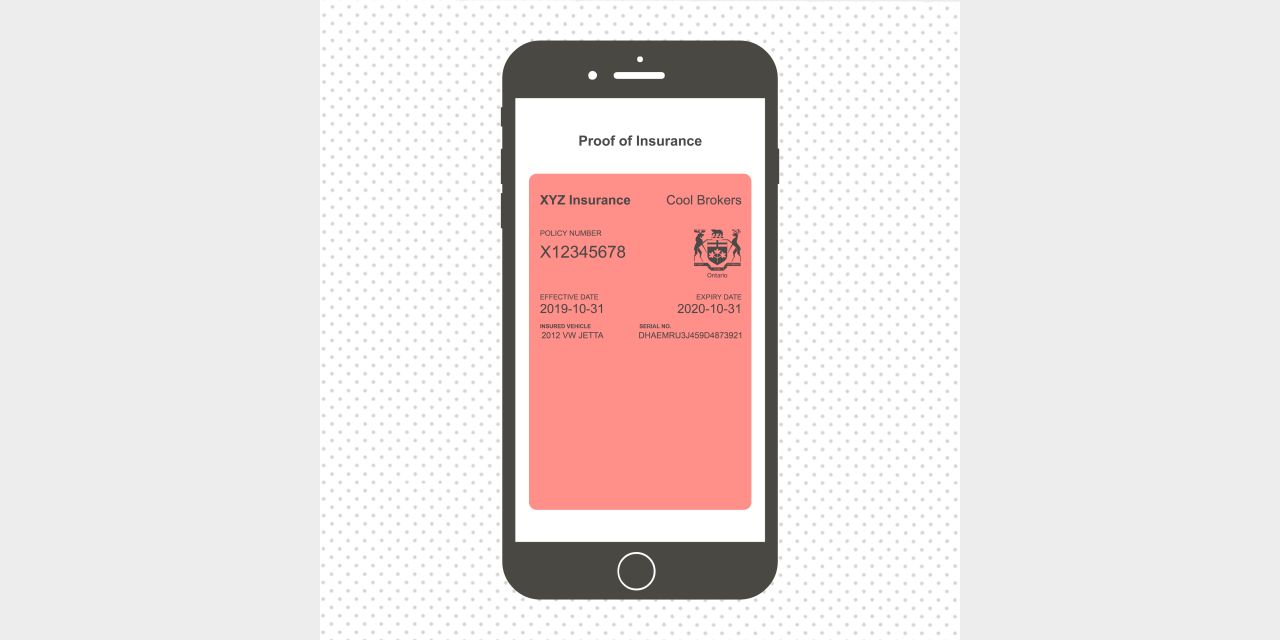
After receiving quotes, the next step is to carefully review the coverage details, limits, deductibles, and any exclusions in the policies offered. It is crucial to ensure the quote includes all mandatory Ontario coverages and to understand what optional coverages are included or available for addition. Once you select a provider, you will complete an application, which may involve a telematics enrollment if you opt for a usage-based insurance program. After the application is approved and the initial premium is paid, you will receive your insurance policy documents and a pink insurance card, which serves as proof of insurance and must be kept in your vehicle at all times. Finally, be aware of your policy renewal dates and review your coverage annually to ensure it still meets your needs, as circumstances and insurance offerings can change.
Common Mistakes to Avoid
Several common mistakes can lead to inadequate coverage or higher costs when purchasing insurance in Ontario. One major error is focusing solely on finding the lowest premium without understanding the coverage details, which can result in being underinsured. Another mistake is failing to disclose relevant information to the insurer, such as tickets, accidents, or how the vehicle is used, as this can lead to a denied claim or policy cancellation. Letting your insurance lapse, even for a short period, is a serious error as driving without insurance is illegal in Ontario and can result in fines, licence suspension, and significantly higher future premiums. Many drivers also overlook the potential savings from discounts they may qualify for, such as bundling home and auto insurance, installing anti-theft devices, or enrolling in a telematics program.
Not reviewing your policy at renewal time is another common oversight. Your needs may have changed, and you might be eligible for new discounts or could benefit from adjusting your coverage. Assuming all insurance companies are essentially the same is a mistake, as they differ in customer service, claims handling, and premium calculation, making it important to shop around. Finally, misunderstanding the no-fault insurance system can lead to frustration. Knowing that you must always deal with your own insurer after an accident, regardless of fault, sets correct expectations for the claims process. This understanding helps prevent confusion when dealing with the post-accident procedures mandated by Ontario law.
Frequently asked questions
What is the best car insurance company in Ontario?
There is no single best company for everyone, as the best insurer depends on individual factors like driving record, vehicle type, and location. The 2019 J.D. Power Canadian Auto Insurance Satisfaction study found The Co-Operators had the highest overall customer satisfaction in Ontario. However, other major providers like Intact Insurance, Aviva Canada, Allstate, and CAA Insurance also serve the market, with CAA ranking highly for trust and value. It is recommended to compare quotes from multiple companies to find the best fit for your specific circumstances.
What car insurance is mandatory in Ontario?
Ontario law mandates four core coverages in every auto insurance policy. Third Party Liability coverage protects you if you are liable for injuring someone or damaging property. Accident Benefits coverage provides support for medical and rehabilitation costs if you are injured. Direct Compensation-Property Damage coverage repairs or replaces your vehicle if you are not at fault in a collision. Uninsured Automobile coverage protects you against drivers without insurance. These mandatory components ensure basic financial protection under Ontario's no-fault insurance system.
How can I get cheaper car insurance in Ontario?
Several strategies can help lower premiums. Bundling your auto insurance with your home insurance from the same provider can lead to significant savings, with a national average savings of $1,172. Enrolling in a telematics program like Allstate's Drivewise can reward safe driving habits with discounts. Maintaining a clean driving record, opting for higher deductibles on optional coverages, and installing approved anti-theft devices can also reduce costs. Most importantly, compare quotes from multiple insurers, as premium calculations vary between companies.
What is no-fault insurance in Ontario?
Ontario operates under a no-fault auto insurance system. This means that after a car accident, regardless of who caused it, you make your claim for Accident Benefits and vehicle repair through your own insurance company. You do not typically deal directly with the other driver's insurer for these coverages. The system is designed to streamline claims and ensure prompt access to benefits without requiring a determination of fault, though fault is still assessed for other purposes like premium adjustments.
What optional car insurance coverages are available?
Many optional coverages allow you to customize your policy. You can choose to increase your standard Accident Benefits for medical, rehabilitation, and attendant care. Optional income replacement, caregiver, and housekeeping benefits are also available. Coverage for collision damage to your own vehicle, comprehensive coverage for perils like theft or fire, and endorsements like claim forgiveness or disappearing deductibles are common optional additions. Some coverages, like certain death benefits or funeral expenses, have also become optional under recent changes.
Should I bundle my home and auto insurance?
Bundling home and auto insurance with the same provider is a widely recommended way to save money. Insurers typically offer a multi-policy discount, which can be substantial. For example, Allstate advertises savings up to $2168 when combining auto and home policies. The national average savings from bundling is $1,172. Beyond cost savings, bundling can simplify your insurance management by having a single point of contact for both policies and potentially streamlining the claims process if both properties are affected by the same event.
Sources and further reading
- Intact Insurance: Canada's Largest P&C Insurer | Car & Home ... intact.ca
- Ontario Car Insurance Quotes Online allstate.ca
- The Best Car Insurance Companies in Canada ratehub.ca
- List of Best Insurance Companies in Ontario & Reviews mitchinsurance.com
- Car Insurance Ontario, Free Online Auto Insurance Quote rbcinsurance.com
This article explains how things work and is not financial, tax or legal advice. Rules, limits and rates change, so check the current figures with the Canada Revenue Agency, your province or your financial institution before you act.