Car insurance rates in Ontario vary significantly based on factors like your location, driving history, and age, with the average annual premium for 2025 being $2,318. This represents a decrease from previous years, making it a good time for drivers to review their coverage. Understanding the mandatory insurance requirements and the options for additional protection is crucial for financial security on the road. By comparing quotes from multiple providers, Ontario drivers can find a policy that offers the right balance of coverage and cost.
Understanding Ontario's Car Insurance Landscape
Car insurance in Ontario operates under a no-fault system, which means that after an accident, you make your claim through your own insurance company regardless of who caused the collision. This system is designed to streamline the claims process and reduce litigation. All drivers in the province are required by law to carry a minimum level of auto insurance to register a vehicle and obtain license plates. The insurance policy acts as a financial safety net, where the insurer compensates the policyholder for specific, unforeseen risks like accidents or damage. Your regular payments, known as premiums, go to an underwriter who guarantees a payout in the event of a covered loss.
The average annual car insurance premium in Ontario for 2025 is $2,318, according to recent data. This figure represents a decrease from a previously noted average of $2,653. It is important to recognize that this is an average, and individual premiums can be higher or lower based on a wide array of personal factors. Insurance is a legal contract that provides financial protection against unexpected losses in exchange for these premium payments. While living safely is ideal, insurance manages the financial burden of events beyond your control, such as theft, accidents, or injuries.
Mandatory Insurance Coverages in Ontario
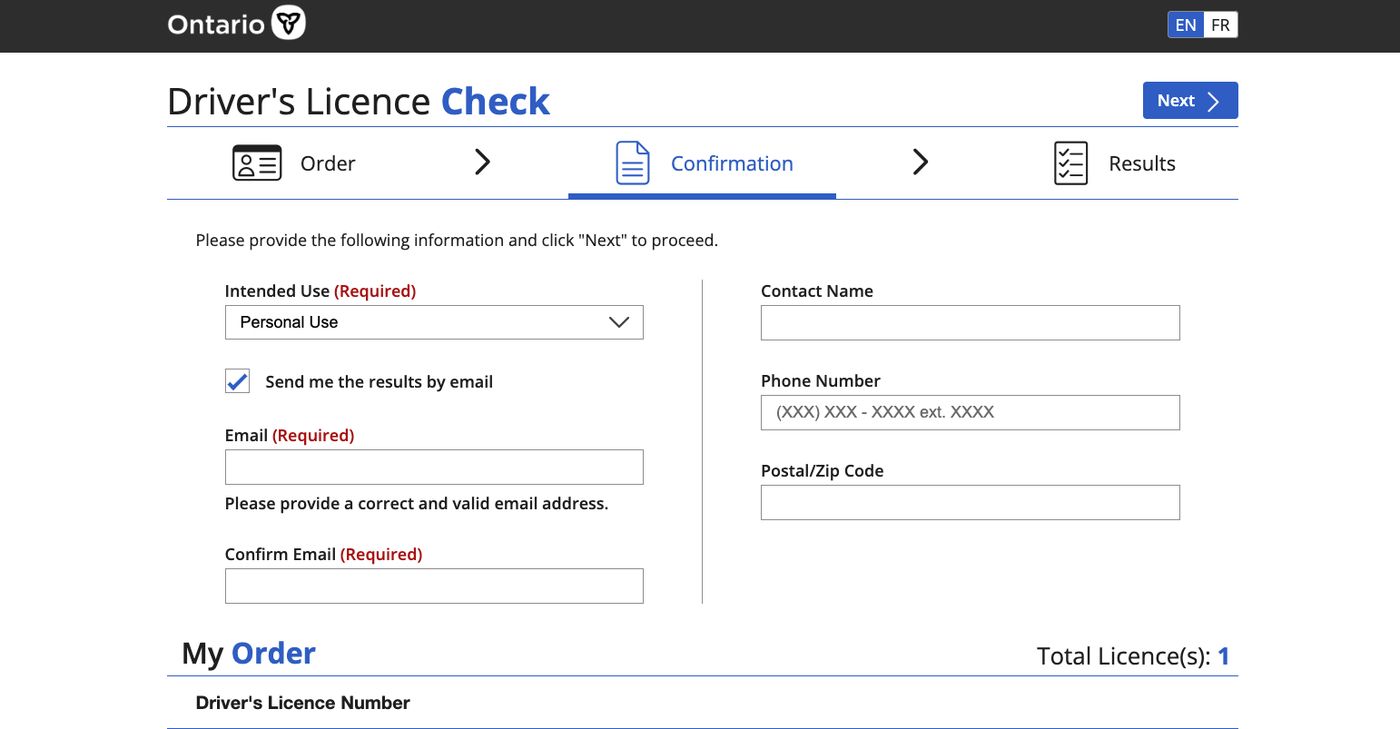
Ontario law mandates that every auto insurance policy includes four core coverages. You cannot legally drive without this minimum protection. Third-party liability coverage protects you financially if you are legally liable for injuring someone or damaging another person’s property while driving. Accident benefits provide financial support for medical treatment, rehabilitation, and attendant care if you are injured in a car accident, regardless of who is at fault. Direct compensation for property damage coverage will repair or replace your vehicle if you are involved in a collision in Ontario and are not at fault.
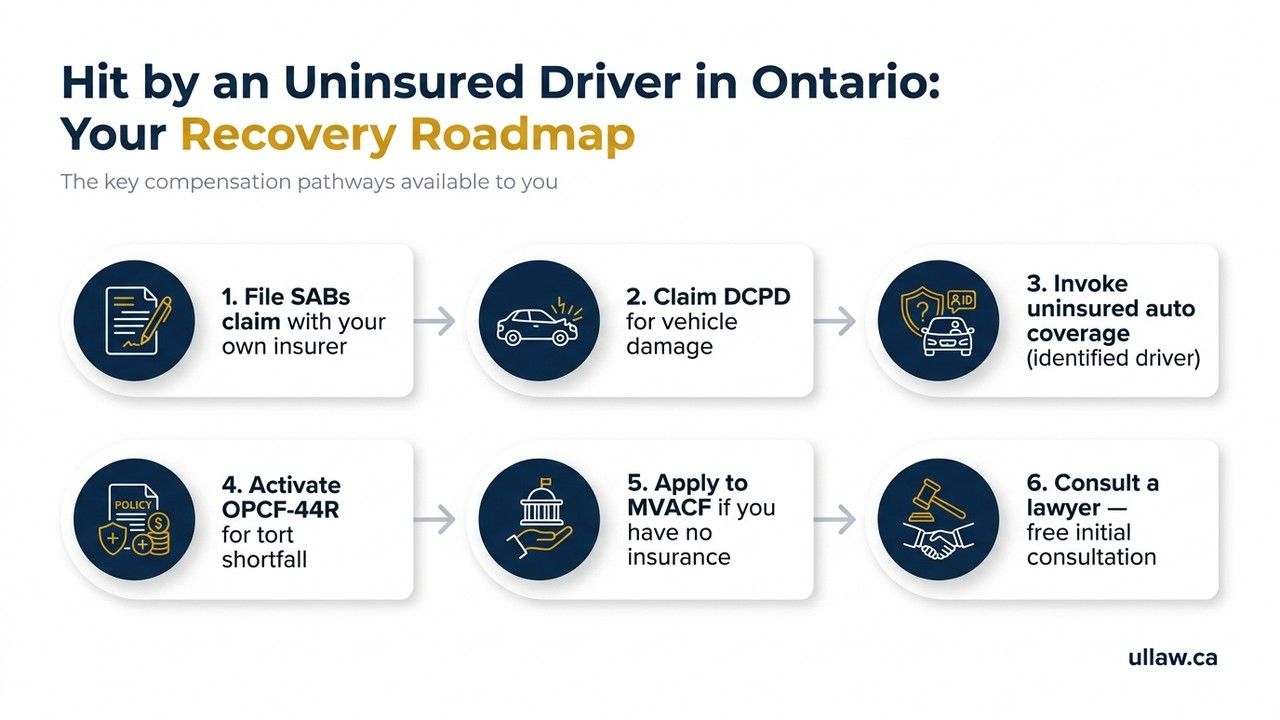
The final mandatory coverage is uninsured automobile coverage. This helps pay for repair costs if an at-fault driver is uninsured and provides benefits if you or your family are hurt or killed in an accident caused by an uninsured driver. These mandatory coverages ensure you are not left paying out of pocket for basic injuries or damage after a collision. Most drivers also choose to add optional coverages like collision, comprehensive, and various endorsements for more complete protection. It is crucial to understand that in Ontario, you cannot register a car and get license plates without insurance, with proof typically provided in the form of an insurance pink slip.
Factors That Determine Your Insurance Premium
Insurance companies calculate your car insurance premium by evaluating a variety of personal and vehicle-related factors. Your driving history, including any tickets or at-fault accidents, has a significant impact on your rate. Your age is another major factor, with younger drivers often paying more than double what senior drivers pay due to their relative lack of experience. The postal code where you live and primarily garage your vehicle affects your premium, as insurers assess risk based on local traffic density, theft rates, and accident statistics.
The type of vehicle you drive also influences your cost. Vehicles that are less expensive to repair or that have strong safety ratings typically cost less to insure. Other factors include your annual mileage, how you use your vehicle, and your claims history. Insurance companies have different risk appetites and target markets, meaning one insurer may offer a better rate for your specific profile than another. This variability makes shopping around with multiple providers essential to finding a competitive premium that matches your individual circumstances.
How to Shop for Car Insurance in Ontario
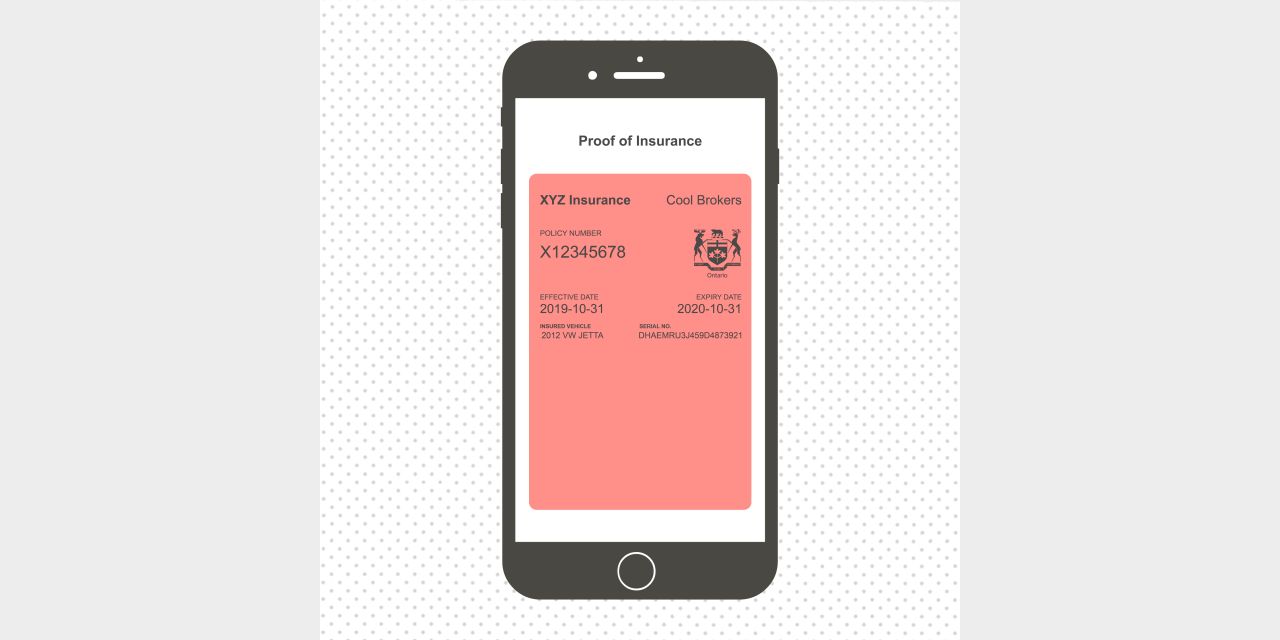
You can buy car insurance policies online in Canada, often completing a quote and purchase process in minutes from home. The process typically involves answering questions in an online form about your vehicle, driving history, and coverage needs, after which you can review quotes from multiple providers. A simple click on a provider will often connect you with a broker or agent to finalize the policy. The benefit of this method is the ability to personally review which providers offer you the best coverage at the lowest price. It is important to remember that with insurance, the best value is not always the lowest price, but the right level of coverage for your situation.
Another option is to work directly with an insurance broker. Brokers are specialists who operate independently from insurance companies and have access to products from multiple providers. They can provide unbiased professional advice and shop the market on your behalf to find a cost-effective solution. However, brokers are paid on commission, which can sometimes make rates through the broker channel more expensive than going direct. Some insurance companies, like Aviva, TD, Sonnet, or Manulife, sell their products directly to consumers. While they may offer a low rate, it is still important to compare to ensure you are getting the best overall value for the coverage you need.
- Get quotes online from multiple providers.
- Provide accurate information about your vehicle and driving history.
- Compare coverage levels, not just price.
- Consider working with an independent broker.
- Ask about available discounts and bundling options.
- Review the policy details and exclusions before purchasing.
Ways to Save on Your Car Insurance Premium
There are several strategies Ontario drivers can use to potentially lower their car insurance costs. Bundling your home and auto insurance policies with the same provider is a common way to save, with some companies advertising average savings of over $1,000. Many insurers offer telematics or usage-based insurance programs that reward safe driving habits with discounts. For example, Allstate's Drivewise program can offer savings up to 30% for smooth braking and safe speeds, while Aviva's Journey app can save drivers in Ontario up to 25% on premiums at renewal based on their driving score.
Maintaining a clean driving record free of tickets and at-fault accidents is one of the most effective ways to keep premiums low. You can also inquire about other discounts, such as those for alumni associations, professional groups, or for installing approved anti-theft devices. Some policies offer features like a disappearing deductible, which reduces your deductible amount for every consecutive year you go without a claim. It is always worthwhile to shop around and compare quotes regularly, especially at renewal time, as rates and risk appetites among insurers can change.
Comparing Insurance Providers and Markets
The Ontario car insurance market includes a mix of large national insurers, direct-to-consumer companies, and providers accessed through brokers. Intact Insurance is Canada's largest property and casualty insurer, protecting one in four Canadians. Other major providers active in Ontario include Aviva, TD Insurance, Allstate, and CAA. Analysis of over 4,000 new auto insurance policies showed that CAA was the top choice among drivers, selected by 18% of those surveyed. For drivers under the age of 40, Aviva was the most popular choice, with 13% of drivers selecting them.
Each company has a different target market and risk appetite, which is why premiums can vary so widely for the same driver. When comparing providers, it is useful to look at factors beyond price, such as customer service reviews, claims handling efficiency, and the specific product offerings. Some insurers may provide specialized coverages that others do not, such as extensive water protection or endorsements for unique use cases like ride-sharing. The best insurer for you depends on your individual demographics, driving profile, and coverage needs.
| Provider Type | Example Companies | Key Consideration |
|---|---|---|
| Large National Insurer | Intact, Aviva | Broad product range, extensive broker networks |
| Direct-to-Consumer | Sonnet, TD Direct | Potentially lower rates, online-focused service |
| Broker-Accessed | Various via RH Insurance | Unbiased advice, market comparison |
| Association-Based | CAA | Member discounts, popular choice in surveys |
Common Mistakes to Avoid When Buying Insurance
A common mistake is focusing solely on finding the cheapest premium without considering the adequacy of the coverage. A very low price might indicate insufficient limits or important exclusions that could leave you financially vulnerable after a claim. It is essential to understand what each part of your policy covers and what your deductibles are. Another error is providing inaccurate information on your application, whether about your driving history, how you use the vehicle, or where it is parked. Inaccuracies can lead to a claim being denied or your policy being cancelled.
Many drivers also fail to review their policy at renewal and simply accept the automatic renewal from their current insurer. Shopping around at each renewal is a best practice, as your circumstances or insurer pricing may have changed. Additionally, drivers sometimes overlook available discounts they may qualify for, such as bundling policies or enrolling in a telematics program. Finally, not understanding the claims process or your obligations after an accident can create complications. Knowing how to report a claim and what documentation is required will help ensure a smoother experience if you need to use your insurance.
Frequently asked questions
Should I use a broker or buy insurance directly?
Both options have merits. An independent broker can shop the market and provide unbiased advice from multiple insurers, though they work on commission. Buying directly from a company like TD or Sonnet may offer convenience and potentially lower rates, but it limits your comparison to a single provider's products. Comparing quotes through both channels is often wise.
What is the average cost of car insurance in Ontario?
According to 2025 data, the average annual car insurance premium in Ontario is $2,318. This figure is based on comprehensive market analysis. For context, other sources note an average rate of $2,653 annually, indicating a 4.5 percent decrease from the previous year. It is crucial to understand that this is a provincial average. Your personal premium will be calculated based on specific factors including your driving history, age, postal code, and the type of vehicle you drive.
What car insurance is mandatory in Ontario?
Ontario law mandates that all drivers carry four core insurance coverages. These are third party liability, accident benefits, direct compensation for property damage, and uninsured automobile coverage. This insurance is a legal requirement to register a vehicle and obtain license plates, with proof provided in the form of an insurance pink slip. Most drivers also choose to add optional coverages like collision and comprehensive for further protection. The mandatory system is designed to provide a financial safety net after a collision anywhere in the province.
Does Ontario charge tax on car insurance premiums?
No, the Ontario government does not charge harmonized sales tax on car insurance premiums. The premium amount you are quoted by an insurance provider is the total amount you pay, without any additional provincial sales tax added. This policy applies to all auto insurance policies sold within the province. It is one of the few financial products in Ontario that is exempt from this type of taxation.
How can I get cheaper car insurance in Ontario?
You can potentially secure cheaper car insurance by comparing quotes from multiple providers through online services. Bundling your home and auto insurance policies can lead to significant savings, with some companies advertising average savings of over $1,000. Maintaining a clean driving record is also critical for lower rates. Furthermore, enrolling in a telematics program that monitors safe driving habits can reward you with a discount, with some programs offering up to 30 percent savings at renewal based on your driving score.
What is no-fault insurance in Ontario?
Ontario operates under a no fault auto insurance system. This means that after a collision, you file a claim with your own insurance company for accident benefits and vehicle repairs, regardless of who was at fault for the accident. The system is intended to provide faster compensation to drivers and reduce the need for lengthy legal disputes to determine fault. Your mandatory accident benefits coverage is accessed through this process. It is a foundational component of the province's auto insurance framework.
Sources and further reading
- Compare Cheap Insurance Quotes in Canada ratehub.ca
- Car Insurance Ontario, Free Online Auto Insurance Quote rbcinsurance.com
- Ontario Car Insurance Quotes Online allstate.ca
- Intact Insurance: Canada's Largest P&C Insurer | Car & Home ... intact.ca
- Best Car Insurance Companies in Ontario 2025 mitchinsurance.com
This article explains how things work and is not financial, tax or legal advice. Rules, limits and rates change, so check the current figures with the Canada Revenue Agency, your province or your financial institution before you act.