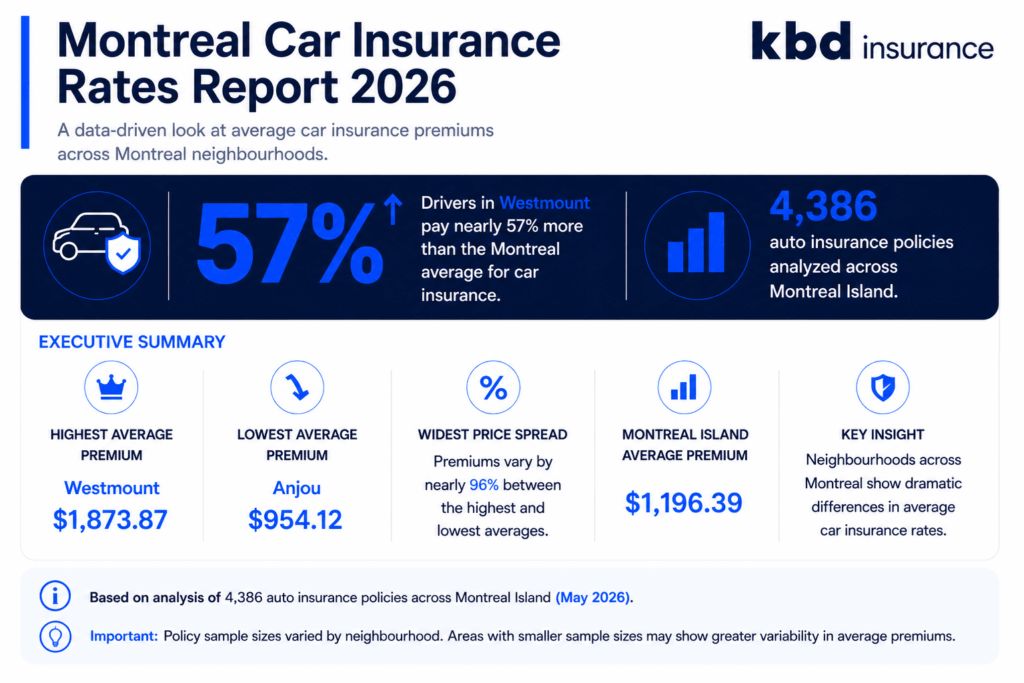
Car insurance rates in Canada vary significantly by province, with Ontario and Alberta having the highest average annual premiums at approximately $1,920 and $1,735 respectively, while Quebec remains the most affordable at around $900. These rates are determined by a combination of provincial insurance systems, local risk factors like auto theft and fraud, and individual driver profiles. All Canadian drivers are legally required to carry a policy that includes mandatory coverages such as third-party liability. Understanding the factors that influence your premium is essential for managing this necessary expense.
How Car Insurance Premiums Are Calculated
Insurance companies calculate your car insurance premium by assessing the risk you represent as a policyholder. This risk assessment is based on a specific set of factors that statistically correlate with the likelihood of filing a claim. Your driving record is a primary factor, as a history of accidents or traffic convictions signals higher risk. Your age and years of driving experience are also critical, with new and young drivers typically facing higher premiums due to their statistically higher accident involvement. Where you live within a province has a major impact, as urban areas with higher traffic density, accident rates, and auto theft generally command higher premiums than rural regions.
The vehicle you drive directly influences your rate, as insurers consider its safety ratings, repair costs, likelihood of theft, and overall value. How much you drive annually, measured in kilometres, affects your exposure to risk. The type and amount of coverage you select is another fundamental component, as opting for higher liability limits or adding comprehensive and collision coverage increases your premium. In provinces with private insurance, each company uses its own proprietary formula to weigh these factors, which is why quotes can vary significantly between providers for the same driver. The Insurance Bureau of Canada calculates provincial average premiums by dividing the total premiums collected by the total number of registered personal vehicles.
Provincial Breakdown of Insurance Systems and Rates
Canada does not have a single, unified car insurance system. Instead, each province and territory administers its own framework, which falls into one of two primary models: a competitive private market or a public monopoly. This structural choice is the most significant reason for the wide disparity in average premiums across the country. In provinces like Ontario, Alberta, and the Atlantic provinces, private insurance companies compete for business, allowing drivers to shop around for quotes. In contrast, British Columbia, Saskatchewan, and Manitoba operate public insurance through crown corporations, where the government entity is the sole provider of basic mandatory coverage, though private insurers may offer additional optional coverage.
The average annual premium is a useful benchmark, but it masks considerable variation within each province. For instance, while Ontario's average is around $1,920 per year, drivers in cities with high auto theft and accident rates, such as Brampton, Toronto, and Mississauga, often pay well above this average. Alberta's average of $1,735 follows a period of market volatility after a prior rate cap was lifted in 2019. Quebec's status as the most affordable province at roughly $900 per year is influenced by its unique no-fault system for bodily injury and a public auto insurance plan for certain coverages. The following table outlines the current estimated average annual premiums and system type for key provinces.
| Province | Estimated Average Annual Premium (2025) | Primary Insurance System |
|---|---|---|
| Ontario | $1,920 | Private Market |
| Alberta | $1,735 | Private Market |
| Quebec | $900 | Hybrid (Public/Private) |
These rates are estimates based on industry data and have increased significantly across most provinces since 2020. Various factors push premiums higher regardless of the system, including rising vehicle repair costs, increased frequency and severity of accident claims, and sophisticated auto theft rings. In private market provinces, the degree of competition and the profitability of insurers in that region also play a role in determining the overall price level for consumers. Car insurance is legally required in every province and territory in Canada. Ontario and Alberta now have the highest average car insurance rates in Canada.
Mandatory and Optional Insurance Coverages
By law, every driver in Canada must carry a minimum level of car insurance. The specific mandatory coverages are set by each province, but they generally share common core components designed to protect you, your passengers, and others on the road. Third-party liability coverage is the most fundamental requirement. It pays for injuries and property damage you cause to others, up to the policy limit. Accident benefits coverage provides compensation for medical treatment, income replacement, and other benefits if you or your passengers are injured in an accident, regardless of who is at fault. Direct compensation for property damage (DCPD) coverage, available in no-fault provinces, pays for repairs to your own vehicle and its contents if another driver is responsible for the collision. Uninsured automobile coverage protects you if you are hit by a driver who has no insurance or is a hit-and-run driver.
While these coverages form the legal minimum, most drivers choose to purchase additional optional protections. Collision coverage pays for damage to your own vehicle resulting from a collision with another object, such as another car or a guardrail, regardless of fault. Comprehensive coverage protects against damage from non-collision events like theft, vandalism, fire, falling objects, or weather. Many policies also offer various endorsements, which are add-ons that modify or extend coverage, such as waiver of depreciation for new vehicles or increased liability limits. The choice to add these coverages significantly affects your premium, as they increase the insurer's potential financial obligation. In Ontario, a major reform scheduled for July 1, 2026, will make many accident benefits optional, moving to an "à la carte" system that will further individualize policy costs based on selected coverage.
Key Factors Driving High Premiums in Specific Regions
Certain provinces experience disproportionately high car insurance rates due to a confluence of local risk factors and systemic issues. Ontario's position as the most expensive province is driven by several interconnected challenges. The high frequency of accident claims in densely populated urban corridors like the Greater Toronto Area is a primary cost driver. Furthermore, Ontario has extensive accident benefit entitlements, which increase the potential payout for injury claims. A significant and persistent issue is insurance fraud, which the Insurance Bureau of Canada estimates costs the province's system over $1 billion annually. This fraud includes staged collisions, exaggerated injury claims, and fraudulent repair billing, and its costs are ultimately distributed across all policyholders through higher premiums.
Auto theft has become a critical factor influencing premiums, particularly in specific municipalities. Cities like Brampton, Toronto, Mississauga, Vaughan, and Markham are among the most expensive for insurance in Ontario and are also hotspots for vehicle theft. A higher rate of theft claims leads to increased costs for comprehensive coverage for all drivers in those areas. In Alberta, market volatility has contributed to high rates. Following the lifting of a rate cap in 2019, premiums increased steeply. A subsequent rate pause in 2023 led to many insurers operating at a loss, and several private companies withdrew from the Alberta market between late 2023 and early 2025. These market exits reduce competition and can contribute to sustained higher prices. There is some indication of moderating pressure in Ontario, as data from the Équité Association showed a 26% drop in auto theft in the first half of 2025 compared to the prior year.
How to Shop for Car Insurance in Canada
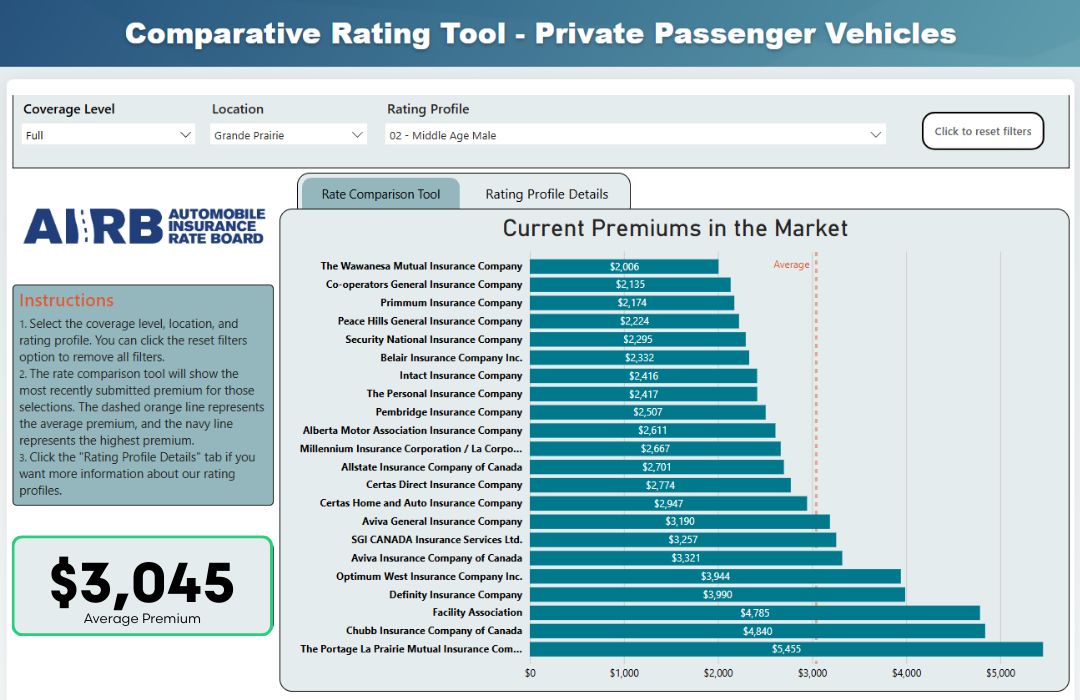
For drivers in provinces with a private insurance market, shopping around is one of the most effective ways to ensure you are getting a competitive rate. The process involves comparing quotes from multiple providers based on your specific driver profile and coverage needs. You can initiate this process online through insurance comparison websites or by contacting individual companies or brokers directly. When using an online platform, you will typically need to answer questions about your driving history, vehicle details, and coverage preferences in a web form. The platform then presents quotes from various insurers, allowing you to review the price and coverage details side by side. Last year, drivers who shopped for insurance through the Rates.ca platform paid 30% less on average, illustrating the potential savings from comparison.
You have the option to purchase insurance through different channels, each with its own characteristics. Insurance brokers are licensed professionals who act as intermediaries, representing multiple insurance companies. They can shop the market on your behalf, provide advice, and help you find a policy that matches your needs. Brokers are paid on commission by the insurers. Alternatively, you can buy directly from insurance companies that sell to consumers, such as Intact, Aviva, TD, Sonnet, or Manulife. Direct insurers employ agents who are experts in their own company's products. A third option is to use online insurance providers that offer a fully digital quoting and purchase process. Regardless of the channel, the key is to provide accurate and consistent information to each source to ensure the quotes are comparable. It is also important to review the policy details beyond the price, as coverage exclusions or limits can differ.
- Use online comparison websites to get multiple quotes quickly.
- Provide identical, accurate information to each insurer for comparable quotes.
- Consider using an independent broker who can access multiple insurance markets.
- Contact direct insurers like Intact, Aviva, or TD for their proprietary quotes.
- Review the coverage details and exclusions, not just the premium price.
- Ask about available discounts for bundling, safe driving, or membership affiliations.
When evaluating quotes, the cheapest premium is not always the best value if it comes with inadequate coverage or poor claims service. Some insurers may offer specific products or discounts that others do not, such as extensive water protection endorsements or alumni association discounts. It is advisable to research a company's reputation for customer service and claims handling. For drivers in provinces with public insurance, the process is different, as the basic mandatory coverage is obtained from the crown corporation, though you may still shop for optional add-on coverages from private insurers if permitted.
Common Discounts and Ways to Influence Your Rate
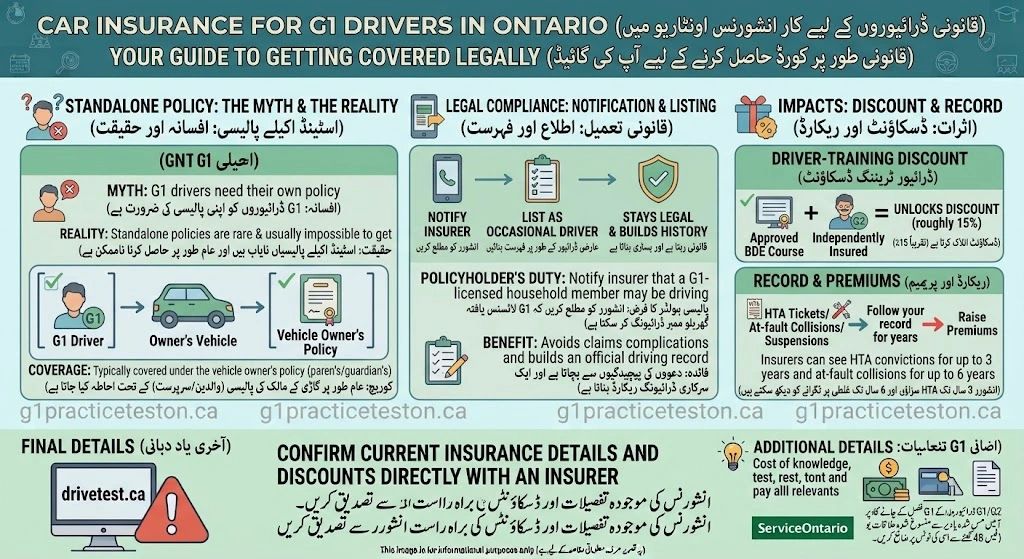
While many rating factors are outside your immediate control, there are several actions you can take to potentially lower your car insurance premium. Insurance companies offer a variety of discounts for which you may qualify. Bundling your auto insurance with another policy, such as home insurance, is one of the most common and substantial discounts, with Allstate reporting an average savings of $1050 for customers who bundle. Maintaining a clean driving record free of accidents and convictions is crucial, as it demonstrates low risk to insurers. Some companies offer discounts for completing accredited driver training courses, which is particularly beneficial for new drivers. Affiliation discounts may be available through alumni associations, professional organizations, or membership groups like CAA.
Your vehicle choice has a direct financial impact. Insuring a vehicle with high safety ratings, low repair costs, and a low historical theft rate will generally result in a lower premium than insuring a high-performance or luxury vehicle. Installing approved anti-theft devices can qualify you for a discount on the comprehensive portion of your policy. If your insurer offers a usage-based insurance program, such as Intact's my Drive, you may be able to save money by allowing them to monitor your driving habits like speed, braking, and distance driven. Paying your annual premium in full upfront, rather than in monthly instalments, can sometimes avoid administrative fees. Finally, regularly reviewing your policy and coverage limits with your broker or insurer ensures you are not paying for unnecessary coverage and are taking advantage of all applicable discounts. It is important to note that discount availability and amounts vary by insurer and province.
Frequently asked questions
What is the average cost of car insurance in Canada?
The average cost varies dramatically by province. As of recent estimates, Ontario has the highest average annual premium at approximately $1,920, followed by Alberta at around $1,735. Quebec is the most affordable province, with an average of roughly $900 per year. These are provincial averages, and individual rates depend on factors like driving record, location, vehicle, and coverage choices.
Why is car insurance so expensive in Ontario?
Several factors drive high premiums in Ontario. These include a high frequency of accident claims in urban areas, extensive accident benefit entitlements, and rampant insurance fraud which costs the system over $1 billion annually. Auto theft, particularly in cities like Brampton, Toronto, and Mississauga, also significantly increases comprehensive coverage costs. Ontario uses a private insurance market, so shopping around is essential.
What is the cheapest province for car insurance?
Quebec is consistently the most affordable province for car insurance in Canada, with an average annual premium of approximately $900. This is influenced by its hybrid insurance system, which includes a public plan for certain coverages and a unique no-fault system for bodily injury claims. In contrast, provinces with fully private markets like Ontario and Alberta have the highest average rates. Ontario drivers pay around $1,920 per year and Alberta drivers pay close behind at $1,735 per year.
How can I lower my car insurance premium?
You can potentially lower your premium by shopping around and comparing quotes, as drivers who shopped through Rates.ca paid 30% less on average. Bundling auto and home insurance can lead to significant savings. Maintaining a clean driving record, choosing a vehicle with low theft and repair costs, and asking about discounts for driver training, affiliations, or anti-theft devices are all effective strategies. Usage-based insurance programs may also offer savings.
What is the difference between public and private car insurance?
In public insurance provinces like British Columbia, Saskatchewan, and Manitoba, a government-owned crown corporation is the sole provider of basic mandatory auto insurance coverage. In private insurance provinces like Ontario and Alberta, multiple private companies compete for your business. Public systems often have standardized rates, while private markets allow for more price variation and choice, which can lead to higher average premiums in some cases. Whether you are in a province with public insurance or private insurance, various factors are pushing premiums higher across the board.
What coverage is legally required for Canadian drivers?
All Canadian drivers must carry a policy that includes mandatory coverages as defined by their province. These universally include third-party liability coverage for injuries and damage you cause to others. Other common mandatory coverages are accident benefits (for your own medical costs), direct compensation for property damage (for your vehicle if not at fault), and uninsured automobile coverage. Each province sets its own minimum required limits for this coverage.
Sources and further reading
- Compare Cheap Insurance Quotes in Canada ratehub.ca
- Intact Insurance: Canada's Largest P&C Insurer | Car & Home ... intact.ca
- Car Insurance: Get An Auto Insurance Quote allstate.ca
- What's the Average Car Insurance Cost for Canadians by ... canadadrives.ca
This article explains how things work and is not financial, tax or legal advice. Rules, limits and rates change, so check the current figures with the Canada Revenue Agency, your province or your financial institution before you act.