In Ontario, the best car insurance company depends on individual circumstances, as different providers excel in areas like price, customer service, and specialized coverage. Major insurers such as Intact, Aviva, and CAA serve the standard market, while companies like Jevco and Coachman specialize in high-risk drivers. Evaluating insurers involves considering factors like company size, customer satisfaction ratings, and specific policy offerings to find the right fit for your driving profile and vehicle. Understanding the mandatory coverage required by law and the optional protections available is also essential for making an informed choice.
How to Evaluate an Ontario Car Insurance Company
Determining the best car insurance company requires looking at multiple factors beyond just the premium quote. The size of an insurer can indicate financial stability and resources for paying claims, with larger companies like Intact having extensive broker networks and protecting one in four Canadians. Customer satisfaction surveys, such as the J.D. Power Canadian Auto Insurance Satisfaction study, provide one measure of service quality, with The Co-Operators ranking highest in Ontario in the 2019 survey. Online reviews can offer insights but are often skewed towards negative experiences and may reflect common industry frustrations rather than company-specific failures, as seen with critical reviews of Intact and Aviva. A more balanced approach involves considering a company's product offerings, claims service reputation, and rate stability, which refers to how predictable and consistent premium increases are over time.
Insurance companies have different risk appetites, meaning they target specific driver profiles. A provider that offers excellent rates for a senior driver with a clean record may not be the best option for a young driver or someone with a modified vehicle. This is why working with an insurance broker can be advantageous, as they can assess your unique situation and match you with a carrier whose target market aligns with your profile. Brokers have access to multiple insurance companies and can obtain quotes from standard, specialty, and high-risk markets to find suitable coverage. The best insurer for you effectively balances an affordable price with the specific protections and service standards you require, which is not always the company with the lowest cost.
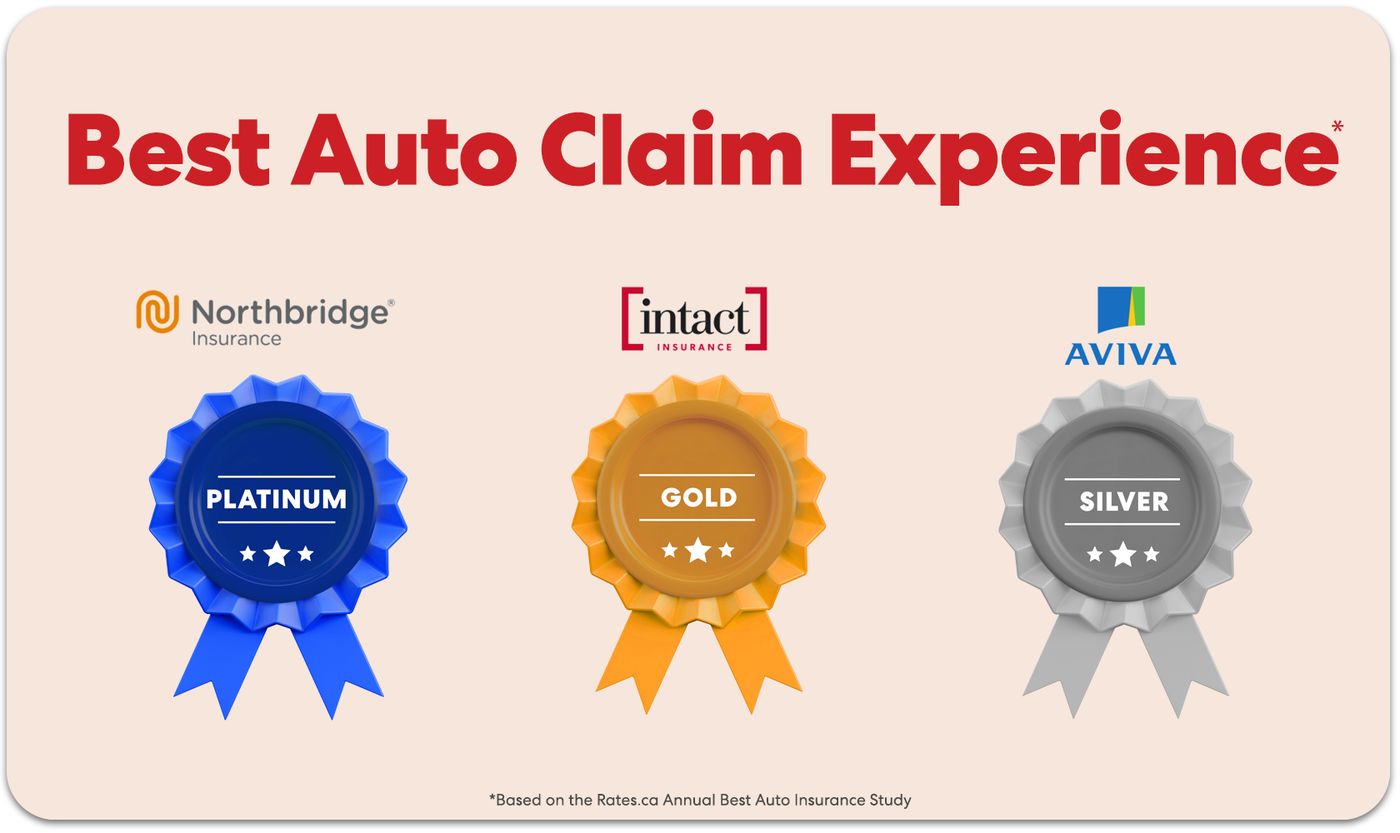
Third-party data and awards can also inform an evaluation. The consumer insights company J.D. Power's study gives more weight to product offerings, price, billing, and non-claims interaction than the claims process. CAA Insurance Company has ranked as the top insurer for three years in metrics including Most Trustworthy and Best Product & Value. MyChoice uses a proprietary scoring model with seven criteria including price, available coverage, customer and claims service, rate stability, discounts, and industry recognition to assess companies. These external assessments, combined with personalized quoting, help build a complete picture of an insurer's performance.
Major Insurance Providers and Market Segments
Ontario's car insurance market is segmented into standard, specialty, and high-risk providers, each serving different driver needs. Standard market companies insure drivers with typical records, common vehicles used for pleasure or commuting, and no more than three at-fault accidents or tickets. This segment includes many of the largest and most well-known insurers such as Intact, Aviva Canada, CAA Insurance Company, Travelers, Wawanesa, Pembridge, SGI Canada, Commonwell Mutual, and Zenith Insurance. These companies often offer property insurance as well, allowing for potential savings through bundling home and auto policies together. A 2025 analysis of over 4,000 new policies showed CAA was the top choice overall, selected by 18 percent of drivers, while Aviva was the most popular among drivers under the age of 40, chosen by 13 percent of that demographic.
Specialty insurance companies focus on niches outside the standard market. For owners of collectible or classic cars, companies like Hagerty provide coverage for agreed-value policies and limited driving, catering to vehicles that are not used for daily commuting. The high-risk auto insurance market serves drivers who do not qualify for standard coverage due to a poor driving history, multiple convictions, or a non-standard vehicle like a right-hand-drive or heavily modified car. Insurers specializing in this area include Coachman, Echelon, Jevco, Pafco, and the Facility Association, which is a provider of last resort. High-risk carriers typically only offer auto insurance, so bundling with home insurance is usually not an option, though a broker can place the policies with different companies through the same brokerage to maintain a single point of contact.
Each market segment has distinct characteristics. Standard market insurers usually have broader product lines, including home insurance, and may offer more discounts. Specialty insurers provide expertise and tailored coverage for unique assets. High-risk insurers focus exclusively on auto coverage for drivers who have been declined elsewhere, often at higher premium levels. Understanding which segment you fall into is the first step in narrowing down the list of potential companies. A driver with a clean record and a common vehicle will have access to all standard market insurers, while someone with a DUI conviction or a salvage-title vehicle will need to focus on the high-risk market.
Price Comparisons and Customer Satisfaction Analysis
The relationship between price and customer satisfaction is complex, as a higher premium does not always guarantee better service. Analysis by Ratehub.ca using a profile of a fictional 41-year-old driver named Jennifer with a clean record, a 2020 Toyota RAV4, and 20,000 km annual driving found that in most regions, the second or third-highest rated insurer for satisfaction offered a significant discount compared to the top-rated company. This creates a price-satisfaction index where consumers can evaluate the value of each customer satisfaction point per dollar spent, calculated as Customer Satisfaction Rating divided by Quote multiplied by 100. In Ontario, The Co-Operators achieved the highest customer satisfaction rating in the 2019 J.D. Power study, but other highly-rated insurers may offer more competitive premiums for individual profiles, meaning the best value is not always the top scorer.
Insurance premiums are highly personalized, so the cheapest company varies from driver to driver based on location, vehicle, driving history, and coverage selections. Online comparison tools from platforms like rates.ca, Ratehub.ca, LowestRates.ca, and MyChoice allow drivers to input their details and receive multiple quotes quickly from over 50 Canadian insurance providers. It is important to note that insurers regularly file for rate changes with the Financial Services Regulatory Authority of Ontario. For 2026, several companies, including The Personal, Co-operators, Aviva General, Allstate, Pembridge, and Economical, have FSRA-approved filings that include rate decreases, which can influence which provider offers the best price in a given year. These approved rate changes mean the market leader in affordability can shift annually.
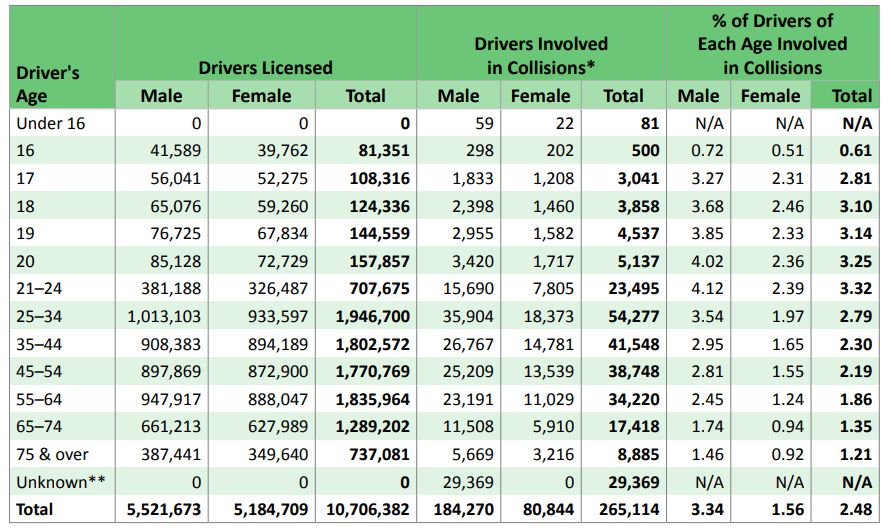
Young drivers often pay more than double what senior drivers pay for car insurance, making shopping for the best rate particularly critical for this demographic. The average premium is greatly impacted by the age of drivers on the policy. When comparing quotes, it is essential to ensure the coverage levels are identical, as a lower quote might reflect reduced liability limits or the removal of important optional coverages. A good broker will help find the best fit in terms of coverage, protection needs, ratings, and service, not just the lowest price. The goal is to find affordable coverage that balances price with adequate protection for your specific risks and assets.
Discounts and Specialized Insurance Programs
Many insurers offer discounts and specialized programs that can lower premiums or provide additional benefits. Common discounts include those for bundling auto and home policies, being a member of an organization like CAA, or having a clean driving record. Usage-based insurance programs, which use telematics to monitor driving habits, can also lead to savings for low-mileage or safe drivers. Examples of these programs include Belairdirect's Automerit, Allstate's Drivewise, Aviva's Journey, and Desjardins' Ajusto. Some companies, like Wawanesa and Gore Mutual, offer telematics-based rewards programs that provide gift cards and other incentives instead of direct premium discounts. PC Insurance allows policyholders to collect PC Optimum points through its insurance program, adding a loyalty component.
- Bundling and Multi-Policy Discounts: Available from companies like Co-operators, Desjardins, and Belairdirect.
- Student and Young Driver Savings: Offered by Desjardins, which includes the Ajusto program.
- Green Vehicle Discounts: Desjardins provides a discount for eco-friendly vehicles, while Aviva has specific offerings for electric vehicles including the InsureMyTesla program.
- Rideshare Coverage: Economical provides the insurance for Uber drivers in Ontario, and Aviva offers coverage for Lyft drivers. Co-operators and Belairdirect may also offer rideshare options.
- Brokerage Comparison: Brokerages like Billyard Insurance Group or Surex can help new drivers compare several insurers at once to find discounts.
- High-Risk Specialists: Jevco and Coachman are geared toward higher-risk drivers and are usually accessible through brokers.
For drivers with specific needs, such as those who drive for a rideshare company or own an electric vehicle, identifying an insurer with relevant programs is a key part of the selection process. These specialized offerings mean the best insurer for one driver may not be suitable for another, reinforcing the need for personalized comparisons. A driver who logs few kilometres annually may benefit significantly from a usage-based insurance program, while a family with multiple cars and a home might find the greatest savings in a bundling discount. Exploring all available discounts for which you are eligible is a practical step in reducing your overall insurance costs.
The Role of Brokers Versus Buying Direct
Ontario drivers can purchase insurance either directly from a company or through an independent insurance broker. Both channels have distinct advantages. Buying direct from companies like Belairdirect or TD Insurance can be straightforward if you know exactly the coverage you want and prefer to manage your policy independently. Direct writers control their own underwriting and pricing, and they interact with customers without an intermediary. Companies like Intact offer online quotes for property and liability and have mobile apps for managing policies and submitting claims. The direct model can be efficient for drivers with standard profiles who are comfortable with digital tools and do not require extensive advice.
In contrast, insurance brokers, such as those at Billyard Insurance Group or Surex, act as intermediaries who shop the market on your behalf. They have relationships with multiple insurance companies, including standard, specialty, and high-risk markets, which allows them to compare a wide range of quotes and coverages from partners like Aviva, Intact, Economical, Travelers, and Wawanesa. Brokers can provide advice and help you understand complex policy details, and they often assist throughout the claims process. They are paid a commission by the insurance company, not directly by the customer. A broker's service is particularly valuable for drivers with non-standard situations, those seeking the best possible rate through broad comparison, or anyone who wants a professional to handle the intricacies of insurance placement.
There is no universal best option between using a broker or buying direct. The better choice depends on your comfort level, the complexity of your insurance needs, and your desire for personalized service. For drivers with non-standard profiles or those who want to compare many options efficiently, a broker can save time and potentially find better coverage matches. Brokers do not file rates themselves, so their value lies in market access and service rather than influencing pricing. Ultimately, whether you choose a broker or a direct writer, the goal is to secure appropriate coverage from a reputable company at a competitive price, with a service model that suits your preferences.
Mandatory and Optional Coverage in Ontario
All car insurance policies in Ontario must include a standard set of mandatory coverages as defined by provincial law. Third-party liability coverage is required to protect you if you are legally responsible for injuring someone or damaging their property, with minimum limits set by regulation. All policies must also include accident benefits coverage, which provides medical, rehabilitation, attendant care, and income replacement benefits if you are injured in an auto accident, regardless of who is at fault. Direct compensation property damage coverage is another mandatory component that covers damage to your vehicle and its contents when another driver is at fault and insured, and it can only be removed at the policyholder's request. Uninsured automobile coverage is also compulsory, protecting you if you are injured or your vehicle is damaged by an identified uninsured or hit-and-run driver.
Beyond these mandatory elements, drivers can purchase numerous optional coverages to enhance their protection. Common optional additions include collision coverage, which pays for damage to your vehicle from an accident regardless of fault, and comprehensive coverage, which protects against non-collision perils like theft, fire, vandalism, or falling objects. Drivers can also increase their third-party liability limits above the minimum, purchase endorsements for loss of use or rental car coverage, add specified perils coverage, or opt for increased accident benefits. Some insurers offer lifetime guarantees on repairs made through their approved vendor networks, which is an optional benefit. Understanding the difference between mandatory and optional coverages is essential for building a policy that provides adequate financial protection without unnecessary cost.
The mandatory coverage framework ensures a baseline of protection for all drivers on the road. Accident benefits, for example, provide financial support for medical treatment and rehabilitation regardless of fault, which is a key feature of Ontario's no-fault insurance system. Direct compensation property damage streamlines the process when you are not at fault by allowing you to claim directly from your own insurer. When selecting optional coverages, consider factors like the value of your vehicle, your financial ability to absorb a loss, and your risk tolerance. A broker or insurance advisor can explain the details of each coverage type and help you decide which optional protections are worthwhile for your situation.
Industry Ratings and Common Consumer Mistakes
When researching car insurance companies, consumers often consult industry ratings and online reviews, but these sources must be interpreted carefully. The J.D. Power satisfaction study is a recognized third-party assessment, but its most recent Canadian auto insurance data is from 2019. Google reviews for major insurers like Intact and Aviva contain many one-star complaints, but these often describe situations common to the industry, such as repair delays or deductible payments, rather than unique company failures. MyChoice considers verifiable awards from 2024 to 2026 in its assessments, requiring a legitimate third-party and identified recipient. CAA's consistent top rankings in categories like Most Trustworthy and Best Product & Value over three years is one example of a verifiable performance record.
Common mistakes include choosing a policy based solely on the lowest price without comparing coverage details, which can lead to inadequate protection. Another error is relying too heavily on negative online reviews without understanding the context or frequency of the complained-about issues. Consumers sometimes also fail to inquire about all available discounts for which they may be eligible, such as bundling, membership, or telematics programs. Overlooking the importance of a company's claims service reputation and financial stability is another pitfall, as a cheap premium is of little value if the insurer is difficult to deal with during a claim. It is also a mistake to not regularly shop around, as insurer risk appetites and approved rates change, and the best company for you one year may not be the best the next.
To avoid these mistakes, use a structured approach. Compare quotes with identical coverage levels from multiple sources, including both direct writers and brokers. Look beyond price to factors like the company's size, its history of rate stability, and its specialty areas. Ask specific questions about claims processes, such as average call answer times, Intact, for example, answers claims calls in 20 seconds. Discuss your complete profile with a broker to ensure no suitable market is overlooked. Finally, review your policy and shop for quotes periodically, especially when your circumstances change or when major insurers file for new FSRA-approved rate changes, as occurred with several companies for 2026.
Frequently asked questions
Which car insurance company has the best customer service in Ontario?
According to the 2019 J.D. Power Canadian Auto Insurance Satisfaction study, The Co-Operators ranked highest for customer satisfaction in Ontario. CAA Insurance Company has also ranked as the top insurer for three years in metrics including Most Trustworthy and Best Product & Value. It is important to note that customer service experiences can vary, and other highly-rated insurers may also provide excellent service. Evaluating a company should also include factors like claims handling and ease of communication, which can be gleaned from broker advice and multiple review sources.
How can I get the cheapest car insurance quote in Ontario?
The cheapest insurance company varies for each driver based on personal factors like age, location, vehicle type, driving history, and coverage choices. To find the best rate, you should compare quotes from multiple providers using online comparison tools like rates.ca, Ratehub.ca, LowestRates.ca, or MyChoice, which can provide quotes from over 50 providers. Taking advantage of available discounts, such as for bundling policies, using a telematics program, or being a member of an association like CAA, can also help reduce your premium. Working with a broker can provide access to a wider market, including insurers with specialized risk appetites that might offer you a lower rate.
What is the difference between standard and high-risk car insurance?
Standard market insurance is for drivers with typical driving records and common vehicles used for pleasure or commuting, generally with no more than three at-fault accidents or tickets. High-risk auto insurance is for drivers who do not qualify for standard coverage due to a poor driving history, multiple convictions, a non-standard vehicle, or other factors. High-risk insurers include companies like Jevco, Coachman, Echelon, Pafco, and the Facility Association, and premiums in this market are typically higher. High-risk carriers usually only offer auto insurance, unlike many standard insurers that also provide home insurance.
Should I use an insurance broker or buy direct from a company?
The choice depends on your needs. Buying direct from a company like Belairdirect or TD can be efficient if you know what coverage you want and prefer a direct relationship. An insurance broker can shop the market with multiple companies, provide advice on coverage, and assist during the claims process, which is beneficial if you have a complex profile or want to compare many options. There is no inherently better option. Both are valid ways to purchase insurance in Ontario. A broker's service is free to you as they are compensated by the insurance company.
Are there car insurance discounts for electric vehicles?
Yes, some insurers offer discounts or specialized programs for electric and hybrid vehicles. Desjardins provides a discount for green vehicles, and Aviva Canada has specific EV offerings, including a program called InsureMyTesla for Tesla owners. Other insurers may also offer EV-specific coverage and savings, so it is advisable to inquire directly with insurers or your broker about available eco-friendly vehicle discounts when shopping for a quote. These programs recognize the different risk profiles and repair costs associated with electric vehicles.
Which insurance companies offer rideshare coverage in Ontario?
Rideshare coverage for drivers working with platforms like Uber or Lyft is offered by specific insurers. Economical provides the insurance for Uber drivers in Ontario. Aviva Canada offers rideshare insurance coverage for drivers working with Lyft. Depending on the driver's circumstances, Co-operators and Belairdirect may also offer rideshare insurance options. If you drive for a rideshare service, you must inform your insurer and obtain appropriate coverage, as a standard personal auto policy typically does not cover commercial ride-hailing activities.
Sources and further reading
- Intact Insurance: Canada's Largest P&C Insurer | Car & Home ... intact.ca
- The Best Car Insurance Companies in Canada ratehub.ca
- Best Car Insurance Companies in Ontario 2025 mitchinsurance.com
- Top 15 Car Insurance Providers in Ontario in 2026 - MyChoice mychoice.ca
- Car Insurance Ontario, Free Online Auto Insurance Quote rbcinsurance.com
This article explains how things work and is not financial, tax or legal advice. Rules, limits and rates change, so check the current figures with the Canada Revenue Agency, your province or your financial institution before you act.