The Quebec Pension Plan is a compulsory public insurance plan for workers in Quebec. It provides basic financial protection for retirement, death, or disability. The plan was established in 1966 as Quebec's counterpart to the federal Canada Pension Plan. It is funded by contributions from employees and employers. The plan is managed by Retraite Québec. It offers pensions and benefits based on lifetime contributions.
What is the Quebec Pension Plan?
The Quebec Pension Plan is a compulsory public insurance plan for workers aged 18 and over whose annual employment income exceeds $3,500. Its purpose is to provide persons who have worked in Quebec and their families with basic financial protection in the event of retirement, death, or disability. The QPP is Quebec's version of the Canada Pension Plan, as Quebec is the only province that opted out of the CPP upon its formation in 1965. The plan is administered by Retraite Québec, while the investment of its assets is managed by the Caisse de dépôt et placement du Québec. The QPP is composed of two parts, a base plan and an additional plan created in 2019 to provide higher pensions. Contributions are mandatory for eligible workers and are split evenly between employees and their employers, with self-employed workers paying both shares.
History and Relationship to the Canada Pension Plan
The Quebec Pension Plan came into effect in 1966, one year after the Canada Pension Plan was established by the federal government. The CPP legislation allowed provinces to withdraw from the federal plan if they established a comparable program. Quebec chose to exercise this option and created its own comprehensive pension plan. This decision was rooted in the constitutional sharing of pension authority between federal and provincial governments. The QPP was designed to be similar to the CPP in its core objectives and benefit structure, providing retirement, disability, and survivors' benefits. Over the decades, both plans have undergone reforms to address demographic changes and ensure long term sustainability. A key enhancement occurred in 2019 with the creation of the QPP additional plan, mirroring the CPP enhancement that began the same year to increase retirement income replacement rates.
How Contributions Work
Contributions to the Quebec Pension Plan are required from all workers in Quebec who are 18 or older and have employment income exceeding the annual general exemption of $3,500. The contributions fund both the base plan and the additional plan. For the base plan in 2026, the total contribution rate is 10.6 percent of pensionable earnings. This is split evenly, with the employee paying 5.3 percent and the employer matching with another 5.3 percent. These rates apply to earnings between $3,500 and the maximum pensionable earnings, which is $74,600 in 2026. Self employed workers must pay both the employee and employer portions, for a total of 10.6 percent. The additional plan, designed to provide higher future benefits, has its own contribution structure.
For the additional plan in 2026, a contribution rate of 2 percent applies to earnings between $3,500 and $74,600. The employee and employer each pay 1 percent. For earnings between $74,600 and the additional maximum pensionable earnings of $85,000, a higher contribution rate of 8 percent applies, with the employee and employer each paying 4 percent. All contributions are collected by Revenu Québec through payroll deductions and income tax filings. There are annual maximum contribution limits. A worker will cease to contribute to the QPP as of January 1 of the year in which they reach age 73, and workers are allowed to choose to cease contributing as of age 65 if they continue to work and withdraw their retirement pension.
- The general annual exemption is $3,500.
- The 2026 maximum pensionable earnings for the base plan is $74,600.
- The 2026 additional maximum pensionable earnings is $85,000.
- The base plan contribution rate for 2026 is 10.6% (5.3% employee, 5.3% employer).
- The additional plan rate for 2026 is 2% on earnings up to $74,600 (1% each).
- The additional plan rate for 2026 is 8% on earnings between $74,600 and $85,000 (4% each).
- Self employed workers pay the full combined rate.
- Contributions stop at age 73, with an option to stop at 65 if receiving a pension.
Benefits Provided by the QPP
The Quebec Pension Plan provides several types of pensions and benefits to contributors and their families. The primary benefit is a monthly retirement pension, calculated based on a contributor's average earnings over their working life. The QPP also provides a disability pension for eligible workers under 65 who become severely and prolonged disabled. Survivor benefits include a pension for the spouse or common law partner of a deceased contributor, as well as benefits for dependent children. If you contributed to the Canada Pension Plan, Retraite Québec takes those contributions into account when determining eligibility and calculating the amount of your QPP benefit. This integration ensures that work history across Canada is recognized.
The retirement pension is income that replaces part of your employment earnings. It is calculated based on the contributions you made to the plan throughout your working life and the age at which you choose to start receiving it. The normal age to receive the full retirement pension is 65. You can apply for a permanently reduced pension as early as age 60, or defer payment until as late as age 70 to receive a permanently increased amount. The plan allows for a general drop out provision where the lowest earning years are excluded from the benefit calculation, specifically the equivalent of seven years of the lowest contributions. The maximum retirement pension amount increases each year with indexation to the cost of living.
Calculating Your Retirement Pension
The QPP retirement pension is calculated based on the average of your contributions to the plan from age 18 to the year you apply for the pension. This calculation excludes the equivalent of seven years, in months, of your lowest contributions. For an individual applying at age 65, the contributory period is 47 years. After dropping the seven lowest earning years, the pension is calculated on the average contributions made over the best 40 years. You are entitled to the maximum pension if, during those 40 years, you earned income at least equal to the maximum pensionable earnings each year. If your earnings were lower, your pension amount will be reduced proportionally.
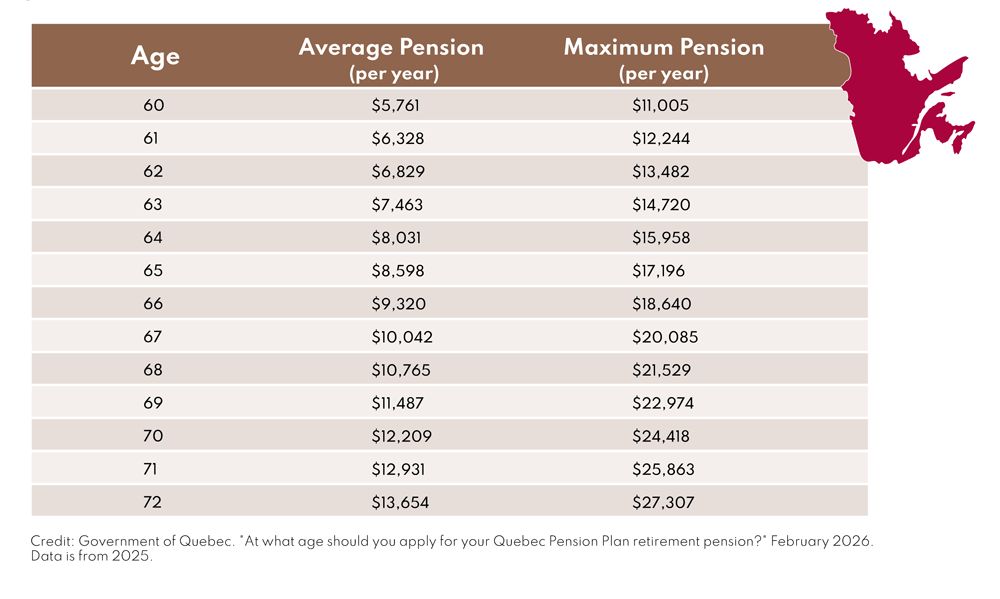
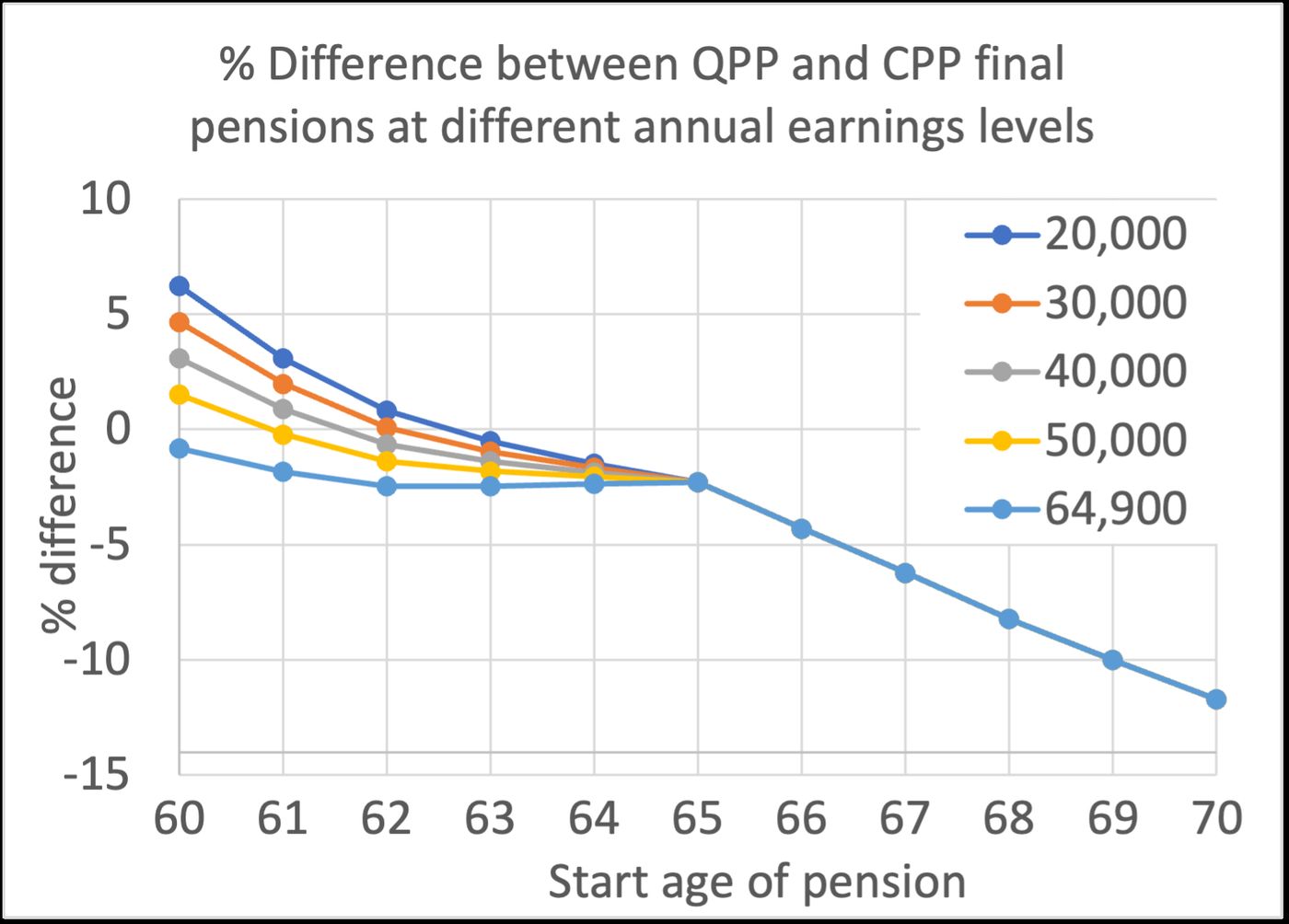
The age you choose to start your pension permanently adjusts the monthly amount. If you start receiving your pension before age 65, the amount is reduced by 0.6 percent for each month you are under 65. This results in a maximum reduction of 36 percent if you start at age 60. Conversely, if you defer your pension past age 65, the amount is increased by 0.7 percent for each month you delay, up to a maximum increase of 42 percent at age 70. There is no financial benefit to delaying beyond age 70. These adjustments determine the benefit amount that will be paid for your entire retirement. The decision of when to start your pension should consider factors like your health, life expectancy, other savings, and the effects of taxation.
The Additional Plan and Enhanced Benefits
In 2019, an additional plan was added to the Quebec Pension Plan to enhance retirement benefits. This mirrors the enhancement made to the Canada Pension Plan in the same year. The goal is to gradually increase the replacement rate of pre retirement earnings provided by the combined plans. When fully mature, the enhanced QPP will provide a higher pension by increasing both the portion of earnings covered and the percentage of those earnings replaced. The additional plan is fully funded, meaning benefits accrue each year as an individual works and makes contributions. The enhancement is being phased in over several years.
The additional plan also provides a retirement pension supplement for individuals who continue to work and contribute while already receiving a QPP retirement pension. Each year of work can provide an additional lifelong supplement to your pension. This supplement is paid automatically in the year following the contribution payments and is also indexed annually. The combination of the base and additional plans means that individuals with long careers and earnings at or near the maximum pensionable amount will see a significant increase in their retirement income compared to the pre 2019 system.
Funding, Investments, and Sustainability
The Quebec Pension Plan is financed by the contributions from workers and employers. The plan's assets are managed by the Caisse de dépôt et placement du Québec, a global investment group. As of December 31, 2024, the QPP's assets were $126 billion. The CDPQ invests these funds in a diversified portfolio including private equity, fixed income securities, Canadian and foreign equities, real estate, and other investments. The QPP is subject to rigorous financial monitoring to ensure its long term sustainability. Two safeguards have been implemented to ensure adequate funding of the QPP and to meet client needs. These steps allow the QPP and its funding to be adapted to demographic and socioeconomic changes in Quebec.
The base component of the QPP uses a steady state funding model, which is a hybrid between a pay as you go system and a fully funded plan. This model aims to maintain a large reserve fund to generate income to help pay future benefits, keeping contribution rates stable. The additional plan component is fully funded, meaning each generation pays for the enhanced benefits it receives. The chief actuary of Canada also reviews the financial status of the CPP every three years, and similar scrutiny applies to the QPP's structure. These measures are designed to ensure the plan remains financially sound for current and future retirees.
Key Figures and Maximum Benefits
The maximum amounts for QPP pensions and benefits are adjusted annually. The figures for 2026 provide a snapshot of the plan's value. The maximum pensionable earnings for the base plan in 2026 is $74,600. The additional maximum pensionable earnings is $85,000. Contribution rates and annual maximums are set accordingly. The following table shows the maximum monthly benefit amounts for different situations in the 2026 benefit year.
These amounts represent the maximum payable to an individual who qualifies based on a history of maximum contributions. Most recipients receive less than the maximum because their career earnings were below the pensionable earnings limit. All benefits in pay are indexed annually to the Consumer Price Index to protect against inflation. When an individual receives a combined pension, such as a retirement pension plus a surviving spouse's pension, the total is subject to a maximum amount set by law, which may result in a reduction of one component.
Common Questions for Workers and Non-Residents
A frequent question from workers in Quebec is whether QPP contributions can be refunded, especially when leaving Canada. QPP contributions are not like a savings account that can be cashed out. Your contributions stay on record with Retraite Québec and form the basis for your future pension eligibility. You cannot withdraw your QPP just because you are leaving the country. There are, however, specific situations where you may receive a refund. If you overpaid in a given year, for instance by having multiple employers, you will receive a refund when you file your income tax return. Additionally, if you participated in an employer sponsored pension plan in addition to the QPP, you may be eligible for a refund of those specific plan contributions after being a non resident for 24 months.
Your QPP credits remain yours for life. When you reach the eligible age between 60 and 70, you can apply for your retirement pension from anywhere in the world. Payments will be sent to you, though non resident tax withholding usually applies unless reduced by a tax treaty between Canada and your country of residence. Retraite Québec takes into account contributions made to the Canada Pension Plan when calculating your QPP benefits, ensuring your work history across Canada is consolidated. If you live elsewhere in Canada after contributing to the QPP, your pension will be paid by the Canada Pension Plan on behalf of Retraite Québec.
Frequently asked questions
What is the difference between the QPP and the CPP?
The Quebec Pension Plan is Quebec's version of the Canada Pension Plan. Quebec opted out of the federal CPP in 1965 and established its own comparable plan. Both plans provide retirement, disability, and survivor benefits, and their structures and contribution rates are very similar. The key difference is administration: the QPP is managed by Retraite Québec and its funds are invested by the Caisse de dépôt et placement du Québec, while the CPP is administered federally. If you work in Quebec, you contribute to the QPP. If you work in any other province or territory, you contribute to the CPP. The two plans are coordinated, so contributions to one are taken into account when calculating benefits from the other.
At what age can I start receiving my QPP retirement pension?
You can start receiving a permanently reduced QPP retirement pension as early as age 60. The standard age for receiving the full, unreduced pension is 65. You can also choose to defer your pension until as late as age 70 to receive a permanently increased amount. Starting early reduces your monthly payment by 0.6% for each month before age 65, resulting in a maximum reduction of 36% at age 60. Delaying increases your payment by 0.7% for each month after 65, up to a maximum increase of 42% at age 70. There is no financial benefit to delaying beyond age 70.
How is the QPP retirement pension calculated?
Your QPP retirement pension is calculated based on your average contributions from age 18 to when you apply. The calculation excludes the equivalent of seven years of your lowest contributions. For someone applying at 65, this means the best 40 years of contributions are averaged. The amount you receive is a percentage of that average, up to a maximum. To get the maximum pension, you need to have contributed on earnings at least equal to the yearly maximum pensionable earnings for 40 years. Your actual pension amount is then adjusted up or down based on whether you start receiving it before or after age 65.
Can I get my QPP contributions back if I leave Canada?
You cannot cash out your QPP contributions simply because you leave Canada. The contributions remain in your name and form the basis for your future pension eligibility. You may receive a refund if you overpaid in a tax year, which is reconciled when you file your return. If you participated in an employer sponsored pension plan in addition to the QPP, you might be eligible for a refund of those specific plan contributions after being a non resident for 24 months. Your QPP credits are preserved, and you can apply for your pension from abroad when you reach the eligible age, typically between 60 and 70.
What is the QPP additional plan?
The QPP additional plan is an enhancement that began in 2019 to provide higher retirement benefits. It is financed by additional contributions from workers and employers. The additional plan increases both the earnings limit covered by the plan and the overall replacement rate of pre retirement income. Contributions to the additional plan are at a separate rate, and benefits from it are fully funded, meaning they accrue as you work. When combined with the base QPP, the goal is to provide a higher total pension, with the maximum retirement pension increasing significantly for those with long careers at higher earnings levels.
Do I have to contribute to the QPP if I am self-employed?
Yes, if you are self-employed in Quebec and your net business income exceeds the annual general exemption of $3,500, you are required to contribute to the Quebec Pension Plan. As a self employed worker, you must pay both the employee and employer portions of the contribution. For the base plan in 2026, this means a total contribution rate of 10.6% on your pensionable earnings between $3,500 and $74,600. You must also contribute to the additional plan at the prescribed rates. These contributions are calculated and paid when you file your annual income tax return with Revenu Québec.
Sources and further reading
- Quebec Pension Plan (Wikipedia) en.wikipedia.org
- Québec Pension Plan retraitequebec.gouv.qc.ca
- Québec Pension Plan quebec.ca
- Québec Pension Plan thecanadianencyclopedia.ca
- 2- Quebec pension plan Canada pension plan rcgt.com
- What Is QPP and Can You Get It Back If You Leave Canada? unityfs.ca
This article explains how things work and is not financial, tax or legal advice. Rules, limits and rates change, so check the current figures with the Canada Revenue Agency, your province or your financial institution before you act.