The Ontario Health Insurance Plan (OHIP) is the government-run health insurance plan for the Canadian province of Ontario. It provides coverage for most basic healthcare services, including doctor visits, hospital care, and diagnostic tests, to eligible residents free at the point of use. OHIP is funded through provincial tax revenues, employer payroll taxes, and federal transfer payments. The plan ensures access to medically necessary care for millions of residents as a fundamental part of Ontario's public healthcare system.
What OHIP Is and How It Works
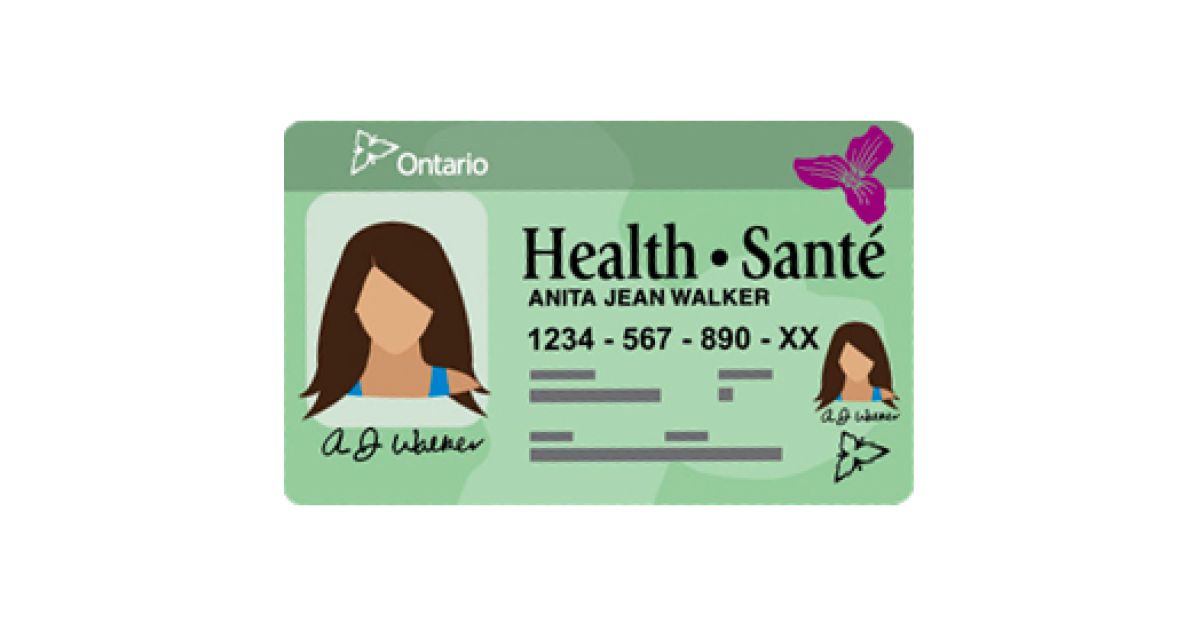
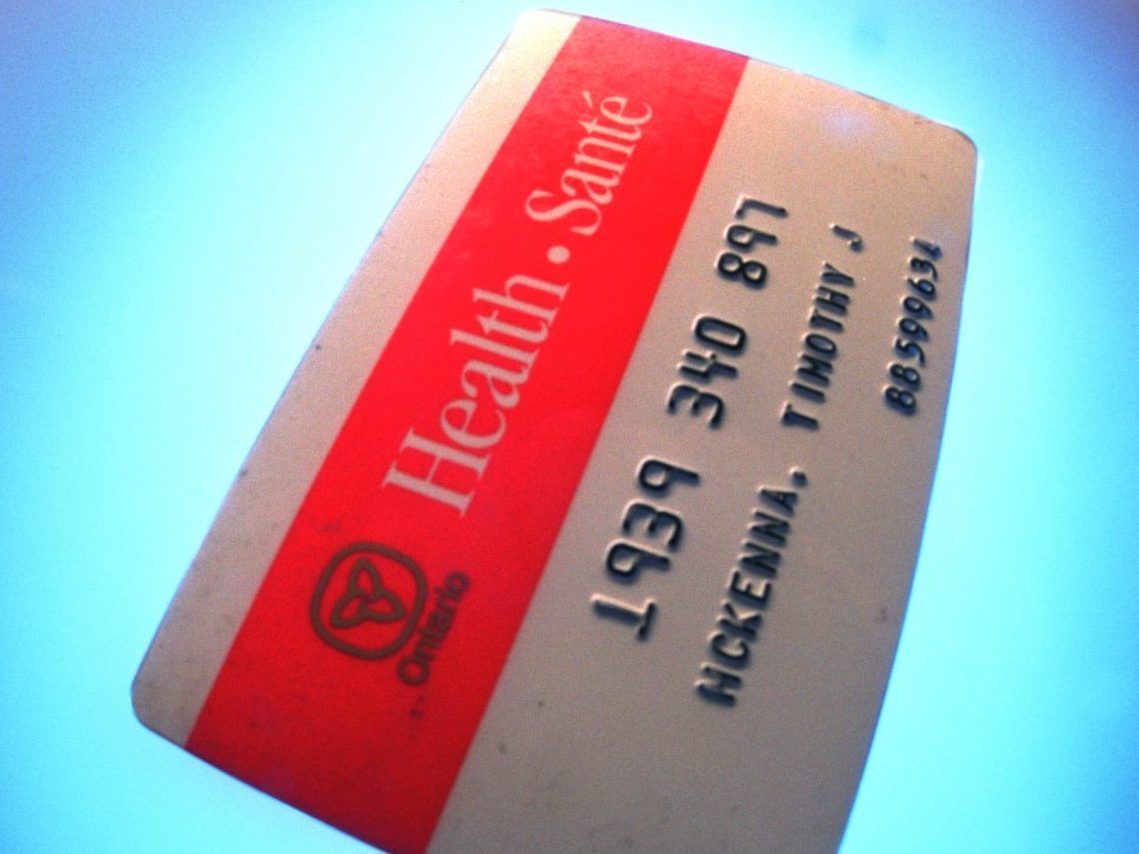
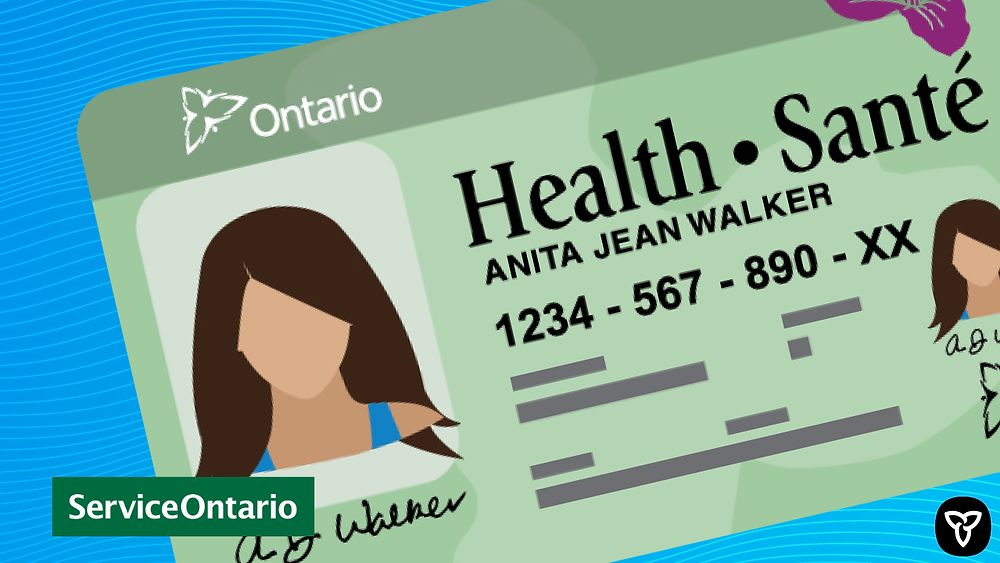
The Ontario Health Insurance Plan is the provincial health insurance plan that covers medically necessary services for eligible Ontario residents. Every resident with their primary and permanent home in Ontario is entitled to access emergency and preventive care under OHIP without direct charges at the time of service. Residents can visit any participating doctor practising in the province, and the doctor bills OHIP directly for the provided services. To prove coverage, residents must show their Ontario health card whenever they access healthcare services such as seeing a doctor, visiting an emergency room, or having a medical test. The plan is administered by the Ontario Ministry of Health and operates under the principles of the Canada Health Act, which governs publicly funded healthcare across the country.
History and Development
Ontario's first government-run health plan was established on 1 July 1966 under the name Ontario Medical Services Insurance Plan (OMSIP). This plan was replaced on 1 October 1969 by the Ontario Health Services Insurance Plan (OHSIP), which was created as a provincially-run and federally-assisted plan under the federal Medical Care Insurance Act. The name was shortened to simply the Ontario Health Insurance Plan (OHIP) in 1972. Over the decades, the scope of coverage has evolved, with some services being added and others removed or restricted. A significant change occurred in 2004 when the provincial government announced the delisting of most routine eye exams and all chiropractic services from OHIP coverage, though physiotherapy was ultimately not delisted but instead had its coverage restricted to specific groups. The Ontario Health Premium, a component of the personal income tax system used to fund health care, was introduced in 2004.
Eligibility and How to Apply
To qualify for OHIP coverage, an individual must meet several minimum requirements. The person must be a Canadian citizen, permanent resident, or hold an eligible work permit as defined in Ontario's Health Insurance Act. They must also have a permanent and principal home in Ontario and be physically present in the province for at least 153 days in any 12-month period. Applicants must apply in person at a ServiceOntario centre, bringing original documents that prove citizenship or immigration status, residency in Ontario, and identity. For Canadian citizens or permanent residents moving to Ontario from another province or returning from another country, the previous province's health plan typically covers them during a transition period. Notably, as of March 2020, the previous three-month waiting period for those transferring from another province, territory, or country has been temporarily removed due to the COVID-19 pandemic. Specific eligibility rules exist for various groups, including military spouses who get immediate coverage and applicants for permanent residence who become eligible at different stages.
Specific eligibility rules exist for various groups. For example, Canadian citizens or permanent residents returning to Canada from another country are not normally covered by OHIP until they have been resident in Ontario for three months. Applicants for permanent residence from within Canada were added to the plan following the Approval In Principle stage of the process. Applicants from permanent residence from outside Canada are ineligible for OHIP until they have completed the landing process and have actually become permanent residents. It is recommended to obtain private health insurance to cover any waiting period.
- Military spouses are eligible for immediate coverage regardless of their origin.
- Applicants for permanent residence from inside Canada become eligible after obtaining 'Approval in Principle' (AIP).
- Applicants for permanent residence from outside Canada are only eligible after completing the landing process and becoming permanent residents.
- Individuals granted emergency authorization to enter Canada for humanitarian reasons, such as under the Canada-Ukraine Authorization for Emergency Travel (CUAET), may be eligible for OHIP coverage for the duration of that authorization.
If an individual has been outside of Ontario for more than 212 days in any 12 month period, they may have to reapply for OHIP at a ServiceOntario centre. If a baby is born in an Ontario hospital with birthing facilities or with a registered midwife, the hospital or midwife often provides an Ontario Health Coverage Infant Registration form, and the baby's new health card will be mailed within 8 weeks. For babies born at home without a registered midwife, parents must apply in person at a ServiceOntario centre with the baby's Ontario birth certificate or Statement of Live Birth and other required identification documents. For babies born in an Ontario hospital without birthing facilities or without a registered midwife, parents must also apply in person at the nearest ServiceOntario centre.
Services Covered by OHIP
OHIP covers a wide range of medically necessary health services. Core coverage includes visits to doctors and specialists, hospital stays and surgeries, diagnostic tests and imaging, and medically required dental surgeries performed in a hospital. For specific services, coverage has age-based or condition-based restrictions. OHIP covers one major eye exam every 12 months for individuals who are 19 years and younger or 65 years and older. For those aged 20 to 64, a major eye exam is covered only if they have a specific medical condition affecting their eyes, such as glaucoma, cataracts, or diabetes, that requires regular monitoring. Podiatrist (chiropodist) services are covered up to an annual maximum of $135, with an additional $30 fee for x-rays. Physiotherapy coverage is restricted to specific groups: those 65 and over, those 19 and under, residents of long-term care homes, individuals who have been hospitalized, and individuals on the Ontario Disability Support Program, Family Benefits, or Ontario Works.
Post-hospitalization, OHIP covers up to 50 physiotherapy visits per year, and for long-term care home residents, it covers up to 100 visits per year. The Assistive Devices Program (ADP) covers up to 75% of the cost for various customized equipment for people with long-term physical disabilities, with the individual responsible for the remaining 25% and any repair costs. Ambulance services within Ontario are covered when medically necessary, though a co-payment is required. In 2018, OHIP also announced a new program designed to assist individuals struggling with food addiction, though the specific details of this program are not covered in the general service descriptions.
Services Not Covered and Supplemental Insurance
OHIP does not cover many health-related goods and services that are part of day-to-day healthcare for Ontarians. Prescription drugs for most adults outside of a hospital setting are not covered, though separate programs exist for seniors, youth, and those with high drug costs. Routine dental care, such as cleanings, fillings, extractions, crowns, and dentures, is not covered, nor is treatment for accidental injury to natural teeth. OHIP does not cover the cost of prescription glasses or contact lenses. Several paramedical services are excluded, including chiropractic care, massage therapy, naturopath services, and psychologist services. Cosmetic surgery that is not medically necessary is also not covered. Due to these significant gaps, many Ontario residents seek supplemental private health insurance to manage out-of-pocket costs for these common expenses.
Private plans can help cover costs for prescription drugs, dental care, vision care, and paramedical services. Employer-sponsored group benefits are a common source of this coverage, but individual plans are also widely available from providers such as PolicyMe, GreenShield, ScotiaLife, and Manulife. The need for private supplemental coverage is often greatest during working-age years when government coverage for prescriptions and dental care is most limited. Private health insurance premiums in Ontario can start from around $134 per month, depending on the level of coverage and the insured's age. These private plans are designed to build on the free provincial coverage provided by OHIP, not to duplicate it, filling in the specific areas where public coverage ends.
Prescription Drug and Dental Programs
While OHIP itself does not cover outpatient prescription drugs for most adults, Ontario operates several separate publicly funded drug programs. The Ontario Drug Benefit program pays for prescription drugs for seniors aged 65 and older who are covered by OHIP. The Trillium Drug Program is designed for households with high prescription drug costs relative to their net income, providing coverage once a household reaches a deductible based on income. A program known as OHIP+ initially provided free prescription drug coverage for all Ontarians under 25 years of age starting 1 January 2018. However, as of 1 April 2019, the program was modified so that children and young adults with private insurance coverage are no longer eligible for this free public coverage. All drugs covered under these programs must be listed on the Ontario drug formulary, and the Ontario Drug Benefit program only covers biosimilar versions of eligible drugs under its Biosimilars Initiative.
For dental care, OHIP provides free, routine dental services for low-income seniors who are 65 or older. The income threshold for this benefit in 2022 was an annual net income of $22,200 or less for a single senior, or a combined annual net income of $37,100 or less for a couple. This dental coverage for seniors is separate from the limited in-hospital dental surgery coverage available to all residents. The combination of these targeted programs means that while OHIP does not offer universal drug or dental coverage, it provides support for the most financially vulnerable populations, specifically seniors and youth, through these dedicated initiatives.
Funding and the Ontario Health Premium
OHIP is funded through a combination of sources, reflecting the shared responsibility for healthcare in Canada's federation. The Government of Canada provides transfer payments to Ontario to partially fund health care. Within the province, OHIP is supported by general provincial tax revenues and specific health premiums. Employers are charged a payroll health care tax, though small businesses may be exempt. Ontario residents also pay a health premium as part of their provincial personal income tax, known as the Ontario Health Premium (OHP). The OHP is calculated based on an individual's taxable income for the year, using a series of income brackets with increasing rates that eventually reach a maximum annual amount.
The Ontario Health Premium is a component of Ontario's Personal Income Tax system and is based on taxable income for a taxation year. As of May 2010, an Ontario resident with a taxable income of $21,000 pays $60 per year. With a taxable income of $22,000, the premium doubles to $120. With a taxable income of $23,000, the premium is $180. With a taxable income of $24,000, the premium is $240. The premium increases at a decreasing rate thereafter for taxable incomes up to $200,600, at which point the maximum premium of $900 is reached.
| Taxable Income | Annual Ontario Health Premium |
|---|---|
| $21,000 | $60 |
| $22,000 | $120 |
| $23,000 | $180 |
| $24,000 | $240 |
The premium continues to increase at a decreasing rate for higher incomes, reaching a maximum of $900 per year for individuals with a taxable income of $200,600 or more. While Ontario receives transfer payments from the Government of Canada to partially fund health care, OHIP is also supported by general provincial tax revenues and premiums paid by employers and individuals. Employers are charged a payroll health care tax, and residents of the province pay a health premium as part of their income taxes. Similarly, Ontario publicly funds hospitals, and physician services are billed through OHIP to the government.
Coverage Outside Ontario and Canada
OHIP provides coverage for medically necessary services when an Ontario resident is temporarily outside the province but still within Canada. The plan pays for most health care costs incurred in other provinces and territories, though the coverage is based on Ontario's fee rates, which may differ from the costs in the location where care is received. For travel outside of Canada, OHIP coverage is extremely limited. The Out-of-Country Travellers Program provides coverage only for emergency health services received abroad. Covered services include emergency doctor services, emergency outpatient services like MRIs and CT scans, and emergency inpatient hospital services. The amount OHIP pays for out-of-country services is a very limited portion of the actual cost, based on Ontario's fee schedule for the service.
For example, OHIP might pay only a few hundred dollars for an emergency hospital stay that costs thousands of dollars in another country. Due to this limited coverage, Ontario residents are strongly advised to purchase comprehensive private travel health insurance before leaving Canada. OHIP also provides specific coverage for out-of-country dialysis services for Ontarians living with kidney failure, recognizing the ongoing and vital nature of this treatment. This exception for dialysis is part of the government's acknowledgment that some necessary treatments must continue uninterrupted even when a resident is travelling, though it remains an exception to the general rule of very limited international coverage.
Frequently asked questions
Does OHIP cover prescription drugs?
OHIP does not generally cover prescription drugs outside of hospitals. However, the Ontario Drug Benefit program pays for prescription drugs for seniors covered by OHIP. The Trillium Drug Program covers households with high prescription drug costs. As of 1 January 2018, prescription drugs for those under 25 years of age are covered by OHIP through OHIP+, though as of 1 April 2019, the Ontario government no longer offers free prescriptions to children and young adults with private coverage.
What dental services does OHIP cover?
OHIP coverage for dental care is very limited. It covers medically necessary dental surgeries performed in a hospital. It also provides free, routine dental services for low-income seniors aged 65 and older who meet specific income thresholds. It does not cover routine dental care like cleanings, fillings, extractions, crowns, or dentures for the general population.
Who is eligible for OHIP coverage?
To be eligible for OHIP coverage, a person must normally be a Canadian citizen, permanent resident, or a holder of an eligible work permit. They must also have a permanent and principal home in Ontario and be physically present in the province for at least 153 days in any 12 month period. Applicants for permanent residence from within Canada are eligible following the Approval In Principle stage. All applicants must apply in person at a ServiceOntario centre with original documents proving their status, residency, and identity. There are specific provisions for individuals with emergency humanitarian authorizations, such as under the Canada Ukraine Authorization for Emergency Travel, who can apply upon arrival without the 153 day presence requirement.
Are eye exams covered by OHIP?
Yes, OHIP covers the cost of one major eye exam for vision and general eye health every 12 months, plus any needed minor assessments, but with age and condition restrictions. This coverage is fully available for individuals who are 19 years and younger or 65 years and older. For those aged 20 to 64, OHIP covers a major eye exam only if they have a specific medical condition affecting their eyes that requires regular monitoring, such as glaucoma, cataracts, or diabetes. In such cases, follow up appointments related to the condition are also covered. OHIP does not cover the cost of prescription glasses or contact lenses for any resident.
Is there a waiting period for OHIP?
The waiting period for OHIP coverage has been temporarily removed. Historically, there was a three month waiting period for individuals moving to Ontario from another province, territory, or country. However, as of March 19, 2020, this waiting period was temporarily suspended due to the COVID 19 pandemic. For Canadian citizens or permanent residents moving from another province, the previous province's plan typically covered them during what would have been the waiting period. Applicants for permanent residence from outside Canada only become eligible after completing the landing process and becoming permanent residents, at which point the temporary removal of the waiting period may apply.
What does OHIP cover when I travel outside Canada?
OHIP provides very limited coverage for emergency health services received outside Canada. It covers a portion of the costs for out of country emergency services such as doctor services, emergency outpatient services like MRIs and CT scans, and emergency inpatient services including hospital stays. The amount OHIP pays is based on Ontario rates and is typically only a small fraction of the actual international medical costs. For this reason, obtaining comprehensive private travel health insurance is strongly recommended for all trips abroad. OHIP also covers out of country dialysis services for Ontarians living with kidney failure through a specific program.
Sources and further reading
- Ontario Health Insurance Plan (Wikipedia) en.wikipedia.org
- Apply for OHIP and get a health card ontario.ca
- Ontario provincial health plan canadalife.com
- Best Health Insurance in Ontario (September 2026 Guide) policyme.com
- Health Insurance, Personal Insurance, Ontario Blue Cross on.bluecross.ca
- Ontario Health Insurance Plan (OHIP) durhamimmigration.ca
This article explains how things work and is not financial, tax or legal advice. Rules, limits and rates change, so check the current figures with the Canada Revenue Agency, your province or your financial institution before you act.