The prime rate in Canada is the annual interest rate used by major banks and lenders as a base for pricing variable-rate loans and lines of credit. It directly influences the cost of borrowing for products like variable-rate mortgages, home equity lines of credit (HELOCs), and personal lines of credit. The rate is closely tied to the Bank of Canada's key policy tool, the overnight lending rate, and is typically adjusted in response to changes in monetary policy. Understanding the prime rate is essential for Canadians with variable-rate debt or those considering new borrowing, as it affects their monthly payments and overall financial planning.
What is the Prime Rate?
The prime rate, also known as the prime lending rate, is the annual interest rate that Canada’s major banks and lenders use to set interest rates for variable-rate financial products. This foundational rate serves as a benchmark for pricing credit offered to consumers and businesses deemed to have good creditworthiness. When a financial institution offers a variable-rate product, the interest charged is typically expressed as the prime rate plus or minus a fixed percentage, known as the spread or margin. For example, if the prime rate is 4.45% and a mortgage is offered at prime minus 1.00%, the borrower's effective rate would be 3.45%. The prime rate is used for a wide range of credit products including variable-rate mortgages, home equity lines of credit, personal lines of credit, and some business loans. It is a crucial index for understanding the cost of borrowing in the Canadian economy at any given time.
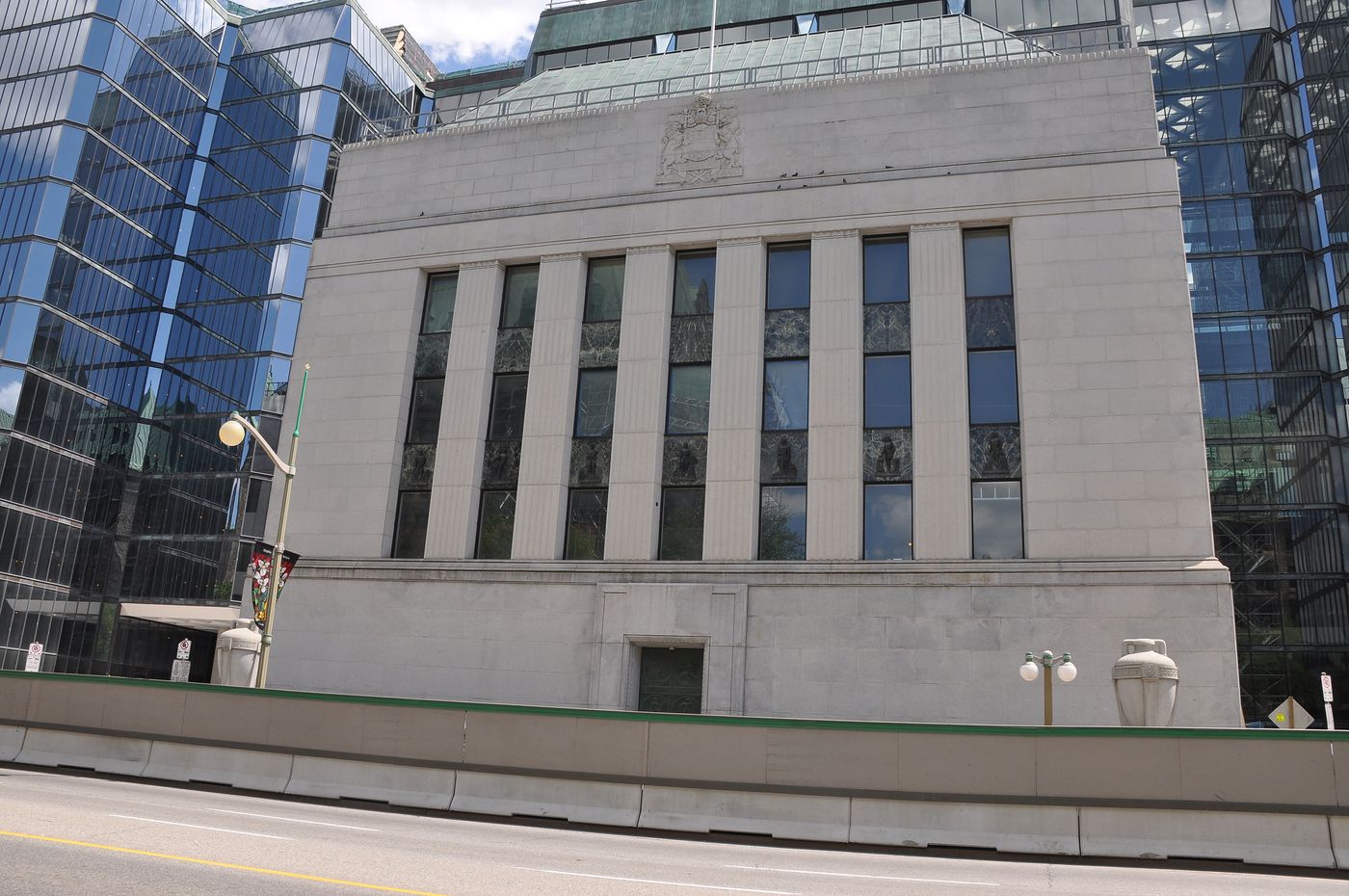
How the Prime Rate is Set and Its Relationship to the Bank of Canada
Canada’s prime rate is not directly set by the Bank of Canada or any single government authority. Instead, each individual financial institution determines its own prime lending rate based on broader market conditions and its own cost of funds. In practice, the prime rates of Canada's major banks, often referred to as the Big Five, move in near lockstep because these institutions face similar funding costs and competitive pressures. The primary driver for changes to the prime rate is the Bank of Canada's policy interest rate, known as the target for the overnight rate. The overnight rate is the interest rate at which major financial institutions borrow and lend one-day funds among themselves. When the Bank of Canada raises or lowers its overnight rate, it directly influences the cost at which banks can access short-term funding. Lenders generally respond by adjusting their prime rates by a corresponding amount, typically within a few days of a Bank of Canada announcement. The prime rate is always higher than the overnight rate because lenders add a spread to account for their own funding costs, operational expenses, and a margin for lending risk. While lenders almost always follow the Bank of Canada's lead, they are not legally required to adjust their prime rates by the exact same amount.
Historical Prime Rate Movements
The prime rate in Canada has fluctuated significantly over time, reflecting the country's economic cycles and the Bank of Canada's monetary policy aimed at controlling inflation and supporting growth. A notable recent period of increases occurred from early 2022 through the first half of 2023, when the Bank of Canada implemented a series of ten consecutive rate hikes to combat high inflation. Following a period of stability, the Bank began a rate-cutting cycle, which included a reduction in October 2025 that brought the overnight rate down to 2.25%. This cut resulted in the prime rate falling to 4.45%, where it has remained unchanged. The Bank of Canada held its overnight rate steady at 2.25% in its September 2026 announcement, marking the seventh consecutive decision without a change. The table below illustrates key recent changes in Canada's prime rate, showing its direct response to Bank of Canada policy shifts.
| Date | Prime Rate |
|---|---|
| October 30, 2025 | 4.45% |
| September 18, 2025 | 4.70% |
| March 13, 2025 | 4.95% |
| January 30, 2025 | 5.20% |
The prime rate acts as a key transmission mechanism for central bank monetary policy in Canada. Changes in the prime rate directly affect the borrowing costs for Canadian households and businesses. When the prime rate rises, it increases the cost of servicing debt on variable rate loans. When the prime rate declines or remains stable, it provides financial relief and supports broader economic activity.

Financial Products Linked to the Prime Rate
A wide array of consumer and commercial credit products in Canada have interest rates that are directly tied to the prime rate. The most significant of these for households is the variable-rate mortgage, where the interest rate adjusts in line with changes to the lender's prime rate. Home equity lines of credit are almost universally priced at the prime rate plus a margin, which often results in a rate very close to the posted prime rate itself. Personal lines of credit and certain types of business loans also frequently use the prime rate as their index. Some private student loan products may also calculate interest based on the prime rate. It is important for borrowers to understand that while the prime rate component of their rate will change, the fixed spread or margin (the plus or minus component) remains constant for the duration of the loan agreement, unless otherwise specified. This structure means that the borrower's cost of borrowing is directly exposed to the monetary policy decisions of the Bank of Canada.
Impact on Borrowers and Key Considerations
Changes in the prime rate have an immediate and direct financial impact on anyone with a variable-rate loan or line of credit. When the prime rate increases, the interest portion of a borrower's payment on a variable-rate mortgage will rise. For loans with fixed payments, such as most variable-rate mortgages, a higher interest rate means a larger portion of each payment goes toward interest rather than paying down the principal loan amount. This can slow the pace of debt repayment. In a sustained rising rate environment, some borrowers may eventually reach their mortgage's trigger rate. The trigger rate is the point at which the borrower's scheduled fixed payment no longer covers the full amount of interest accruing. When this occurs, the loan is no longer amortizing as planned, and the lender may require the borrower to increase their payment amount, make a lump-sum payment, or convert to a different payment structure to bring the loan back on track. For products like lines of credit where payments are often interest-only, a rate hike directly increases the minimum payment due. Conversely, when the prime rate falls, borrowers with variable-rate debt benefit from lower interest costs and, in some cases, accelerated principal repayment. Monitoring the prime rate and understanding one's own loan terms are critical for effective financial management.
Prime Rate Versus Fixed Interest Rates
It is crucial to distinguish between the variable-rate world governed by the prime rate and the fixed-rate market. Fixed mortgage and loan rates are not directly tied to the prime rate. Instead, they are primarily influenced by the yields on Government of Canada bonds, particularly the five-year bond yield. These bond yields reflect market expectations for future economic growth, inflation, and central bank policy over the medium term. Consequently, fixed rates can and often do move independently of the Bank of Canada's immediate policy decisions on the overnight rate. A borrower choosing between a fixed and a variable rate is making a bet on the future direction of interest rates. A fixed rate provides payment certainty for the term of the loan, insulating the borrower from prime rate increases. A variable rate, linked to prime, offers the potential for lower costs if rates fall or remain stable but carries the risk of higher payments if rates rise. During periods when the Bank of Canada has paused its rate adjustments, as was the case in 2026, fixed mortgage rates may still fluctuate based on bond market movements, while variable rates linked to the steady prime rate remain unchanged.
Current Prime Rate Environment and Outlook
As of late 2026, Canada's prime rate stands at 4.45%, a level it has maintained since October 2025 following a rate cut by the Bank of Canada. The central bank's overnight lending rate is at 2.25%, and it has held this rate steady for seven consecutive policy announcements through September 2026. This period of stability has provided predictability for borrowers with prime-linked debt, as their interest costs have not changed for over a year. The Bank of Canada's decisions are data-dependent, focusing on indicators such as inflation, employment, and economic growth. Any future changes to the overnight rate target, whether increases or decreases, would almost certainly lead to a corresponding adjustment in the prime rates posted by Canada's major banks. Borrowers and those considering new debt should stay informed about Bank of Canada announcements and economic trends, as these are the primary forces that will determine the future path of the prime rate and their own borrowing costs.
Frequently asked questions
What is the prime rate in Canada today?
As of October 2026, the prime rate in Canada is 4.45%. This rate has been in effect since October 30, 2025, following a rate cut by the Bank of Canada. The rate remains unchanged as the Bank of Canada has held its benchmark overnight lending rate steady at 2.25% for several consecutive announcements. Major financial institutions across the country, including the Big Five banks, typically maintain nearly identical prime rates.
Who sets the prime rate in Canada?
The prime rate is not set by the government or the Bank of Canada. Each individual financial institution, such as a bank or credit union, determines its own prime lending rate. In practice, these institutions base their decision heavily on the Bank of Canada's overnight rate and broader funding costs. Because major banks face similar market conditions, they usually adjust their prime rates in lockstep, resulting in a commonly quoted national prime rate.
How does the Bank of Canada influence the prime rate?
The Bank of Canada influences the prime rate through its target for the overnight rate, which is its key policy interest rate. When the Bank raises or lowers the overnight rate, it changes the cost for financial institutions to borrow money from each other. To maintain their profit margins, lenders typically respond by adjusting their prime rates by the same amount, usually within a few days. The prime rate is always higher than the overnight rate due to a spread covering lender costs and risk.
What loans are affected by the prime rate?
The prime rate directly affects any loan or line of credit with a variable interest rate. The most common products include variable-rate mortgages, home equity lines of credit (HELOCs), and personal lines of credit. Some business loans and private student loans may also be tied to the prime rate. For these products, your interest rate is typically expressed as the prime rate plus or minus a fixed percentage margin.
What happens to my mortgage if the prime rate goes up?
If the prime rate increases, the interest rate on a variable rate mortgage will also increase. For most variable rate mortgages with fixed payments, a higher rate means a larger portion of each payment goes toward interest. This slows down the repayment of the principal loan amount. In cases of significant rate increases, some borrowers may reach their trigger rate. At the trigger rate, the regular payment no longer covers the accruing interest, which may require a payment increase or another adjustment.
Is the prime rate the same for all banks in Canada?
Each financial institution in Canada determines its own prime lending rate independently. In practice, the prime rates of Canada's major banks are typically identical. They move in lockstep because the banks face similar funding costs and competitive pressures. There can occasionally be minor differences, especially among smaller financial institutions, but the published prime rate is effectively a uniform benchmark.
Sources and further reading
- Prime rate (Wikipedia) en.wikipedia.org
- Prime Rate in Canada ratehub.ca
- Current Mortgage Rates | RBC Royal Bank of Canada rbcroyalbank.com
- TD Prime Rate and Today's Rates | TD Canada Trust td.com
- Scotiabank Interest Rates scotiabank.com
- Prime Rate History mcap.com
This article explains how things work and is not financial, tax or legal advice. Rules, limits and rates change, so check the current figures with the Canada Revenue Agency, your province or your financial institution before you act.