A payday loan is a short-term, unsecured cash advance designed to cover immediate financial needs, typically to be repaid on the borrower's next payday. They are offered by specialized lenders both in physical stores and online, providing quick access to funds, often within minutes. Understanding the structure, costs, and regulations governing payday loans is crucial for Canadian consumers considering this form of high-cost credit.
Definition and Basic Mechanics
A payday loan is a small, short-term unsecured loan intended to bridge a borrower's cash flow gap until their next paycheck arrives. The core concept involves a lender providing immediate cash in exchange for the borrower's promise to repay the full amount, plus a fee, on their upcoming payday. Traditionally, this transaction was secured by a postdated cheque written by the borrower for the repayment amount, which the lender would cash on the due date. In modern practice, especially with online lenders, repayment is often arranged through pre-authorized electronic withdrawals from the borrower's bank account. The loans are marketed as solutions for unexpected emergencies, but studies indicate a majority are used to cover ordinary recurring expenses like bills and groceries. The service is also referred to as a payday advance, salary loan, payroll loan, or cash advance loan, though the latter term can also apply to advances on a credit card line of credit.

History and Growth of the Industry
Payday lending as a distinct industry was extremely rare before the 1990s but has grown substantially since then. The expansion coincided with increased demand for small-dollar, short-term credit among consumers who may have limited access to traditional banking services. The industry's growth in Canada followed similar patterns seen in the United States and the United Kingdom, with storefront operations proliferating in urban and suburban areas. The advent of the internet further accelerated growth by enabling online payday loan applications and instant electronic fund transfers. This evolution made the product accessible 24 hours a day from anywhere in the country. The industry's rapid expansion prompted increased regulatory scrutiny from provincial governments across Canada, leading to the specific payday loan rules now in place.
How Payday Loans Work in Canada
The process for obtaining a payday loan in Canada is designed for speed and convenience, often involving minimal verification. Applicants typically need to provide proof of a regular income, a valid bank account, and government-issued photo identification. Many lenders advertise that they do not require a traditional credit check for approval, instead focusing on the borrower's ability to repay from their next paycheck. Loan amounts are generally capped, with many lenders offering up to $1,500. The cost is not expressed as a traditional interest rate but as a fixed fee per $100 borrowed. Once approved, funds are disbursed rapidly, often within 15 minutes to an hour via Interac e-Transfer or direct deposit into the borrower's account. Repayment is usually scheduled for the borrower's next payday, which can range from a few days to a few weeks later.
The application can be completed through two primary channels. Borrowers can visit a physical storefront location operated by companies like Money Mart, which has over 360 branches across Canada. Alternatively, they can apply entirely online through digital lenders such as iCash or Lamina. The online process is fully automated, with instant approval decisions and electronic signing of loan agreements. Repayment is typically handled by a pre-authorized debit from the borrower's bank account on the due date. If a borrower cannot repay on time, they may be offered a rollover or renewal, which involves paying a new fee to extend the loan term, a practice that can lead to a cycle of debt.
- Provide proof of income, bank account details, and photo ID.
- Apply online, in-store, or by phone, often with instant approval.
- Receive funds via e-Transfer or direct deposit, often within minutes.
- Repay the full loan amount plus the fee on your next payday.
Costs, Fees, and Provincial Regulations
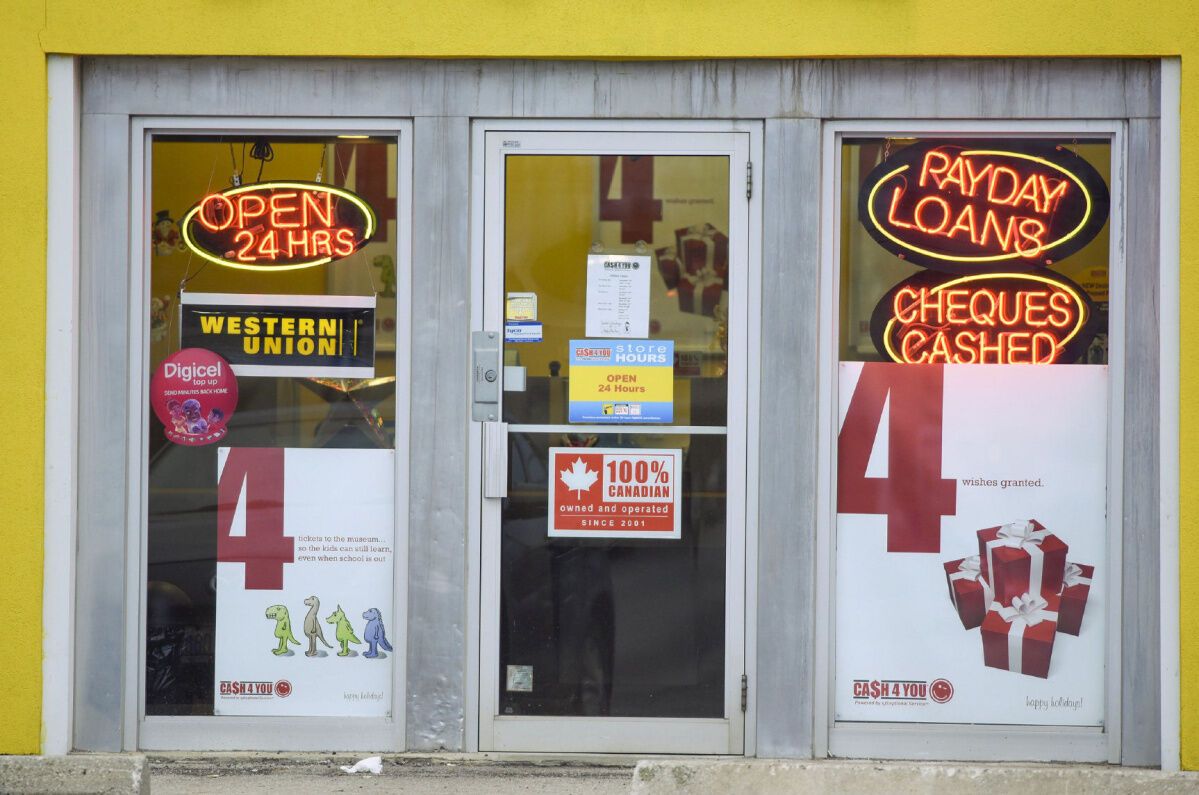
In Canada, payday loans are regulated at the provincial level, with each province setting its own maximum allowable cost of borrowing. The federal Criminal Code caps the effective annual interest rate at 60%, but provinces have the authority to create exemptions for payday lenders, allowing them to charge higher fees. The standard cost structure widely advertised is a fee of $14 per $100 borrowed. When calculated as an annual percentage rate (APR), this fee equates to approximately 365% for a two-week loan. Provinces enforce additional rules to protect consumers, including mandatory cooling-off periods, restrictions on rollovers, and requirements for clear, transparent contracts.
Provinces also set maximum loan amounts and may require lenders to provide information about government-sponsored financial counselling services. The regulations aim to curb predatory practices while acknowledging the demand for short-term credit. Some provinces have moved to lower the maximum cost in recent years. It is crucial for borrowers to understand that the advertised $14 per $100 is a fee, not an interest rate, and that the effective cost is extremely high compared to conventional loans. The total cost of borrowing must be disclosed in the loan agreement as both the dollar amount of the fee and the equivalent annual percentage rate.
| Province/Territory | Maximum Cost per $100 (Typical) | Key Regulatory Features |
|---|---|---|
| Ontario | $14 | Cooling-off period, repayment plan option. |
| British Columbia | $14 | Must provide information on alternatives. |
| Alberta | $14 | Limits on total debt from payday loans. |
| Nova Scotia | $14 | Cap on total fees per loan. |
Demographics and Reasons for Borrowing
Research from the United States and other jurisdictions provides insight into the typical payday loan borrower, which likely reflects similar patterns in Canada. Most payday loan borrowers are between 25 and 44 years old. After controlling for other factors, groups with higher odds of using a payday loan include those without a four-year college degree, home renters, individuals earning below $40,000 annually, and those who are separated or divorced. Studies have also found that black and Hispanic families, recent immigrants, and single parents are more likely to use these products. Contrary to industry marketing, most borrowers use payday loans to cover ordinary living expenses over the course of months, not for one-time unexpected emergencies.
The average borrower is indebted to payday loans for about five months of the year. This indicates that the product is often used for recurring financial shortfalls rather than isolated incidents. In Canada, lenders like Cashco Financial note they consider various income types for qualification, including child tax benefits, government assistance, pensions, and regular employment income. This broad eligibility caters to individuals who may be underbanked or have non-traditional income sources. The propensity to use payday loans increases for those who lack access to traditional deposit bank accounts or lower-interest forms of credit, making it a service of last resort for many.
Key Risks and Criticisms
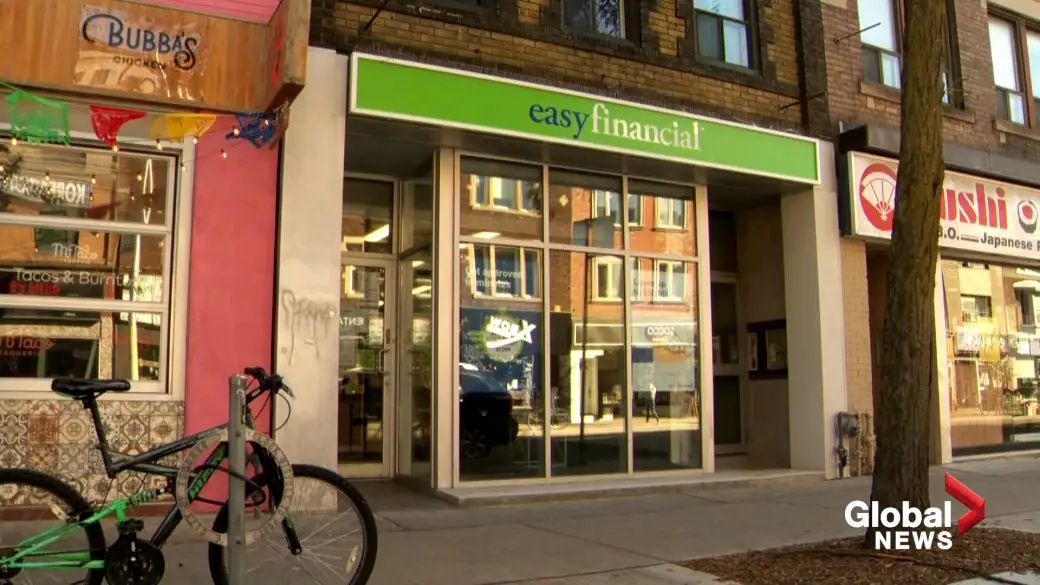
Payday loans are the subject of significant debate due to their high cost and potential to trap borrowers in cycles of debt. The primary risk is the debt spiral, where a borrower who cannot repay on time pays a new fee to roll over the loan, incurring additional charges on the same principal. With 69% of loans taken out to cover everyday expenses like utilities and groceries, the same shortfall often recurs, leading to repeat borrowing. Studies have linked payday loan access to increased rates of personal bankruptcy and defaults on other obligations, as limited income is diverted to cover the high loan fees. Critics argue the industry drains money from low-income communities, as the high fees represent a significant outflow of capital from borrowers who can least afford it.
Other criticisms involve collection practices and market structure. While lenders must follow standard debt collection laws, the use of postdated cheques or pre-authorized debits can lead to non-sufficient funds fees from the borrower's bank if repayment fails. The market is also described as a classic market failure. Demand is largely price-inelastic, meaning borrowers in distress prioritize speed and access over cost, giving lenders little incentive to compete on price. Furthermore, adverse selection occurs because the high rates disproportionately attract borrowers with a higher risk of default, which in turn justifies the high fees in a cycle that can be difficult to break. Consumer advocates emphasize that the true cost must be transparently disclosed to allow for informed decision-making.
Industry Perspective and Profitability
Proponents of payday lending argue that the industry provides a necessary service to consumers who have exhausted other alternatives and might otherwise turn to illegal lenders. They contend that the high fees are in line with the costs and risks of providing small, unsecured loans to high-risk borrowers without traditional underwriting. Industry analyses suggest that operating costs are not disproportionate to the fees collected, especially given the high volume of small transactions and the costs of defaults. One study of U.S. publicly traded payday lenders found an average profit margin of 3.57% for pure payday loan companies, which is lower than the profit margins of some mainstream lenders and other consumer businesses like Starbucks.
The industry notes that default rates, while often cited as high, are an artifact of the short loan term. They argue that actual charge-offs are comparable to traditional forms of credit when measured appropriately. The business model relies on streamlined operations, avoiding costly credit checks and detailed underwriting by depending on the small loan size and easy rollover terms as a form of risk management. Lenders state that their services fill a credit gap for underbanked populations, providing instant liquidity that banks and credit unions are unwilling to offer. The debate continues between this view of the industry as a market-based solution and the criticism of it as a predatory form of lending that exploits financial distress.
Frequently asked questions
What is a payday loan?
A payday loan is a short-term unsecured loan, often characterized by high interest rates. These loans are typically designed to cover immediate financial needs and are intended to be repaid on the borrower's next payday. The term payday refers to when a borrower writes a postdated check to the lender for the payday salary but receives part of that sum in immediate cash. The loans are also sometimes referred to as cash advances.
How much does a payday loan cost in Canada?
The standard cost in many Canadian provinces is a fee of $14 for every $100 you borrow. This fee is not an annual interest rate but a fixed charge. When calculated as an Annual Percentage Rate (APR) for a typical two-week loan, this equates to approximately 365%. The total cost of borrowing must be clearly disclosed in your loan agreement.
How fast can I get a payday loan?
Funding can be extremely fast. Many online lenders promise instant approval decisions and funding via Interac e-Transfer within 2 to 15 minutes of signing the loan agreement. In-store lenders can also provide cash quickly during business hours. The speed is a key feature, as these loans are marketed for urgent financial needs.
What happens if I can't repay my payday loan on time?
If you cannot repay on the due date, you may be offered a rollover or renewal. This involves paying a new fee to extend the loan term, but the original principal remains owed. This practice can lead to a cycle of debt where you pay repeated fees without reducing the principal. It is crucial to contact your lender immediately to discuss options, which may include a repayment plan under provincial rules.
Do payday lenders check my credit score?
Payday lenders may not always check your credit score. The basic loan process typically involves verification of employment or income via pay stubs and bank statements. However, according to one source, some payday lenders do not verify income or run credit checks. Individual companies and franchises establish their own underwriting criteria for these short term unsecured loans. This means the requirement for a credit check can vary significantly between different lenders. The process focuses more on confirming a borrower's income stream to ensure repayment on the next payday.
Are payday loans regulated in Canada?
Payday loans are regulated in Canada, with specific rules varying by province. Legislation regarding payday loans differs widely between countries and between provinces within federal systems. To prevent usury, Canadian provinces limit the cost of borrowing, such as capping fees at a set amount per hundred dollars borrowed, which translates to a high annual percentage rate. These jurisdictions impose restrictions on payday lenders rather than outlawing them entirely. The regulations aim to govern the high interest rates characteristic of these short term loans.
Sources and further reading
- Payday loan (Wikipedia) en.wikipedia.org
- Payday Loans & Lines of Credit in Canada: Online cashmoney.ca
- Money Mart moneymart.ca
- Loans in Canada: Line of Credit & Secured Financing lenddirect.ca
- Cashco Financial | Canada's Top Alternative Finance Provider cashcofinancial.com
- iCash: Fast Online Payday Loans & Short Term Loans in ... icash.ca
This article explains how things work and is not financial, tax or legal advice. Rules, limits and rates change, so check the current figures with the Canada Revenue Agency, your province or your financial institution before you act.