AIR MILES credit cards in Canada are currently closed to new applicants as the program undergoes a major transition. BMO, the issuer of these cards, is moving the AIR MILES loyalty program to a new system called Blue Rewards. For existing cardholders, accounts remain active and AIR MILES balances will automatically convert to the new Blue Points. Canadians seeking new travel rewards cards now must look to alternative programs while the transition is completed.
The Current State of AIR MILES Credit Cards
As of 2026, the landscape for AIR MILES credit cards in Canada has fundamentally changed. BMO has stopped accepting all new applications for AIR MILES credit cards. This decision is part of a broader plan to wind down the AIR MILES credit card program and replace it with a new rewards system. The bank is directing prospective customers who are interested in the future of the program to sign up for updates about the upcoming Blue Rewards credit cards instead. For Canadians searching for credit cards with air miles, this means the traditional product is no longer available. The transition period is now active, with the new Blue Rewards program scheduled to launch in the summer of 2026. During this interim phase, the focus is on managing existing accounts and preparing for the conversion of all accumulated loyalty currency.
What Existing BMO AIR MILES Cardholders Need to Know
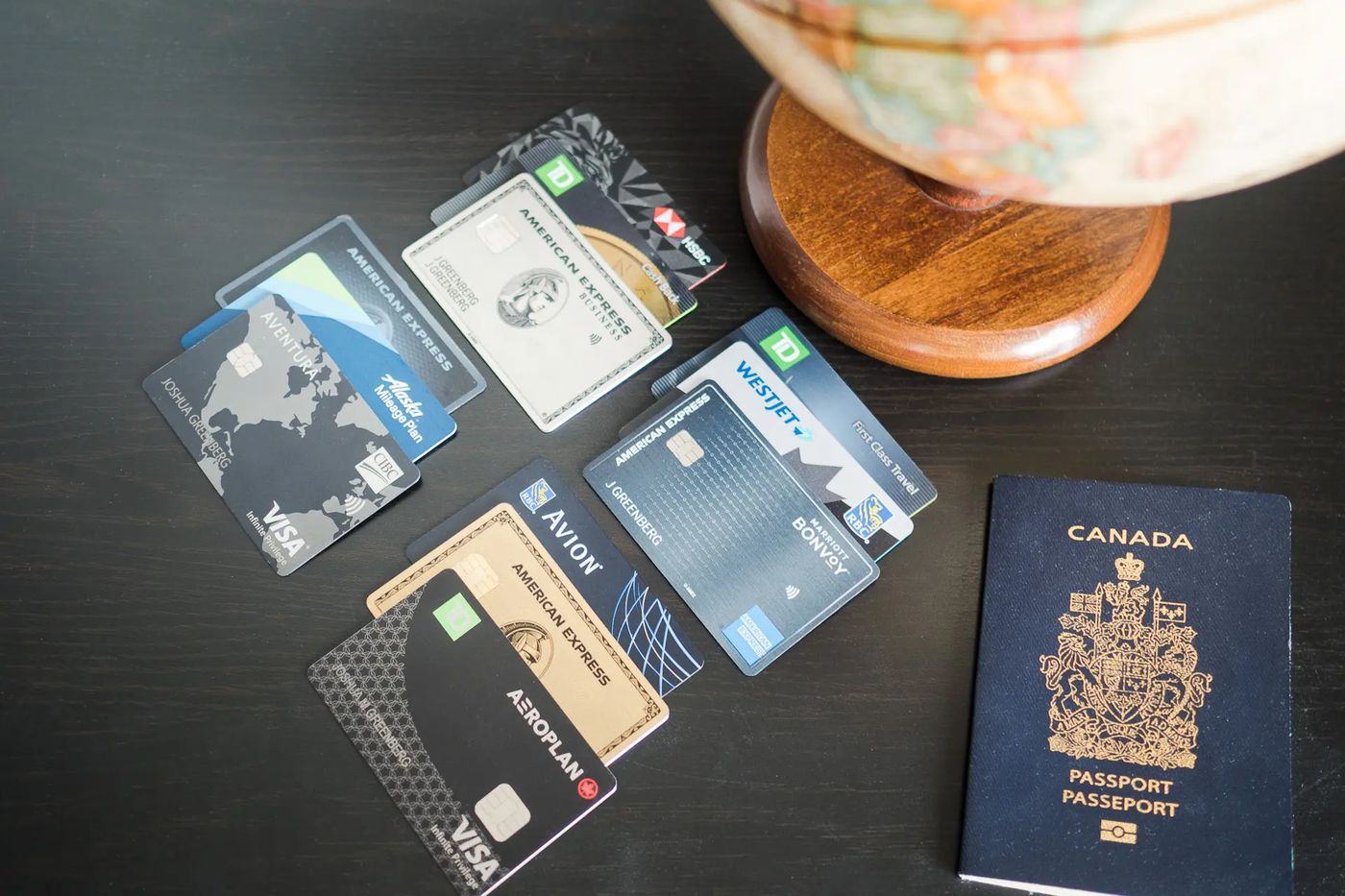
If you currently hold a BMO AIR MILES credit card, your primary course of action is to continue using your card normally. BMO has confirmed there will be no immediate changes to your account during the transition period. Your physical card remains valid for purchases, and you can still earn AIR MILES on eligible spending until the program officially converts. The most important automatic process will occur at the launch of Blue Rewards. At that time, your entire existing AIR MILES balance will convert to the new Blue Points currency. This conversion will happen without any action required on your part, and BMO states the value will be equivalent. It is crucial for cardholders to understand that their rewards are not lost but are being transferred to a new program. You should monitor communications from BMO for specific details on the conversion ratio and any new terms associated with Blue Rewards.
Understanding the Transition to Blue Rewards
The transition from AIR MILES to Blue Rewards represents a complete overhaul of BMO's loyalty credit card offering. Blue Rewards is a separate rewards program that will be available only with select BMO credit cards moving forward. The launch is set for summer 2026, marking the official end of the AIR MILES credit card era at BMO. This new program, Blue Rewards, is distinct from the existing BMO Rewards program. The transition plan is designed for existing customers, with automatic conversion of points. The rationale behind this move aligns with a trend of financial institutions consolidating and rebranding their loyalty offerings. For the broader market, it means one of Canada's long-standing coalition loyalty programs is exiting the credit card space in its traditional form.
Alternative Travel Rewards Cards for Canadian Consumers
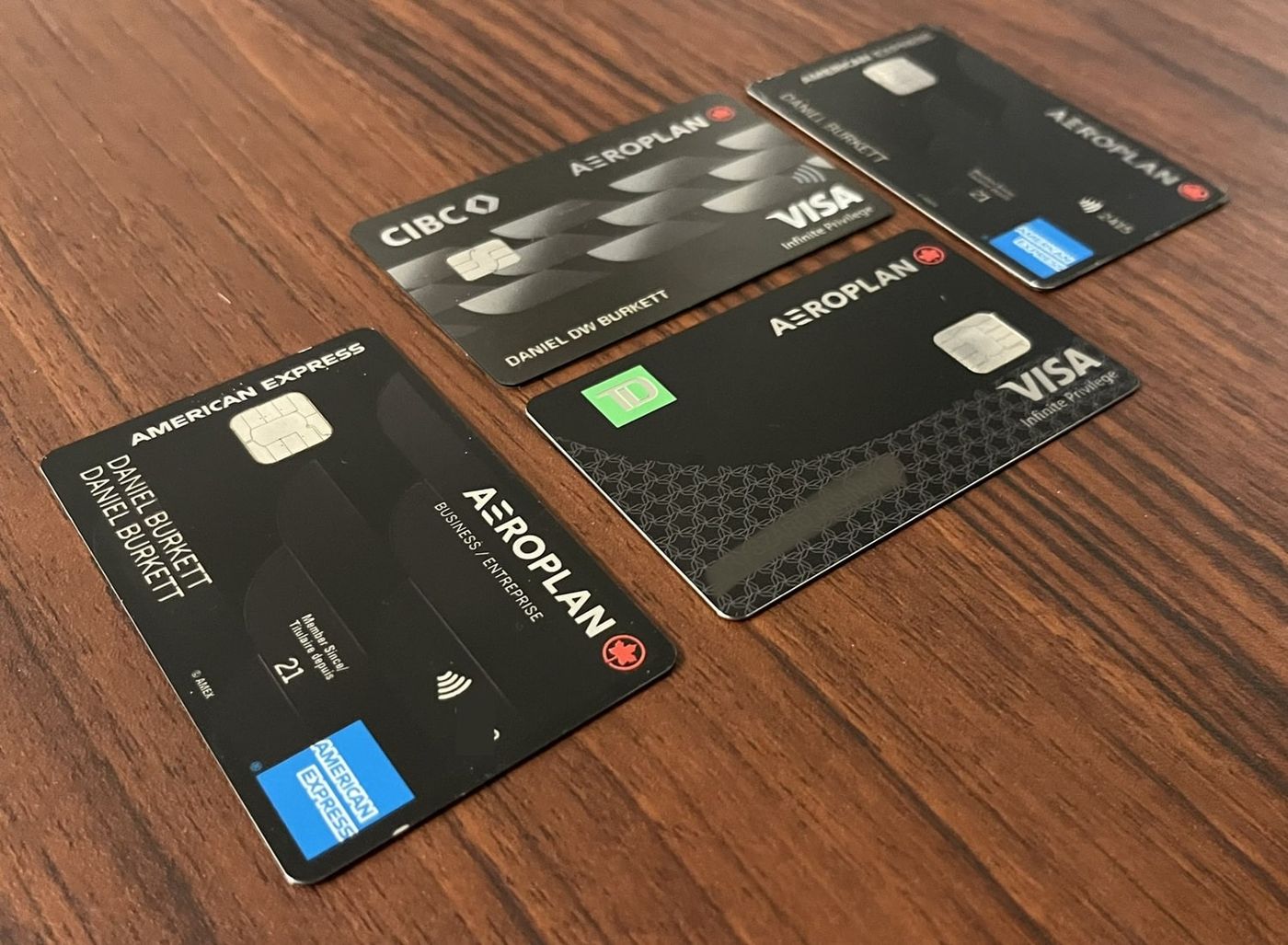
With AIR MILES credit cards unavailable, Canadians have several strong alternative paths for earning travel rewards. Flexible travel credit cards are a prominent option, allowing you to earn points redeemable for flights, hotels, or even statement credits. These cards often come with valuable travel insurance benefits and sometimes include perks like airport lounge access or no foreign transaction fees. Airline-specific credit cards, particularly those tied to Aeroplan, are another major category. For example, the TD Aeroplan Visa Infinite Card is noted for building Aeroplan points, while the American Express Cobalt Card earns Membership Rewards points transferable to Aeroplan. These programs can offer more direct airline redemption options and flight-specific perks compared to a broad coalition program.
Major Canadian banks offer their own competitive travel card portfolios. RBC promotes its Avion Visa cards for their flexibility, allowing point redemption on over 500 airlines and conversion to programs like WestJet Rewards. Scotiabank's lineup includes the Scotiabank Gold American Express Card, which earns Scene+ points and has no foreign transaction fees, and the Scotiabank Passport Visa Infinite+ Card, which also waives foreign transaction fees and includes lounge visits. CIBC offers cards tied to its Aventura points and Aeroplan. The key for consumers is to match a card's bonus categories, like gas, groceries, or dining, with their personal spending habits to maximize point accumulation. Cards are evaluated based on overall value, considering annual fees, earn rates, welcome offers, and redemption options.
Key Features and Benefits of Modern Travel Cards
When evaluating alternatives to AIR MILES cards, understanding the common features of travel rewards credit cards is essential. Earning structures vary significantly, with many cards offering accelerated points on specific purchase categories. For instance, some cards provide 2 points per dollar spent directly with Air Canada, or 1.5 points per dollar on eligible gas, groceries, and travel. Premium cards, like the American Express Platinum Card, focus on high-end travel benefits rather than just high earn rates, offering unlimited airport lounge access, hotel status, and annual travel credits. Travel insurance is a critical component, with coverage often including emergency medical, trip cancellation, flight delay, and lost baggage protection.
Redemption flexibility is a major differentiator between programs. Some points are fixed-value for travel purchases, while others, like American Express Membership Rewards or RBC Avion points, can be transferred to airline partners. Cards also differ in their fee structures. It is important to weigh annual fees, which can range from zero to $799, against the value of the rewards and benefits received. Foreign transaction fees, typically 2.5%, are waived on some cards designed for international travel. Additional perks can include NEXUS application fee rebates, 4th night free hotel redemptions, and concierge services. The overall value depends on how well a cardholder can utilize these features based on their travel frequency and spending patterns. Cards like the Scotiabank Gold American Express are highlighted for extensive travel insurance and high earn rates on groceries and dining.
Steps for Choosing a New Rewards Card
Selecting a new rewards card requires a methodical assessment of your financial habits and goals. First, analyze your regular monthly spending to identify your top purchase categories, such as groceries, dining, or gas. Next, compare cards that offer bonus earn rates in those specific categories to maximize point accumulation. Third, consider your redemption goals. If you primarily want flights, an airline co-branded card or a flexible points card with good airline transfer partners may be best. Fourth, evaluate the annual fee and other costs against the card's welcome offer, ongoing rewards, and included benefits like insurance to ensure a positive net value. Finally, check the eligibility requirements, which often include a minimum personal income and a good credit score, before applying.
- Analyze your monthly spending by category.
- Match spending to cards with bonus earn rates in those categories.
- Define your primary redemption goal (flights, hotels, flexibility).
- Calculate the net value by weighing fees against rewards and benefits.
- Verify you meet the income and credit score eligibility criteria.
For those interested in the future BMO ecosystem, joining the Blue Rewards waitlist is a specific step. For others, using online comparison tools that pre-qualify you without affecting your credit score can be a useful way to see suitable options. Remember that points in most major travel programs do not expire as long as your account is in good standing, allowing you to save for larger redemptions. CIBC advises considering factors like how quickly you earn points, redemption flexibility, and extra travel benefits when choosing a card.
Comparison of Select Travel Rewards Card Features
The following table outlines key attributes of several notable travel rewards cards available in Canada. These cards represent alternatives now that AIR MILES credit cards are closed to new applicants. For example, the American Express Cobalt Card is one of the best travel credit cards in Canada for earning flexible travel points. The Scotiabank Gold American Express Card is one of the best overall travel credit cards in Canada. The TD Aeroplan Visa Infinite Card is the best airline travel credit card in Canada for building Aeroplan points. The features shown include earn rates on common categories, annual fees, and distinctive perks like travel insurance.
| Card Name | Key Earn Rate | Annual Fee | Notable Feature |
|---|---|---|---|
| Scotiabank Gold American Express | Up to 6 Scene+ pts/$1 | $150 | No foreign transaction fees |
| American Express Cobalt | 5 MR pts/$1 on groceries/dining | See provider | Points transfer 1:1 to Aeroplan |
| RBC Avion Visa Infinite | Earn Avion points | See provider | Redeem on 500+ airlines, no blackout dates |
| Scotiabank Passport Visa Infinite+ | 3 Scene+ pts/$1 on travel | $192 | 6 lounge visits/year, no FX fees |
| American Express Platinum | Earn MR points | $799 | Unlimited lounge access, hotel status |
| TD Aeroplan Visa Infinite | 1.5 pts/$1 on gas, groceries, travel | See provider | Airline-specific Aeroplan points |
This comparison illustrates the trade-offs between earning potential, cost, and premium benefits. Cards with higher annual fees typically offer more comprehensive travel insurance, lounge access, and statement credits. Cards with strong bonus category earn rates are ideal for turning everyday spending into travel rewards quickly. The absence of foreign transaction fees is a valuable feature for those who travel or shop internationally frequently, as it saves the standard 2.5% charge. The American Express Platinum Card provides a $400 annual travel and dining credit alongside its lounge access, which can help offset its substantial fee for frequent travellers. The TD Aeroplan Visa Infinite Card is positioned as a top choice for travellers who want to build Aeroplan points specifically.
Common Considerations and Potential Mistakes
When moving away from AIR MILES, cardholders should be mindful of several common pitfalls. One mistake is choosing a card with a high annual fee without realistically assessing whether you will use the accompanying benefits enough to offset the cost. Another is neglecting to review the travel insurance details, as coverage limits, eligibility criteria, and covered scenarios can vary widely between cards. Focusing solely on a high welcome bonus without considering the long-term earn rate on your typical spending is another misstep, as the ongoing rewards often matter more. Finally, not understanding the redemption process and potential for point devaluation can lead to frustration. Some programs offer fixed-value redemptions while others use dynamic pricing, affecting how far your points will go.
It is also important to manage the transition if you are an existing AIR MILES collector. Ensure your contact information is up to date with BMO to receive all communications about the Blue Rewards conversion. Keep track of your AIR MILES balance before the transition and verify the converted Blue Points balance afterwards. For those applying for new cards, be aware that retail-focused rewards programs like Scene+ or PC Optimum are better suited for everyday spending and merchandise redemptions than for travel, so align your card choice with your primary goal. Always read the terms and conditions for reward earning and redemption to avoid surprises. Some cards have fees including balance transfer fees and foreign transaction fees that should be compared against the rewards. Ratehub evaluates cards based on factors including annual fees, earn rates, ease of use, and approval rates to determine overall consumer value.
Frequently asked questions
Can I still apply for an AIR MILES credit card in Canada?
No, you cannot. As of January 2026, BMO has closed all AIR MILES credit cards to new applicants. The bank is transitioning the program to a new system called Blue Rewards. Prospective customers are directed to sign up for updates about the upcoming Blue Rewards credit cards instead.
I have a BMO AIR MILES card. What happens to my card and my miles?
Your existing BMO AIR MILES credit card continues to work normally for now. BMO has stopped accepting new applications as it prepares to transition the AIR MILES loyalty program to Blue Rewards. When Blue Rewards launches in summer 2026, your AIR MILES balance will automatically convert to the new Blue Points currency at an equivalent value. No action is required on your part.
What is Blue Rewards and when does it start?
Blue Rewards is BMO's new loyalty program that will replace the AIR MILES credit card program. It is a separate rewards program available only with select BMO credit cards. The official launch is scheduled for summer 2026. Existing AIR MILES balances will convert to Blue Points at that time.
What are the best alternatives to an AIR MILES credit card?
Major alternatives include flexible travel credit cards from banks like RBC, Scotiabank, or CIBC that earn points redeemable for travel. Airline specific cards, particularly those earning Aeroplan points, are another strong option. The TD Aeroplan Visa Infinite Card is the best airline travel credit card in Canada for building Aeroplan points. Programs like American Express Membership Rewards or RBC Avion offer points that can be transferred to various airline partners for flights.
Do travel reward points expire?
For most major Canadian travel rewards credit cards, points do not expire as long as your credit card account is active and in good standing. As long as your travel card is in good standing, your points do not expire and you can use them whenever you are ready. This allows you to save points over time for larger redemptions. Always check the specific terms of the program you join, as policies can vary.
What should I look for in a travel rewards card?
Consider how quickly you earn points on your top spending categories and the flexibility of redeeming points. Evaluate the annual fee, the travel insurance benefits, and welcome offers. Also consider foreign transaction fees and additional perks like airport lounge access or NEXUS fee rebates. Think about the features and benefits that best suit your lifestyle and spending habits to find the best overall value.
Sources and further reading
- Travel Rewards Credit Cards, Apply Online | RBC ... rbcroyalbank.com
- The best travel credit cards in Canada for 2026 ratehub.ca
- Travel rewards credit cards cibc.com
- AIR MILES Credit Cards in Canada: 2026 Update nerdwallet.com
- Credit Cards with Travel Rewards | Scotiabank Canada scotiabank.com
This article explains how things work and is not financial, tax or legal advice. Rules, limits and rates change, so check the current figures with the Canada Revenue Agency, your province or your financial institution before you act.