In Canada, the term 'easy money loans' commonly refers to short-term, high-cost credit products like payday loans and lines of credit, which are marketed for quick access to cash. These loans are designed for immediate financial needs, offering amounts typically ranging from $250 to $1,500 with funding possible in as little as 15 minutes. They are regulated by provincial governments, which set maximum costs and borrowing limits to protect consumers. Understanding the rules, costs, and alternatives is crucial for Canadians considering these financial products to manage unexpected expenses.
What Are Easy Money Loans?
The phrase 'easy money loans' in a Canadian context does not refer to a single regulated product but is a marketing term used by lenders offering fast-access credit. These are primarily short-term, small-dollar loans such as payday loans, which are advances on your next paycheque. Some lenders also use the term for unsecured personal loans or lines of credit that promise quick approval and funding. The defining characteristic of these products is speed, with many lenders advertising instant decisions and the transfer of funds within minutes of approval. These loans are often sought by individuals who may have difficulty accessing traditional bank credit due to poor credit history or urgent timing needs. It is important to recognize that the ease of access is typically accompanied by higher costs compared to conventional loans from banks or credit unions.
Provincial Rules and Cost Caps
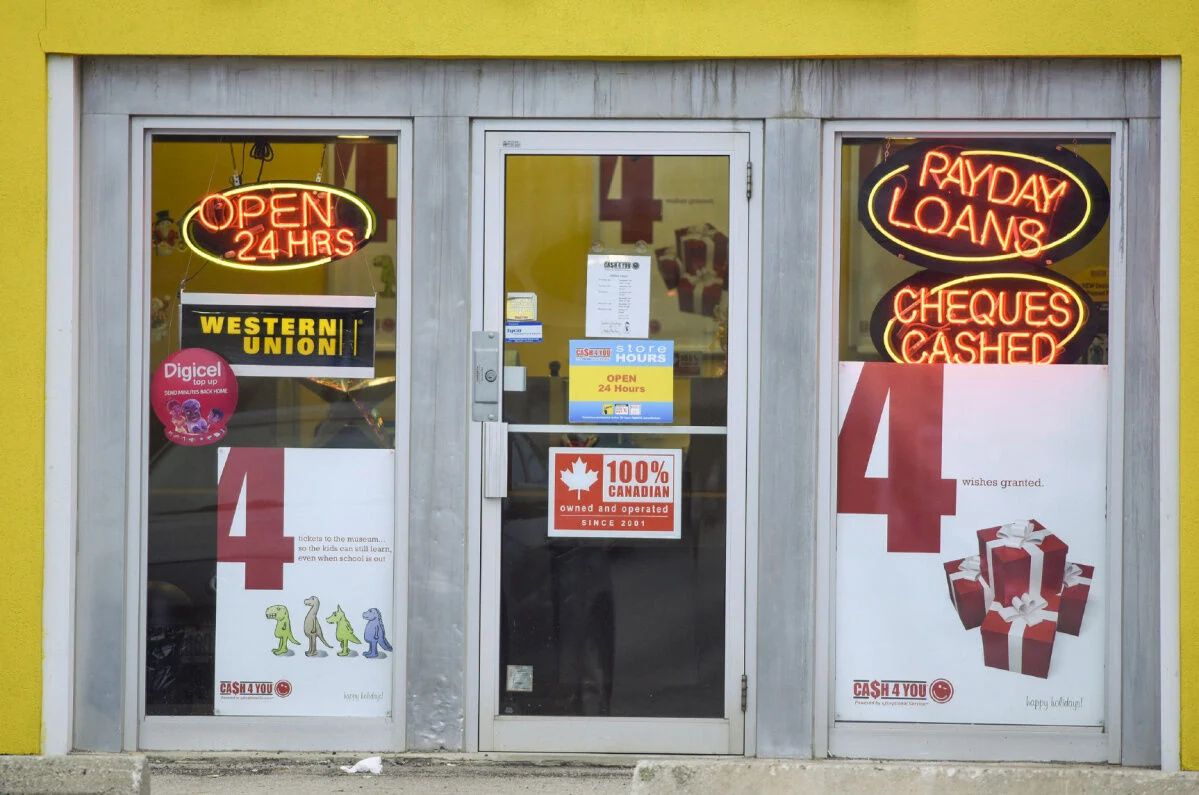
Payday lending, a core product in the easy money loan market, is strictly regulated by each province and territory in Canada. These regulations are designed to protect consumers from excessively high costs. The rules set a maximum allowable cost of borrowing, which is expressed as a dollar amount per $100 borrowed. For example, in Ontario, the maximum charge is $15 per $100. Provinces also set the maximum loan amount, which is often $1,500, and the maximum term, which can be up to 62 days. These limits are not suggestions but legal ceilings that licensed lenders must adhere to. Borrowers should always verify that a lender is licensed to operate in their province, as this is a primary consumer safeguard. The regulations also mandate clear, upfront disclosure of all fees and the total cost of the loan before the borrower signs an agreement.
Common Loan Amounts and Terms
The amounts available through easy money loan products vary significantly by the type of credit. Payday loans, which are the most immediate form, typically range from a minimum of $250 to a maximum of $1,500, as set by provincial law. The repayment term for a standard payday loan is usually aligned with the borrower's next pay date, but provinces allow extensions up to a maximum of 62 days. For unsecured personal loans or lines of credit offered by the same lenders, the amounts can be much higher, sometimes ranging from $500 to $20,000 or more. These products have longer repayment schedules, often spanning months or years. The key distinction is that with a line of credit, you only pay interest on the amount you actually withdraw and use, not the full approved limit. Regardless of the product, the full cost, including all fees, must be clearly disclosed in the loan agreement before you sign.
Eligibility and Application Process
Lenders offering easy money loans typically have straightforward eligibility criteria focused on current income and stability rather than extensive credit history. The common requirements include being at least the age of majority in your province, having an active Canadian bank account, and providing proof of a steady source of income, such as employment or government benefits. Many lenders advertise that bad credit is not a barrier to approval, as they use proprietary scoring systems that analyze bank account activity. The application process is almost entirely online and can be completed in minutes. You will need to provide personal details like your name, address, date of birth, and banking information. A key feature promoted by lenders is the ability to see pre-approved loan options through a soft inquiry that does not affect your credit score. However, if you proceed to accept a loan or line of credit, a hard credit inquiry will usually be performed, which may impact your score.
The standard steps to apply are consistent across most online lenders and can be broken down into a simple sequence. First, you fill out a short online application form with your basic details and the amount you wish to borrow. Your application is then analyzed and approved or denied right away. Once approved, you digitally sign a contract sent to you. Finally, you receive the funds, often via Interac e-Transfer, which can happen in as little as 15 minutes.
- Complete a short online application form with personal and financial details.
- Receive an instant lending decision after the application is analyzed.
- Review and digitally sign the loan agreement if approved.
- Receive funds via Interac e-Transfer, often within 15 minutes to an hour.
The entire process is designed for speed and convenience, operating 24 hours a day, seven days a week through automated systems. You can accept your contract and receive funds at any time. Customer service staff are available during extended hours, such as 5 AM to 8 PM PST on weekdays, to assist with the application if needed. On weekends, staff are typically available from 9 AM to 5 PM. The goal is to make getting your loan straightforward and stress free.
Understanding the Costs and Fees
The cost structure of easy money loans, particularly payday loans, is different from traditional instalment loans. Instead of an annual interest rate, payday lenders charge a flat fee based on the amount borrowed, as capped by provincial law. This fee, for instance $15 per $100 in Ontario, must be clearly stated upfront. Some provinces also allow lenders to charge additional fees for services like cashing a government cheque, but these are separate from the loan cost. For personal loans or lines of credit from these lenders, the cost is typically expressed as an annual interest rate, which can be significantly higher than rates from banks. It is vital to calculate the total dollar amount you will repay, not just the fee or rate, to understand the true cost. Always ask for the full cost of borrowing before you agree to the loan.
Risks and Common Consumer Mistakes
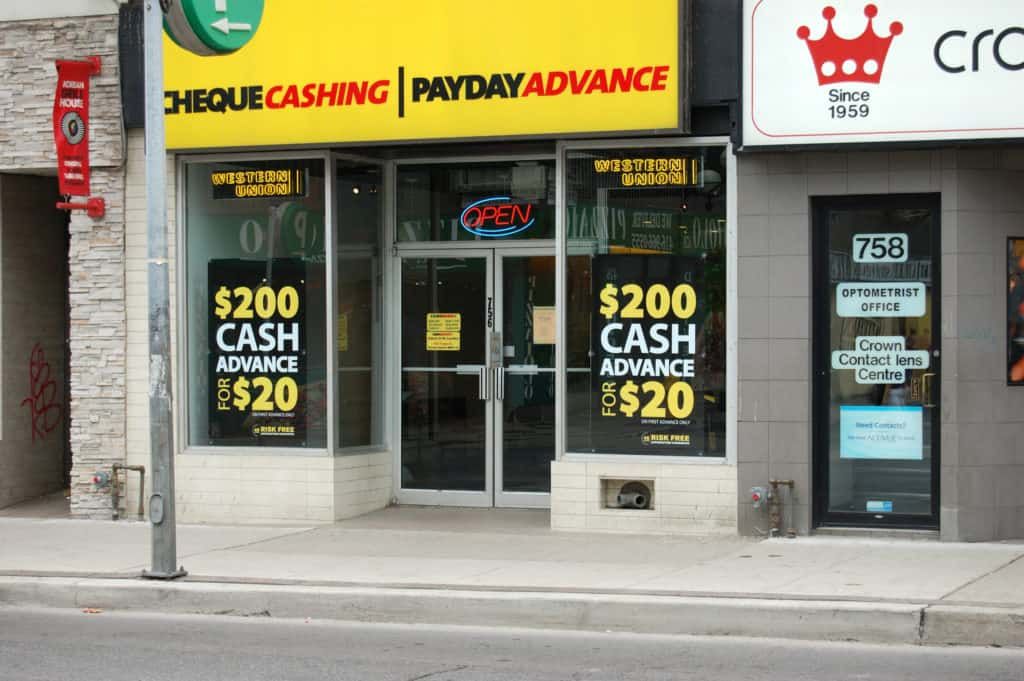
While easy money loans provide quick access to cash, they carry specific risks that borrowers must understand to avoid financial hardship. The most significant risk is the cycle of debt, where a borrower takes out a new loan to repay an existing one, accumulating fees each time. Another common mistake is borrowing more than is absolutely necessary, which increases the total fee or interest payable. Consumers sometimes fail to verify that a lender is provincially licensed, opening the door to dealing with unregulated or scam operations that may harass borrowers or demand payments for loans never received. It is also a mistake to focus solely on the speed of funding without fully reading the loan agreement and understanding the repayment schedule and total cost. Relying on these high-cost loans for long-term financial problems, rather than for a genuine one-time emergency, can exacerbate financial stress. Finally, not exploring all other options, such as payment plans with creditors, credit counselling, or lower-cost loans from credit unions, is a frequent oversight.
Recognizing and Avoiding Loan Scams
In the online lending space, scams are a serious concern. A legitimate licensed lender in Canada will never ask you to pay an upfront fee to receive a loan. Any request for a fee via e-transfer before funds are disbursed is a major red flag. Scam operations may also pressure you to act immediately, use aggressive collection tactics like calling your employer for a debt you do not owe, or send threatening emails. They may operate under names very similar to reputable companies. Always check a lender's provincial licence status through your provincial consumer affairs office or the Financial Consumer Agency of Canada website. Read independent customer reviews on platforms like the Better Business Bureau, but be aware that some reviews can be fabricated. A key sign of a trustworthy lender is transparent, upfront disclosure of all fees and the total cost of the loan before you provide any banking information or sign an agreement.
To protect yourself, be aware of the specific red flags that indicate a potential scam operation. One major warning sign is a lender contacting your employer to claim you owe money when you do not. Scam operations may also persistently send emails demanding e transfer payments. It is important to visit scam alert pages to learn how to protect yourself from such fraudulent activities. Always verify the legitimacy of a lender before providing any personal or financial information.
- The lender demands an upfront fee via e-transfer before disbursing any loan funds.
- They use aggressive collection tactics, such as calling your employer to claim you owe money.
- They pressure you to act immediately without giving you time to review the terms.
- They are not licensed to operate as a lender in your province.
- They have a pattern of negative reviews citing harassment or demands for non-existent debts.
- Their website or communication lacks clear, upfront disclosure of the total loan cost.
Verifying a lender's licence is the most effective step you can take to ensure you are dealing with a regulated business that must follow provincial consumer protection laws. You should always check to make sure any lender has an up to date lending license for your province. A fully licensed online payday lender is authorized and regulated to operate. Dealing with a licensed lender helps ensure they adhere to legal requirements and offer transparent terms.
Frequently asked questions
Can I get an easy money loan with bad credit in Canada?
Many lenders offering payday loans and similar products state that bad credit is not an automatic barrier to approval. They often use alternative methods to assess eligibility, focusing on your current income and bank account activity rather than a traditional credit score. The initial pre-approval process typically involves a soft credit check that does not impact your credit score. However, final approval for a loan or line of credit may involve a hard credit inquiry, which can affect your score.
How fast can I get the money from an online payday loan?
Lenders commonly advertise that funds can be delivered in as little as 15 minutes after loan approval and contract signing. The standard method is Interac e-Transfer, which operates 24 hours a day, seven days a week. The actual speed can depend on your bank's processing times for accepting e-transfers. Some lenders also offer direct deposit to your bank account, which may take slightly longer, often by the next business day.
What is the maximum amount I can borrow with a payday loan?
Provincial regulations set the maximum amount for a payday loan. In many provinces, the maximum is $1,500. The specific limit can vary by jurisdiction, so it is important to check the rules in your province. The loan amount you are approved for will also depend on the lender's assessment of your income and ability to repay. Some lenders advertise minimum loans starting as low as $250.
Are there any penalties for paying off my loan early?
Most reputable payday and personal loan lenders in Canada state that you can repay your loan early with no prepayment penalty fees. This means you can save on the total cost of borrowing by paying back the principal before the due date. You should confirm this policy with your specific lender before signing the agreement, as the terms should clearly outline any fees associated with early repayment. For example, some lenders explicitly allow you to pay off your loan at any time with no penalty.
How do I know if a payday lender is legitimate and not a scam?
A legitimate lender will be licensed by your provincial government to offer loans. You can verify this through your provincial consumer affairs authority. They will provide clear, upfront disclosure of all fees and the total cost of the loan before you sign anything. They will never ask for an upfront fee via e-transfer before giving you loan funds. Be wary of lenders who pressure you to act immediately or who contact your employer or references aggressively.
What is the difference between a payday loan and a line of credit from these lenders?
A payday loan is a single advance of a set amount, typically due on your next pay date, with a flat fee. A line of credit is a revolving credit account with a set limit. You can borrow from it as needed, pay it back, and borrow again, paying interest only on the amount you have outstanding. Lines of credit from these lenders generally offer higher credit limits than payday loans and are intended for longer-term use, though they often come with higher annual interest rates compared to traditional banks.
Sources and further reading
- Payday Loans & Lines of Credit in Canada: Online cashmoney.ca
- Money Mart moneymart.ca
- Award Winning Peer to Peer Lending Platform | easyMoney ... easymoney.com
- My Canada Payday: Online Payday Loans in Canada mycanadapayday.com
This article explains how things work and is not financial, tax or legal advice. Rules, limits and rates change, so check the current figures with the Canada Revenue Agency, your province or your financial institution before you act.