The Harmonized Sales Tax (HST) is a consumption tax used in five Canadian provinces, combining the federal Goods and Services Tax (GST) with a provincial sales tax into a single value-added tax. It is administered by the Canada Revenue Agency, which collects the tax and remits the provincial portion to participating governments. The HST simplifies tax administration for businesses operating across provincial borders by replacing two separate taxes with one. Its implementation and rate changes have been significant economic and political events in Canadian provinces.
How the HST Works
The Harmonized Sales Tax is a single value-added tax that replaces the separate federal GST and provincial sales tax in participating provinces. It is collected by the Canada Revenue Agency on behalf of the federal and provincial governments. Businesses registered for the HST charge it on taxable supplies of goods and services and file returns with the CRA, which then remits the appropriate provincial portion to each government. The HST applies to most goods and services, though specific exemptions and rebates exist at both the federal and provincial levels. This system reduces administrative complexity for businesses that operate in multiple provinces by dealing with one tax authority instead of several.
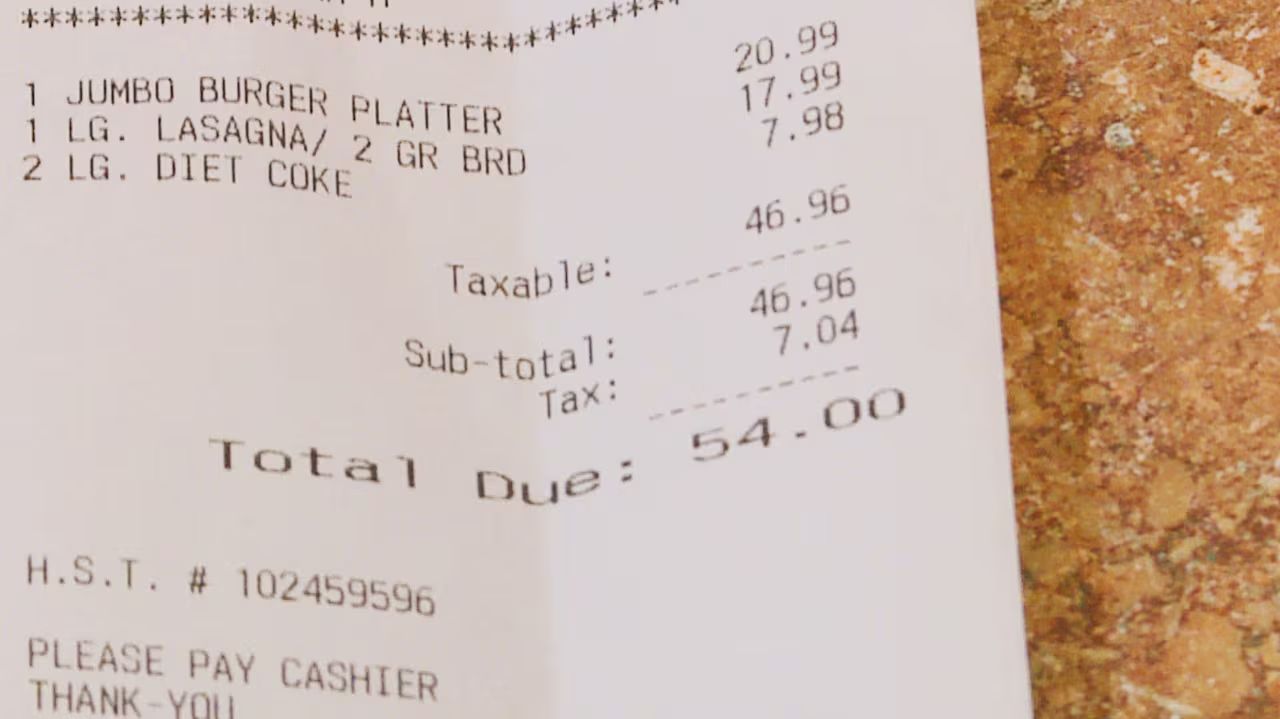
The HST rate varies by province because each sets its own provincial component. The federal GST portion is fixed at 5 percent nationwide. In Ontario, the total HST rate is 13 percent, composed of the 5 percent GST and an 8 percent provincial sales tax. In Nova Scotia, New Brunswick, Newfoundland and Labrador, and Prince Edward Island, the total HST rate is 15 percent, combining the 5 percent GST with a 10 percent provincial portion. The HST is generally applicable to both goods and services, whereas the old provincial sales taxes it replaced often applied only to goods. This broadening of the tax base to include services was a major point of public debate when the HST was introduced in Ontario and British Columbia.
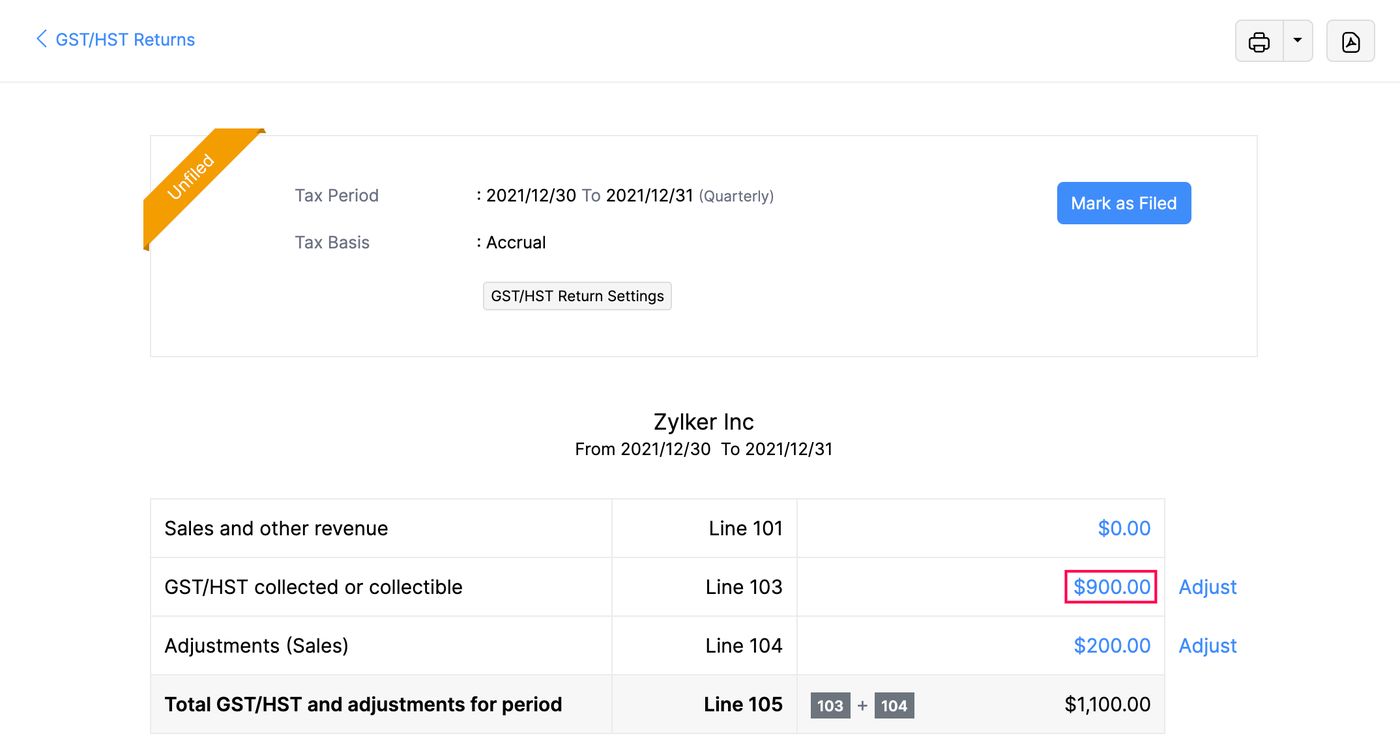
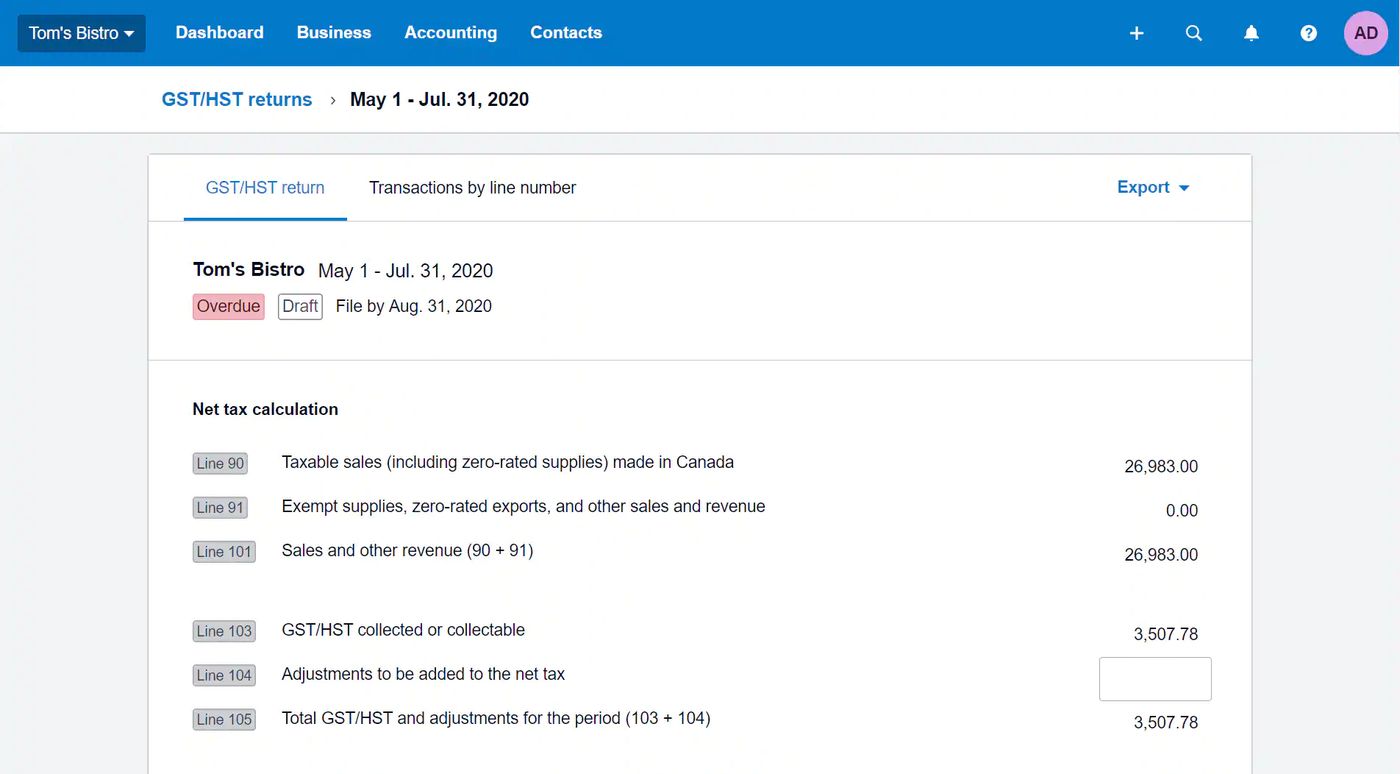
Businesses must file HST returns monthly, quarterly, or annually, depending on their annual revenue. The CRA administers all aspects of the tax, including registration, collection, auditing, and rebate programs. For consumers, the HST is included in the final price of most purchases. Lower-income individuals and families may receive financial assistance through the federal GST/HST credit, which was renamed the Canada Groceries and Essentials Benefit in July 2026. This tax-free quarterly payment is designed to offset the impact of consumption taxes.
HST Rates by Province
The total HST rate is not uniform across Canada because each participating province determines its own provincial sales tax component. The federal government sets the GST rate, which has been 5 percent since January 1, 2008. The provincial portions are added to this base rate to create the combined HST. The following table shows the current HST rates and their composition in each participating province.
| Province | Total HST Rate | Provincial Component | Federal Component (GST) |
|---|---|---|---|
| Ontario | 13% | 8% | 5% |
| Nova Scotia | 15% | 10% | 5% |
| New Brunswick | 15% | 10% | 5% |
| Newfoundland and Labrador | 15% | 10% | 5% |
| Prince Edward Island | 15% | 10% | 5% |
These rates have changed over time due to provincial policy decisions and federal GST reductions. For example, Nova Scotia raised its provincial portion to 10 percent in 2010, restoring its overall rate to 15 percent after the federal GST had been lowered. Prince Edward Island introduced its HST at a rate of 14 percent in 2013, which was later increased to 15 percent. Provinces that do not participate in the HST, such as British Columbia, Saskatchewan, Manitoba, and Quebec, have separate GST and provincial sales tax systems, while Alberta and the three territories charge only the 5 percent GST.
Exemptions and Rebates
While the HST applies broadly, significant exemptions and rebates exist for specific goods, services, and groups of people. These measures are designed to reduce the tax burden on essential items and support lower-income households. Exemptions can be direct, meaning the item is not subject to tax, or involve a point-of-sale rebate that effectively removes the provincial portion of the HST. Provinces have the authority to establish their own exemptions within the HST framework.
Common federal exemptions that apply under the HST include basic groceries, prescription drugs, certain medical devices, and residential rent. Most provinces under HST also exempt books from the tax, either through an outright exemption or a point-of-sale rebate. Provincial exemptions vary significantly. Nova Scotia exempts residential heating sources such as fuel oil, electricity used for heating, firewood, and wood pellets from the HST. Ontario provides point-of-sale rebates on the 8 percent provincial portion of the HST for specific items, including children's clothing and shoes, car seats, diapers, and feminine hygiene products.
Several significant rebate programs are tied to housing. In Ontario, a rebate on new homes means the first $400,000 of the purchase price is not subject to the provincial portion of the HST. For the portion above $400,000, the full HST applies, but buyers can receive a rebate of up to $24,000 regardless of the home's price. There is also a separate HST New Residential Rental Rebate in Ontario, providing up to a $24,000 rebate on the purchase of a new residential complex first used as a rental property. First Nations status card holders in Ontario are exempt from the provincial part of the HST for eligible off-reserve purchases, in addition to existing GST/HST relief for on-reserve purchases.
History of the HST in Canada
The Harmonized Sales Tax has a phased history in Canada, beginning in the Atlantic provinces and later expanding to Ontario and Prince Edward Island. Its introduction represented a shift from older, cascading sales tax systems to a modern value-added tax model. The federal government has actively encouraged provinces to adopt the HST, viewing it as a measure to improve business competitiveness. The timeline of key events includes the initial implementation, rate changes, and the notable adoption and subsequent rejection by British Columbia.
- April 1, 1997: The HST is first implemented in New Brunswick, Newfoundland and Labrador, and Nova Scotia. The combined rate was 15%, combining a 7% federal GST with an 8% provincial portion.
- July 1, 2006: The federal GST is reduced nationwide to 6%, lowering the HST in the three Atlantic provinces to 14%.
- January 1, 2008: The federal GST is reduced again to its current rate of 5%, resulting in a 13% HST in the Atlantic provinces.
- July 1, 2010: Ontario and British Columbia implement the HST. Ontario's rate is set at 13%, while British Columbia's is 12% with a plan to lower it to 10% by 2014.
- July 1, 2010: Nova Scotia raises its provincial portion to 10%, restoring its overall HST rate to 15%.
- August 2011: A referendum in British Columbia results in a vote to abolish the HST.
- April 1, 2013: British Columbia reverts to the GST/PST system, and Prince Edward Island joins the HST at a rate of 14%, later increased to 15%.
- 2016: New Brunswick and Newfoundland and Labrador raise their HST rates back to 15%.
The push for harmonization gained momentum after the 2008 federal budget called it the single most important step provinces could take to improve business competitiveness. Federal officials pressured non-HST provinces to abandon their separate PST systems. Ontario's decision to adopt the HST was announced in its 2009 budget, taking effect in mid-2010. British Columbia's experience was particularly contentious, leading to a citizen-led petition, a court challenge, and ultimately a binding referendum that saw the tax rejected after just three years.
Impact and Reception
The introduction of the HST has been one of the most debated tax policy changes in recent Canadian history. Proponents argue it makes businesses more competitive by reducing administrative costs and allowing them to recover input taxes on their purchases, which encourages investment. Opponents often viewed it as a tax grab that increased costs for consumers on previously untaxed services. Public reception varied dramatically by province, with the experience in British Columbia demonstrating the political risks of such a change.
Studies on the economic impact have presented mixed conclusions. A report from the Roger Martin task force suggested the HST would lower taxes overall because increased revenue from the harmonized tax was matched by reductions in corporate and personal taxes and tax credits. Research by Jack Mintz of the University of Calgary projected that the HST combined with a lower corporate tax rate could create almost 600,000 new jobs over ten years. However, other analyses pointed to increased costs for consumers. An independent panel in British Columbia concluded in 2011 that unless a family was among the 15 percent with an income under $10,000 a year, they paid more sales tax under the HST, an average of about $350 per family.
Public opinion polls consistently showed strong opposition before implementation. In November 2009, 82 percent of British Columbians and 74 percent of Ontarians opposed their provincial governments' plans to harmonize the sales tax. Only 39 percent of the public believed the HST would be beneficial for businesses, and just 10 percent agreed it would create more jobs. The perception in British Columbia was particularly damaged because Premier Gordon Campbell had denied plans to implement the HST before the 2009 election, only to introduce it shortly after winning a majority government. This contributed to a successful citizen petition and a referendum that ultimately repealed the tax.
Comparison to Other Canadian Sales Taxes
Canada employs a patchwork of sales tax systems across its provinces and territories. The HST exists alongside the separate GST/PST model and the Quebec Sales Tax system. Understanding the differences is crucial for businesses and consumers operating in multiple jurisdictions. The core distinction lies in how the provincial tax is administered and what it applies to.
In HST provinces, there is one combined tax administered solely by the Canada Revenue Agency. Businesses file one return and deal with one tax authority. In non-HST provinces, businesses must typically register for, collect, and remit both the federal GST and a separate provincial sales tax, each with its own rules and filing requirements. For example, in British Columbia, businesses charge 5 percent GST and 7 percent PST on most taxable goods and some services, requiring compliance with both CRA and provincial rules. In Quebec, Revenu Québec administers both the 5 percent GST and the 9.975 percent QST.
The tax base also differs. Provincial sales taxes in non-HST provinces like British Columbia, Saskatchewan, and Manitoba traditionally applied mainly to goods, with many services exempt. The HST, by contrast, generally applies to both goods and services, though provinces can exempt specific items. As of October 2026, British Columbia charges its 7 percent PST on some newly taxable items like cable television, phone services, and clothing repair, but paused a planned expansion to professional services such as accounting and engineering. Alberta and the three territories have no provincial sales tax, so only the 5 percent GST applies.
Rules for Businesses and Compliance
Businesses making taxable supplies in Canada must follow a complex set of rules for charging, collecting, and remitting sales taxes. The requirements differ based on whether the business operates in an HST province, a PST province, or sells across provincial borders. The key threshold for GST/HST registration is the small supplier limit, which is based on a business's annual revenue from worldwide taxable sales. A business must register for GST/HST once it ceases to be a small supplier, which occurs when its taxable sales exceed $30,000 in a single calendar quarter or over the last four consecutive quarters.
Once registered, the business must charge GST or HST on all taxable sales in Canada, except those that are exempt or zero-rated. Businesses in HST provinces charge the applicable provincial HST rate on supplies made to customers in those provinces. They file a single GST/HST return with the CRA, reporting all taxable sales and claiming input tax credits for the GST/HST paid on their business expenses. For businesses selling into provinces with separate PST, such as British Columbia, Manitoba, Saskatchewan, or Quebec, separate registration and compliance with each provincial tax authority are usually required.
Each province with a separate PST has its own registration thresholds and rules. For example, in British Columbia, a business may need to register for PST if it sells taxable goods or services into the province, even if it is not physically located there. Compliance involves issuing proper invoices, maintaining records for six years, and filing periodic returns. The CRA administers the GST and HST, while provincial finance ministries administer their own PST, RST, or QST. Businesses operating in multiple tax jurisdictions must understand and apply the correct rules for each province where they have customers.
Frequently asked questions
What is the current HST rate in Ontario?
The current HST rate in Ontario is 13 percent. This is composed of the 5 percent federal GST and an 8 percent provincial sales tax component. Ontario provides point-of-sale rebates on the 8 percent provincial portion for specific items like children's clothing, diapers, and feminine hygiene products. The tax is administered by the Canada Revenue Agency, which collects it and remits the provincial portion to the Ontario government.
What items are exempt from HST?
Exemptions from HST include basic groceries, prescription drugs, certain medical devices, and residential rent. Provinces also have their own specific exemptions. For example, Nova Scotia exempts residential heating sources like fuel oil and electricity. Ontario exempts the provincial portion of the HST on children's clothing, books, car seats, and diapers. Most HST provinces also exempt books from the tax, either through a direct exemption or a rebate.
What is an HST number and how do I get one?
An HST number is a Business Number with a GST/HST program account issued by the Canada Revenue Agency. Businesses that are required to register for GST/HST must obtain this number. Registration is mandatory once a business's taxable sales exceed $30,000 in a single quarter or over four consecutive quarters. The number is used to file returns, remit collected tax, and claim input tax credits. Businesses can register online through the CRA website or by phone.
What is the Harmonized Sales Tax (HST)?
The Harmonized Sales Tax is a consumption tax in Canada that combines the federal Goods and Services Tax with a regional provincial sales tax into a single value-added tax. It is used in provinces where these two taxes have been merged. The HST is collected by the Canada Revenue Agency, which then remits the appropriate amounts to the participating provinces. This tax replaced a cascading tax system with a value-added tax like the GST. The HST generally applies to both goods and services, unlike the PST which was mainly on goods. Its rate varies by province as each sets its own provincial portion within the HST.
How does the HST differ from PST?
The HST is a single, combined value-added tax administered federally, while PST is a separate provincial sales tax. The introduction of HST changed the PST from a cascading tax system to a value-added tax. A key difference is that PST was traditionally applicable only to goods, whereas HST is generally applicable to both goods and services. This means service items like haircuts that previously included only the GST saw an increase in costs under HST. Businesses in HST provinces file returns to one authority, while in PST provinces they must comply with both GST and separate PST rules.
Sources and further reading
- Harmonized Sales Tax (Wikipedia) en.wikipedia.org
- Sales Tax in Canada: What Are GST, HST and PST? taxually.com
- Harmonized Sales Tax ontario.ca
- Canada Sales Tax (GST/HST) Calculator wowa.ca
- Canadian GST rates and GST compliance avalara.com
This article explains how things work and is not financial, tax or legal advice. Rules, limits and rates change, so check the current figures with the Canada Revenue Agency, your province or your financial institution before you act.