A sales tax calculator helps you determine the amount of tax on a purchase or sale in Canada. It can calculate the total price including tax from a base price, or reverse calculate the original price and tax amount from a total. This is essential for consumers to understand their final costs and for businesses to correctly price goods and comply with tax rules. Canadian sales tax involves federal and provincial components, with rates and structures that vary significantly across the country.
How the Sales Tax Calculator Works
The calculator is designed to handle two primary calculations, often presented in separate tabs. The first function calculates the total amount and sales taxes from a subtotal, which is the price before tax. You enter the base price, select the applicable province or territory, and the calculator applies the correct federal and provincial tax rates to determine the GST, HST, PST, or QST amount and the final total price. The second function works as a reverse sales tax calculator, which is useful when you only know the final price including tax. You enter the total amount paid, and the calculator determines the original price before tax and the exact amount of tax that was included in that total. This reverse calculation is common for business accounting when dealing with tax-inclusive receipts or for consumers trying to understand the tax breakdown on an invoice.
The mathematical formulas powering these calculations are straightforward. To calculate tax from a base price, you multiply the base price by the applicable tax rate divided by 100. For example, the GST amount is found by calculating Base Price multiplied by 5 divided by 100. In a province with a separate PST, you would perform a similar calculation for the provincial rate and then sum the two tax amounts to find the total tax. The total price is simply the base price plus the total tax amount. For the reverse calculation, the price before tax is found by dividing the price including tax by one plus the tax rate expressed as a decimal. If you have a total of $113 from a province with a 13% HST rate, the price before tax is $113 divided by 1.13, which equals $100. The tax included is then the total minus the calculated base price, which is $13.
Understanding Canadian Sales Tax Structures
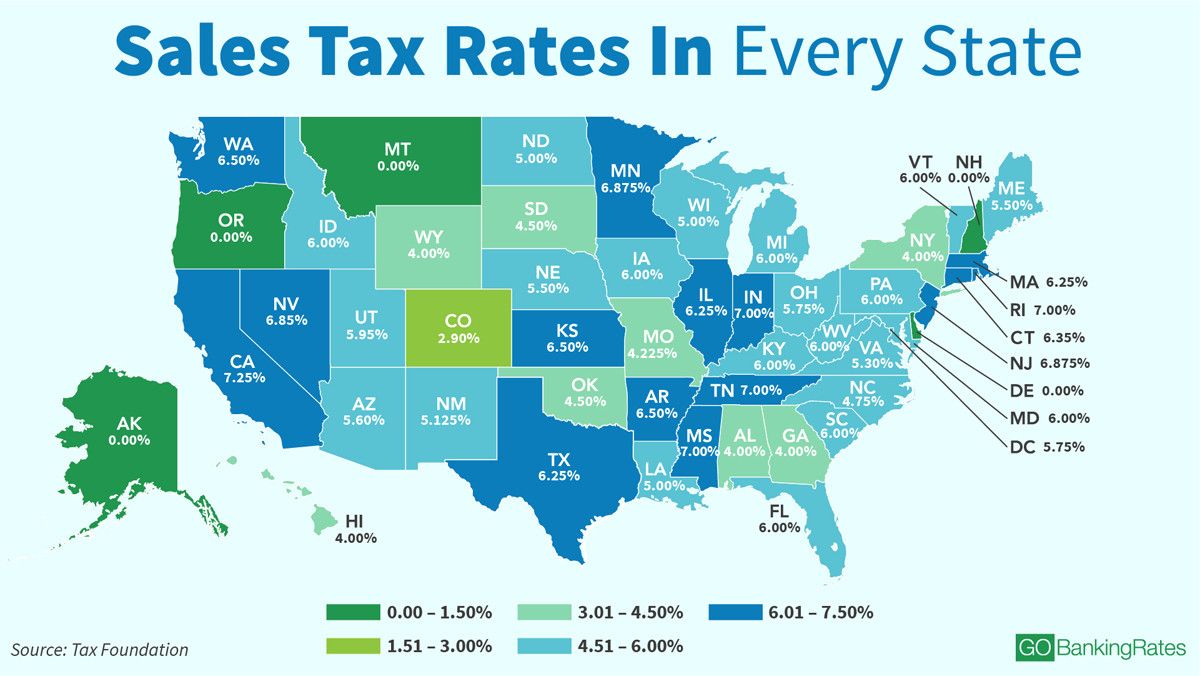
Canada employs a multi-layered sales tax system with a federal tax and various provincial taxes. The federal Goods and Services Tax (GST) is a value-added tax set at a rate of 5% that applies to most goods and services across the entire country. The GST was introduced on January 1, 1991, at an initial rate of 7% before being reduced to its current level. Provinces and territories then impose their own sales taxes, which can be structured in three main ways. Some provinces have harmonized their provincial sales tax with the federal GST to create a single Harmonized Sales Tax (HST). Other provinces levy a separate Provincial Sales Tax (PST), sometimes called Retail Sales Tax (RST) in Ontario, alongside the GST. One province, Quebec, administers its own Quebec Sales Tax (QST), which is similar to a harmonized tax but collected separately.
The Harmonized Sales Tax combines the federal GST portion with a provincial portion into one single tax rate. The total HST rate and the breakdown between federal and provincial components vary by participating province. For instance, Ontario's HST rate is 13%, comprised of the 5% federal GST and an 8% provincial portion. This replaced the former separate 5% GST and 8% Retail Sales Tax when HST was adopted in Ontario on July 1, 2010. The provinces currently using the HST system are New Brunswick, Newfoundland and Labrador, Nova Scotia, Ontario, and Prince Edward Island. British Columbia briefly implemented HST in 2010 but later reverted to a GST/PST system. It is important to select the correct province in the calculator, as it automatically applies the appropriate combined HST rate or separates the GST and PST calculations as needed.
Current Sales Tax Rates Across Canada
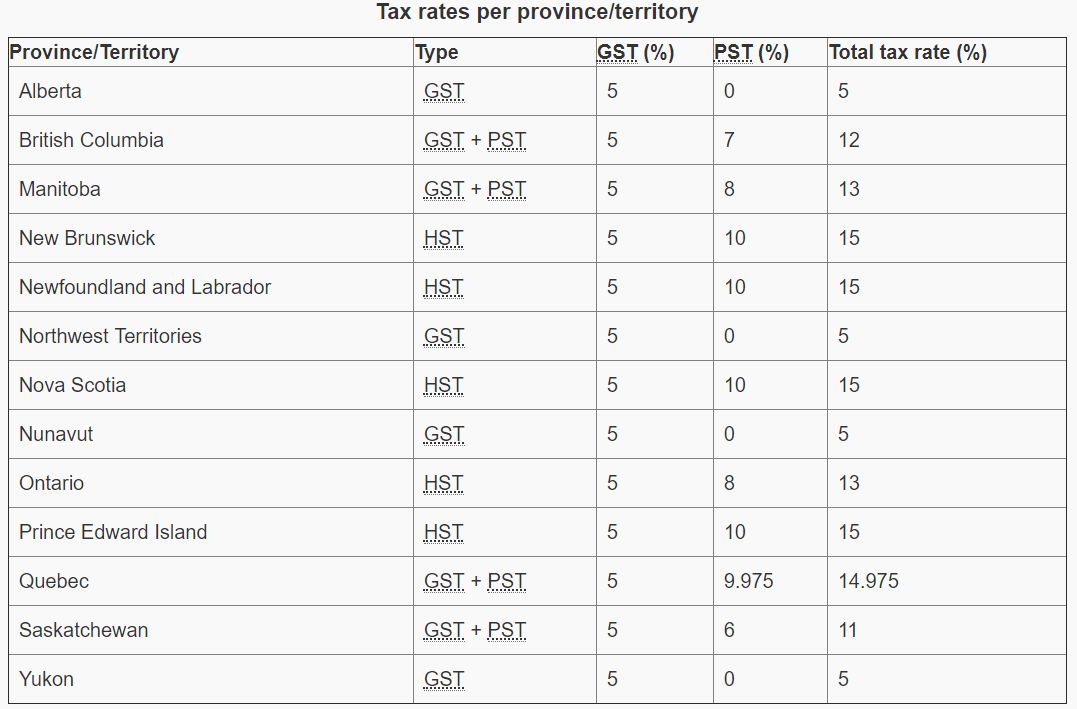
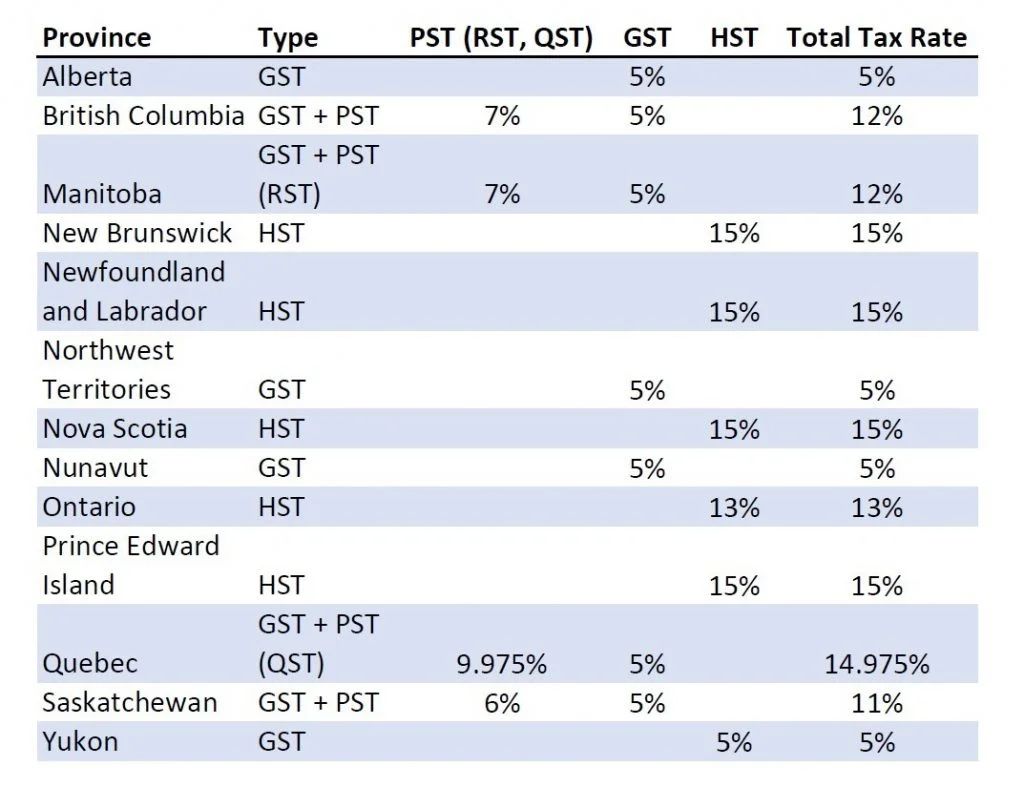
Sales tax rates are not uniform across Canada and can change, so using an up-to-date calculator is crucial. The federal GST rate of 5% is a constant nationwide component. Provincial rates, however, differ and have seen adjustments in recent years. For provinces with a separate PST, the rates are set independently. Manitoba, for example, reduced its PST from 8% to 7% in 2019. In provinces with HST, the combined rate is what consumers pay at the point of sale. Nova Scotia reduced its HST rate from 15% to 14% effective April 1, 2025, so transactions on or after that date use the new rate. As of 2026, no changes were made to the HST, PST, or GST rates in any province or territory. The following table outlines the general tax systems and total rates for each province, though specific exemptions may apply for certain goods and services.
| Province/Territory | Tax System | Total Tax Rate |
|---|---|---|
| Ontario | HST | 13% |
| British Columbia | GST + PST | 5% + 7% |
| Alberta | GST only | 5% |
| Saskatchewan | GST + PST | 5% + 6% |
| Manitoba | GST + PST | 5% + 7% |
| New Brunswick | HST | 15% |
| Nova Scotia (2025+) | HST | 14% |
| Prince Edward Island | HST | 15% |
| Newfoundland and Labrador | HST | 15% |
This table provides a general overview, but specific exemptions or rebates may apply to certain goods and services. Furthermore, some jurisdictions have announced future changes. Selected professional services will become subject to British Columbia's 7% PST beginning October 1, 2026. When using the calculator, ensure you select the correct province to apply these specific rates automatically. The calculator's design accounts for these variations, so you do not need to manually add or combine taxes in most cases.
Key Rules and Thresholds for Businesses
For businesses operating in Canada, understanding when to charge and collect sales tax is governed by specific rules. The primary rule is the small supplier threshold. Most Canadian businesses are required to register for GST/HST with the Canada Revenue Agency once their annual worldwide taxable supplies, including zero-rated supplies, exceed $30,000 over four consecutive calendar quarters. This is not an optional threshold but a mandatory requirement for businesses that meet or exceed it. Once registered, the business must begin charging the applicable GST or HST on taxable supplies and must file regular returns. Businesses with revenues below this threshold are generally not required to register, but they may choose to do so voluntarily, which can allow them to claim input tax credits to recover the GST/HST they pay on business expenses.
The place of supply rules determine which province's tax rate applies to a sale, which is critical for businesses selling across provincial borders. Generally, the rate is based on the location where the goods are delivered or the service is performed. For online sales, this often means applying the tax rate of the customer's province. The calculator assists with this by allowing the user to select the destination province to apply the correct rate. It is also important for businesses to be aware of what constitutes a taxable supply. While most goods and services are taxable, some are zero-rated, meaning tax is applied at a 0% rate, and others are exempt, meaning no tax is charged and input tax credits cannot be claimed. Examples of zero-rated supplies include basic groceries, prescription drugs, and certain medical devices. Exempt supplies include residential rent, most health and dental services, and certain financial services.
Special Cases and Provincial Nuances
Beyond the standard rates, several special cases and provincial nuances affect how sales tax is calculated. In Ontario, while the 13% HST applies to most transactions, some specific items are subject to a separate Retail Sales Tax (RST) instead. This includes used vehicle sales, boats, and aircraft, as well as insurance premiums. When you buy a used vehicle in Ontario, you pay a 13% RST when registering the vehicle at a ServiceOntario centre, based on the greater of the purchase price or the vehicle's wholesale value. This tax is separate from HST, and all revenue goes directly to the Ontario government. It applies even if HST was paid on the vehicle by a previous owner, meaning the tax can be paid multiple times over a vehicle's lifetime. New vehicles, however, have the standard 13% HST applied at the point of sale by the dealer.
Various rebates and exemptions exist to offset costs for specific groups or for certain goods. Eligible first-time home buyers can apply for federal GST/HST relief of up to $50,000 on qualifying new homes. In Ontario, registered First Nations individuals are granted rebates on both the federal 5% and provincial 8% portions of the HST on many items, including adult clothing, many household goods, vehicles, and over the counter medications, even for purchases made off reserve. Furthermore, the Ontario Sales Tax Credit provides an annual payment to help low and moderate income individuals and families offset sales tax costs, with a maximum of $371 per person for 2025. These rebates and credits mean the effective tax paid can be lower than the headline rate for eligible people and purchases, though the calculator provides the upfront tax liability before any rebates are applied.
Historical Context of Sales Tax Rates
The Canadian sales tax landscape has evolved significantly since the introduction of the federal GST. The GST itself was launched on January 1, 1991, at a rate of 7%. This rate was reduced in subsequent years, settling at the current rate of 5%. The move towards harmonization began in 1997 when the Harmonized Sales Tax was introduced in three Atlantic provinces: New Brunswick, Newfoundland and Labrador, and Nova Scotia. The goal was to simplify tax administration by combining federal and provincial levies. This model expanded, with Ontario and British Columbia implementing HST in 2010. However, British Columbia later held a referendum and reverted to its GST/PST system. Prince Edward Island harmonized its tax in 2013, adopting the HST. The following list highlights key dates and changes in Canadian sales tax history, which are important for understanding past transactions or for businesses dealing with historical financial data.
- 1991: Federal GST introduced at 7%.
- 1997: HST introduced in NB, NL, and NS.
- 2010: HST implemented in Ontario and British Columbia.
- 2013: Prince Edward Island implements HST.
- 2016: HST rate increases from 13% to 15% in New Brunswick and Newfoundland and Labrador.
- 2016: Prince Edward Island HST rate increases from 14% to 15%.
- 2019: Manitoba PST reduced from 8% to 7%.
- 2025: Nova Scotia HST reduced from 15% to 14% on April 1.
Nova Scotia reduced its Harmonized Sales Tax rate from 15 percent to 14 percent on April 1, 2025. A sales tax calculator would apply the current 14 percent rate for transactions after that date. For transactions before April 1, 2025, a different historical rate may apply. As of January 2026, no changes were made to the HST, PST, or GST rates in any province or territory in Canada.
Practical Example of a Sales Tax Calculation
Suppose you are purchasing a used 2020 Honda Civic in Ontario for $12,000. In Ontario, used vehicles are subject to the Retail Sales Tax (RST), not the HST, when registered. The tax is calculated on the greater of the purchase price or the vehicle's wholesale value. According to the example, the vehicle's wholesale value (Red Book) is approximately $15,000, which is greater than the purchase price. Therefore, the tax base is $15,000. The RST rate in Ontario for used vehicles is 13%. This $1,950 RST is paid when you register the vehicle at a ServiceOntario centre, not to the seller.
For a more standard example involving HST, consider calculating the tax on a $100 purchase in Ontario. Using the calculator, you would enter $100 as the amount before tax and select Ontario. The calculator applies the 13% HST rate. The total price including tax is $100 plus $13, totalling $113. If you only had a receipt showing a total of $113 and needed to find the pre tax price and tax amount, you would use the reverse calculation function. Entering $113 as the price including tax and selecting Ontario would yield a price before HST of $100 and an HST amount of $13, confirming the breakdown. This demonstrates the utility of the calculator for both forward and reverse calculations in everyday and business contexts.
Frequently asked questions
What is the difference between GST, HST, and PST?
GST is the federal Goods and Services Tax, a 5% tax applied across Canada. PST is a Provincial Sales Tax levied by some provinces on top of the GST. HST is the Harmonized Sales Tax, used in some provinces, which combines the federal GST and the provincial sales tax into a single, blended rate. For example, Ontario's HST is 13%, which includes the 5% GST and an 8% provincial portion.
How does the reverse sales tax calculator work?
The reverse sales tax calculator calculates the original price before tax and the tax amount from a total price that already includes tax. You enter the total amount paid and select the province. The calculator uses the formula: Price before tax = Total Price / (1 + Tax Rate). It then subtracts the calculated pre tax price from the total to show the tax amount that was included. This is useful for analyzing receipts or for business accounting.
What is the small supplier threshold for GST/HST?
Most Canadian businesses must register for GST/HST after exceeding the $30,000 small supplier threshold. The threshold applies to annual worldwide taxable revenue over four consecutive calendar quarters. Businesses below this threshold are not required to register but may choose to do so voluntarily. Registration allows a business to begin charging tax and to claim input tax credits.
Do I pay sales tax on a used car purchase in Ontario?
Yes, in Ontario you pay a 13% Retail Sales Tax (RST) when you register a used vehicle, which is separate from the HST. The tax is calculated on the greater of your purchase price or the vehicle's wholesale value (Red Book value). You pay this tax at a ServiceOntario centre, not to the seller. This applies even if HST was paid on the vehicle by a previous owner.
Which Canadian provinces use the Harmonized Sales Tax (HST)?
Five Canadian provinces currently use the Harmonized Sales Tax. These provinces are New Brunswick, Newfoundland and Labrador, Nova Scotia, Ontario, and Prince Edward Island. British Columbia used HST from 2010 but later replaced it with a GST/PST system. The HST combines the 5 percent federal GST with a provincial portion, and the total rate varies by participating province.
Has the Nova Scotia HST rate changed recently?
Yes, Nova Scotia reduced its HST rate from 15% to 14%, effective April 1, 2025. Therefore, for transactions on or after that date, the applicable HST rate is 14%. The calculator would use this rate for Nova Scotia selections, reflecting this change. Prior to April 1, 2025, the historical rate of 15% would apply.
Sources and further reading
- Canadian Sales Tax Calculator (GST, HST, PST) helpsme.com
- Harmonized sales tax calculator GST / PST or HST 2026 calculconversion.com
- GST Calculator Canada | HST, PST & Reverse Sales Tax gstcalculator.ca
- Ontario Sales Tax (HST) Calculator 2026 wowa.ca
- HST Calculator / Harmonized Sales Tax Calculator hstcalculator.ca
This article explains how things work and is not financial, tax or legal advice. Rules, limits and rates change, so check the current figures with the Canada Revenue Agency, your province or your financial institution before you act.