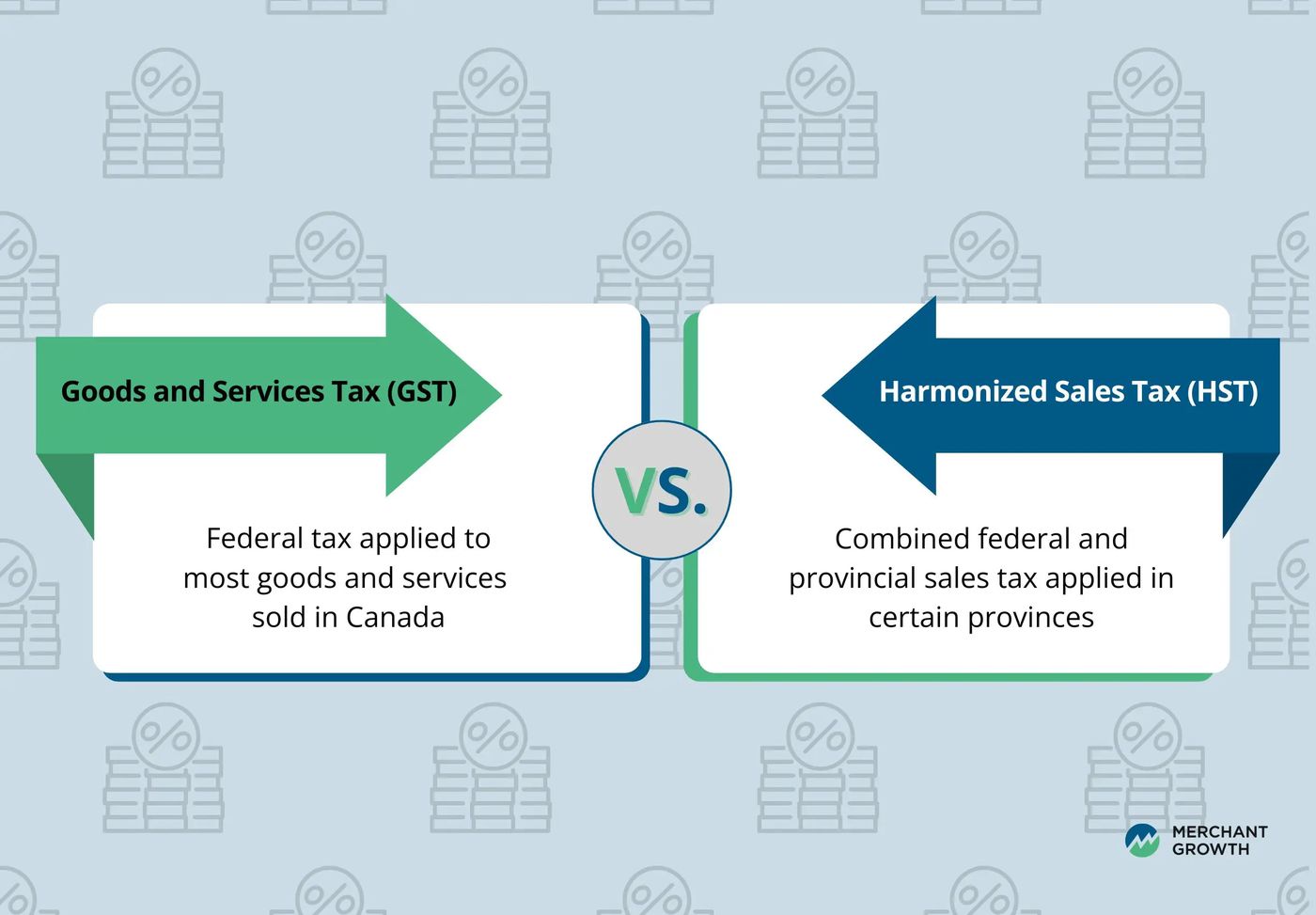
The Goods and Services Tax (GST) is a federal value-added tax applied to most goods and services sold in Canada. Introduced in 1991 at a rate of 7 percent, the current GST rate is 5 percent, effective since January 1, 2008. The tax is administered by the Canada Revenue Agency and raised 11.2 percent of total federal government revenue in the 2023 to 2024 fiscal year. Understanding the GST is essential for Canadian consumers and businesses as it affects pricing, business compliance, and government revenue.
How the GST Works as a Value-Added Tax
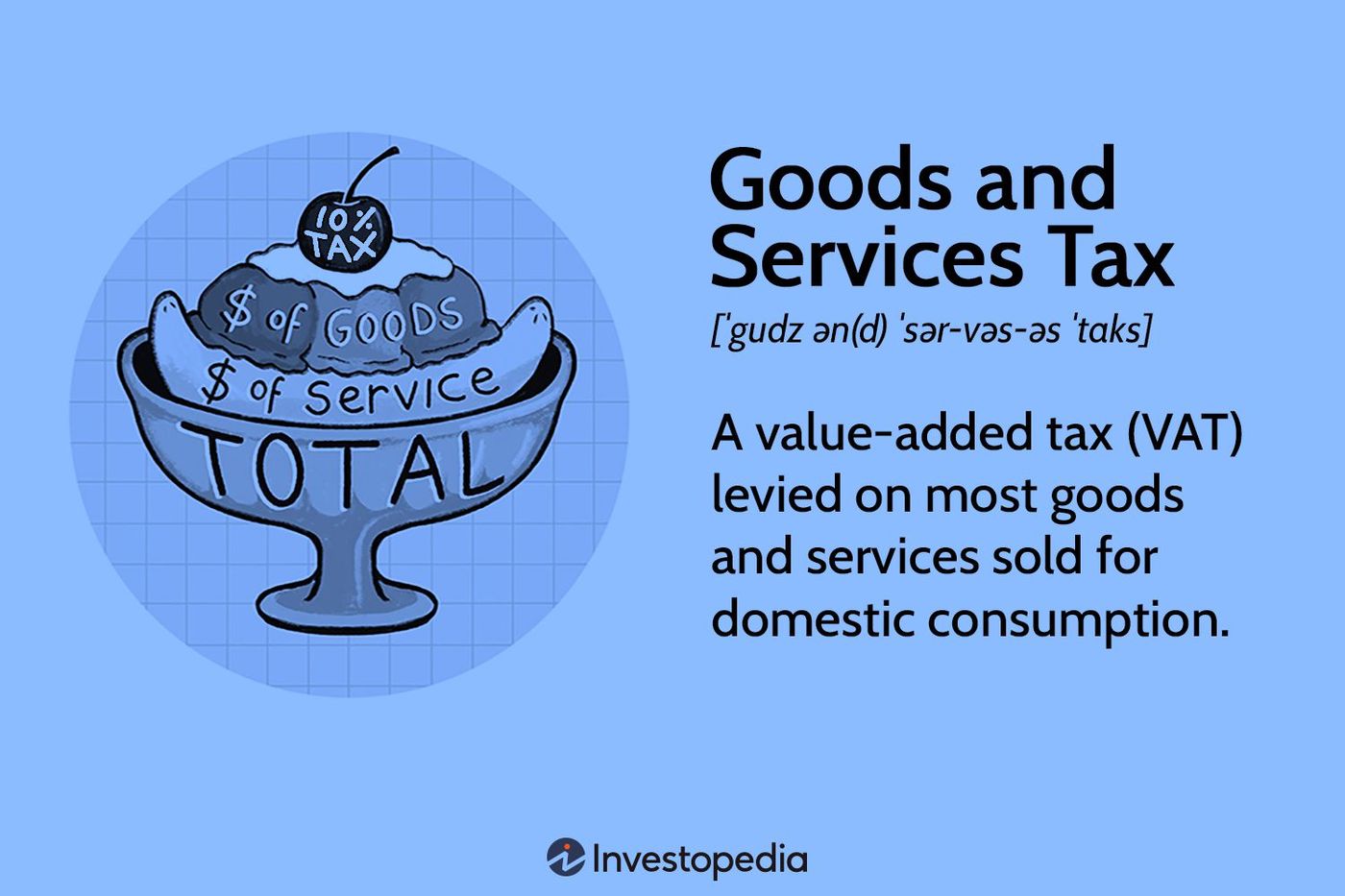
The Goods and Services Tax is a value-added tax (VAT) levied on the supply of most property and services purchased in Canada. It is applied at each stage of the supply chain, from manufacturing to retail. Businesses that are registered for GST collect the tax from their customers on taxable sales, which is known as output tax. These same businesses can claim back the GST they pay on their own business purchases and expenses, known as input tax credits, when they remit the tax they have collected to the Canada Revenue Agency. This system prevents tax cascading, where a tax is applied multiple times on the same good as it moves through production. Consequently, the full burden of the GST ultimately falls on the final consumer. The tax base includes most products and services, with specific exceptions for politically sensitive essentials. Exported goods are zero-rated, meaning they are taxed at a 0 percent rate, which allows exporters to recover GST paid on inputs. The registration threshold for GST is C$30,000 of sales to Canadian consumers annually, calculated over a single calendar quarter or the last four consecutive quarters.
Taxable, Zero-Rated, and Exempt Supplies
Supplies for GST purposes are categorized as taxable, zero-rated, or exempt, which determines how the tax is applied. Taxable supplies are subject to GST at the standard 5 percent rate or the applicable Harmonized Sales Tax rate. This category encompasses the majority of goods and services sold in Canada, including physical products, professional services, restaurant meals, accommodations, and digital products like software, subscriptions, and streaming services. Zero-rated supplies are taxed at a 0 percent rate, meaning no GST is charged to the customer. However, the sale is still considered taxable, allowing the supplier to recover any GST paid on inputs used to produce that supply. Common zero-rated items include basic groceries, prescription drugs, qualifying medical devices, feminine hygiene products, and most exports of goods and services. Exempt supplies are not subject to GST at all, and suppliers cannot charge tax on them. Furthermore, businesses making exempt supplies are generally not entitled to recover GST paid on related expenses. This category includes long-term residential rents, most health and dental care services provided by professionals, core educational services, day-care services, and most financial services. The distinction between these categories is critical for businesses to ensure correct tax collection and compliance.
History and Political Controversy
The Goods and Services Tax was introduced by the Progressive Conservative government of Prime Minister Brian Mulroney and Finance Minister Michael Wilson. It came into force on January 1, 1991, replacing the federal 13.5 percent Manufacturers' Sales Tax (MST) and the Federal Telecommunications Tax of 11 percent. The government argued the MST was hindering the manufacturing sector's export competitiveness, and the GST would make Canada more competitive. The original proposal was for a 9 percent national sales tax, but it was enacted at a rate of 7 percent. The introduction was highly controversial and faced strong public disapproval and parliamentary opposition. The Liberal-dominated Senate initially refused to pass the legislation, leading Prime Minister Mulroney to use a constitutional provision to temporarily appoint eight additional senators, giving his party a majority. Despite the opposition and a filibuster, the tax was implemented. In the 1993 election, the Liberal Party under Jean Chrétien won a majority after promising to repeal the GST. Instead of repeal, the Chrétien government attempted to merge it with provincial sales taxes into a Harmonized Sales Tax, a plan only three Atlantic provinces initially adopted. This broken promise caused internal party controversy, with MP John Nunziata voting against the budget and being expelled, and Heritage Minister Sheila Copps resigning and seeking re-election.
Provincial Sales Tax Systems and Rates
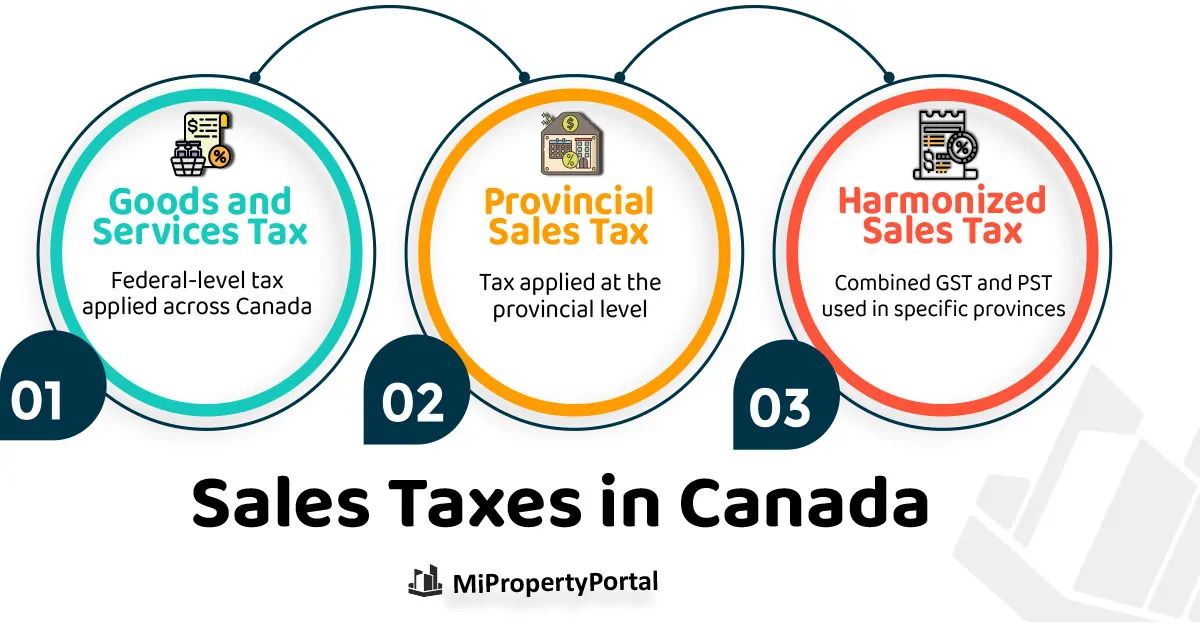
Sales tax in Canada involves a combination of federal GST and various provincial systems, leading to different total tax rates across the country. The federal GST rate is 5 percent and applies in all provinces and territories. However, provinces choose to administer sales tax in one of three ways. Five provinces have fully harmonized their provincial sales tax with the GST to create a single Harmonized Sales Tax administered by the Canada Revenue Agency. Three provinces levy a separate Provincial Sales Tax in addition to the GST, administered by their own provincial authorities. Alberta and the three territories impose only the 5 percent GST with no additional provincial sales tax. Quebec has a unique system where it administers both the federal GST and its own Quebec Sales Tax. The total tax charged to a customer depends entirely on the province or territory where the supply is considered to be made.
The federal Goods and Services Tax applies at a rate of 5% across Canada. In five provinces, this GST is combined with a provincial sales tax into a Harmonized Sales Tax. These provinces are Nova Scotia, New Brunswick, Newfoundland and Labrador, Ontario, and Prince Edward Island. British Columbia had an HST from 2010 until 2013 but later removed it. The provinces of British Columbia, Manitoba, and Saskatchewan charge a separate Provincial Sales Tax on top of the GST. Alberta and the three territories have the GST but no provincial or territorial sales tax.
| Province/Territory | System | Total Rate |
|---|---|---|
| Ontario | HST | 13% |
| Nova Scotia | HST | 15% |
| New Brunswick | HST | 15% |
| Newfoundland and Labrador | HST | 15% |
| Prince Edward Island | HST | 14% |
| British Columbia | GST + PST | 5% + 7% = 12% |
| Manitoba | GST + PST | 5% + 7% = 12% |
| Saskatchewan | GST + PST | 5% + 6% = 11% |
| Alberta | GST only | 5% |
| Yukon, NWT, Nunavut | GST only | 5% |
Harmonized Sales Tax simplifies administration for businesses as they deal with one tax authority and file one return. In provinces with separate PST, businesses must often register separately with the provincial tax authority and comply with distinct rules. Provincial sales taxes are retail sales taxes and are not recoverable as input credits, meaning PST paid on business purchases becomes a cost. The PST rate in British Columbia and Manitoba is 7 percent, while Saskatchewan's rate is 6 percent, and each province has its own legislation and exemptions.
Business Registration and Compliance
Businesses operating in Canada must understand when they are required to register for and charge GST, HST, and PST. For GST and HST, the key threshold is the small supplier limit of C$30,000 in worldwide taxable sales over a single calendar quarter or the last four consecutive quarters. Once a business exceeds this threshold, registration with the Canada Revenue Agency becomes mandatory, and the business must charge GST or HST on all taxable sales in Canada. Businesses below the threshold are not required to register but may choose to do so voluntarily to recover input tax credits. Certain businesses, such as taxi and limousine operators, must register regardless of sales volume. Registration creates a GST number linked to the federal business number. Non-resident vendors making taxable supplies in Canada are also generally required to register once they exceed the C$30,000 threshold, even without a physical presence in the country. For Provincial Sales Tax, registration rules are set by each province and vary. For example, British Columbia requires out-of-province vendors to register for PST if their annual revenue from sales in BC exceeds C$10,000. Marketplace facilitators that facilitate sales for third parties are also required to collect and remit PST in relevant provinces. Compliance involves charging the correct tax based on the customer's location, maintaining proper records, filing periodic returns, and remitting the net tax collected.
Key Changes and Current Debates
The GST has undergone significant changes since its introduction, most notably in its rate and its harmonization with provincial taxes. The original rate of 7 percent was lowered to 6 percent on July 1, 2006, and then to the current 5 percent on January 1, 2008, by the Conservative government of Stephen Harper. These reductions were estimated to decrease federal revenues by approximately C$6 billion and were criticized for disproportionately benefiting higher spenders. Harmonization has been a major theme, with the Harmonized Sales Tax first implemented in three Atlantic provinces in 1997. Ontario adopted HST in 2010, and Prince Edward Island in 2013. British Columbia briefly had an HST from 2010 until 2013, when it was removed after a provincial referendum. A continued debate surrounds the visibility of the tax. Unlike many countries with VAT, Canadian law does not require posted prices to include the GST because price-posting jurisdiction lies with the provinces. Provinces have chosen not to require tax-inclusive pricing, so consumers typically see pre-tax prices with GST and PST added at checkout, which contributes to the tax's notoriety. Provincial tax changes also occur, such as in British Columbia, which in 2026 paused a planned expansion of PST to professional services but implemented other changes to taxable services like cable television and clothing repair. The GST raised an estimated CA$52.5 billion in revenue in 2025, constituting about 10 percent of total federal revenues.
Notable Fraud Risks and System Integrity
The design of the GST as a value-added tax, while intended to prevent cascading, also creates opportunities for fraud that have challenged system integrity. The mechanism of input tax credits, where businesses deduct GST paid on inputs from GST collected on sales, can be exploited. Criminals have defrauded the system by claiming GST input credits for fictitious sales from non-existent companies, essentially receiving fraudulent refunds from the government. This type of fraud highlights that the system is not completely effective in all cases. The Canada Revenue Agency employs various compliance and audit measures to detect and prevent such fraudulent activities. The agency also administers rebate programs, such as the GST/HST credit for low-income individuals, which is calculated in conjunction with income tax returns. These credits are designed to offset the regressive nature of the consumption tax for lower-income households. Maintaining the integrity of the GST system remains an ongoing administrative priority for the federal government, and the agency must balance efficient tax collection with robust anti-fraud measures.
Frequently asked questions
What is the current GST rate in Canada?
The current federal Goods and Services Tax rate in Canada is 5 percent. This rate took effect on January 1, 2008. The GST was originally introduced at a rate of 7 percent in 1991. It is a value-added tax administered by the Canada Revenue Agency on most goods and services sold in the country.
What is the difference between GST, HST, and PST?
GST is the federal Goods and Services Tax levied at a rate of 5 percent. HST is the Harmonized Sales Tax, which combines the federal GST with a provincial sales tax into a single tax in certain provinces. PST is a Provincial Sales Tax, which is a separate tax levied in some provinces in addition to the GST. The HST is administered by the Canada Revenue Agency, while PST is administered by the respective provincial authorities.
When does a business need to register for GST/HST?
A business must register for GST and HST once it is no longer a small supplier. This occurs when its worldwide taxable sales exceed C$30,000 in a single calendar quarter or over the last four consecutive quarters. Once registered, the business must charge GST or HST on all taxable sales in Canada. Some businesses, like taxi operators, must register regardless of sales volume.
Are groceries subject to GST in Canada?
Basic groceries are zero-rated for GST, meaning they are taxed at a 0 percent rate. This category includes items like milk, bread, and vegetables. However, prepared foods, restaurant meals, and snacks are taxable. Zero-rated supplies allow businesses to recover GST paid on inputs, effectively removing the tax from the final cost of these essentials.
How does sales tax work for online sales to Canadian customers?
For online sales, the tax charged depends on the province or territory of the customer. Sellers must charge 5 percent GST to customers in Alberta and the territories. In HST provinces, the applicable HST rate is charged. In PST provinces, sellers must charge 5 percent GST plus the provincial PST rate if they are registered or required to register for PST in that province. Non-resident sellers may also have GST/HST obligations once sales to Canadian consumers exceed C$30,000 annually.
Which provinces use the Harmonized Sales Tax (HST)?
The provinces using the Harmonized Sales Tax are Nova Scotia, New Brunswick, Newfoundland and Labrador, Ontario, and Prince Edward Island. The HST was first adopted by three Atlantic provinces in 1997, with Ontario joining in 2010 and Prince Edward Island in 2013. It is a single tax that combines the federal Goods and Services Tax with the provincial sales tax. The Canada Revenue Agency administers the HST, and the collected revenue is divided among the federal and participating provincial governments according to a set formula. British Columbia also had an HST from 2010 until 2013, when it was removed after a provincial referendum.
Sources and further reading
- Goods and Services Tax (Canada) (Wikipedia) en.wikipedia.org
- Sales Tax in Canada: What Are GST, HST and PST? taxually.com
- GST Tax in Canada: Rates, Rules, and Registration stripe.com
- Canada, Corporate, Other taxes, Worldwide Tax Summaries taxsummaries.pwc.com
This article explains how things work and is not financial, tax or legal advice. Rules, limits and rates change, so check the current figures with the Canada Revenue Agency, your province or your financial institution before you act.