The Disability Tax Credit (DTC) is a federal non-refundable tax credit designed to help Canadians with severe and prolonged impairments, or their supporting family members, reduce their income tax burden. It is a key gateway to accessing other significant financial supports, including the Registered Disability Savings Plan (RDSP) and the Canada Workers Benefit Disability Supplement. Eligibility is determined by the Canada Revenue Agency (CRA) based on certification from a medical practitioner using Form T2201. The credit can provide substantial financial relief, with potential retroactive claims spanning up to ten previous tax years.
What is the Disability Tax Credit?
The Disability Tax Credit is a non-refundable tax credit under the Canadian Income Tax Act. Its purpose is to offset some of the extra costs associated with living with a severe and prolonged disability by reducing the amount of income tax an individual or their supporting family owes. A non-refundable credit means it can reduce tax payable to zero, but any excess amount is not paid out as a refund. The DTC is not a monthly benefit but a credit claimed annually on a tax return. It serves as a foundational eligibility requirement for several other government programs, creating a crucial link in Canada's support system for persons with disabilities. The credit amount is indexed to inflation and is typically between $8,000 and $10,000 annually, with a higher supplement available for individuals under the age of eighteen.
Eligibility and Qualifying Impairments
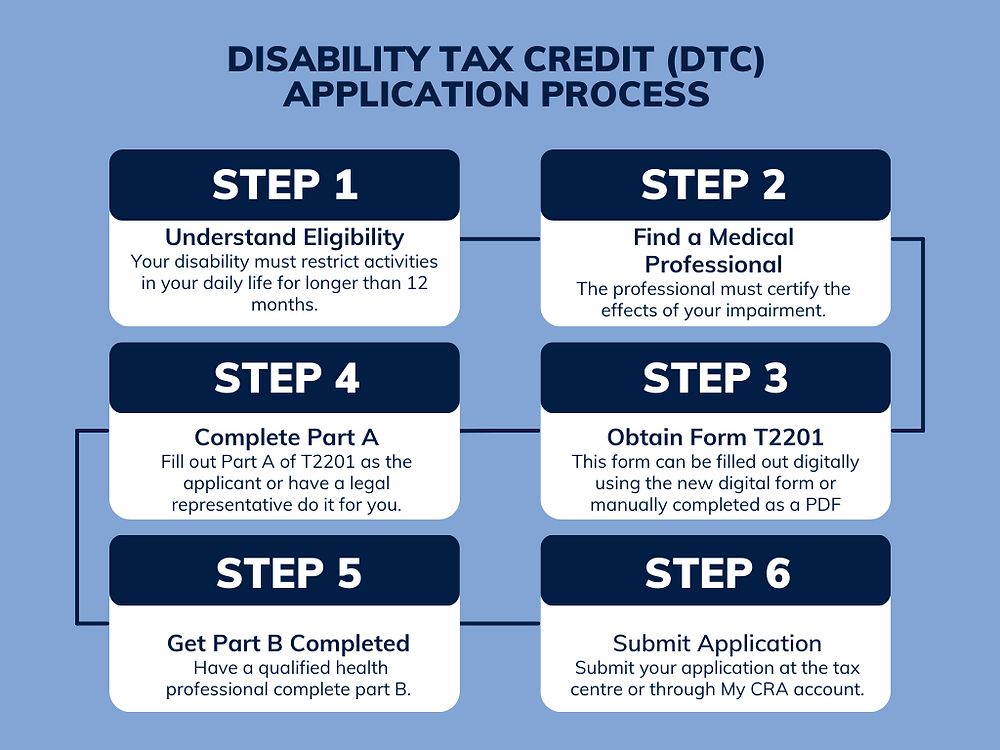
To be eligible for the DTC, an individual must have a severe and prolonged impairment in physical or mental functions, as certified by a qualified medical practitioner. The impairment must be prolonged, meaning it has lasted or is expected to last for a continuous period of at least 12 months. The key test is whether the impairment results in a marked restriction in one or more basic activities of daily living. The Canada Revenue Agency defines a marked restriction as being unable to perform an activity, or taking three times longer to perform it, all or substantially all the time (at least 90% of the time). The qualifying categories for these activities are specifically defined.
The basic activities of daily living used to assess marked restrictions include walking, feeding, dressing, mental functions necessary for everyday life, speaking, hearing, elimination (bowel or bladder functions), and vision. Mental functions encompass adaptive functioning, attention, concentration, goal setting, judgement, memory, perception of reality, problem-solving, and regulation of behaviour and emotions. If an individual does not have a single marked restriction, they may still qualify under one of two alternative pathways. The first is having significant limitations in two or more of the listed activities of daily living. The second is requiring life-sustaining therapy, such as dialysis or insulin therapy, which must be needed at least twice per week for an average of 14 hours per week. The cumulative effect provision, introduced in 2005, allows individuals with multiple significant restrictions that together create a marked restriction to qualify.
How to Apply Using Form T2201
Application for the Disability Tax Credit is made using Form T2201, the Disability Tax Credit Certificate. This form is divided into two parts that must be completed collaboratively. Part A is for the applicant or their legal representative to provide personal information, indicate if the credit will be transferred, and request reassessment of prior years. Part B must be completed and certified by an appropriate medical practitioner, such as a medical doctor, nurse practitioner, occupational therapist, psychologist, audiologist, or optometrist, depending on the nature of the impairment. The practitioner must detail how the impairment meets the specific eligibility criteria within the relevant category.
There are two methods to submit the form. The preferred digital method involves completing Part A online through the CRA's My Account portal, which generates a reference number for the medical practitioner to use when submitting Part B electronically. Alternatively, a paper form can be downloaded, completed, and mailed to the appropriate tax centre. As of July 2026, the CRA no longer accepts submissions through the 'Submit documents' feature, requiring use of the full digital application or mail. Older versions of the form issued before 2023 are also not accepted after September 2026. The CRA's review process typically takes about eight weeks, though it can be longer. It is advisable to apply well before filing your tax return, as claiming the credit without an approved T2201 on file will likely lead to a rejection.
Financial Benefits and Retroactive Claims
The primary financial benefit of the DTC is the reduction of federal and provincial income tax payable. For the 2026 tax year, the federal disability amount is $10,341. For those under 18, an additional supplement of up to $6,032 is added. The exact provincial credit amount varies but is calculated based on the federal figure. Because the credit is non-refundable, it can only reduce tax owed to zero. It does not generate a refund if no tax is payable. A significant feature of the DTC is the ability to make retroactive claims. Under the Taxpayer Relief Provisions, individuals can request that the CRA reassess tax returns for up to ten previous years if they were eligible during that time but did not claim the credit.
This retroactive adjustment can result in a substantial lump-sum refund. For example, if an individual had enough taxable income over a ten-year period, the total federal tax savings could exceed $11,000, not including provincial savings. Furthermore, if a medical practitioner charges a fee to complete the T2201 form, that cost can be claimed as a medical expense on line 330 of a personal tax return. The DTC's value extends beyond direct tax savings, as it is a mandatory prerequisite for accessing other financial vehicles like the Registered Disability Savings Plan, which includes government grants and bonds, and the Canada Workers Benefit Disability Supplement.
Transferring the Credit and Accessing Related Benefits
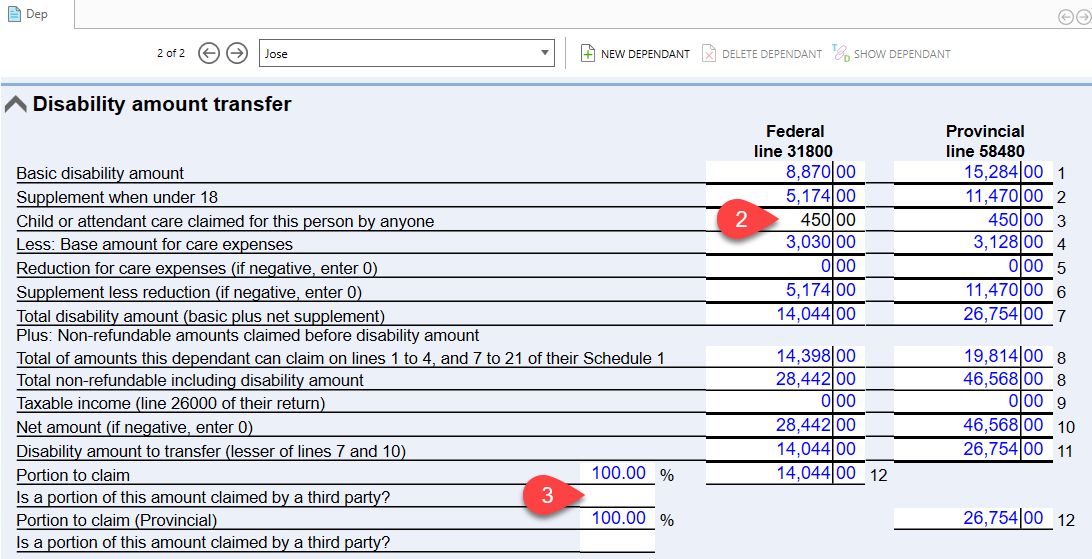
If the person with the disability does not have enough taxable income to use the full DTC amount, the unused portion can be transferred to a supporting relative. This allows the financial benefit to still assist the individual's support network. An eligible supporting relative can be a parent, grandparent, child, sibling, aunt, uncle, niece, or nephew. For a dependant, the transferred amount is claimed on line 31800 of the supporter's tax return, while for a spouse or common-law partner, it is claimed on line 32600. The transfer can be for the entire credit or just the portion the person with the disability could not use themselves.
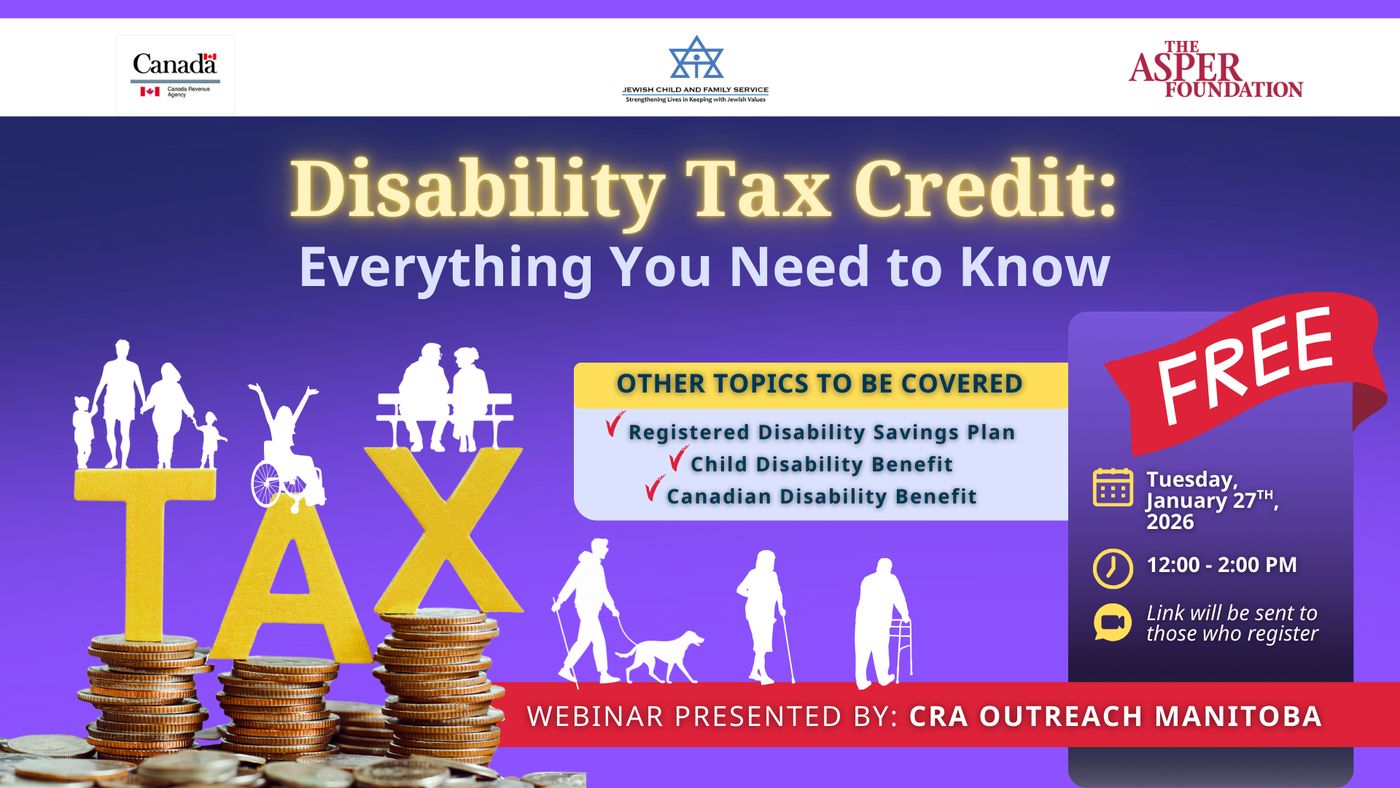
Approval for the DTC is a critical gateway to several other government programs. It is a mandatory eligibility requirement for opening a Registered Disability Savings Plan (RDSP), a long-term savings plan with government contributions. It also qualifies individuals for the Canada Workers Benefit Disability Supplement, an enhanced refundable tax credit for working individuals with disabilities. Other linked benefits include the Child Disability Benefit (a monthly payment for families), eligibility under the Canadian Dental Care Plan, and access to the Home Accessibility Tax Credit and the Canada Caregiver Credit. The DTC is also a prerequisite for the forthcoming Canada Disability Benefit.
Challenges, Appeals, and Getting Help
Many applicants find the DTC process challenging. Barriers include the complexity of Form T2201, difficulty in securing a medical practitioner's certification that aligns with CRA criteria, and a lack of awareness about eligibility rules. Applications are assessed on a case-by-case basis, and legitimate claims are sometimes denied. If an application is denied, the applicant has the right to file a formal objection with the CRA within 90 days of the date on the Notice of Determination letter. The objection process involves submitting a letter explaining why the decision should be reviewed, along with any new supporting documentation.
Several resources are available to assist applicants. Non-profit organizations, such as the Mood Disorders Society of Canada's Pathway to Benefits project and Inclusion Canada's Barriers-Free Benefits program, offer free navigation help. Disability-specific organizations like the Canadian Association of the Deaf may also provide support. Alternatively, private companies exist that specialize in assisting with DTC applications, often operating on a contingency fee basis where they take a percentage of any successful retroactive refund. Applicants should be aware that these fees can be substantial. The Association of Canadian Disability Benefit Professionals (ACDBP) represents a network of such organizations committed to a code of conduct. For direct inquiries, individuals can contact the CRA at their general inquiry line.
Historical Changes and Key Figures
The Disability Tax Credit has evolved since its inception, with significant changes to its eligibility criteria. A major update occurred in 2005 with the introduction of the 'cumulative effect of significant restrictions' category. This change allowed individuals with multiple impairments, where no single impairment constituted a marked restriction, to qualify based on their combined effect. This provision is only applicable for claims from 2005 onward. The financial amounts associated with the credit are adjusted annually for inflation. The table below outlines the federal credit amounts and key supplemental figures for recent and upcoming years.
| Year | Federal Disability Amount | Supplement for Under 18 |
|---|---|---|
| 2026 | $10,341 | Up to $6,032 |
| Typical Range | $8,000 - $10,000 | Varies annually |
Frequently asked questions
How much money is the Disability Tax Credit worth?
For the 2026 tax year, the federal DTC amount is $10,341. For individuals under 18, an additional supplement of up to $6,032 is added. The credit can reduce both federal and provincial tax. If claimed retroactively for up to ten previous years, the total financial benefit can be substantial, potentially amounting to tens of thousands of dollars in tax savings and refunds.
What happens if my DTC application is denied?
If your DTC application is denied, you will receive a Notice of Determination from the CRA. You have 90 days from the date on that letter to file a formal objection, requesting a review of the decision. You can submit additional information or clarification from your medical practitioner at that time. Many applicants also seek help from non-profit advocacy groups or, cautiously, from private consultant firms.
What is the Disability Tax Credit (DTC)?
The Disability Tax Credit (DTC) is a federal non-refundable tax credit in Canada designed to reduce the amount of income tax owed by individuals with a severe and prolonged impairment, or by a supporting family member. It is a credit claimed on line 316 or 318 of the tax return, not a monthly payment. The credit amount is substantial, for example the federal disability amount for 2026 is $10,341. Qualifying for the DTC is also a prerequisite for accessing other programs like the Registered Disability Savings Plan (RDSP) and the Canada Workers Benefit Disability Supplement.
Can you get the Disability Tax Credit for ADHD?
ADHD may qualify for the DTC if its effects on mental functions necessary for everyday life are severe and prolonged. The impairment must cause a marked restriction in adaptive functioning, attention, concentration, memory, problem solving, or regulation of behaviour and emotions. A medical practitioner, such as a psychologist or doctor, must certify on Form T2201 that the restriction is present all or almost all the time, meaning at least 90 percent of the time. The diagnosis alone is not enough. The application must demonstrate the significant impact on daily life.
What is Form T2201?
Form T2201, the Disability Tax Credit Certificate, is the official Canada Revenue Agency (CRA) application required to qualify for the DTC. The applicant or their legal representative completes Part A with personal details. A qualified medical practitioner, such as a doctor, psychologist, or occupational therapist, completes Part B to certify the nature, severity, and duration of the impairment. The completed form must be submitted to the CRA for approval, a process which typically takes about 8 weeks, before the credit can be claimed on a tax return.
Sources and further reading
- Disability Tax Credit (Wikipedia) en.wikipedia.org
- Disability Tax Credit (DTC) inclusioncanada.ca
- A Guide to the Canada Disability Tax Credit disabilityawards.ca
- Form T2201, Disability Tax Credit (DTC) explained wealthsimple.com
- Disability Credit Canada | Disability Tax Credit & Benefits ... disabilitycreditcanada.com
- Do I Qualify for the DTC? - Canada Disability Benefit canadadisabilitybenefit.ca
This article explains how things work and is not financial, tax or legal advice. Rules, limits and rates change, so check the current figures with the Canada Revenue Agency, your province or your financial institution before you act.