A credit score is a three-digit number that represents an individual's creditworthiness, or likelihood of repaying borrowed money on time. In Canada, credit scores are calculated by credit bureaus based on information in a person's credit report and range from 300 to 900. Lenders, landlords, and other organizations use this score to evaluate financial risk when considering applications for loans, mortgages, rentals, and other services. Understanding and managing your credit score is crucial for accessing favourable financial products and terms.
What a Credit Score Is and How It's Used
A credit score is a statistical analysis of a person's credit files designed to predict their likelihood of paying bills on time. This three-digit number is primarily based on credit report information sourced from credit bureaus. In Canada, as in many countries, lenders such as banks and credit card companies use credit scores to evaluate the potential risk of lending money and to mitigate losses from bad debt. The score helps determine who qualifies for a loan, at what interest rate, and with what credit limits. Credit scoring extends beyond traditional banks. Other organizations including mobile phone companies, insurance providers, landlords, and government departments employ similar techniques to assess risk. Digital finance companies and online lenders may also incorporate alternative data sources into their evaluations.
The fundamental purpose of a credit score is to provide a standardized, objective measure of financial reliability. For consumers, a higher score translates to greater trust from financial institutions. This trust can result in easier approval for credit, lower interest rates, and access to premium financial products. Conversely, a low credit score can lead to loan denials, higher borrowing costs, or requirements for a co-signer or additional security. The score is a dynamic figure that changes over time based on an individual's financial behaviour, meaning it is possible to improve it through responsible credit management.
How Credit Scores Work in Canada
The system of credit reports and scores in Canada is very similar to that in the United States. Two major credit reporting agencies, Equifax and TransUnion, are active in the country. Experian briefly entered the Canadian market but closed its operations in April 2009. Canadian consumers have the right to order a free copy of their credit report any number of times per year, provided the request is made in writing and for a printed copy to be delivered by mail. This differs from the United States, where consumers are entitled to only one free copy annually. Services like Borrowell and Credit Karma also offer free credit report checks, and these consumer-initiated requests are recorded as 'soft inquiries' which do not affect the credit score.
Credit scores in Canada are calculated using proprietary models developed by the bureaus and other companies. The most widely used scores are FICO Scores, which are employed by 90 percent of top Canadian lenders and credit unions. These scores are not typically available directly to consumers. Both Equifax and TransUnion produce scores on a scale from 300 to 900. According to Equifax's ScorePower Report, their scores range from 300 to 900, and Trans Union scores also range from 300 to 900. The Government of Canada offers a free publication called Understanding Your Credit Report, which provides sample documents and explanations of codes, along with general advice on building credit and spotting identity theft. This publication is available online from the Financial Consumer Agency of Canada and paper copies can be ordered at no charge for residents.
Credit Score Ranges and What They Mean
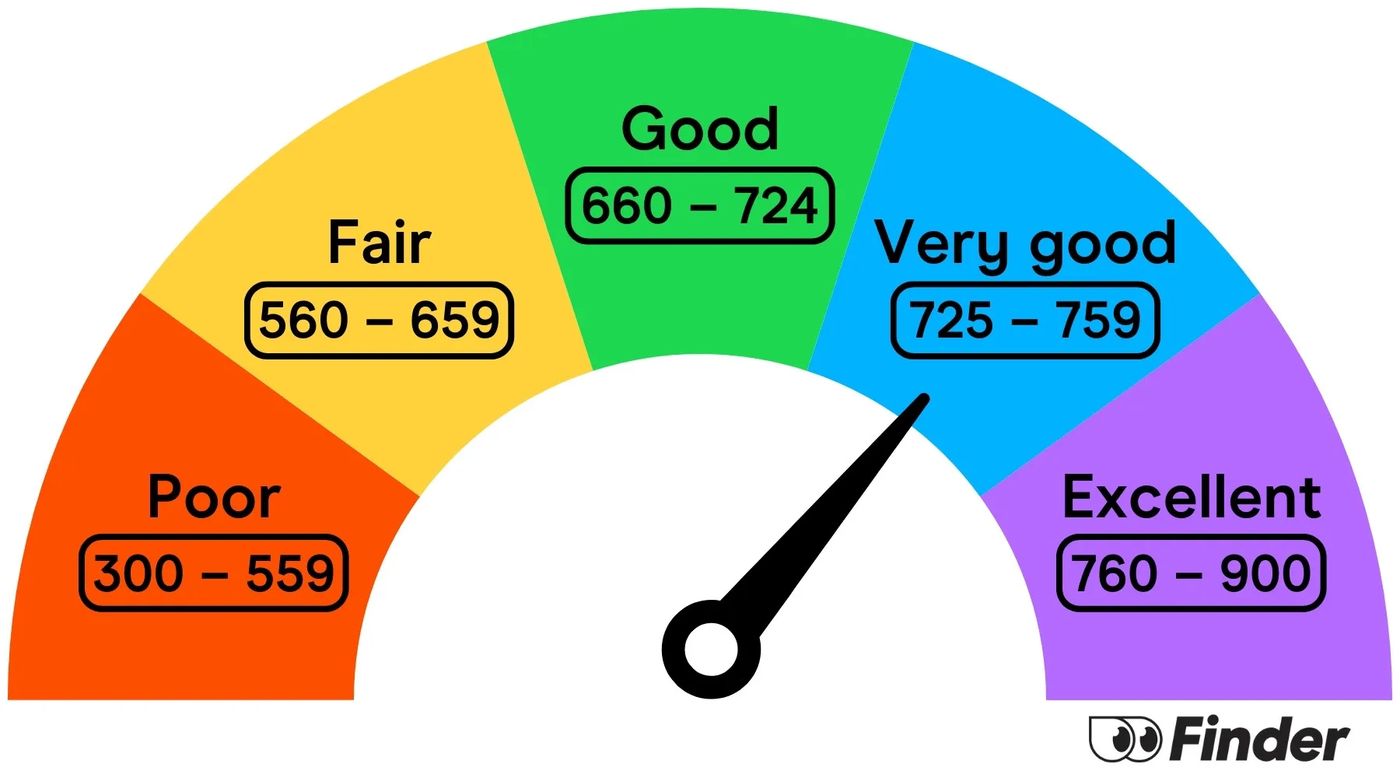
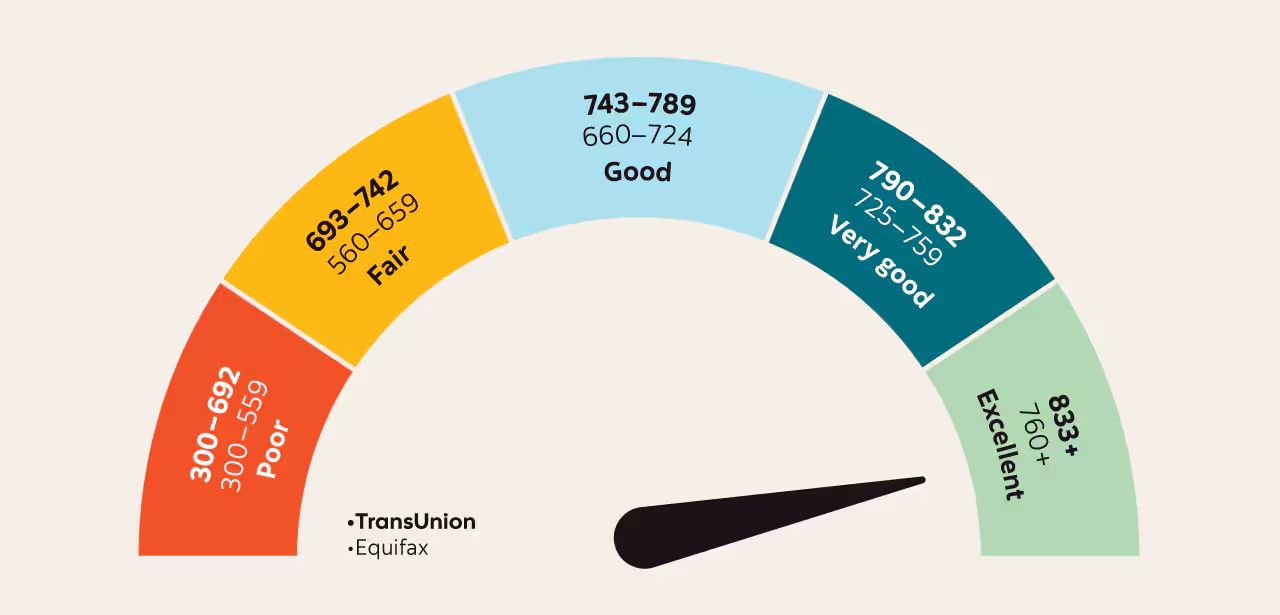
In Canada, credit scores range from a low of 300 to a maximum of 900. Lenders use these ranges to quickly assess a borrower's risk profile. The ranges are commonly broken down into five tiers, though specific cut-offs can vary slightly between Equifax and TransUnion. A score of 660 or higher is generally considered good and meets the threshold most lenders look for. Scores between 725 and 759 are considered very good, and anything 760 or above is excellent. As of November 2024, the average FICO credit score in Canada was 760, placing most Canadians in the very good to excellent range.
- Poor (300-559): Approval for credit is very difficult. Borrowers may be limited to secured products or face very high interest rates.
- Fair (560-659): Borrowers may still be approved but often with higher interest rates or stricter conditions. A co-signer might be required.
- Good (660-724): This is the threshold for acceptable credit. Consumers generally qualify for standard products, though not always the lowest rates.
- Very Good (725-759): Consumers are above average and should have little trouble getting approved at competitive rates.
- Excellent (760-900): Borrowers are considered very low risk and typically qualify for the most favourable interest rates and premium credit products.
In Canada, credit scores from Equifax and TransUnion range from 300 to 900. A perfect score of 900 is relatively rare. Striving for a score above 760 is a practical goal for accessing the best loan terms. What constitutes a good score can vary by lender, product, or specific credit bureau.
Factors That Determine Your Credit Score
Credit scores are calculated based on several key factors drawn from an individual's credit report. Each factor carries a different weight in the overall score. Payment history is the single most important factor, accounting for the largest portion of the score. It records whether bills for credit cards, loans, and lines of credit have been paid on time. Late payments, missed payments, and defaults can significantly lower a score and remain on a credit report for several years. Credit utilization, which is the amount of available credit being used, is another major factor. Keeping this ratio below 30 percent is generally advised, as high utilization can signal financial stress.
The length of credit history also influences the score. A longer history of responsibly managed accounts demonstrates experience and reliability to lenders. Conversely, having little or no credit history can make it harder to get approved. The types of credit used, such as a mix of revolving credit (like credit cards) and installment loans (like a car loan), can have a positive impact. Finally, recent credit inquiries and newly opened accounts are considered. When a lender makes a 'hard inquiry' to check your credit for a loan application, it can cause a small, temporary dip in your score. Opening several new accounts in a short period can be viewed as a risk. These five core factors together create a comprehensive picture of your credit management for lenders to evaluate.
The Canadian Credit Reporting Landscape
Canada's credit reporting system is dominated by two private companies: Equifax Canada and TransUnion Canada. These bureaus collect information from lenders and creditors to compile individual credit reports, which form the basis for credit scores. While both bureaus use a 300 to 900 scale, an individual's score can differ between them for several reasons. Not all lenders report account information to both bureaus, so each may have a slightly different data set. Equifax and TransUnion also use their own proprietary algorithms to calculate scores, which may weigh factors differently. Creditors may also report updates to each bureau at different times, leading to temporary discrepancies in the scores.
| Bureau | Score Range | Key Details |
|---|---|---|
| Equifax | 300-900 | Provides scores on this scale. Consumers can access a free report by written request. |
| TransUnion | 300-900 | Provides scores on this scale. Also offers free report access via written request. |
When a lender checks your credit, they typically pull a report from only one of these bureaus. The choice of bureau can vary by financial institution and province. This is why it is beneficial for consumers to monitor their reports from both sources. Consumers can obtain their credit report for free by submitting a written request by mail to either bureau, as required by consumer reporting legislation. Numerous free online services, such as Borrowell (which partners with Equifax) and Credit Karma, also provide access to credit scores and reports without affecting the score. These services offer weekly updates and personalized insights to help manage credit health.
How to Build and Maintain a Good Credit Score
Building and maintaining a strong credit score requires consistent, responsible financial behaviour over time. The most critical action is to always pay bills on time. Setting up automatic payments or payment reminders can help avoid missed due dates. Keeping credit card balances low relative to their limits is also essential. Aim to use less than 30 percent of your available credit on each card and across your total revolving accounts. It is beneficial to maintain a long history of active accounts, so avoid closing your oldest credit card, even if you no longer use it frequently. This demonstrates a long and stable relationship with credit.
Applying for new credit only when necessary helps minimize hard inquiries on your report. When building credit from scratch, consider products designed for this purpose, such as secured credit cards or programs like the Scotiabank StartRight Program for newcomers. Regularly checking your credit report allows you to spot and dispute any errors or signs of fraudulent activity. Since you can request free reports by mail as often as you like, it is a good practice to review them at least annually. Using free monitoring services can provide more frequent updates and insights into factors affecting your score. These steps, taken together, form a solid strategy for establishing and preserving a positive credit history.
Common Debates and Risks Related to Credit Scores
One ongoing debate centres on the transparency and consistency of credit scoring. Consumers often find that the score they see from a free service differs from the one a lender uses, leading to confusion. This is because lenders frequently use proprietary FICO Scores or other industry-specific models not directly available to consumers. Furthermore, the criteria for what constitutes a 'good' score can vary between lenders, making it difficult for borrowers to know exactly where they stand. Another area of discussion involves the use of credit scores by non-lenders, such as landlords and employers, raising questions about the appropriateness of this data for purposes beyond lending.
Major risks associated with credit scores include identity theft and reporting errors. Fraudulent accounts opened in your name can severely damage your credit score and take significant time to resolve. Inaccurate negative information, such as a payment incorrectly marked as late, can also unjustly lower your score. Consumers must be proactive in monitoring their reports to catch these issues early. Proactively using tools designed to establish credit and regularly reviewing reports are key defences against these common risks.
Frequently asked questions
What is a good credit score in Canada?
In Canada, a credit score of 660 or higher is generally considered good. Scores between 725 and 759 are classified as very good, and a score of 760 or above is excellent. These thresholds mean you are likely to qualify for credit at favourable interest rates. The average FICO score in Canada as of November 2024 was 760.
How can I check my credit score for free in Canada?
You can check your credit score for free in several ways. By law, you can request a free printed copy of your credit report by mail from Equifax or TransUnion any number of times per year. Many free online services, such as Borrowell and Credit Karma, also provide access to your credit score and report. These consumer checks are recorded as soft inquiries and do not affect your credit score.
Why are my Equifax and TransUnion credit scores different?
Your Equifax and TransUnion credit scores can differ for a few reasons. Not all lenders report your account activity to both bureaus, so each may have slightly different information. The two bureaus also use their own proprietary formulas and scoring models to calculate your score. Additionally, creditors may update information at each bureau on different schedules, causing temporary discrepancies.
What is the credit score range in Canada?
In Canada, credit scores range from a low of 300 to a high of 900. A higher score indicates lower risk to lenders. The scale is divided into categories: 300-559 is poor, 560-659 is fair, 660-724 is good, 725-759 is very good, and 760-900 is excellent. Most lenders use scores provided by Equifax or TransUnion, which both use this 300-900 scale.
How can I improve my credit score?
You can improve your credit score by consistently paying all your bills on time, as payment history is the most important factor. Keep your credit card balances low, ideally using less than 30% of your available credit. Maintain older credit accounts to preserve a long credit history. Avoid applying for multiple new credit products in a short period, and regularly check your credit report for errors you can dispute.
Who uses my credit score in Canada?
Lenders such as banks and credit card companies use credit scores to evaluate risk and determine loan approvals, interest rates, and credit limits. Other organizations like mobile phone companies, insurance companies, landlords, and government departments also use credit scores to assess creditworthiness. Digital finance companies such as online lenders may use alternative data sources for their evaluations. In Canada, the two major credit reporting agencies are Equifax and TransUnion, which provide the data for these assessments. Consumers can access their own credit reports for free any number of times per year by requesting a printed copy by mail.
Sources and further reading
- Credit score (Wikipedia) en.wikipedia.org
- Consumer Credit Report | Equifax CA equifax.ca
- What's a good credit score in Canada (and how to get one)? scotiabank.com
- Check Your Free Credit Score in Canada borrowell.com
- What is a good credit score in Canada? Ranges explained wealthsimple.com
- How to check your credit report and credit score cibc.com
This article explains how things work and is not financial, tax or legal advice. Rules, limits and rates change, so check the current figures with the Canada Revenue Agency, your province or your financial institution before you act.