A credit bureau is a data collection agency that gathers information about individuals' borrowing and bill-paying habits. In Canada, the two primary credit bureaus are Equifax Canada and TransUnion Canada. These private companies compile credit reports that lenders use to assess creditworthiness, affecting loan approvals, interest rates, and other financial terms. Understanding how credit bureaus operate is crucial for Canadians, as credit reports and scores significantly impact major life decisions like obtaining a mortgage, renting an apartment, or even securing employment.
What a Credit Bureau Is and How It Works
A credit bureau, also known as a credit reporting agency, is an organization that collects and aggregates personal financial information from various sources known as data furnishers. These furnishers include creditors, lenders, utilities, debt collection agencies, and courts. The bureau compiles this data into a comprehensive credit report for each individual consumer. The primary function of a credit bureau is to reduce information asymmetry between borrowers and lenders, helping to prevent adverse selection and moral hazard in lending. Lenders use these reports to evaluate a person's creditworthiness, which is their likelihood to repay a debt. This evaluation directly influences the interest rates and terms offered through a process called risk-based pricing, where borrowers with poorer credit histories typically pay higher rates. Beyond lending, credit records are increasingly used in other areas such as employment screening and insurance underwriting due to their predictive value.
Credit bureaus apply mathematical algorithms to the information in a credit report to generate a credit score, a numerical summary of credit risk. This score allows lenders to quickly assess the probability of default. Most consumer welfare advocates recommend that individuals review their credit reports at least once a year to ensure accuracy. In addition to credit assessment, these agencies have become authoritative sources for identity verification, used in services like knowledge-based authentication. The core service transforms raw payment data into a standardized, mechanistic evaluation tool that is critical for the functioning of modern consumer credit markets.
The History of Credit Reporting
Following the Panic of 1837, the first commercial credit reporting organizations were formed to provide merchants with information on the creditworthiness of customers and other businesses. By the 1850s, these agencies distributed coded reference books to subscribing wholesalers, merchants, banks, and insurance companies. A significant technological shift occurred in 1875 when typed reports began to replace handwritten ledgers for storing and retrieving credit information. By the end of the 1880s, systematic surveillance of retail customers was established in major urban centers, laying the groundwork for modern consumer credit reporting.
The profession of credit management became more formalized by the late 1890s, with retailers and bureau operators creating standardized categories for assessing creditworthiness. The expansion of credit spending during the 1910s and 1920s led credit managers to use customer information for targeted sales promotions. The 1930s saw a push from automobile, finance, and petroleum companies for more standardized reports from the over one thousand credit bureaus then in operation. The advent of teletype machines and widespread telephone use made older credit rating books obsolete. A key moment came in 1965 with the launch of the first computerized credit bureau, which began the era of automation and industry consolidation. This period also saw the widespread adoption of credit scoring. Concerns about accuracy and consumer rights led to hearings and the eventual passage of the Fair Credit Reporting Act in the United States in 1970, establishing foundational consumer protections.
Credit Bureaus in Canada: Equifax and TransUnion
In Canada, the consumer credit reporting landscape is dominated by two private companies: Equifax Canada and TransUnion Canada. These are the two major credit bureaus that collect, maintain, and share information about how Canadians manage credit. Their core role is to provide individual credit information and monitoring services, primarily for the benefit of lenders such as banks, credit unions, auto finance companies, and other financial institutions. They translate a consumer's credit history into measurable metrics, like a credit score, so any lender can quickly assess the risk of extending credit. A minor drop in a credit score signals an increased statistical likelihood of default on a new loan, making this information critical for lender due diligence.
While both bureaus operate similarly, they manage independent databases and can have slight variances in how they handle and report data. Not all lenders report information to both bureaus. Some may report to only one or to none at all. Additional information is sourced from collection agencies and public records. Credit bureaus in Canada are regulated at both the federal and provincial levels. Most provinces have their own credit reporting legislation governing how consumer information can be shared. At the federal level, the Personal Information Protection and Electronic Documents Act (PIPEDA) sets national standards for the protection of personal information. Credit bureaus share consumer information in the form of a credit report with third parties only when the consumer has given permission, such as to a bank, landlord, or credit card company during an application process.

What Is in a Canadian Credit Report
A Canadian credit report is a detailed record of an individual's credit history. It includes several key categories of information that together paint a picture of financial responsibility. The report contains personal identification details such as name, address, date of birth, and Social Insurance Number. The core of the report lists credit accounts, also known as tradelines, that have been established with lenders. For each account, the report shows the type of credit, the date it was opened, the credit limit or loan amount, the current balance, and the payment history. The payment history indicates whether payments have been made on time, late, or missed entirely.
Beyond standard credit accounts, the report includes other significant financial data. This includes records of debts that have been sold to a collection agency, public record information like court judgments and tax liens, and details of any bankruptcies. Inquiries are also logged, showing which companies have requested a copy of the credit report, typically when a consumer applies for new credit. All this information is used by the credit bureau's algorithms to generate a credit score, which in Canada ranges from 300 to 900. A higher score indicates lower risk to lenders. It is important to note that consumers have multiple credit scores from different models, and the score provided directly to a consumer by a bureau may be an educational estimate that uses a slightly different algorithm than the one provided to lenders.
How Long Information Stays on Your Credit Report
The duration that negative information remains on a Canadian credit report is governed by policy and regulation, and it varies depending on the type of event. Most derogatory information has a significant impact on a credit score for a period of six years. This standard timeframe applies to many common items that lenders review when assessing risk. Understanding these timelines is important for financial planning and rebuilding credit.
- Accounts in good standing: Typically remain on the report for up to 20 years after the last activity.
- Late payments: Generally stay on the report for six years from the date of the missed payment.
- Accounts sent to collection: Remain for six years from the date of the last payment or activity on the account.
- First-time bankruptcy: Stays on the credit file for six years in most provinces and territories.
- First-time bankruptcy in Ontario, Quebec, New Brunswick, Prince Edward Island, and Newfoundland and Labrador: Remains for seven years.
- Subsequent bankruptcies: Stay on the record for 14 years from the date of discharge.
- Court judgments: Follow the same rules as bankruptcies in most jurisdictions.
- Court judgments in Prince Edward Island: Remain on the record for 10 years.
These retention periods mean that financial missteps can have a long-lasting effect on one's ability to access credit. A paid debt, however, is viewed more favourably than an unpaid one, even if the record remains. Some collection agencies may delay reporting a debt to a bureau for a short period, such as 30 days, to allow for resolution, but this is not a guaranteed practice. Proactively managing and correcting information on a credit report is a consumer's own responsibility.
How to Access Your Credit Report and Score in Canada
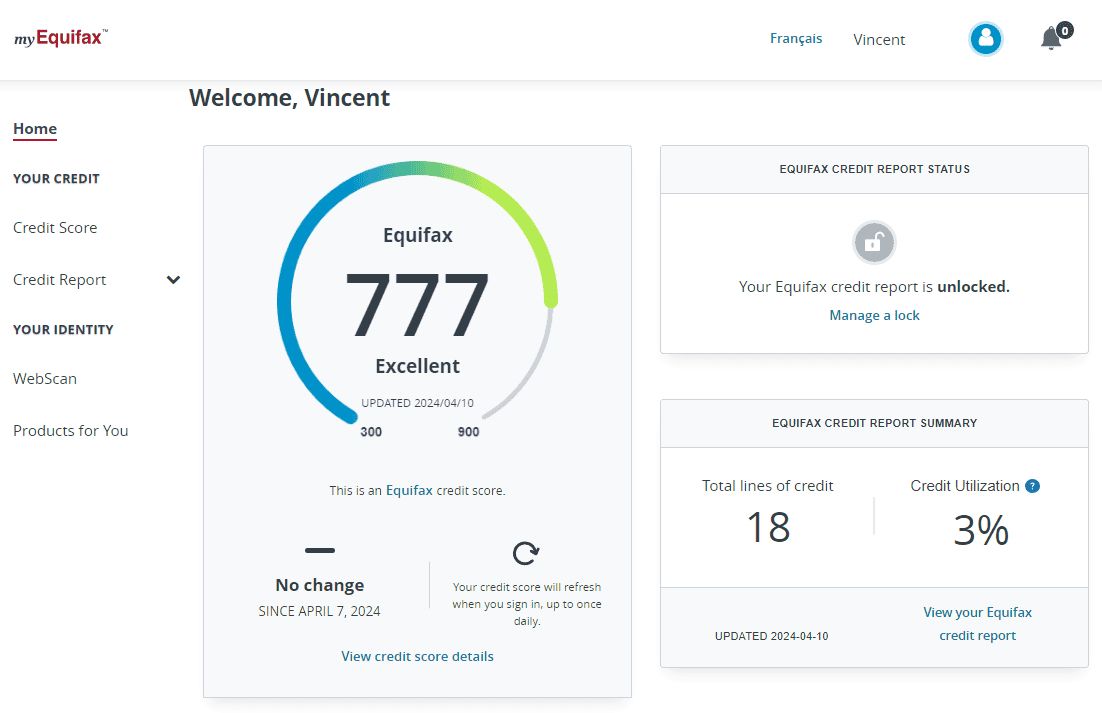
Every Canadian is entitled to access their credit report for free. Both Equifax and TransUnion are required to provide a free copy of a consumer's credit report upon request. This free report is called a 'credit file disclosure' by Equifax and a 'consumer disclosure' by TransUnion. Obtaining your own report has no negative effect on your credit score. It is advisable to check reports from both bureaus, as the information they contain can differ. There are several methods to request these reports, each with its own process.
One can access credit reports online for free directly through the Equifax and TransUnion websites. If the online identity verification questions cannot be answered successfully, the bureaus will mail a copy instead. For a free credit score, Equifax provides an online estimate based on its data, while TransUnion typically charges for a score estimate. These consumer-facing scores are educational estimates and may use a different algorithm than the scores provided to lenders. Another method is to call the bureaus' toll-free numbers. Equifax Canada can be reached at 1-800-465-7166 and TransUnion Canada at 1-800-663-9980. After automated identity verification, a credit report is mailed, usually arriving within three weeks. The third method is to mail a completed request form to each bureau. These forms are available for download on their websites. Once processed, the report is returned by mail at no charge. Reports received by mail include explanatory notes to help consumers understand the contents and instructions for disputing errors.
Regulation and Consumer Rights in Canada
Credit reporting agencies in Canada operate within a framework of laws designed to protect consumer information and ensure fair practices. Regulation occurs at two main levels: provincial and federal. Most provinces and territories have enacted their own specific credit reporting legislation that dictates how agencies may collect, use, and disclose consumer credit information. These laws outline the rights of consumers to access their data and dispute inaccuracies. At the federal level, the Personal Information Protection and Electronic Documents Act (PIPEDA) sets the ground rules for how private-sector organizations, including credit bureaus, must handle personal information in the course of commercial activity.
PIPEDA requires organizations to obtain consent when collecting, using, or disclosing personal information, and it grants individuals the right to access the information held about them and challenge its accuracy. Credit bureaus must abide by these principles. Consumers have the right to dispute any information on their credit report they believe to be inaccurate. Both Equifax and TransUnion have processes to investigate such disputes at no charge to the consumer. If an error is found, the bureau must correct it. Furthermore, bureaus are only permitted to share a consumer's credit report with third parties when the consumer has given permission, such as when applying for credit. This regulatory environment aims to balance the need for reliable credit information in the financial system with the protection of individual privacy and the right to accurate data.
The Role of Credit Bureaus in the Financial System
Credit bureaus play a fundamental role in the modern financial ecosystem by mitigating risk and enabling efficient credit markets. Their primary economic function is to reduce the problem of asymmetric information, where lenders lack complete knowledge about a borrower's true risk of default. By aggregating data from numerous sources, bureaus provide a more complete and objective risk profile of an individual. This allows lenders to screen and monitor borrowers more effectively, avoiding loans to high-risk individuals and offering better terms to low-risk ones. This process, known as risk-based pricing, leads to more accurate interest rates that reflect the true cost of lending.
The system also benefits consumers by promoting competition among lenders. When credit information is widely available, it reduces the credit monopoly power that individual banks might hold, as consumers can shop around with a portable credit history. Furthermore, the existence of a credit record creates a powerful incentive for borrowers to repay their debts on time to maintain a good score. Beyond traditional lending, credit data is used in other decision-making contexts. Employers may use credit checks for certain positions, especially those involving financial responsibility, and property and casualty insurance companies may use credit information in their underwriting processes, as studies have shown correlations between credit history and insurance risk. This broad utility underscores why maintaining an accurate and positive credit record is so important for financial health and opportunity.
Frequently asked questions
What are the two main credit bureaus in Canada?
The two main credit bureaus in Canada are Equifax Canada and TransUnion Canada. They are private companies that collect information about a consumer's credit accounts and payment history. They also gather data on debts sold to collection agencies and bankruptcies. Lenders and creditors report this information to the bureaus, though not all report to both or any.
What laws regulate credit bureaus in Canada?
Credit bureaus in Canada are regulated by governments on a provincial and territorial level. Most provinces have their own credit reporting legislation that dictates how agencies may share consumer information. Furthermore, there is a federal law called the Personal Information Protection and Electronic Documents Act (PIPEDA) that the credit reporting agencies must follow. These regulations govern the collection, use, and disclosure of personal information in the course of commercial activity, ensuring credit bureaus operate within a legal framework designed to protect consumer data.
How do credit bureaus in Canada get my information?
Credit bureaus in Canada gather information from lenders and creditors who report it to them. Other sources like collection agencies and public records information are also reported. However, not all lenders report to the credit bureaus, some may only report to one, while others may report to none. The information collected includes details about a consumer’s credit accounts, payment history, debts sold to a collection agency, and bankruptcies. This data is then compiled into a credit report.
Who can access my credit report in Canada?
Credit bureaus share consumer information in the form of a credit report to third parties with whom a consumer has given permission. This includes banks, credit unions, lenders, credit card companies, and even landlords. These third parties use the credit report to help them make decisions about the consumer, such as whether to approve a loan or credit card application. The sharing of this information is governed by consumer permission and regulated by provincial laws and the federal PIPEDA.
What is the purpose of a credit bureau?
A credit bureau gathers account information to reduce asymmetric information between borrowers and lenders, alleviating problems like adverse selection. Lenders use this information to evaluate creditworthiness, affecting loan interest rates and terms through risk based pricing. Consumers benefit because a good credit information system reduces credit monopoly from banks and incentivizes timely loan repayment. Beyond lending, credit records are increasingly used for employment screening and insurance underwriting due to their predictive value.
How can I get my free credit report in Canada?
Consumers can get their credit report by mail from Equifax Canada or TransUnion Canada. The phone numbers to request a report are 1 800 465 7166 for Equifax and 1 800 663 9980 for TransUnion. Checking your own report does not hurt your credit score. It is advised by consumer welfare advocates to review credit reports at least once a year to ensure accuracy. Reports can also be accessed online through the bureaus' respective services.
Sources and further reading
- Credit bureau (Wikipedia) en.wikipedia.org
- Equifax: Check & Monitor Your Credit Report and Credit Score equifax.ca
- Credit bureau reports | Scotiabank Canada scotiabank.com
- Credit Bureaus of Canada & Collection Agencies metcredit.com
- Free Credit Report in Canada: 3 Ways to Get Yours | CCS nomoredebts.org
This article explains how things work and is not financial, tax or legal advice. Rules, limits and rates change, so check the current figures with the Canada Revenue Agency, your province or your financial institution before you act.