The Canada Carbon Rebate (CCR) was a federal program designed to return the proceeds from the federal pollution pricing system to households and small businesses. For individuals, it provided quarterly cash payments to residents of provinces under the federal fuel charge system to help offset the cost of carbon pricing. The program for individuals ended on March 15, 2025, when the federal fuel charge and related rebates were stopped. For small businesses, a final distribution of remaining rebate funds was announced for late 2025, with specific eligibility criteria based on corporate structure and employee count.
What Was the Canada Carbon Rebate
The Canada Carbon Rebate, formerly known as the Climate Action Incentive payment, was a cash benefit provided by the Government of Canada. Its primary purpose was to return a portion of the revenue collected from the federal carbon pricing system, known as the fuel charge, back to households. The rebate was intended to help offset the costs associated with federal pollution pricing for everyday expenses like home heating and transportation. The program operated on the principle that most households would receive more money back than they paid in direct costs from the carbon levy. It was available to residents in provinces where the federal fuel charge system applied, which did not have their own carbon pricing systems deemed equivalent to the federal standard. The program for individuals was delivered through quarterly payments directly into bank accounts or by cheque, and it was closed as of March 15, 2025.
How the Rebate Worked for Individuals
For individuals and families, the Canada Carbon Rebate was an automatic, quarterly payment. Eligibility was based primarily on residency in a province under the federal fuel charge system and filing a personal income tax return. The Canada Revenue Agency used information from tax returns to determine eligibility and calculate payment amounts. Payments were issued four times a year, typically in January, April, July, and October. The amount a household received depended on family size and province of residence, with larger families receiving higher amounts. For the 2024-25 benefit year, a family of four could receive up to $1,800 annually across the four payments. The payments were non-taxable, meaning recipients did not have to declare them as income on their tax returns. The government estimated that eight out of ten households received more in rebates than they paid in direct costs from the carbon price.
The Program for Small Businesses
A separate stream of the Canada Carbon Rebate was designed for eligible small businesses. The government announced that $623 million in remaining rebate payments for the 2024-25 period would be returned to small businesses before the end of 2025. Eligibility for this rebate was strictly limited to Canadian-controlled private corporations, meaning sole proprietorships and partnerships did not qualify. A key criterion was that the business must have employed 499 or fewer employees across Canada during the relevant period. The rebate amount was calculated based on the number of employees, including full-time, part-time, and seasonal workers, as reported on T4 slips. There was no separate application process, as the CRA automatically assessed eligibility using corporate tax returns and T4 information. Legislation passed in March 2026 ensured these rebates were tax-free for the receiving businesses.
Eligibility Rules and Payment Details
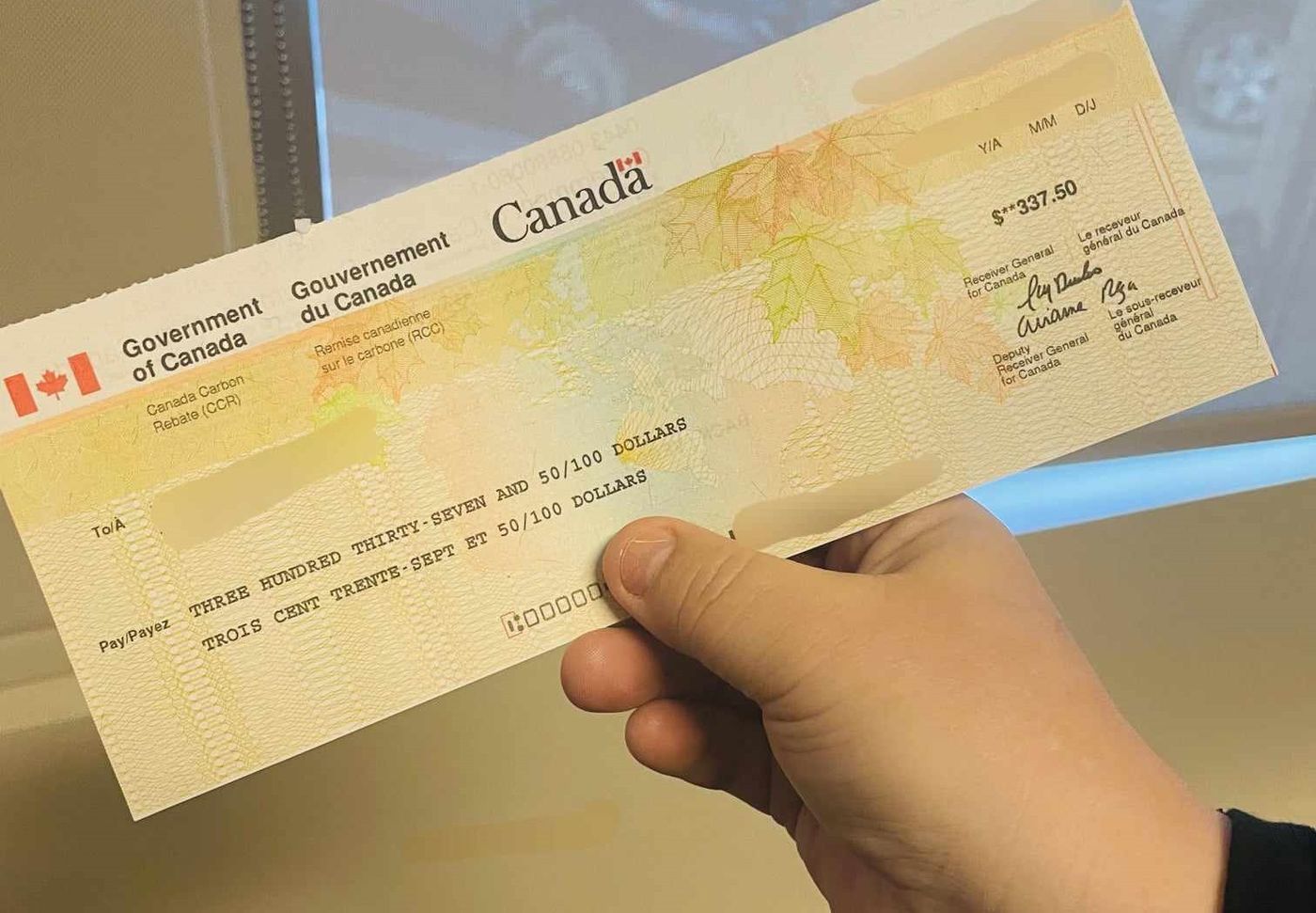
Specific rules governed eligibility for both the now-closed individual rebate and the ongoing small business rebate distribution. For individuals, residents had to file a T1 Income Tax and Benefit Return for the relevant year and live in a province under the federal system. For the small business rebate, the corporation must have filed its corporate income tax return for the 2023 tax year by July 15, 2024, to be eligible for retroactive payments. The business must also have had at least one employee working in a designated province during the fuel charge year. Even if a parent company had more than 500 employees, individual subsidiaries with 499 or fewer employees could qualify independently. Businesses in British Columbia and Quebec, which have their own provincial carbon pricing systems, could still qualify for the federal rebate if they met all other criteria. The CRA issued payments via direct deposit or cheque, with the final small business payments scheduled between December 2 and December 16, 2025.
- Individual eligibility required residency in Alberta, Saskatchewan, Manitoba, Ontario, New Brunswick, Nova Scotia, Prince Edward Island, or Newfoundland and Labrador.
- Small business eligibility required status as a Canadian-controlled private corporation (CCPC).
- The employee count of 499 or fewer includes all full-time, part-time, and seasonal staff.
- Eligibility assessment was automatic based on filed T2 corporate returns and T4 slips.
- Payments were issued directly by the Canada Revenue Agency.
- The rebate amounts were non-taxable income for recipients.
Historical Context and Program Evolution
The Canada Carbon Rebate evolved from the Climate Action Incentive payment. The government began delivering these payments on a quarterly basis starting in July 2022, moving from an annual credit claimed on tax returns to more regular instalments. This change was intended to provide households with funds throughout the year to help with ongoing costs. The federal carbon price itself was set at $80 per tonne of carbon dioxide equivalent as of April 2024, with a planned increase to $170 per tonne by 2030. In British Columbia, a separate provincial program called the B.C. climate action tax credit also provided quarterly payments but ended with its final payment in April 2025. The federal program for individuals concluded on March 15, 2025, alongside the cessation of the federal fuel charge. The small business rebate process saw legislative changes in 2026 to confirm its tax-free status and to potentially extend filing deadlines for eligibility.
Payment Amounts and Calculations
Rebate amounts varied by year, province, and recipient category. For individuals in the 2024-25 benefit year, the total annual amount for a family of four could reach up to $1,800 in provinces under the federal system. These amounts were paid in four quarterly instalments. For small businesses, the rebate calculation was based on the number of employees as reported on T4 slips. The payment rates per employee differed by province. High employee turnover could affect the calculation, as each T4 issued counted as a separate employee, potentially increasing the count and the rebate amount, but also risking pushing the business over the 499-employee eligibility threshold. The government used the best available data for calculations, noting that actual rebates could differ from estimates. Historical rebate amounts for previous years could be reviewed using tools like the Carbon Tax Rebate Calculator for years 2019 to 2023.
| Province | Status for 2024-25 Final Payments |
|---|---|
| Alberta | Eligible for small business rebate |
| Saskatchewan | Eligible for small business rebate |
| Manitoba | Eligible for small business rebate |
| Ontario | Eligible for small business rebate |
| New Brunswick | Eligible for small business rebate |
| Nova Scotia | Eligible for small business rebate |
| Prince Edward Island | Eligible for small business rebate |
| Newfoundland and Labrador | Eligible for small business rebate |
Key Considerations and Program Closure
The closure of the individual rebate program on March 15, 2025, marked a significant policy shift. Canadians received their last scheduled quarterly payment starting April 22 of that year. For small businesses, the process continued with the distribution of remaining funds, emphasizing the importance of accurate and timely tax filing for eligibility. Businesses needed to ensure their T2 corporate income tax returns and T4 slips were up to date, as these documents were crucial for the CRA's assessment. The government proposed extending the deadline for filing corporate tax returns to December 31, 2024, for rebate eligibility, pending legislative approval. It is important to note that the CRA does not contact individuals or businesses about the rebate via text message, and such communications should be treated as potential fraud. Individuals with questions about past payments or eligibility for closed tax years should contact the CRA directly or consult their tax filings.
Frequently asked questions
How much was the Canada Carbon Rebate payment?
Payment amounts varied. For the 2024-25 benefit year, a family of four could receive up to $1,800 annually, paid in quarterly instalments. For small businesses, the rebate amount is calculated based on the number of employees and the applicable payment rates for their province. Exact figures depend on specific family composition or corporate payroll data.
Is the Canada Carbon Rebate still available?
The Canada Carbon Rebate for individuals is closed as of March 15, 2025, when the federal fuel charge and the related rebate for individuals stopped. However, the government announced that the remaining $623 million in Canada Carbon Rebate payments for the 2024 25 period will be returned to eligible small businesses before the end of 2025. Individuals may still be eligible for rebates if they are filing tax returns for the 2021 to 2024 tax years, as those payments were based on prior year filings. The program was formerly known as the Climate Action Incentive payment.
Was the carbon tax rebate taxable income?
No, the Canada Carbon Rebate was non taxable income. Recipients did not have to include the rebate payments as income on their tax returns. This applied to both individual and business rebates. Legislation was passed on March 16, 2026, to specifically ensure the rebates for small businesses are tax free, fulfilling a government promise.
How were the rebate payments issued?
Payments were issued automatically by the Canada Revenue Agency without a separate application. For individuals, payments were delivered quarterly via direct deposit or cheque. For small businesses, the final 2024 25 payments are being issued to eligible corporations between December 2, 2025, and December 16, 2025. Businesses registered for direct deposit would see the payment labelled as Canada Carbon Rebate, while others would receive a cheque.
What is the Canada Carbon Rebate (CCR)?
The Canada Carbon Rebate was a cash payment to households to help offset the cost of federal pollution pricing. It was a quarterly benefit for residents of specific provinces where the federal fuel charge applied. The program was formerly known as the Climate Action Incentive payment. The government delivered these payments on a quarterly basis starting in July 2022, returning fuel charge proceeds to households regularly. The program for individuals was closed on March 15, 2025, when the federal fuel charge and the rebate for individuals were stopped.
How much could a family receive from the Canada Carbon Rebate?
In provinces where the federal fuel charge applied, a family of four could receive up to $1,800 under the base Canada Carbon Rebate for the 2024 25 period. This annual amount was delivered in four quarterly payments throughout the year. The first of these quarterly payments for the 2024 25 period was issued in April 2024, with subsequent payments in July 2024, October 2024, and January 2025. The government stated that 8 out of 10 households received more money back than they paid through this system.
Sources and further reading
- Carbon Tax Rebate, what you need to know cfib-fcei.ca
- Canada Carbon Rebate amounts for 2024-25 climateactionmuskoka.org
- Climate action tax credit, Province of British Columbia www2.gov.bc.ca
This article explains how things work and is not financial, tax or legal advice. Rules, limits and rates change, so check the current figures with the Canada Revenue Agency, your province or your financial institution before you act.