The Canada Carbon Rebate (CCR) was a quarterly, tax-free cash payment from the federal government designed to help offset the cost of its carbon pricing system, known as the fuel charge. Formerly called the Climate Action Incentive Payment (CAIP), the program applied to residents of Alberta, Saskatchewan, Manitoba, Ontario, New Brunswick, Nova Scotia, Prince Edward Island, and Newfoundland and Labrador. The federal government stopped the fuel charge and the quarterly CCR payments for individuals in March 2025, concluding the program. However, eligible Canadians can still claim retroactive payments for the 2021 to 2024 tax years by filing outstanding tax returns, and small businesses are receiving final payments for the 2024-25 period.
What Was the Canada Carbon Rebate?
The Canada Carbon Rebate was a federal benefit program intended to return the proceeds from the federal carbon price, or fuel charge, directly to households. Its primary purpose was to offset the increased costs of gasoline and home heating fuel resulting from the pollution pricing system. The program was originally delivered as a refundable tax credit claimed on annual income tax returns until 2020. Starting in July 2022, the government shifted to delivering payments on a quarterly basis to provide more regular financial support. This quarterly system meant that most payments were issued in January, April, July, and October of each year. The government estimated that eight out of ten households received more money back from the rebate than they paid in direct fuel charges. The program was renamed from the Climate Action Incentive Payment to the Canada Carbon Rebate to more clearly communicate its purpose to Canadians.
How the Rebate Worked for Individuals
Eligibility for the Canada Carbon Rebate was based on province of residence and family situation. To qualify for a payment in a given quarter, an individual had to be a resident of an eligible province on the first day of the payment month and the last day of the previous month. For example, to receive a July payment, a person needed to live in the province on June 30 and July 1. Eligible individuals included those who were 19 years of age or older, or who had a spouse or common-law partner, or were a parent living with their child. Dependent children under 19 were also considered for the family portion of the payment. The amount a household received depended on the number of adults and children, the province of residence, and whether the family lived in a rural area. There was no separate application process for most people. The Canada Revenue Agency automatically calculated entitlement based on the information provided in an individual's annual income tax return. Filing a tax return, even with zero income, was essential to trigger the assessment and issuance of payments. For new residents to Canada, specific tax forms needed to be mailed to a tax centre to register for the benefit.
Payment Amounts and Rural Supplement
The base Canada Carbon Rebate amounts varied significantly by province, reflecting differences in energy use and the carbon pricing system. For the 2024-25 benefit year, a family of four could receive up to $1,800 annually from the base rebate before any rural supplement. The quarterly payments represented 25 percent of the annual entitlement. Residents of small and rural communities received a supplementary payment on top of the base amount. This rural supplement acknowledged a greater reliance on vehicles and heating fuels in areas with limited public transit. The supplement was set at 10 percent for the 2021 to 2023 benefit years and was increased to 20 percent for the 2024-25 year. To claim the rural supplement, taxpayers had to indicate on their tax return's Schedule 14 that they lived outside a Census Metropolitan Area on December 31 of the tax year. The following table shows the quarterly base payment for a single adult in each eligible province for the 2024-25 year, which can be used to understand the regional variations.
| Province | Quarterly Base Payment (First Adult) |
|---|---|
| Alberta | $225 |
| Saskatchewan | $150 |
| Manitoba | $140 |
| Ontario | $188 |
| New Brunswick | $95 |
| Nova Scotia | $103 |
| Prince Edward Island | $110 |
| Newfoundland and Labrador | $149 |
For Prince Edward Island, the base amount already included the rural supplement. For all other provinces, the 20 percent rural supplement for 2024 would be added to these base figures. Payment amounts for a spouse or partner and each child under 19 were typically half of the first adult amount, and a single parent received a higher amount for their first child. These amounts were adjusted each benefit year as the federal carbon price increased.
Program History and Legislative Background
The Canada Carbon Rebate has its roots in the Greenhouse Gas Pollution Pricing Act, which was passed by the federal government in the summer of 2018. This legislation established a federal carbon pricing system, often called the carbon tax or fuel charge, for provinces that did not implement their own adequate pricing model. The federal carbon price started at $20 per tonne of pollution in 2019 and was scheduled to increase by $10 each year until reaching $50 per tonne in 2022. In December 2020, the government announced a plan to further increase the price to $170 per tonne by 2030. The rebate program was created to return the direct proceeds from this federal fuel charge to households in the provinces where it applied, making the system revenue neutral from the government's perspective. Initially, the benefit was a refundable tax credit called the Climate Action Incentive, claimed annually on tax returns. A major change occurred in 2022 when the government began delivering the payments quarterly under the name Climate Action Incentive Payment, later rebranded as the Canada Carbon Rebate. This shift to quarterly payments was intended to provide more frequent financial relief. The program for individuals officially concluded when the federal fuel charge was stopped on March 15, 2025, with the final quarterly payment issued in April 2025.
Claiming Retroactive Payments and Current Status
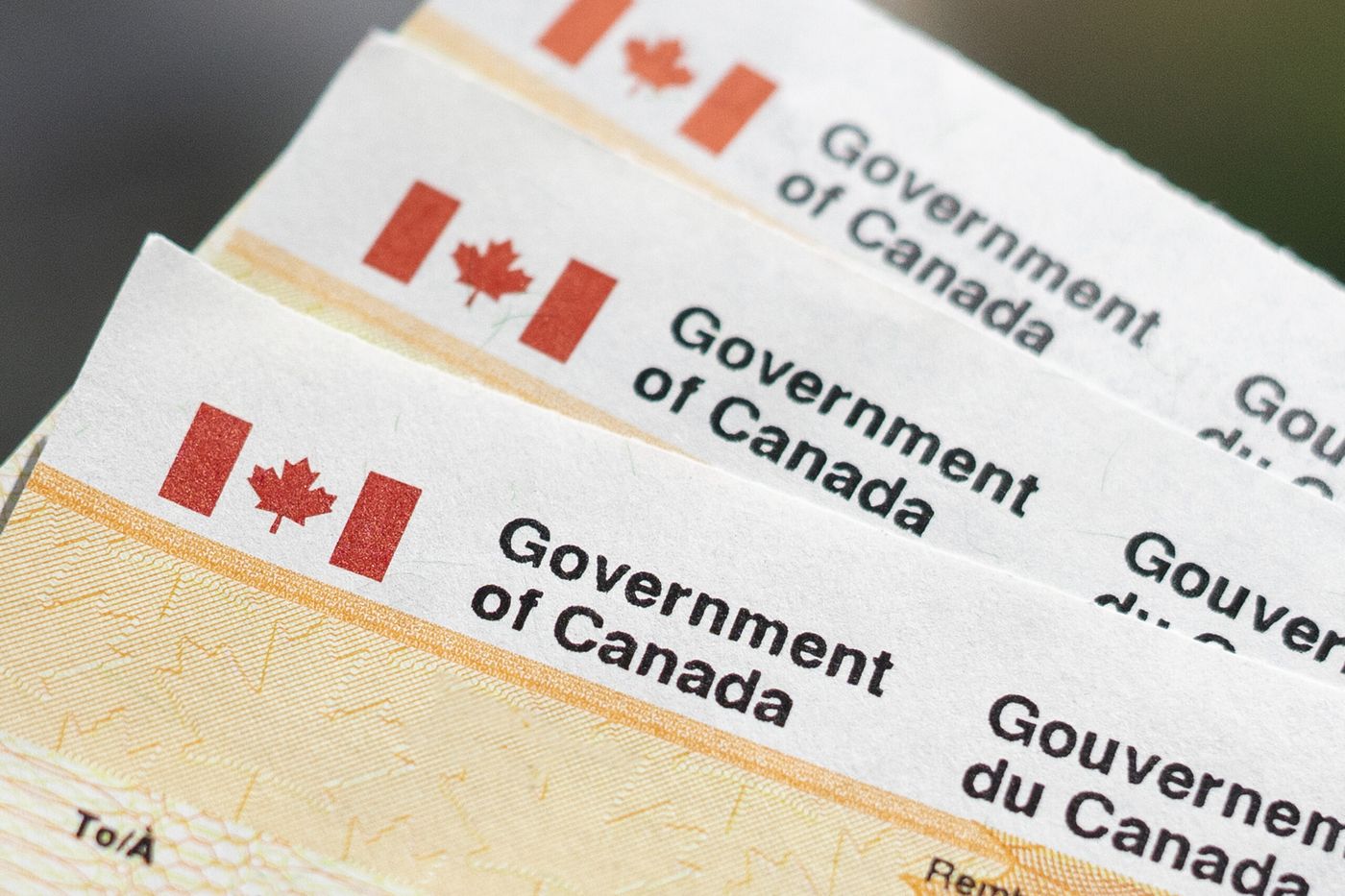
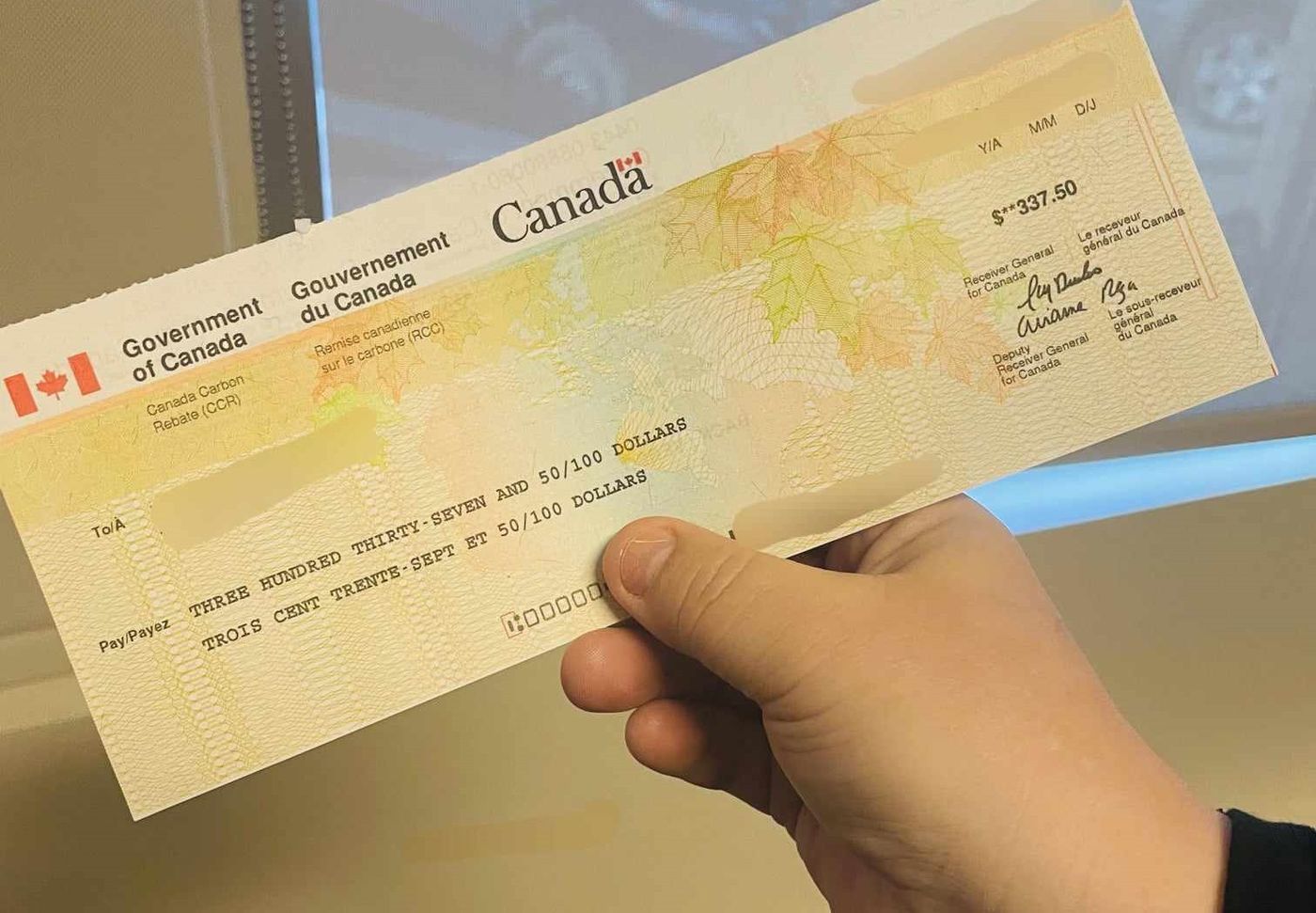
Although the quarterly Canada Carbon Rebate program has ended, individuals can still receive money they are owed for past years. The Canada Revenue Agency states that eligible Canadians can still receive CCR amounts for the 2021, 2022, 2023, and 2024 tax years, but only after those tax returns are filed and assessed. This means anyone who missed filing returns for those years must file them now to claim any missed payments. The CRA will calculate the correct amount based on the province of residence and family situation for each specific tax year. Once the return is assessed, the payment will be issued either by direct deposit, labeled as "Canada Carbon Rebate," or by cheque mailed to the address on file. For the 2021 and 2022 tax years, the rebate was claimed as a credit directly on the tax return. There are several key steps to take if you believe you have missed payments.
- File any outstanding personal income tax returns for the 2021 to 2024 tax years.
- Ensure your marital status and address information for each year is accurate on the return.
- Complete Schedule 14 for each applicable year if you lived in a rural area to claim the supplement.
- If you are a new resident, submit the required forms to a tax centre to register.
The deadline to file returns or submit adjustment requests for the 2018 to 2024 tax years under proposed legislation was October of a specified year, but filing now is still the mechanism to access funds. For small businesses, the program had a separate track. Eligible Canadian-controlled private corporations with 499 or fewer employees in the designated provinces are receiving a final rebate for the 2024-25 period. The government announced on November 13, 2025, that the remaining funds for small businesses would be returned before the end of that year, with payments issued automatically by the CRA.
Eligibility Rules and Exclusions
Specific rules determined who could and could not receive the Canada Carbon Rebate. The program was exclusively for residents of provinces where the federal fuel charge applied, which were Alberta, Saskatchewan, Manitoba, Ontario, New Brunswick, Nova Scotia, Prince Edward Island, and Newfoundland and Labrador. Residents of British Columbia, Quebec, Yukon, Northwest Territories, and Nunavut were not eligible for the federal CCR because those jurisdictions had their own approved carbon pricing systems with separate rebate programs. Another key exclusion was for individuals who were non-residents of Canada for income tax purposes. For families, a dependent child was only considered eligible if they lived with the claimant for at least part of the tax year and shared custody arrangements resulted in each parent receiving 50 percent of the child's portion of the rebate. For small businesses, eligibility was narrower. Only Canadian-controlled private corporations qualified, meaning sole proprietorships and partnerships were excluded. The business also had to employ between 1 and 499 people across Canada and have at least one employee working in a designated province during the fuel charge year.
Related Provincial Programs
Several provinces operated their own carbon pricing and rebate systems outside the federal Canada Carbon Rebate framework. British Columbia was a pioneer, instituting its own carbon tax in 2008. BC residents receive the BC Climate Action Tax Credit, which is an income-tested benefit paid quarterly. The maximum annual benefit increased to $504 effective July 2024. Quebec has a cap-and-trade system for carbon pricing and offers its own suite of green tax credits and incentives, such as the Solidarity Tax Credit. The territories of Yukon, Northwest Territories, and Nunavut also have unique systems adapted to their northern contexts. It is important to note that businesses operating in BC or Quebec could still potentially qualify for the federal small business carbon rebate if they met the eligibility criteria, including the employee count threshold and having operations in a designated province. This created a complex landscape where the federal and provincial systems could intersect for commercial entities but remained separate for individuals.
Frequently asked questions
Can I still get a Canada Carbon Rebate payment?
Yes, but only for past years. The quarterly payment program ended in 2025. However, you can still claim retroactive payments for the 2021, 2022, 2023, and 2024 tax years if you were eligible but did not file your tax returns. You must file those outstanding returns to receive any money owed.
How much was the Canada Carbon Rebate?
The amount varied by province, family size, and whether you lived in a rural area. For the 2024-25 benefit year, a family of four could receive up to $1,800 annually from the base rebate. Single adults received quarterly base payments ranging from $95 in New Brunswick to $225 in Alberta. A 20 percent rural supplement was added for eligible households in 2024.
How did I apply for the Canada Carbon Rebate?
Most individuals did not need to apply separately. Eligibility was determined automatically when you filed your annual income tax return. The Canada Revenue Agency used the information on your return to calculate your entitlement and issue payments quarterly. For new residents, specific tax forms needed to be mailed to a tax centre to register.
Are small businesses getting a carbon rebate?
Yes, there is a separate program for small businesses. Eligible Canadian-controlled private corporations with 499 or fewer employees in designated provinces are receiving a final rebate for the 2024-25 period. The government announced that remaining payments would be issued automatically by the end of 2025. To qualify, businesses must have filed their corporate income tax return for the 2023 tax year by July 15, 2024, and employ at least one person in a designated province.
Which provinces were eligible for the Canada Carbon Rebate?
The Canada Carbon Rebate applied to residents of Alberta, Saskatchewan, Manitoba, Ontario, New Brunswick, Nova Scotia, Prince Edward Island, and Newfoundland and Labrador. These provinces were subject to the federal fuel charge. Residents of British Columbia, Quebec, Northwest Territories, Nunavut, and Yukon were not eligible for the federal rebate as these jurisdictions had their own approved provincial carbon pricing systems. The program was designed to return fuel charge proceeds directly to households in provinces under the federal system. Eligibility required residency in one of these provinces on the first day of the payment month and the last day of the previous month. The rebate concluded for individuals with the final quarterly payment in April 2025.
What was the rural supplement?
The rural supplement was an additional payment for eligible individuals and families living outside Census Metropolitan Areas. This supplement was added on top of the base Canada Carbon Rebate amount to acknowledge a greater dependency on fossil fuels in rural communities. For the 2021 to 2023 benefit years, the rural supplement was calculated as 10 percent of the base rebate amount. For the 2024-25 benefit year, this supplement increased to 20 percent of the base amount for eligible residents. The only exception was Prince Edward Island, where the published base amount already included the rural supplement. To claim this supplement, filers had to indicate their rural residency status on Schedule 14 of their income tax return.
Sources and further reading
- Canada Carbon Rebate 2026: How to Claim Your Missed ... hrblock.ca
- Carbon Tax Rebate, what you need to know cfib-fcei.ca
- Canada Carbon Rebate amounts for 2024-25 climateactionmuskoka.org
- What Is The Canada Carbon Rebate (CCR)? loanscanada.ca
- Your Canada Carbon Tax Rebate Explained by Province canadadrives.ca
This article explains how things work and is not financial, tax or legal advice. Rules, limits and rates change, so check the current figures with the Canada Revenue Agency, your province or your financial institution before you act.