A bond yield is the rate of return an investor receives from holding a bond. In Canada, yields on government and corporate bonds are crucial indicators of the cost of borrowing, investor sentiment, and the overall health of the financial markets. They directly influence mortgage rates, savings account returns, and the valuation of pension funds. Understanding bond yields is essential for Canadian investors making decisions about fixed-income portfolios and for anyone tracking the broader economy.
What Bond Yield Represents
Bond yield is the financial measure of the return on investment for a bondholder. It represents the annualized earnings an investor can expect from the bond's interest payments relative to its price. The most basic calculation is the current yield, determined by dividing the bond's annual interest payment, known as the coupon, by its current market price. A more comprehensive and widely used measure is the yield to maturity, which estimates the total return if the bond is held until it repays its principal. Yield to maturity accounts for all future coupon payments and the repayment of the bond's face value at maturity, discounted to their present value based on the purchase price. This measure provides a standardized way to compare bonds with different coupons, prices, and maturities. It is important to note that the yield to maturity calculated at purchase is only realized if all interest payments are reinvested at that same yield, which may not occur in practice. For investors who spend coupon payments rather than reinvest them, such as those practicing asset and liability matching, the realized return will differ from the quoted yield to maturity.
Key Features Influencing Yield
Several intrinsic features of a bond directly influence its yield and risk profile. The principal, also known as the face value or par amount, is the sum repaid at maturity and the base upon which interest payments are calculated. The maturity date is when this repayment occurs, and bonds are categorized by term as short, medium, or long. The coupon is the fixed or floating interest rate the issuer pays to the holder, typically semi-annually in Canada. Credit quality is a paramount factor, reflecting the issuer's perceived ability to make scheduled payments. Bonds with lower credit ratings, often called high-yield or junk bonds, must offer higher yields to compensate investors for greater default risk. The market price of a bond fluctuates in response to changes in prevailing interest rates and the issuer's creditworthiness. A bond trading above its face value is said to be at a premium, which pushes its yield down, while a bond trading below face value is at a discount, resulting in a higher yield. In Canada and the United States, bond prices are typically quoted as clean prices, meaning they do not include accrued interest, which is calculated and paid separately. Additional features like embedded options can also affect yield. Callable bonds, which give the issuer the right to repay the debt early, usually offer higher yields to compensate investors for the risk of the bond being called away in a declining rate environment.
Types of Bonds and Their Yields
Bonds are categorized primarily by the nature of the issuer, which determines their risk level and, consequently, their typical yield range. Government of Canada bonds, backed by the full faith and credit of the federal government, are considered the lowest-risk securities in the country and therefore form the baseline for yields, often referred to as the risk-free rate. Provincial and municipal bonds, issued by local governments, generally offer slightly higher yields to reflect a modest increase in risk. Corporate bonds are issued by companies to fund operations and expansion, and their yields vary widely based on the financial health of the issuer. High-yield corporate bonds, rated below investment grade, offer significantly higher returns to offset their higher risk of default. Other specialized types include supranational bonds from organizations like the World Bank, asset-backed securities backed by pools of loans, and covered bonds, which are common in Canada and remain on the issuer's balance sheet. Historically, other forms like war bonds or perpetual bonds with no maturity date have been issued, though these are less common in modern Canadian markets. The yield an investor requires is directly tied to the bond's position in the capital structure, with subordinated bonds, which are paid after senior debt in a default, commanding higher yields than senior bonds from the same issuer.

Benchmark Yields in the Canadian Market
The Canadian bond market relies heavily on Government of Canada bond yields as benchmarks for pricing all other debt. Key benchmark maturities are closely watched by investors, economists, and policymakers. These include the 2-year, 5-year, 10-year, and 30-year Government of Canada bonds. Financial institutions and data providers like CanDeal Data and Analytics supply these yields based on mid-market closing prices. The specific bond issues used as benchmarks are updated when a new bond is adopted by the market as a standard reference, typically following its last auction. For example, the yield on a Canada 5-year government bond serves as a critical reference point for setting five-year fixed mortgage rates. As of recent data, sample yields for these benchmarks illustrate the typical relationship where longer terms generally offer higher yields. The following table shows a snapshot of generic Government of Canada bond yields for various terms.
| Term | Yield |
|---|---|
| 1 year | 2.99% |
| 2 years | 3.36% |
| 3 years | 3.52% |
| 4 years | 3.60% |
| 5 years | 3.66% |
| 10 years | 3.88% |
These yields are dynamic and change daily with market conditions. Provincial bonds trade at a spread above these federal benchmarks, with yields varying by province based on their individual credit ratings and fiscal health. Corporate bond yields are quoted at an even wider spread above the government curve, reflecting both the term of the bond and the specific credit risk of the issuing company. The data for these benchmarks is available for download and is used by financial professionals across the country to analyze market trends and make investment decisions.
How Bonds Are Issued and Traded
The process of bringing bonds to market and the subsequent trading significantly impacts their yield. Bonds are first issued in the primary market. For corporate bonds, the most common method is underwriting, where a syndicate of securities firms purchases the entire bond issue from the issuer and resells it to investors, charging a fee for this service and assuming the risk of placement. An alternative for smaller issues is a private placement, where bonds are sold directly to a limited number of buyers, and these bonds may not be tradeable in the secondary market. Government bonds, including those from the Government of Canada and provinces, are typically issued through auctions where dealers and sometimes the public submit bids. The price determined at auction sets the initial yield for that bond issue. Once issued, bonds trade on the secondary market, where their prices and yields fluctuate continuously. The secondary market provides liquidity, allowing investors to buy and sell bonds before maturity. The price in this market is influenced by the amounts and timing of cash flows, the bond's credit quality, and most importantly, the prevailing yields of comparable bonds. A bond's international securities identification number, or ISIN, is a unique 12-digit alphanumeric code used to identify it in global trading systems. The transfer of ownership is facilitated electronically, making bonds highly liquid instruments for investors.
Risks and Considerations for Investors
Investing in bonds involves several key risks that directly affect yield and total return. Interest rate risk is the most significant for bondholders, as when market interest rates rise, the price of existing bonds falls to make their fixed coupon competitive with new issues, resulting in a capital loss if sold before maturity. Conversely, falling rates increase bond prices. Credit risk, or default risk, is the chance that the issuer will be unable to make scheduled interest or principal payments. This risk is quantified by credit ratings from agencies, and lower-rated bonds must offer higher yields as compensation. Reinvestment risk is the possibility that coupon payments received will have to be reinvested in a lower interest rate environment, reducing overall returns. This risk is particularly relevant for callable bonds, which may be redeemed by the issuer when rates fall. Liquidity risk refers to the difficulty of selling a bond quickly without accepting a significant price discount, which is more common with infrequently traded issues like some corporate or private placement bonds. Inflation risk erodes the purchasing power of a bond's future fixed payments, making its real yield lower than its nominal yield. Investors must weigh these risks against the promised yield, understanding that higher quoted yields typically come with a greater combination of these risks. Covenants within the bond's indenture, which are legally binding clauses, offer some protection by restricting certain issuer actions, but they do not eliminate risk entirely.
Historical Context and Market Evolution
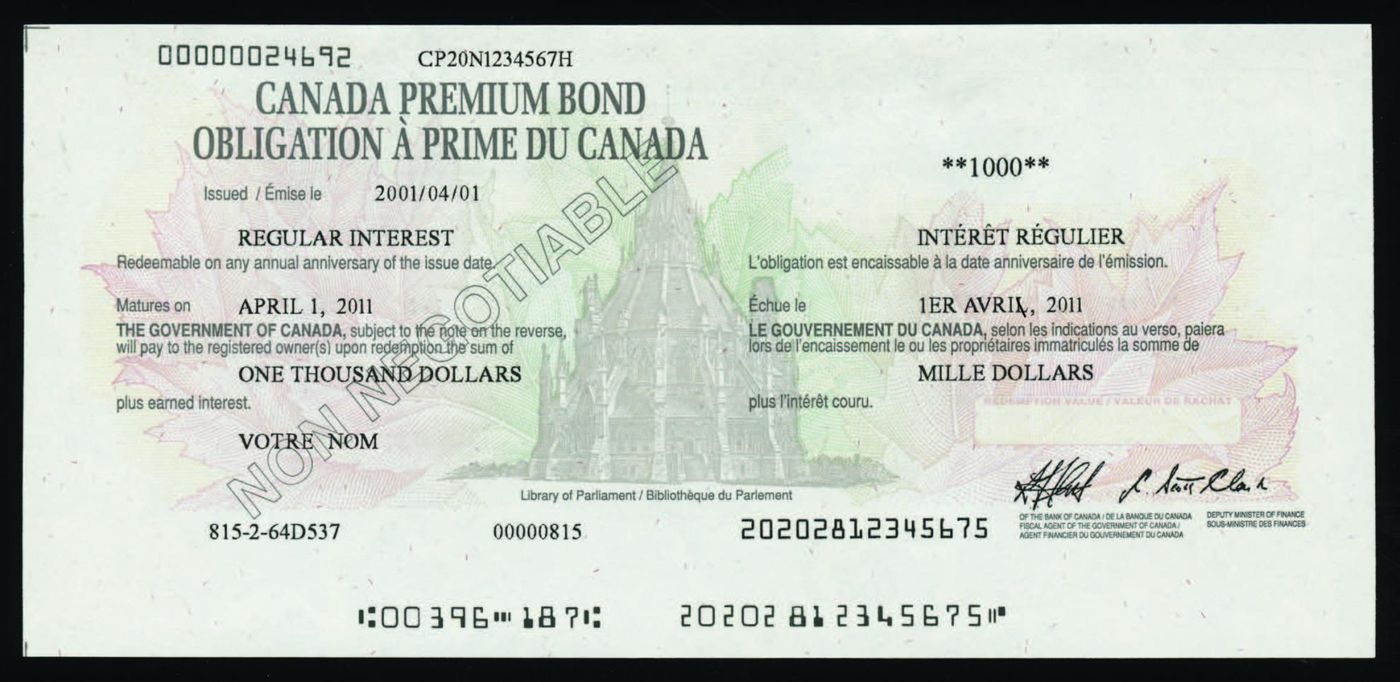
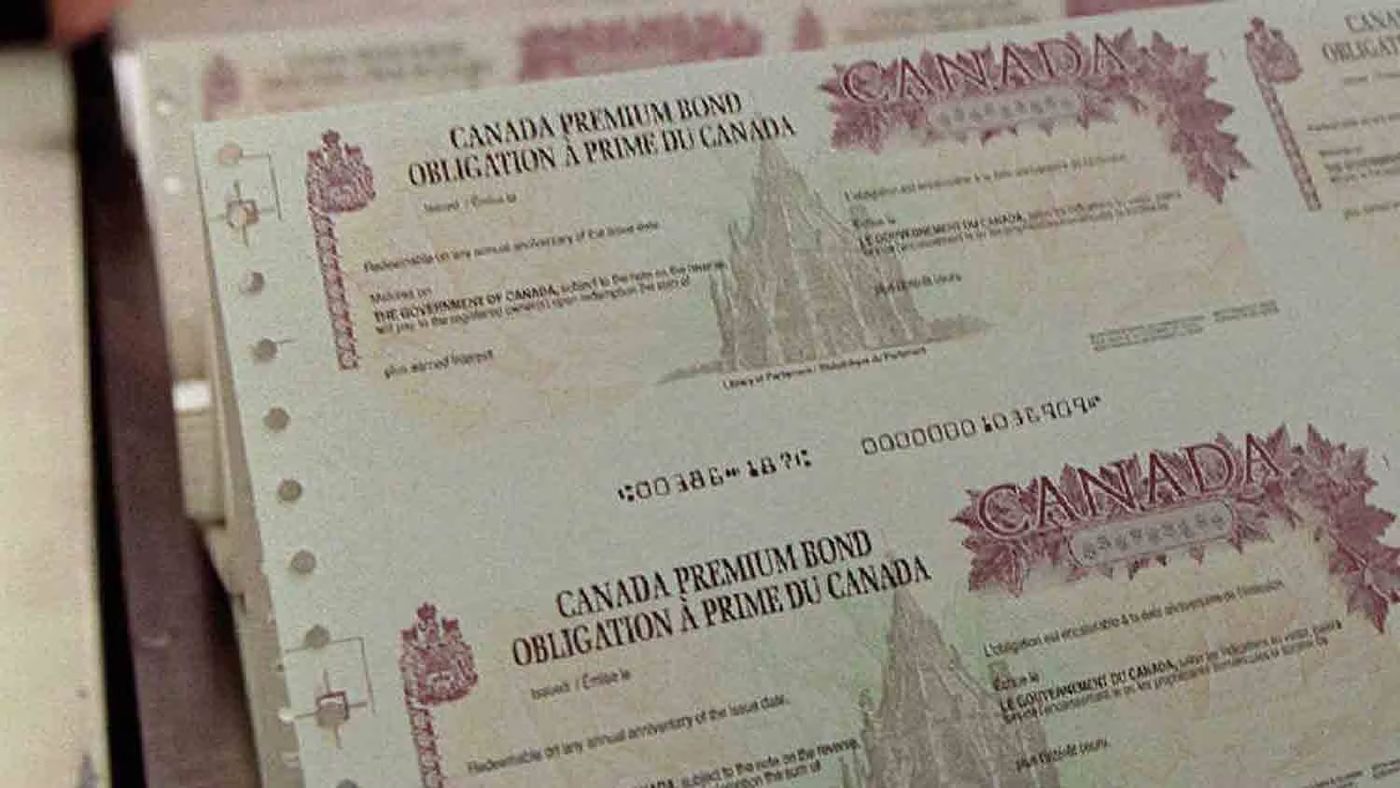
The concept of a bond as an instrument binding one to pay a sum to another dates back to at least the 1590s, with the term relating to the word 'bind'. Historically, bonds were physical certificates with attached coupons that holders would physically clip and present to a bank for interest payments. Today, all trading and payments are electronic. The Canadian market has seen the evolution of various bond types. Canada Savings Bonds, which were non-marketable savings instruments offered directly to retail investors, were discontinued in 2017. The modern market is dominated by marketable Government of Canada bonds, provincial bonds, and corporate debt. Benchmark bond yields have become central to financial analysis, with the 10-year Government of Canada yield being a primary indicator of long-term economic expectations. The methodology for calculating and publishing these benchmarks is standardized, with data sourced from financial market infrastructure providers. The market has also seen innovation in bond structures, including the rise of green or climate bonds issued to fund environmental projects. The fundamental principles of bond valuation and yield calculation, however, remain grounded in the time value of money and the assessment of risk versus return.
Frequently asked questions
What is the difference between a bond's coupon and its yield?
The coupon is the fixed annual interest rate stated on the bond, calculated as a percentage of its face value. The yield is the actual rate of return an investor earns, which depends on the bond's current market price. If a bond is purchased at par, the coupon and yield are the same. If bought at a discount, the yield is higher than the coupon. If bought at a premium, the yield is lower.
Why do Government of Canada bond yields matter to me?
Government of Canada bond yields matter because they are a fundamental benchmark for interest rates across the Canadian economy. These yields directly influence the pricing of consumer loans, particularly fixed-rate mortgages, where the five-year bond yield is a key determinant. They also affect the returns on savings vehicles like Guaranteed Investment Certificates and influence the valuation of pension fund assets. Consequently, movements in these bond yields impact borrowing costs, investment income, and the financial security of Canadian households and retirees.
What are high-yield or junk bonds?
High-yield bonds, commonly called junk bonds, are corporate bonds rated below investment grade by credit rating agencies. This lower rating indicates a higher perceived probability that the issuer may default on its obligation to make interest payments or repay the principal at maturity. To compensate investors for accepting this greater credit risk, these bonds offer significantly higher yields than investment grade corporate or government bonds. The terms of high-yield bonds often include very strict covenants restricting the issuer's operations.
How can I find current bond yields in Canada?
Current Government of Canada bond yields are published as benchmark rates for various terms, such as 2, 5, and 10 years. These yields are available from financial data providers, the Bank of Canada, and many financial institution platforms. The data typically includes the average yields for marketable bonds and selected benchmark bond yields. For example, specific yields like the Canada 5 Year Government Bond yield are tracked and reported in real time, providing a clear view of current market conditions for both government and other debt securities.
What is the yield to maturity on a bond?
Yield to maturity is an estimate of the total rate of return anticipated from buying a bond at its current market price and holding it until it matures. It accounts for all future interest payments and the return of the principal amount. This measure is more useful than the simple current yield because it considers the present value of those future cash flows. It is only fully realized if all interest payments are reinvested at the same yield to maturity calculated at purchase. For investors who spend the coupon payments instead of reinvesting them, the actual return earned will differ from the published yield to maturity.
How are Government of Canada bonds issued?
Government of Canada bonds are typically issued through an auction process. This differs from corporate bonds, which are often underwritten by securities firms. In some government bond auctions, both public investors and banks may submit bids, while in others, only designated market makers can participate. The bond's coupon rate is fixed in advance, but the final price is determined by the market demand during the auction. The overall rate of return for an investor depends on both these fixed terms and the price they pay at auction.
Sources and further reading
- Bond yield (Wikipedia) en.wikipedia.org
- Selected bond yields bankofcanada.ca
- Yield, Government of Canada bonds Canada Savings ... desjardins.com
- Bond Rates rbcdirectinvesting.com
This article explains how things work and is not financial, tax or legal advice. Rules, limits and rates change, so check the current figures with the Canada Revenue Agency, your province or your financial institution before you act.