The Schwab US Aggregate Bond ETF (SCHZ) is a low-cost exchange-traded fund designed to track the broad US investment-grade bond market. It provides Canadian investors with straightforward exposure to a diversified portfolio of US government, corporate, and securitized debt. The fund is known for its low expense ratio and potential tax efficiency, making it a candidate for the core fixed-income portion of a portfolio. Understanding its structure, holdings, and the implications of holding a US-dollar bond fund is important for Canadian investors considering this ETF.
Fund Objective and Investment Strategy
The Schwab US Aggregate Bond ETF seeks to track, as closely as possible before fees and expenses, the total return of an index that measures the performance of the broad US investment-grade bond market. The fund employs a passive or indexing investment approach designed to replicate the holdings and performance of its underlying benchmark. It invests substantially all of its assets in the securities that make up the index, holding each security in approximately the same proportion as its weighting in the index. The goal is to provide investors with a simple, low-cost way to gain exposure to the entire US taxable, investment-grade bond universe. The fund's strategy avoids active management decisions, relying instead on the composition of the index to determine its portfolio.
Underlying Index and Portfolio Composition
The ETF tracks an index that is a broad-based benchmark for the US investment-grade, taxable bond market. This index includes US Treasury bonds, government agency bonds, corporate bonds, and securitized debt such as mortgage-backed securities. To be included, bonds must be rated investment-grade, meaning they carry a credit rating of BBB- or higher from Standard & Poor's or Baa3 or higher from Moody's. The index is market-capitalization weighted, so larger bond issuers have a greater influence on the fund's performance. The portfolio is highly diversified across thousands of individual securities, which helps mitigate the impact of any single bond default. The fund's composition reflects the overall structure of the US debt market, with a significant portion typically allocated to US government obligations.
History and Fund Provider
The introduction of SCHZ was part of Schwab's strategic expansion into the ETF market, focusing on providing core, low-cost index funds to investors. Since its inception, the fund has grown significantly in assets under management by appealing to cost-conscious investors seeking core bond exposure. The fund provider emphasizes operational efficiency and scale to maintain its low expense structure. Schwab also offers Canadian investors access to this ETF alongside over 5,000 other US-listed ETFs through its brokerage platform, which may feature commission-free trading for eligible accounts.
Performance, Yield, and Distributions
The fund's performance is tied to the total return of its underlying index, which includes both interest income and changes in bond prices. The yield figure, such as the 4.33% noted, represents the income generated by the bond holdings distributed to shareholders. SCHZ makes monthly distributions to investors, which consist of the interest income earned from the fund's bond portfolio. The exact composition of these distributions for tax purposes is characterized at year-end, and investors receive an annual tax statement from their broker detailing the types of income to report. Distributions that are not paid in cash but instead issued as additional units are known as reinvested distributions, which must be added to the investor's adjusted cost base for tax calculations. The fund's net asset value and market price will fluctuate with changes in interest rates and credit markets, and its year-to-date daily total return is a measure of this performance.
How Canadians Can Invest and Hold SCHZ
Canadian investors can purchase shares of SCHZ through most Canadian brokerage accounts that offer access to US markets. The ETF trades on the NYSE Arca exchange under the ticker symbol SCHZ, and all transactions are conducted in US dollars. This means Canadian investors must use a US dollar account or their broker's currency conversion service to buy and sell shares. SCHZ can be held in a variety of Canadian registered accounts, but the treatment differs. It is eligible to be held in a Registered Retirement Savings Plan (RRSP) without US withholding tax on distributions due to the Canada-US tax treaty. Investors should consult a tax advisor for guidance specific to their situation.
Key considerations for Canadian holders include the fund's straightforward and low cost structure. The fund offers simple access to the broad U.S. investment grade bond market. Canadian investors can integrate this ETF into a diversified portfolio as a core holding. The fund is unhedged, meaning it carries inherent U.S. dollar currency exposure for Canadian investors. This contrasts with Canadian domiciled alternatives that may hedge currency exposure back to Canadian dollars.
- Ticker and Exchange: SCHZ on NYSE Arca.
- Trading Currency: US Dollars.
- RRSP Eligibility: Yes, with treaty protection from US withholding tax on distributions.
- Currency Risk: The fund is unhedged, so its value in Canadian dollars will move with the USD/CAD exchange rate.
Many Canadian brokerages offer U.S. dollar sub accounts to simplify currency management for investors who frequently trade U.S. securities. The fund's goal is to track the total return of an index that measures the performance of the broad U.S. investment grade bond market. This provides simple access to a blend of U.S. investment grade bonds, including government, corporate, and securitized debt. Canadian investors can integrate this ETF into a diversified portfolio as a core holding.
Fees and Cost Structure
A primary feature of the Schwab US Aggregate Bond ETF is its low cost. This expense ratio is net of any fee waivers or reimbursements and is subject to change. The low fee is a significant advantage for long-term investors, as high costs can erode compound returns over time. In addition to the fund's expense ratio, Canadian investors may incur other costs. These can include brokerage commissions for buying and selling shares, though many brokers offer commission-free trading for certain ETFs, including over 5,000 U.S. exchange-listed ETFs at Schwab. There may also be costs associated with currency conversion if the investor does not already hold US dollars. The fund's operating expense ratios are reviewed and reported periodically, with information shown as of specific dates like September 30, 2026.
Primary Risks for Investors
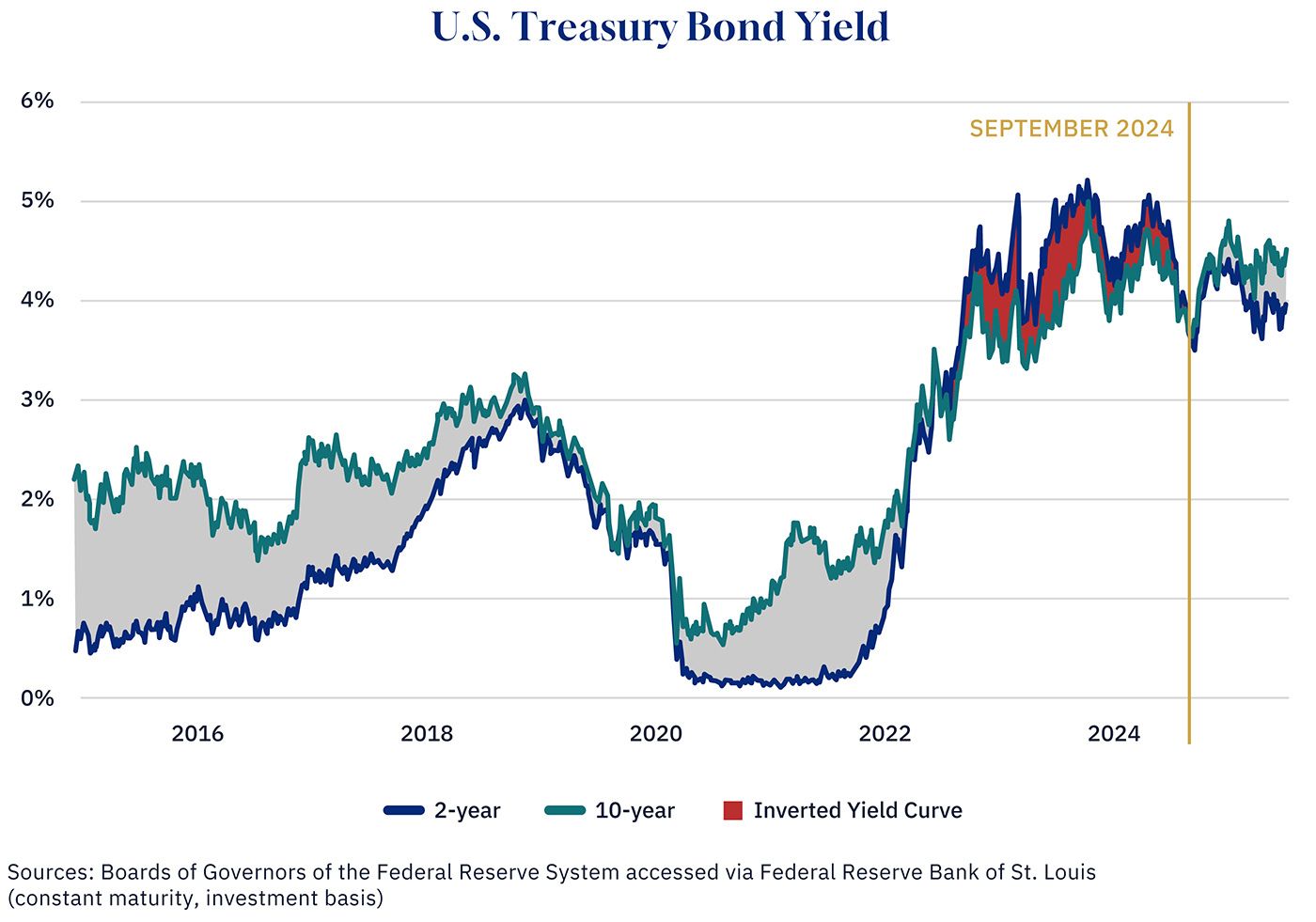
Investing in the Schwab US Aggregate Bond ETF involves several key risks that Canadian investors must consider. Interest rate risk is the most significant, as bond prices generally move inversely to interest rates. When rates rise, the market value of the fund's existing bond holdings typically falls. Credit risk, though mitigated by the investment-grade focus, still exists as issuers could be downgraded or default on their payments. The fund also carries liquidity risk, although it is typically low for such a broad and heavily traded ETF. For Canadian investors, currency risk is a major factor because the fund is denominated in US dollars and is not hedged. Fluctuations in the USD/CAD exchange rate will directly affect the investment's value when converted back to Canadian dollars. Furthermore, the fund is concentrated in the US bond market, so it does not provide geographic diversification outside the United States, and its performance is tied solely to the US investment-grade taxable bond market.
Comparison with Canadian-Domiciled Alternatives
Canadian investors seeking exposure to the US aggregate bond market may also consider ETFs domiciled in Canada. These funds, such as the iShares U.S. Aggregate Bond Index ETF (CAD-Hedged) or the BMO US Aggregate Bond Index ETF (ZUAG), often come with a currency-hedged share class. A hedged ETF aims to neutralize the impact of exchange rate movements between the US and Canadian dollars, isolating the pure bond returns. Canadian-domiciled ETFs trade on the Toronto Stock Exchange in Canadian dollars, simplifying transactions and avoiding the need for a US dollar account. However, these convenience features typically come at a higher cost, with management expense ratios for Canadian-listed US bond ETFs often being several times higher than that of SCHZ. The following table compares key attributes.
| Attribute | SCHZ (US-listed) | Typical CAD-listed Hedged ETF |
|---|---|---|
| Domicile | United States | Canada |
| Trading Currency | US Dollars | Canadian Dollars |
| Currency Exposure | Unhedged (Full USD) | Hedged to CAD |
The choice between a low cost U.S. ETF like SCHZ and a Canadian alternative depends on an investor's account type, currency views, and cost sensitivity. The iShares U.S. Aggregate Bond Index ETF (CAD Hedged) seeks to replicate the index while hedging any resulting U.S. dollar currency exposure back to Canadian dollars. The BMO US Aggregate Bond Index ETF (ZUAG) is another Canadian example with a base currency of Canadian dollars and net assets reported in that currency. These hedged alternatives offer convenience but may come with a higher cost structure compared to the low cost SCHZ.
Frequently asked questions
What does the Schwab US Aggregate Bond ETF (SCHZ) invest in?
SCHZ invests in a broad portfolio of US investment-grade bonds. This includes US Treasury securities, bonds from government agencies, investment-grade corporate bonds, and securitized debt like mortgage-backed securities. The fund aims to replicate the performance of a benchmark index representing the entire US taxable, investment-grade bond market. It provides diversified exposure to thousands of individual bond issues.
Does SCHZ pay dividends?
Yes, SCHZ pays monthly distributions to its shareholders. These distributions consist of the interest income earned from the fund's underlying bond portfolio. The yield fluctuates with interest rates and the fund's holdings. At year-end, the fund characterizes these distributions for tax purposes, and you will receive a tax statement from your broker.
How do I buy SCHZ as a Canadian investor?
Canadian investors can buy SCHZ through a brokerage account that provides access to US stock exchanges. You will need to trade using the ticker SCHZ on the NYSE Arca exchange. Transactions are in US dollars, so you will need a US dollar account or will have to convert Canadian dollars. Be aware of potential brokerage commissions and currency conversion fees.
What is the expense ratio for SCHZ?
This low cost is a key feature of the fund, helping investors keep more of their returns. The fund's goal is to track the total return of an index that measures the performance of the broad U.S. investment grade bond market. This low expense ratio is a common characteristic of Schwab ETFs, which are noted for being straightforward and low cost. The information regarding the expense ratio is subject to change but represents the fund's ongoing operating costs.
Can I hold SCHZ in my TFSA or RRSP?
Yes, you can hold SCHZ in a TFSA or RRSP as it is an exchange traded fund listed on U.S. exchanges. Schwab provides access to over 5,000 U.S. exchange listed ETFs. The fund itself is a U.S. dollar denominated ETF seeking to track the U.S. investment grade bond market. For Canadian accounts, the exact tax treatment of distributions is calculated after the fund's tax year end. Investors will receive an official tax statement from their broker detailing the type of income to report for the entire year.
What are the main risks of investing in SCHZ?
The main risks are tied to its underlying index of U.S. investment grade bonds. The fund tracks a broad based benchmark of the U.S. investment grade, taxable bond market, including U.S. Treasuries, corporate, and securitized debt. As a bond fund, it is subject to interest rate risk, where rising rates can lower bond prices. It also carries credit risk, though this is limited to investment grade issuers. For Canadian investors, the fund is unhedged, meaning its U.S. dollar value will fluctuate against the Canadian dollar, introducing currency risk.
Sources and further reading
- ETFs at Schwab schwab.com
- iShares U.S. Aggregate Bond Index ETF (CAD-Hedged) rbcgam.com
This article explains how things work and is not financial, tax or legal advice. Rules, limits and rates change, so check the current figures with the Canada Revenue Agency, your province or your financial institution before you act.