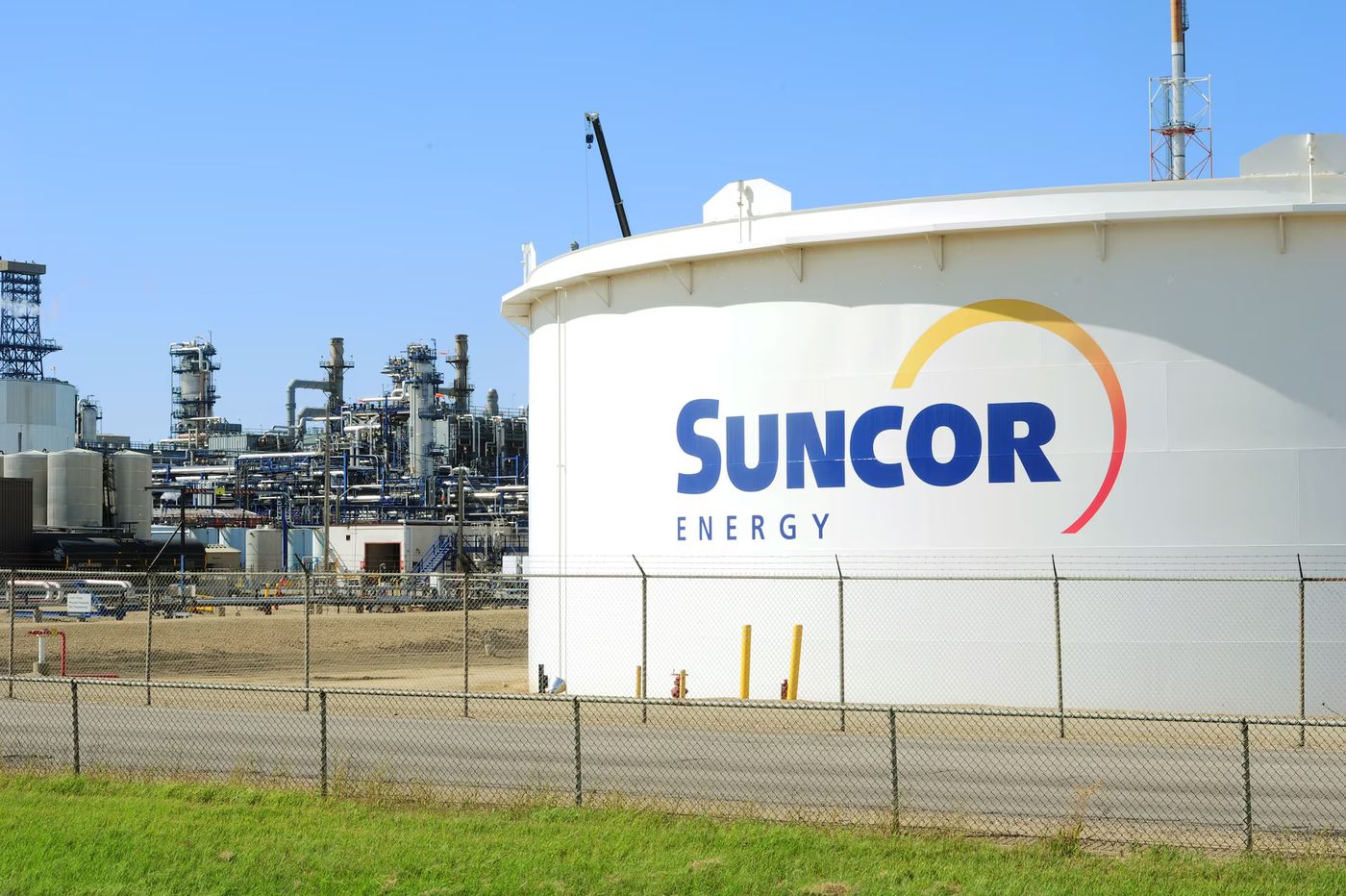
Suncor Energy Inc. is one of Canada's largest integrated energy companies, with operations spanning from oil sands production to refining and retail fuel sales. Headquartered in Calgary, Alberta, the company is a major component of the S&P/TSX Composite Index and is widely held by Canadian investors. Its common stock trades on the Toronto Stock Exchange under the symbol SU, providing direct exposure to the Canadian energy sector. For investors, Suncor is notable for its integrated business model and its history of paying dividends.
Company Operations and Business Segments
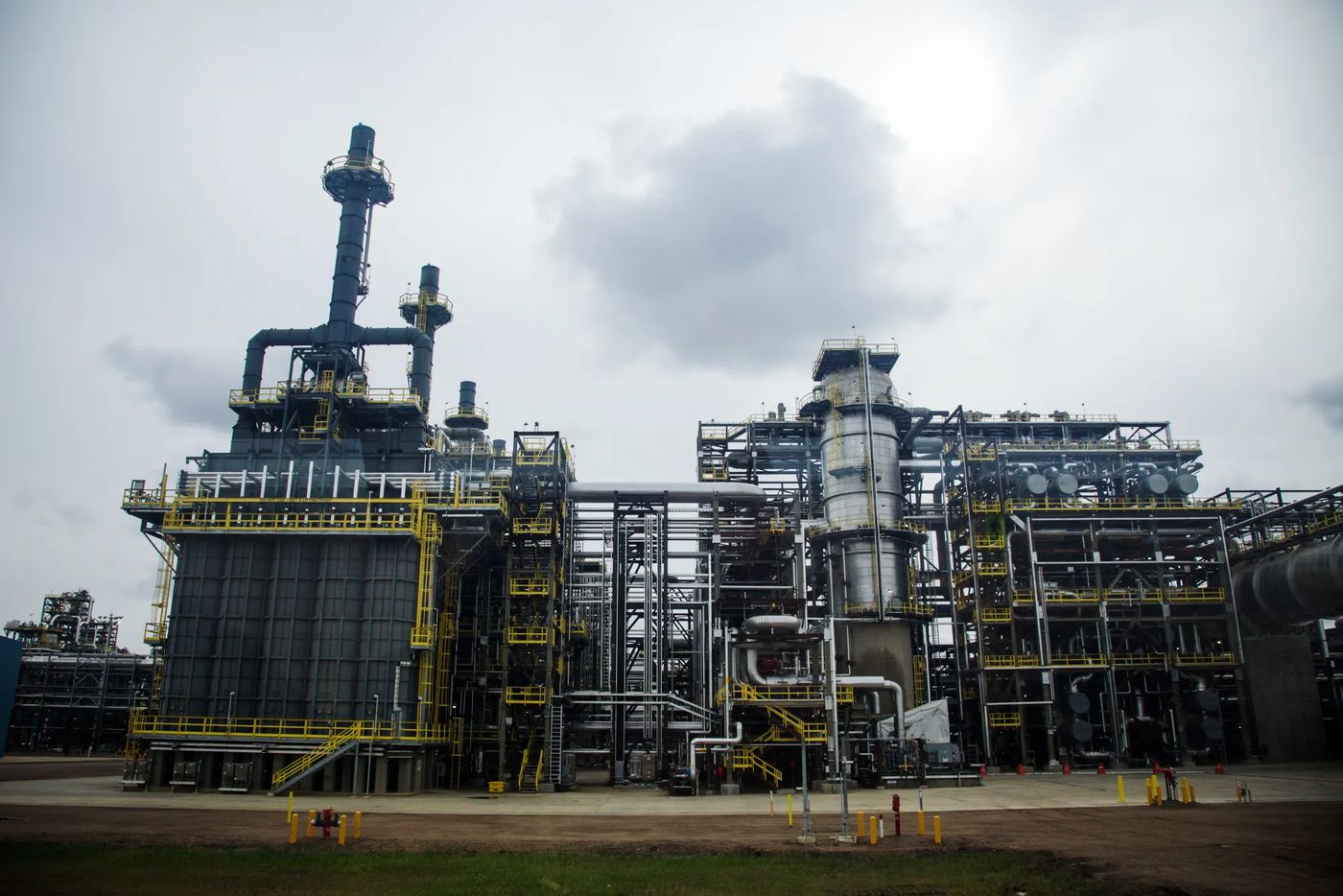
Suncor Energy operates as an integrated energy company, meaning it controls multiple stages of the energy supply chain from production to the consumer. This structure is designed to provide operational stability and manage risks across different commodity price environments. The company's activities are divided into three main reporting segments. The Oil Sands segment focuses on extracting and upgrading bitumen from oil sands deposits in Alberta. This segment also manages the marketing, supply, and transportation of crude oil and related byproducts. The Exploration and Production segment manages offshore operations on Canada's east coast as well as international onshore assets in countries like Libya and Syria. This segment is also involved in the marketing and risk management of crude oil. The Refining and Marketing segment refines crude oil into petroleum and petrochemical products. It sells these refined products through a retail network and is involved in trading crude oil, refined products, natural gas, and power.
Corporate History and Development
Suncor Energy was founded in 1917, giving it over a century of history in the Canadian energy landscape. The company was originally known as Suncor Inc. before changing its name to Suncor Energy Inc. in April 1997. This name change reflected its broader strategic focus beyond its original oil sands roots. A key part of its growth has been the development and technological advancement of oil sands mining and in-situ recovery methods. The company's integrated model was built over decades, combining upstream production with downstream refining and retail operations. This long-term strategy has positioned Suncor as a major entity in the Canadian energy industry. The following are key milestones in the company's corporate history.
- 1917: The company is founded.
- April 1997: The company changes its name from Suncor Inc. to Suncor Energy Inc.
- The company develops and expands its oil sands mining and upgrading operations in Alberta.
- The company builds an integrated business model encompassing exploration, production, refining, and marketing.
Suncor Energy operates as an integrated energy company. It manages commodity price cycles by earning revenue from both production and the sale of finished products. The company operates through Oil Sands, Exploration and Production, and Refining and Marketing segments. This integrated structure is a defining characteristic that differentiates it from companies focused solely on exploration or refining.
Stock Listing and Trading Information for Canadians
Suncor Energy's common shares are primarily listed on the Toronto Stock Exchange under the ticker symbol SU. The stock trades in Canadian dollars, which is convenient for domestic investors and eliminates currency conversion costs. The shares are also listed on the New York Stock Exchange under the symbol SU for U.S. and international investors. The stock is a constituent of the S&P/TSX Composite Index, Canada's primary stock market benchmark. Canadian investors can hold Suncor shares in registered accounts like a Tax-Free Savings Account (TFSA) or a Registered Retirement Savings Plan (RRSP). Holding the TSX-listed SU shares in these accounts allows for dividend income and capital gains to grow tax-sheltered or tax-deferred. The stock's liquidity and trading metrics are important for investors to consider.
- The stock trades under the symbol SU on the Toronto Stock Exchange (TSX).
- It also trades on the New York Stock Exchange (NYSE) under the symbol SU.
- The average trading volume on the TSX has been approximately 5.42 million shares per day.
- The stock is a component of the S&P/TSX Composite Index (^GSPTSE).
- Shares can be held in Canadian registered accounts including TFSAs and RRSPs.
- The primary trading currency for the TSX listing is the Canadian dollar.
Suncor Energy stock is listed on the Toronto Stock Exchange under the ticker SU. The company's shares are also listed on the New York Stock Exchange. The TSX listing trades in Canadian dollars and is the most relevant market for Canadian retail investors. The stock has a high average trading volume, which indicates it is actively traded and can help ensure efficient execution of buy and sell orders.
Dividend Record and Shareholder Returns
Suncor Energy has established a record of returning capital to shareholders through dividends. The company's dividend yield has been approximately 2.21 percent based on recent trailing data. Dividend payments are typically declared quarterly, and investors must own the shares before the ex-dividend date to be eligible for the payment. For example, a recent ex-dividend date noted was September 4, 2026. The company's dividend policy is influenced by its financial performance, cash flow generation, and capital allocation priorities. The price-to-earnings ratio, a common valuation metric, has been around 14.45, which investors may consider when evaluating the stock's income and growth potential relative to its earnings. Analyst actions can also provide context for shareholder return expectations.
- A recent ex-dividend date was September 4, 2026.
- The trailing dividend yield was approximately 2.21%.
- The trailing price-to-earnings (P/E) ratio was approximately 14.45.
- In October 2026, BofA raised its price target on Suncor to $112 from $94.
- BofA maintained a Neutral rating on the shares following this adjustment.
Analyst assessments and financial figures are part of the broader picture investors review. For example, Suncor Energy has an Investment Rating of BUY from some analysts. The stock's trailing dividend yield is approximately 2.21 percent. This dividend is a component of the total return, which also includes any change in the share price over time.
Principal Risks and Considerations
Investing in Suncor Energy involves exposure to several industry-specific and macroeconomic risks. The company's profitability is heavily influenced by the global market prices for crude oil and refined products, which can be highly volatile. Fluctuations in oil prices directly impact revenue from the Oil Sands and Exploration and Production segments. Refining margins, which affect the Refining and Marketing segment, are also subject to volatility based on supply, demand, and feedstock costs. Operational risks include the potential for disruptions at major facilities, such as oil sands mines or refineries, due to technical failures or extreme weather. Regulatory and environmental policies, particularly in Canada, pose a risk as they can affect production costs, project approvals, and the company's social licence to operate. Geopolitical risks are present in the company's international exploration and production assets, such as those in Libya and Syria. The company's financial results can be significantly affected by these factors, as seen in periods where oil prices have declined sharply.
Key Financial and Operational Metrics
Investors and analysts monitor several key metrics to assess Suncor's performance and valuation. Market capitalization, a measure of the company's total market value, has been reported at approximately $128.79 billion. The average trading volume for the stock has been noted at around 5.42 million shares per day, indicating a high level of liquidity on the TSX. The stock's 52-week trading range provides context for its price movement, with a recent high of $112.07 and a low of $53.65. The company's investment rating from some analysts has been categorized as Buy, with price targets being periodically adjusted by financial institutions based on earnings outlook and commodity price forecasts. The following table presents a snapshot of recent financial and trading metrics derived from available data.
| Metric | Recent Figure |
|---|---|
| Market Capitalization | Approx. $128.79B |
| 52-Week High | $112.07 |
| 52-Week Low | $53.65 |
| Average Trading Volume | 5.42M shares |
| Price-to-Earnings (P/E) Ratio | 14.45 |
| Dividend Yield | 2.21% |
Financial metrics like the stock price and price to earnings ratio are subject to change with market conditions. These metrics also change with company financial reporting, such as the third quarter 2026 results scheduled for release in October 2026. Investors use this data to compare Suncor Energy to its peers within the energy sector. They also compare it to the broader market, such as the S and P slash TSX Composite index.
Frequently asked questions
What is Suncor Energy's stock symbol on the TSX?
Suncor Energy's stock symbol on the Toronto Stock Exchange is SU. The stock is also listed on the New York Stock Exchange under the same SU ticker. The TSX listing trades in Canadian dollars. Real time price updates and trading information for Suncor Energy Inc. (SU T) are widely available. The stock closed at 110.87 CAD on October 21, 2026. This provides a primary market for Canadian investors to trade the company's shares.
What does Suncor Energy do?
Suncor Energy Inc. is an integrated energy company operating in Canada, the United States, and internationally. Its business is divided into three main segments. The Oil Sands segment produces bitumen and markets crude oil and byproducts. The Exploration and Production segment manages offshore operations on Canada's east coast and onshore assets in Libya and Syria. The Refining and Marketing segment refines crude oil into petroleum products and sells them to retail customers while also trading crude oil, natural gas, and power.
Does Suncor pay a dividend?
Yes, Suncor Energy pays a dividend to its shareholders. Based on recent financial data, the stock currently yields dividends of 2.21 percent. The company has a specified ex dividend date, such as September 4, 2026, which determines shareholder eligibility for the payment. This dividend is a component of the stock's total return for investors. The dividend payments are part of the company's capital return program to shareholders.
Can I hold Suncor stock in my TFSA or RRSP?
Yes, you can hold Suncor Energy stock in a TFSA or RRSP. The shares listed on the Toronto Stock Exchange (SU) are a qualified investment for these registered Canadian accounts. Holding the stock within these plans allows dividends and capital gains to grow tax free or tax deferred. This is a common practice for Canadian investors seeking exposure to the energy sector. The stock's presence on the TSX makes it easily accessible for such registered account holdings.
What are the main risks of investing in Suncor?
Investing in Suncor involves several key risks. The company is exposed to volatility in global crude oil and refined product prices. Its financial performance is also sensitive to fluctuations in refining margins, as noted in third quarter 2026 commentary. Operational risks exist at its major oil sands facilities and refineries. Furthermore, the company faces regulatory and environmental policy changes in its operating regions. Geopolitical risks are also present due to its international assets in countries like Libya and Syria.
When was Suncor Energy founded?
Suncor Energy was founded in 1917. The company is headquartered in Calgary, Canada. It was originally known as Suncor Inc. before changing its name to Suncor Energy Inc. in April 1997. This long history is deeply connected to the development of Canada's natural resources, particularly the oil sands. The company has grown from its founding over a century ago into a major integrated energy company with a significant market presence.
Sources and further reading
- Suncor Energy Inc. (SU.TO) Stock Price, News, Quote & ... ca.finance.yahoo.com
- Suncor: SU Stock Price Quote & News robinhood.com
This article explains how things work and is not financial, tax or legal advice. Rules, limits and rates change, so check the current figures with the Canada Revenue Agency, your province or your financial institution before you act.