The Vanguard Growth ETF Portfolio (VGRO) is a diversified, all-in-one exchange-traded fund designed for long-term capital growth. It provides Canadian investors with a single-ticket solution to a globally diversified portfolio of stocks and bonds. This structure makes it a popular choice for investors seeking a straightforward, low-cost path to building wealth within accounts like TFSAs and RRSPs.
Fund Objective and Strategy
The Vanguard Growth ETF Portfolio seeks to achieve long-term capital growth by investing in a mix of equity and fixed income securities. The fund's strategy is built on a single, static asset allocation that it aims to maintain through periodic rebalancing. The fund does this by primarily holding other Vanguard exchange-traded funds, which themselves track broad market indices. This multi-fund structure allows VGRO to achieve extensive diversification across thousands of securities, geographic regions, and market capitalizations while keeping costs low for investors. The fund's mandate explicitly states it may invest in equity and fixed income securities to fulfill its objective, providing the manager with the flexibility to use the most efficient vehicles to gain exposure. This approach is detailed in the fund's key information documents, which outline the core strategy of seeking capital growth through a diversified portfolio.
Historical Background and Inception
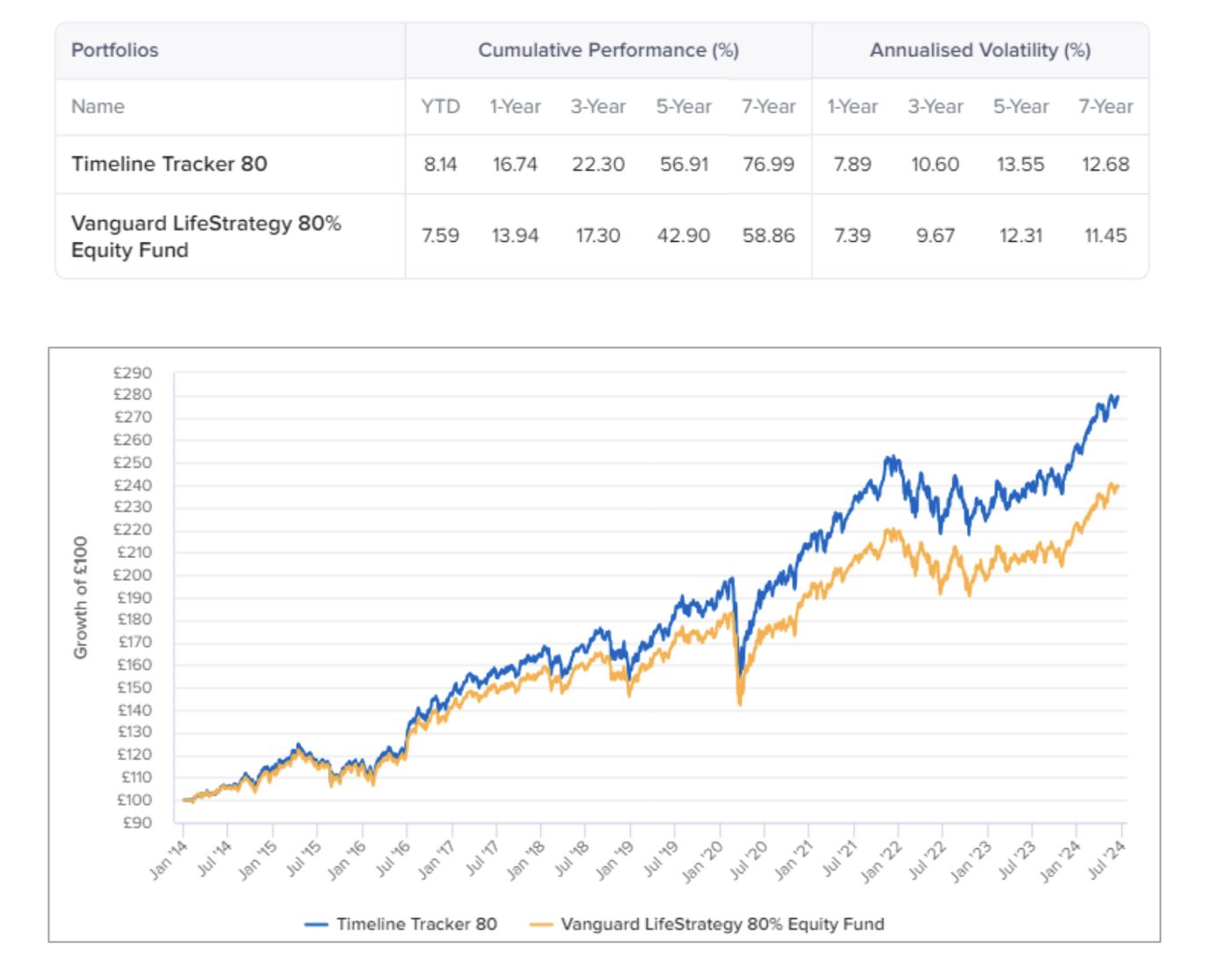
The investment strategy behind VGRO has a history that predates the fund's actual launch. Vanguard backtested the model portfolio performance from July 1995 to January 2018. The actual Vanguard Growth ETF Portfolio fund began trading in February 2018. Since its inception, it has provided investors with the live performance of this strategic asset allocation, moving from a theoretical model to a tangible investment product available on the Toronto Stock Exchange. The performance figures for the model and the actual fund are tracked separately, with the model data covering over two decades of hypothetical returns before the fund's existence. This backtested data is often presented to illustrate the long-term potential of the asset allocation strategy, though past performance is not a guarantee of future results.
Portfolio Composition and Key Holdings
The Vanguard Growth ETF Portfolio constructs its target allocation by investing primarily in other Vanguard ETFs. A significant portion is allocated to Canadian, U.S., and international developed market stocks, with a smaller allocation to emerging markets. The fund's published allocation percentages may not always equal 100 percent due to rounding or the temporary exclusion of certain holdings like cash or futures contracts used for efficient portfolio management. Weighted equity exposures specifically exclude temporary cash investments and equity index futures, while some short-term fixed income securities are classified as cash and excluded from the weighted bond exposure calculations. This methodological detail ensures the reported allocations reflect the fund's strategic investment exposures rather than temporary cash balances.
The Vanguard Growth ETF Portfolio is structured as a portfolio of other Vanguard ETFs. Its key holdings are other Vanguard funds. According to the model portfolio data, its fixed income allocation is specifically broken down. This allocation includes segments for Canadian bonds and global bonds. The total allocation percentages shown in the holdings details or a spreadsheet may not equal 100 percent due to rounding. They may also not equal 100 percent due to the omission of cash and futures contracts, which is a standard reporting practice.
Trading, Pricing, and Availability for Canadians
VGRO trades on the Toronto Stock Exchange under the ticker symbol VGRO.TO. Like all ETFs, it trades at the current market price, not necessarily its net asset value (NAV). Canadian investors must buy and sell shares through a brokerage account in the secondary market, which may involve paying brokerage commissions. There are two primary ways for Canadians to purchase Vanguard funds: through an online brokerage account they manage themselves or with the assistance of a financial advisor. The fund is eligible to be held in registered accounts like Tax-Free Savings Accounts (TFSAs) and Registered Retirement Savings Plans (RRSPs), allowing for tax-advantaged growth or deferral. All trading and distributions are conducted in Canadian dollars, eliminating currency conversion needs for domestic investors. Investors should be aware that trading at market price means they may pay more than the NAV when buying units and receive less than the NAV when selling, which is a standard characteristic of ETF trading in the secondary market.
Key details for Canadian investors include several practical considerations. Investors can buy Vanguard's funds in Canada through an online brokerage or with a financial advisor. Vanguard ETFs trade at market price, not at the net asset value. Investors must buy or sell Vanguard ETFs in the secondary market with the assistance of a brokerage firm.
- The fund trades under the Canadian ticker VGRO.TO on the TSX.
- Purchases and sales must be made through a brokerage firm.
- Investors may incur standard brokerage commissions on their trades.
- The fund is held and traded in Canadian dollars.
- It is a qualified investment for TFSA and RRSP accounts.
- Vanguard offers Series F units of the fund, typically for fee-based advisory platforms.
This accessibility makes the fund a core holding for many Canadian do it yourself investors. It is also a core holding for investors working with financial advisors. The Vanguard Growth ETF Portfolio is part of Vanguard's suite of model ETF portfolios available in Canada. These model portfolios are designed to offer complete portfolio solutions for different investor risk profiles.
Fees, Distributions, and Reported Figures
The fund charges a management expense ratio (MER), which is expressed as an annualized percentage of the fund's average net asset value. The MER figure includes any fee waivers or absorptions that Vanguard Investments Canada Inc. has in place as of the most recent fund year-end. The company expects to continue these practices indefinitely but retains the discretion to change them at any time. For recently launched funds, MER information may not yet be available. VGRO makes distributions to unitholders, which consist of dividends and capital gains. A portion of a distribution may be classified as a Return of Capital, which represents a return of an investor's principal. Each January, Vanguard reports the actual breakdown of Return of Capital for the prior year, clarifying how much of the total payout was from earnings versus principal. The total distribution payout amount remains consistent, but the classification between return of capital and investment earnings can vary slightly from estimates.
Important reporting and fee mechanisms are part of the fund's structure. The management expense ratio is expressed as an annualized percentage of the daily average net asset value. Each January, Vanguard Investments Canada Inc. reports the actual return of capital for the investment funds. Investors may incur brokerage commissions when buying or selling the ETF in the secondary market.
- The MER is calculated from the most recent fund year end data.
- Fee waivers and absorptions are included in the stated MER.
- Return of Capital amounts are reported each January for the previous year.
- Distribution payouts are a mix of capital gains, dividends, and potentially return of capital.
- Performance data such as Beta and R-squared is only displayed for funds with at least three full years of history.
This annual reporting provides transparency for investors who are tracking the tax characteristics of their distributions. It also provides transparency regarding the fund's ongoing costs. Investors should review the annual report to understand the exact composition of their distributions for tax filing purposes. The return of capital component of a distribution adjusts the cost base of an investor's investment.
Primary Risks and Structural Considerations
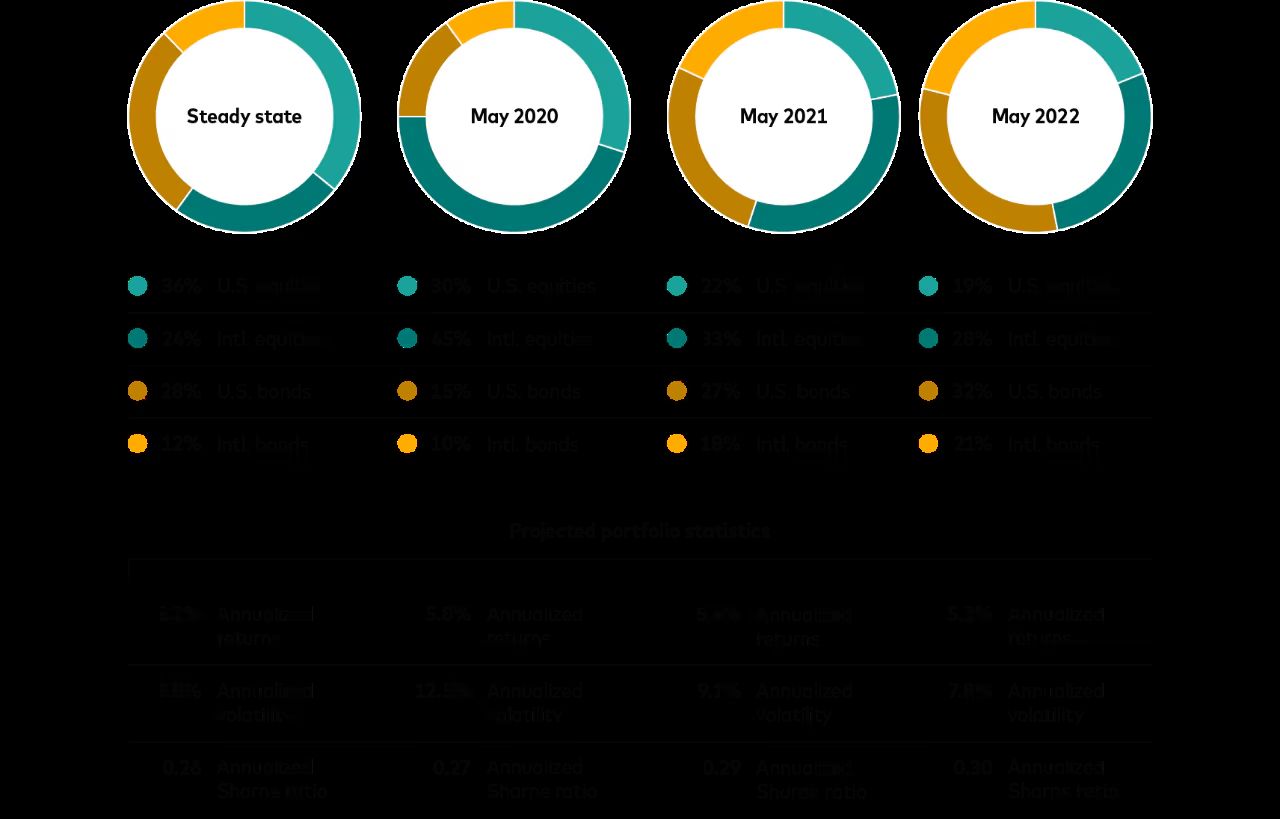
Investing in VGRO involves several key risks inherent to its structure and asset allocation. The fund's heavy weighting towards equities means it is subject to stock market risk, including the potential for significant volatility and loss of principal, especially during broad market downturns. The fixed income portion is exposed to interest rate risk, where rising rates can cause bond prices to fall. As a fund-of-funds, VGRO is also subject to the risks of the underlying ETFs it holds. There is no guarantee that the fund will achieve its objective of long-term capital growth. When trading, investors should be aware they may pay more than the NAV when buying units and receive less than the NAV when selling, in addition to any brokerage commissions.
Specific structural details that investors must understand include the calculation of portfolio allocations. The total allocation percentages shown in official holdings details may not equal 100% for two specific technical reasons. First, rounding of individual holding percentages can cause a slight discrepancy in the reported total. Second, certain holdings are intentionally omitted from the published allocation breakdowns. These omissions typically include temporary cash positions held for liquidity and futures contracts used for portfolio management efficiency. Consequently, the weighted equity exposures presented by the fund exclude any temporary cash investments and equity index futures. Similarly, some short-term fixed income securities that are classified as cash are excluded from the published weighted bond exposures. This methodology ensures the reported figures reflect the fund's long-term strategic asset allocation rather than transient cash balances. Investors analyzing the fund's holdings should be aware of this standard industry practice when interpreting the provided percentages.
Frequently asked questions
How can I buy VGRO in Canada?
Canadian investors can purchase VGRO through a brokerage account. Shares trade on the Toronto Stock Exchange under the ticker VGRO.TO. You can buy it through an online discount brokerage you manage yourself or with the assistance of a financial advisor. It is eligible for registered accounts like TFSAs and RRSPs. Transactions are in Canadian dollars, but investors should note they are buying at the market price, not the NAV, and may pay brokerage commissions.
Does VGRO pay dividends?
Yes, VGRO makes distributions to investors. These payments can consist of dividends, capital gains, and sometimes a Return of Capital. The exact composition is reported annually by Vanguard each January, detailing how much of the payout was from investment earnings versus a return of principal. The total payout amount remains consistent, but the classification between earnings and principal can vary from preliminary estimates. This reporting is crucial for investors to correctly report the distributions on their tax returns.
What is the MER for VGRO?
The management expense ratio (MER) is disclosed as of the fund's most recent year-end and includes any fee waivers or absorptions Vanguard has implemented. The company states it expects to continue these waivers but may discontinue them at its discretion. The specific MER figure is published in the fund's regulatory documents. For very new funds, the MER information may not be available until after the first year-end, as it requires a full annual period to calculate accurately.
When did VGRO start?
The investment model used by VGRO was backtested from July 1995. The actual Vanguard Growth ETF Portfolio fund began trading and accepting investments in February 2018. Therefore, the live fund performance data is available from February 2018 to the present, while the model's hypothetical performance covers the period from July 1995 to January 2018. This provides a long-term perspective on the strategy's historical behaviour.
What is the asset allocation of VGRO?
This allocation is designed to seek long-term capital growth. The fixed income portion is further divided, with a model portfolio example showing 11.8 percent in Canadian Bonds and 8.2 percent in Global Bonds. The fund's total allocation percentages may not equal 100 percent due to rounding or the omission of temporary cash holdings and futures contracts. This structure provides a diversified, growth-oriented portfolio through a single investment.
Sources and further reading
- (VGRO) Vanguard Growth ETF Portfolio vanguard.ca
This article explains how things work and is not financial, tax or legal advice. Rules, limits and rates change, so check the current figures with the Canada Revenue Agency, your province or your financial institution before you act.