A bond is a debt security, essentially a loan made by an investor to a government or corporation. In exchange for lending money, the bondholder receives regular interest payments and the return of the original principal amount when the bond matures. Bonds are a foundational component of Canadian fixed-income markets, offering investors a way to generate income and diversify portfolios. They are generally considered lower risk than stocks but carry their own set of risks, including interest rate changes and issuer default.
What Is a Bond and How It Works
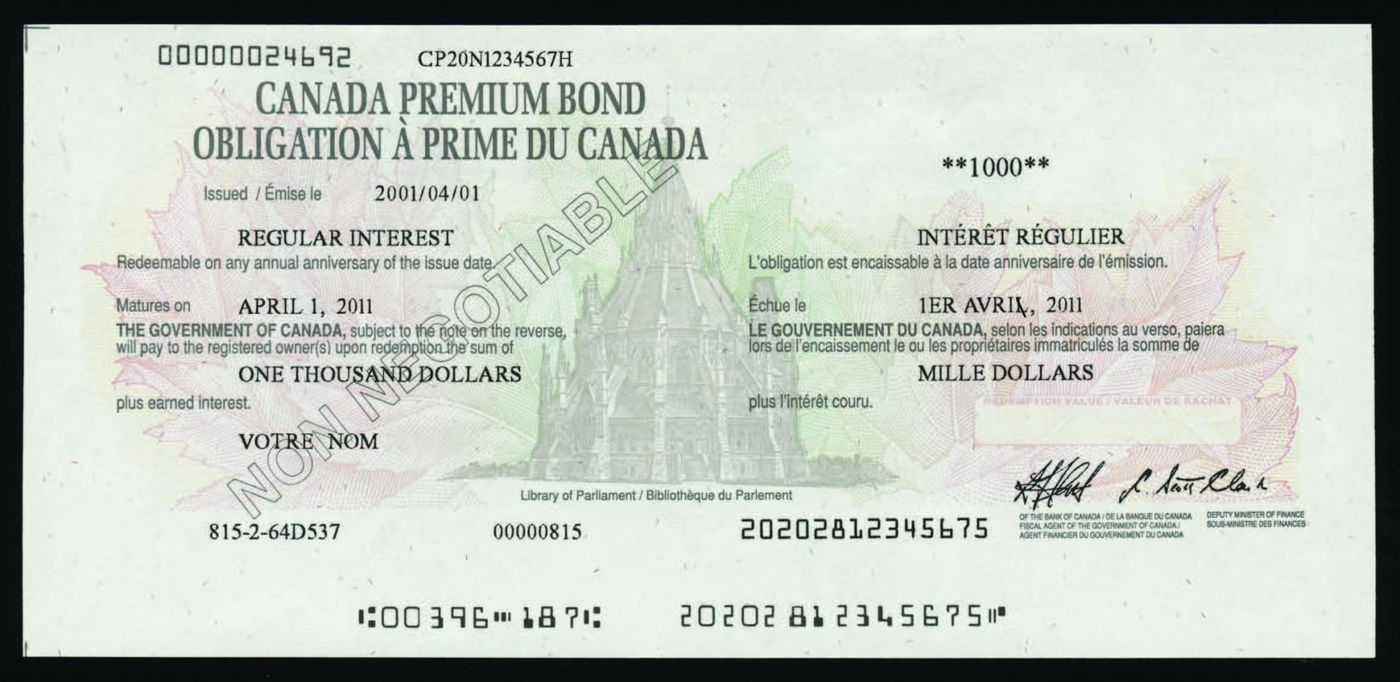
A bond is a formal IOU, a contract where the issuer owes a debt to the holder. The issuer, which can be a government or corporation, borrows a sum of money known as the principal, par, or face amount. In return, the issuer is obligated to provide cash flow to the creditor, which consists of repaying that principal at a specified future date called the maturity date. The issuer also pays interest, called the coupon, over the life of the loan. The interest is usually payable at fixed intervals such as semiannually or annually. When an investor purchases a bond, they are lending money directly to the issuer, bypassing traditional bank loans. This process allows large entities to finance long-term investments or, in the case of governments, to fund current expenditures. Bonds are distinct from stocks because bondholders are creditors, not owners, and they have a priority claim over stockholders in the event of bankruptcy. Most bonds have a defined term or maturity, after which the bond is redeemed, unlike stocks which typically remain outstanding indefinitely. An exception is a perpetual bond, which has no maturity date. The most common forms of bonds are government, corporate, and municipal bonds.
Key Features and Terminology
Understanding bond mechanics requires familiarity with several core features. The principal is the amount on which the issuer pays interest and which is repaid at maturity. The maturity date is when the issuer must repay the nominal amount, ending its obligations. The length of time until maturity is referred to as the term or tenor. The coupon is the interest rate the issuer pays to the holder, which for fixed-rate bonds remains constant. Interest payments are now almost always made electronically. The yield is the rate of return received from the investment, with the yield to maturity being a crucial measure as it estimates the total return if the bond is held to maturity, accounting for the present value of all future payments. Credit quality assesses the probability of the issuer defaulting, with bonds rated below investment grade considered high-yield or junk bonds. The market price of a tradable bond fluctuates based on interest rates, credit quality, and the yields of comparable bonds. Prices can be quoted as clean, excluding accrued interest, or dirty, including it. Bonds are often identified by a unique 12-digit alphanumeric code called an International Securities Identification Number (ISIN).
Bonds can also contain embedded options or covenants that define the rights and duties of each party. Callability gives the issuer the right to repay the bond before maturity, often at par value or a call premium. Puttability gives the holder the right to force early repayment. Call dates can be Bermudan (several dates), European (one date), or American (any time until maturity). A death put allows the estate of a deceased bondholder to sell the bond back to the issuer at face value. Sinking fund provisions require the issuer to retire a portion of the bond issue periodically. Indentures are the formal debt agreements, and covenants are the clauses within them that can restrict issuer actions. These features significantly impact the bond's risk and return profile for investors.
Types of Bonds Available to Investors
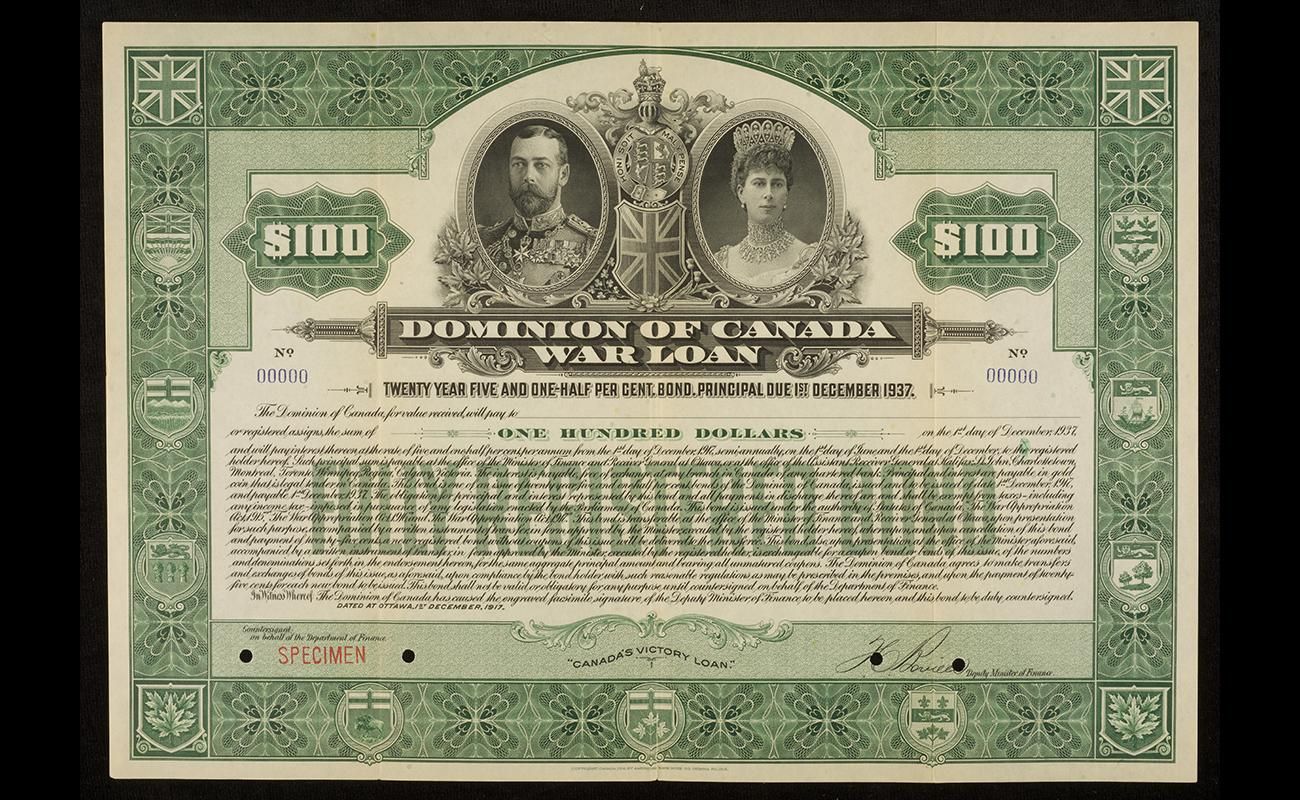
Bonds are categorized by the nature of the issuer, which affects security and tax treatment, and by the term of the bond. Government bonds, often called treasury bonds, are issued by sovereign governments like the Government of Canada and are considered the highest quality, though they still carry some residual risk. Supranational bonds are issued by organizations like the World Bank. Municipal bonds are issued by local authorities such as cities or provinces. In Canada, provincial bonds are not as secure as federal bonds but often offer higher returns. Corporate bonds are issued by companies and are higher risk than government bonds, offering higher potential returns. Corporate bonds are further divided into investment-grade bonds, issued by financially stable companies, and high-yield or junk bonds, which are rated below investment grade and carry much higher risk. Other specialized types include climate bonds for environmental projects, asset-backed securities backed by underlying cash flows like mortgages, and covered bonds where assets remain on the issuer's balance sheet. Subordinated bonds have a lower priority in case of liquidation, ranking behind senior bonds. Historically, war bonds were issued to fund military operations. Perpetual bonds, also called perpetuities, have no maturity date, with historical examples like the UK Consols.

The Canadian Bond Market and Issuance
The Canadian bond market is a vital part of the country's financial system. Government of Canada marketable bonds are all non-callable and pay a fixed rate of interest semi-annually. Bonds are issued in the primary markets by public authorities, credit institutions, companies, and supranational institutions. The most common process is underwriting, where a syndicate of securities firms or banks buys the entire bond issue from the issuer and resells them to investors. In contrast, government bonds are usually issued through an auction where members of the public and banks may bid. The terms, such as the coupon, are fixed in advance, while the price is determined by the market. An alternative for smaller issues is private placement, where bonds are sold directly to buyers and may not be tradeable in the secondary market. Historically, a tap issue involved issuing bonds over time at a fixed price, with volumes sold depending on market conditions. The Bank of Canada issues bonds at strategic maturity points, typically two, three, five, ten, and thirty years, which serve as benchmarks for pricing other bonds. Selected benchmark bond yields are published based on mid-market closing yields of specific Government of Canada bond issues, and these yields are a key reference for the entire fixed-income market.
| Common Benchmark Maturities | Typical Classification |
|---|---|
| Under 1 year | Money market instruments (bills) |
| 1 to 10 years | Medium term (notes) |
| 10 to 30 years | Long term (bonds) |
| Over 30 years / No maturity | Perpetual / Ultra-long-term |
How to Invest in Bonds in Canada
Canadians have several avenues for adding bonds to their investment portfolios. The first step is to determine your investment timeline and risk tolerance. For hands-on investors, individual bonds can be purchased directly from the issuing government or corporation, though this often requires more capital and research. A more common and accessible method is to buy bonds through an online brokerage account. Investors can purchase bond exchange-traded funds (ETFs) or mutual funds the same way they would buy a stock, offering instant diversification. Some brokerages have fixed-income desks for individual bonds, though these may require high minimum investments. For a managed approach, robo-advisors can automatically include a mix of fixed-income assets tailored to an investor's risk profile. It is also possible, though less common today, to buy certain government bonds directly through the Bank of Canada or provincial authorities. When purchasing bonds between coupon payment dates, the buyer must pay the seller the accrued interest from the last payment date until the settlement date. Many investors choose to hold bonds in tax-sheltered accounts like a Registered Retirement Savings Plan (RRSP) or a Tax-Free Savings Account (TFSA) to reduce the tax impact on interest income. The process of buying involves finding the ticker for a fund or the specific bond issue, entering the amount, and submitting an order through the brokerage platform.
Risks and Considerations for Bondholders
While bonds are generally considered lower risk than stocks, they are not without risk. All bonds carry credit and default risk, meaning the bondholder may lose their principal if the issuer struggles financially and defaults. Interest rate risk is a major factor because bond prices move inversely to market interest rates. When rates rise, the price of existing bonds falls, and vice versa. This relationship is measured by a bond's duration, where a longer duration means greater price sensitivity to rate changes. Reinvestment risk occurs when interest payments or the principal repaid at maturity must be reinvested at a lower prevailing interest rate. Inflation risk erodes the purchasing power of future bond payments if inflation outpaces the bond's coupon rate. Liquidity risk can be a concern for bonds that are not easily tradable on the secondary market. For corporate bonds, especially high-yield issues, economic downturns can increase the risk of default. Call risk applies to callable bonds, where the issuer may redeem the bond early, forcing the investor to reinvest at potentially lower rates. Understanding these risks is crucial for building a balanced fixed-income portfolio that aligns with an investor's goals and risk tolerance. The yield to maturity, often cited as a bond's return, is only realized if all interest payments are reinvested at that same yield, which may not occur in practice.
The Role of Bonds in an Investment Portfolio
Bonds serve several important functions within a diversified investment portfolio. Primarily, they are considered a fixed-income investment because they provide investors with regular, pre-determined income through interest payments, offering a steady cash flow. This can be particularly valuable for retirees or those seeking predictable returns. Bonds typically act as a diversifier against stocks and other riskier assets because they often react differently to economic environments. In periods when stock markets decline sharply, bonds can help buoy a portfolio by delivering relatively stable returns, thereby reducing overall portfolio volatility. Bonds also provide capital preservation for funds needed at a specific future date, as holding a bond to maturity guarantees the return of principal barring default. For Canadian investors, government bonds, especially those issued by the federal government, are viewed as a safe-haven asset during times of market stress. Including a mix of bonds with different maturities, issuers, and credit qualities can help manage risk and smooth out returns over the long term. A financial advisor can assist in determining the appropriate bond allocation based on an individual's investment horizon and financial objectives. Bonds can also be used in asset/liability matching strategies, where the bond's cash flows are aligned with future financial obligations.
Frequently asked questions
How do I buy bonds in Canada?
You can buy bonds through an online brokerage account, where you can purchase bond ETFs or mutual funds. Some brokerages offer individual bonds through fixed-income desks, often with higher minimums. Managed portfolios via robo-advisors automatically include bonds. It is also possible, though less common, to buy certain government bonds directly from the issuer.
What is the difference between a bond and a stock?
A bondholder has a creditor stake as a lender, while a stockholder has an equity stake as an owner. Bondholders are creditors who receive interest payments and the return of principal at maturity. Stockholders are owners who hold shares in the company. In the event of bankruptcy, bondholders have priority over stockholders for repayment. Furthermore, bonds typically have a defined term or maturity date after which they are redeemed, whereas stocks usually remain outstanding indefinitely.
Are Government of Canada bonds safe?
Government of Canada bonds are considered very secure, backed by the full faith and credit of the national government. Government bonds are often treated as having minimal default risk, making them among the safest bond types. However, the notes indicate that most government bonds do carry some residual risk, which can be reflected in credit ratings or differing market yields among issuers. Their safety is relative, as they are still subject to market price fluctuations and interest rate risk.
What does it mean when a bond is trading at a premium or discount?
A bond trades at a premium when its market price is above its nominal or par value, often because market interest rates have fallen since its issue date. A bond trades at a discount when its price is below par, which can occur if market rates have risen or the bond's perceived credit risk has increased. The price is influenced by the available redemption yield of comparable bonds. The issue price is typically close to par, but the market price varies over the bond's life based on these factors.
What are high-yield or junk bonds?
High yield bonds, also called junk bonds, are corporate bonds rated below investment grade by credit rating agencies. This rating indicates a higher probability that the issuer may default on its payments. As these bonds are much riskier than investment grade bonds, investors expect to earn a significantly higher yield to compensate for the increased risk. Their lower credit quality is due to a wide range of factors affecting the issuer's ability to meet its debt obligations.
Sources and further reading
- Bond (finance) (Wikipedia) en.wikipedia.org
- Selected bond yields bankofcanada.ca
- What are bonds and how do they work? | TD Direct Investing td.com
- Bond basics rbcgam.com
- How to Invest in Bonds: Complete Beginner's Guide wealthsimple.com
- Invest in bonds for fixed income or diversify your portfolio scotiaitrade.com
This article explains how things work and is not financial, tax or legal advice. Rules, limits and rates change, so check the current figures with the Canada Revenue Agency, your province or your financial institution before you act.