Pembina Pipeline Corporation is a major Canadian midstream energy company that provides critical transportation and services for oil and natural gas products. Its integrated network of pipelines, processing facilities, and storage assets forms a key part of North America's energy infrastructure. The company's common shares trade on the Toronto Stock Exchange under the symbol PPL and are also listed on the New York Stock Exchange as PBA. For Canadian investors, Pembina is known for its quarterly dividend payments, which are paid in Canadian dollars and are typically designated as eligible dividends for tax purposes.
Business Operations and Segments
Pembina Pipeline Corporation operates as an energy transportation and midstream service provider. The company owns a strategically located network of assets across North America, primarily serving the Canadian and Bakken markets. Its operations are divided into three main business segments: Pipelines, Facilities, and Marketing & New Ventures. The Pipelines segment is responsible for moving hydrocarbons through its extensive network of conventional, oil sands, and transmission pipelines. This segment has a total transportation capacity of 3.0 million barrels of oil equivalent per day and a ground storage capacity of 10 million barrels. These assets connect production basins to key markets across the continent.
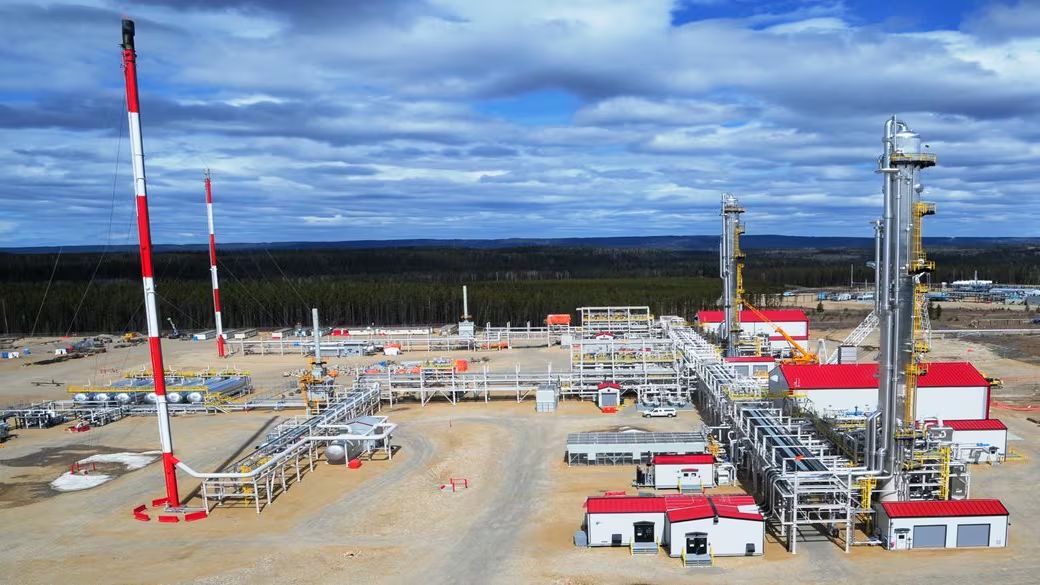
The Facilities segment focuses on processing and storing energy products. This infrastructure provides services for crude oil, natural gas, condensate, and natural gas liquids such as ethane, propane, and butane. Key assets within this segment include NGL fractionation capacity of 430 thousand barrels per day and a massive 21 million barrels of underground cavern storage capacity. The segment also encompasses various oil batteries, associated pipelines, rail terminalling facilities, and a liquefied propane export facility. The Marketing & New Ventures segment engages in buying and selling hydrocarbon liquids and natural gas. This activity primarily involves products originating in the Western Canadian Sedimentary Basin and other basins, allowing Pembina to capture value across the energy supply chain.

Company History and Stock Details
Pembina Pipeline Corporation was incorporated in 1954 and has its headquarters in Calgary, Alberta. The company has grown significantly from its origins into one of Canada's leading energy infrastructure businesses. A notable event in its corporate history was a 2-for-1 stock split that took effect on August 24, 2005. This event increased the number of shares outstanding without directly changing the overall market value of shareholders' holdings. The company's common shares are listed for trading on the Toronto Stock Exchange under the ticker symbol PPL. For access to U.S. investors and markets, the company also has a listing on the New York Stock Exchange under the symbol PBA.
In addition to its common shares, Pembina has issued several series of preferred shares that trade on the TSX. These are listed under the symbols PPL.PR.A, PPL.PR.C, PPL.PR.E, PPL.PR.G, PPL.PR.O, PPL.PR.Q, PPL.PF.A, and PPL.PF.E. The company employs approximately 2,974 people and reported trailing 12-month revenue of around C$8 billion. Its market capitalization, a measure of its total market value, was approximately $41.366 billion based on a recent intraday calculation. The stock's beta, a measure of its volatility relative to the broader market, is 0.75, suggesting it has historically been less volatile than the Toronto Stock Exchange average.
Dividend Policy and Reinvestment Plan
Pembina Pipeline has established a policy of paying cash dividends to common shareholders on a quarterly basis. These dividends are paid in Canadian dollars on the last business day of March, June, September, and December. To be eligible to receive a dividend, shareholders must be on the company's record on the 15th day of the corresponding month, or the next business day if that date falls on a weekend or holiday. The company advises that all common share dividends are designated as eligible dividends for Canadian income tax purposes unless shareholders are otherwise notified. The ex-dividend date, which is the date on which the stock trades without the value of its next dividend, is the same as the record date. Investors must purchase shares before this ex-dividend date to qualify for the dividend payment in that quarter.
Historically, Pembina offered a Dividend Reinvestment Plan (DRIP) known as the Premium Dividend and Dividend Reinvestment Plan. However, the company's board of directors suspended this plan effective April 25, 2017. The suspension was announced on March 7, 2017, citing the near-term completion of the largest capital spending program in its history and the strength of its balance sheet. The final dividend reinvested through the DRIP was for March 2017. Since that time, all shareholders, including those previously enrolled, receive their dividend payments in cash. The company stated that its fee-for-service contracts support its ability to fund new projects internally without further equity investment. Should the DRIP be reinstated in the future, shareholders who were enrolled at the time of suspension and remain enrolled would automatically resume participation.
- Dividends are paid quarterly on the last business day of March, June, September, and December.
- The record date is the 15th of the payment month (or the next business day).
- The ex-dividend date is the same as the record date.
- Dividends are designated as eligible dividends for Canadian tax purposes.
- The DRIP was suspended effective April 25, 2017.
- The last dividend reinvested through the DRIP was in March 2017.

Financial Metrics and Dividend Analysis
Several key financial metrics are commonly used by analysts and investors to assess Pembina Pipeline's stock. The trailing price-to-earnings (P/E) ratio, calculated by dividing the share price by earnings per share over the past 12 months, has been approximately 25. The price/earnings-to-growth (PEG) ratio, which incorporates expected earnings growth, has been about 1.6971. The company's earnings before interest, taxes, depreciation, and amortization (EBITDA) is C$3.5 billion. Over the last 12 months, Pembina's stock price has ranged from a low of C$48.48 to a high of C$71.91. The company's dividend payout ratio, which measures dividends as a percentage of net profits, has recently averaged around 107 percent.
This high payout ratio indicates the company has been returning all of its net profits and more to shareholders via dividends. Analysts have estimated a forward annual dividend yield of 4.3 percent based on recent payouts and the current stock value. It is important to note that this is an estimate and not a guarantee of future payments. Over the last 12 months, Pembina has paid approximately C$2.89 per share in dividends to its shareholders. The most recent dividend payment noted was made on September 29, 2026, to shareholders of record as of September 15, 2026. A high payout ratio can appeal to income-focused investors but also suggests less profit is being retained for reinvestment in the business for future growth.
How Canadian Investors Can Hold Pembina Stock
Canadian investors have multiple ways to purchase and hold shares of Pembina Pipeline Corporation. The primary and most direct method is to buy the common shares listed on the Toronto Stock Exchange under the symbol PPL. These shares trade in Canadian dollars, which simplifies the investment process for Canadian residents by avoiding currency exchange. Investors can purchase these shares through any Canadian brokerage or investment account that provides access to the TSX, such as those offered by Questrade or Wealthsimple. The shares can be held in various registered accounts, including Tax-Free Savings Accounts (TFSAs) and Registered Retirement Savings Plans (RRSPs). Holding the dividend-paying stock in a TFSA allows the dividend income and any capital gains to grow tax-free, while holding it in an RRSP provides tax-deferred growth.
For those who may have a U.S. dollar account or prefer exposure to the U.S. listing, Pembina's shares also trade on the New York Stock Exchange under the ticker PBA. This provides an alternative for investors but involves currency exchange between Canadian and U.S. dollars. The underlying ownership and corporate rights are identical for both PPL and PBA shares. When the company pays its quarterly dividend, it pays in Canadian dollars regardless of the exchange on which the shares are held. U.S. shareholders or those holding the PBA ticker would receive the Canadian dollar dividend amount converted to U.S. dollars by their broker or the depository. Investors should consult with their financial institution regarding the specific mechanics and potential foreign withholding taxes, though eligible dividends paid to Canadian residents in registered accounts are generally not subject to withholding tax.
Principal Risks and Considerations
Investing in Pembina Pipeline, like any equity security, involves a number of risks that shareholders should consider. The company's operations are tied directly to the health of the energy sector, particularly in North America. Fluctuations in commodity prices for oil, natural gas, and NGLs can impact the volume of production that flows through its systems, which may affect revenue from its fee-based services. Regulatory and environmental policies represent another significant area of risk. Changes in government regulations concerning pipeline safety, emissions, environmental protection, or approvals for new infrastructure projects could impose additional costs or restrict operations. The need to secure regulatory approvals for expansion projects can lead to delays or cancellations, impacting future growth.
Operational risks are inherent in the business of transporting and processing hydrocarbons. These include the risk of pipeline leaks, spills, fires, or other incidents that could cause environmental damage, lead to costly cleanup and remediation, and result in legal liabilities or reputational harm. The company's high dividend payout ratio, which has recently averaged 107 percent of net profits, is also a point of consideration. Finally, the suspension of the Dividend Reinvestment Plan since 2017 means shareholders do not have the option to automatically reinvest their dividends to purchase additional shares at a potential discount, which is a feature offered by many other income-oriented companies.
Frequently asked questions
What does Pembina Pipeline Corporation do?
Pembina Pipeline Corporation is an energy transportation and midstream service provider. It operates through three segments: Pipelines, Facilities, and Marketing and New Ventures. The Pipelines segment has a transportation capacity of 3.0 million barrels of oil equivalent per day. The Facilities segment includes fractionation, storage, and export infrastructure for hydrocarbons. The Marketing and New Ventures segment buys and sells hydrocarbon liquids and natural gas.
How often does Pembina pay dividends?
Pembina pays cash dividends on its common shares in Canadian dollars on a quarterly basis. The payments are made on the last business day of March, June, September, and December. Shareholders of record on the 15th day of the corresponding month are eligible for the dividend. The ex dividend date is the same date as the dividend record date.
Can I buy Pembina stock in my TFSA or RRSP?
You can buy Pembina Pipeline stock on the Toronto Stock Exchange under the symbol PPL. To invest, you must open a trading account with a Canadian brokerage that provides access to the Toronto Stock Exchange. The shares are purchased in Canadian dollars. This allows for holding the stock in registered accounts like TFSAs and RRSPs.
What was Pembina's dividend payout ratio?
Recently Pembina Pipeline has paid out, on average, around 107 percent of net profits as dividends. This payout ratio is considered high. Analysts estimate a forward annual dividend yield of 4.3 percent of the current stock value. This yield is based on recent payouts, which are not a guarantee of future payouts.
Does Pembina have a dividend reinvestment plan (DRIP)?
Pembina's Premium Dividend and Dividend Reinvestment Plan (DRIP) was suspended by the board of directors effective April 25, 2017. The last dividend reinvested through the plan was for March 2017. Since then, all shareholders receive dividend payments in cash. The company has stated it may reinstate the DRIP in the future.
What is Pembina's stock symbol on the TSX?
Pembina Pipeline Corporation's common shares are listed on the TSX under the symbol PPL. The company also has multiple series of preferred shares trading on the TSX under symbols such as PPL.PR.A, PPL.PR.C, PPL.PR.E, PPL.PR.G, PPL.PR.O, PPL.PR.Q, PPL.PF.A, and PPL.PF.E. For investors trading in the United States, the common shares are listed on the New York Stock Exchange under the symbol PBA. This dual listing provides accessibility for both Canadian and international investors. The company is a Calgary based energy transportation and midstream service provider.
Sources and further reading
- Pembina Pipeline Corporation (PPL.TO) ca.finance.yahoo.com
- Stock & Dividend pembina.com
- Guide to buying Pembina Pipeline stock in Canada finder.com
This article explains how things work and is not financial, tax or legal advice. Rules, limits and rates change, so check the current figures with the Canada Revenue Agency, your province or your financial institution before you act.