OTTAWA
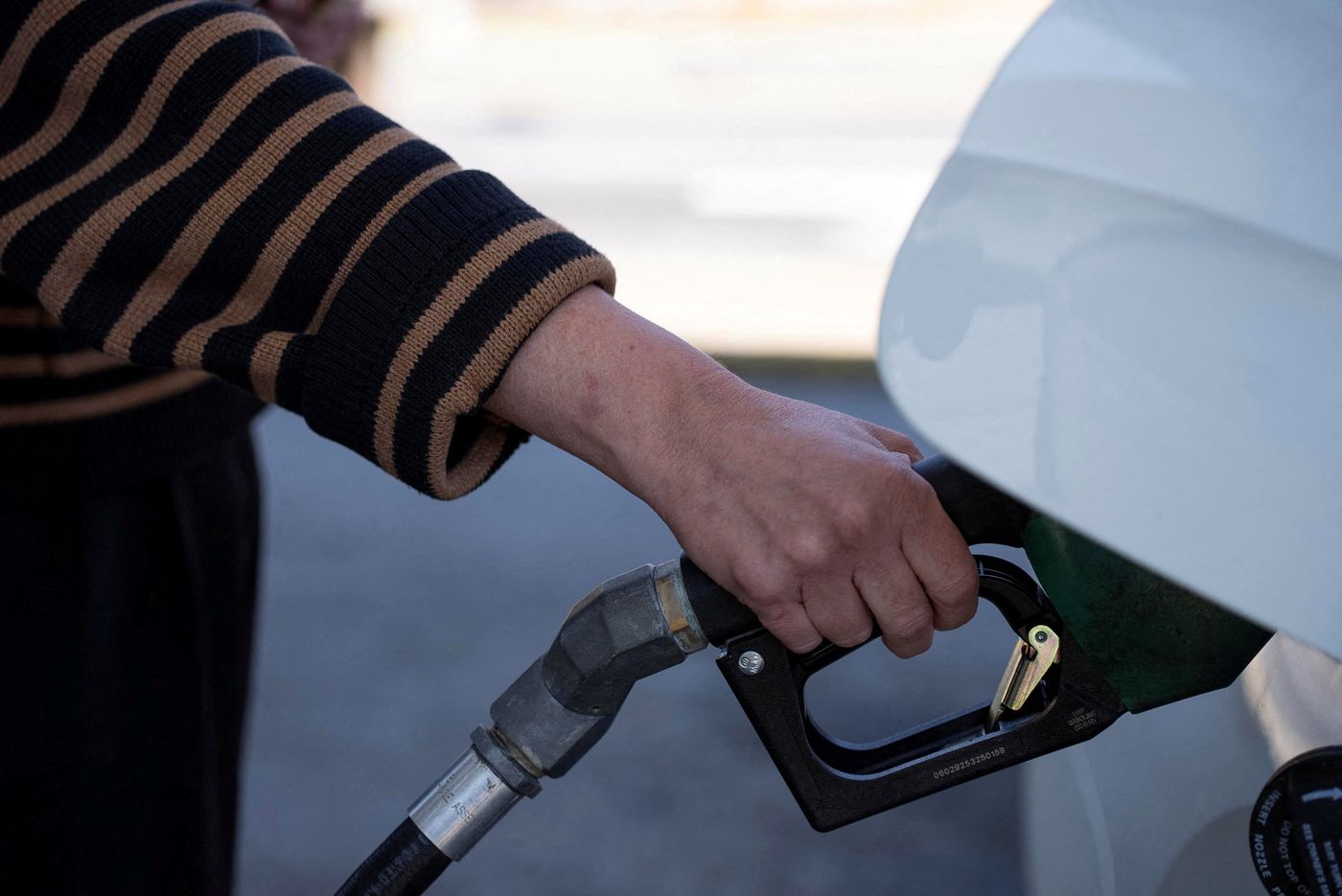
Statistics Canada says retail sales rose 0.8 percent to $75.3 billion in September, boosted by higher prices at gasoline stations and fuel vendors.
Sales at gasoline stations and fuel vendors increased 6.9 percent, however sales in volume terms for the subsector gained 1.6 percent in September.
Core retail sales, which exclude gasoline stations and fuel vendors and motor vehicle and parts dealers, were up 0.1 percent in September.
General merchandise retailers gained 1.5 percent, while clothing, clothing accessories, shoes, jewelry, luggage and leather goods retailers added 0.8 percent. Sales at food and beverage retailers fell 0.4 percent.
In volume terms, overall retail sales edged up 0.1 percent in September.
Looking ahead, Statistics Canada says retail sales in October fell 1.5 percent, though it cautioned the figure would be revised.
The agency said the early reading rests on replies from only 58.1 percent of the companies surveyed, and the estimate will be updated when final data is released on Dec. 18.
Maria Solovieva, an economist at TD Economics, said the overall quarterly data shows that Canadian consumers were resilient for the first half of the year.
"October's advance estimate for a sharp pullback suggests that the holiday shopping season could be off to a subdued start, consistent with our expectation for consumer spending to moderate toward year-end," Solovieva wrote in a note.
She warned that the strong third quarter data masks pockets of financial strain, with insolvency rates trending upward since the interest rate hiking cycle began in 2022.
On a quarterly basis, nominal retail sales were up by 1.2 percent in the third quarter of 2026 following a 2.2 percent second-quarter increase. In volume terms, third-quarter sales increased by one percent.
Michael Davenport, senior economist at Oxford Economics, said the flash estimate for October indicates that consumer spending will end on a soft note in 2026.
"We still think it's on track to lift the overnight rate by 25 basis points again in December before stepping to the sidelines for a prolonged pause," Davenport wrote, referring to the Bank of Canada.
He said consumer spending will likely slow in the near term amid softness in the labour market and the squeeze on household incomes from raised fuel prices.
Five of the nine retail subsectors finished the month higher. Motor vehicle and parts dealers posted a 0.2 percent gain.
Nine provinces posted higher sales in September. Ontario’s 0.7 percent rise was the largest in dollar terms and was led by gasoline stations. Alberta’s sales grew 1.7 percent, also on fuel. Manitoba was the only province to decline, down 1.6 percent.
Online shopping moved the other way. E-commerce retailers took in $5.7 billion in September after seasonal adjustment, 0.2 percent less than in August. That trimmed the online share of all retail trade to 7.5 percent from 7.6 percent a month earlier.
University of Calgary economist Trevor Tombe notes that gasoline accounts for about 3 percent of household spending, and that higher fuel costs also work their way into the prices of food, transportation and other goods.
Alicia Planincic, whose analysis was originally published by the Business Council of Alberta, writes that high gasoline prices are eating into household incomes at a time when the economy faces trade uncertainty and raised youth unemployment.
"A better way to put it is that Canada was already down and is now taking further hits," Planincic argues of the broader economy.
She observes that policymakers have limited tools to respond, writing that any boost from the Bank of Canada risks reigniting inflation.
The data adds to a group of softer-than-expected data releases since the central bank last hiked rates. e2gold.ca reported this week that a TD Economics report found mortgage arrears in Ontario are approaching their 2008 peak.
Statistics Canada will publish October retail trade data, including a revised reading of the advance estimate, on Dec. 18.
This story was written by the e2gold.ca newsroom from reporting by BNN Bloomberg, CTV News, Yahoo News and The Hub | More Signal. Less Noise.. Quotes are checked word for word against that reporting.