WASHINGTON
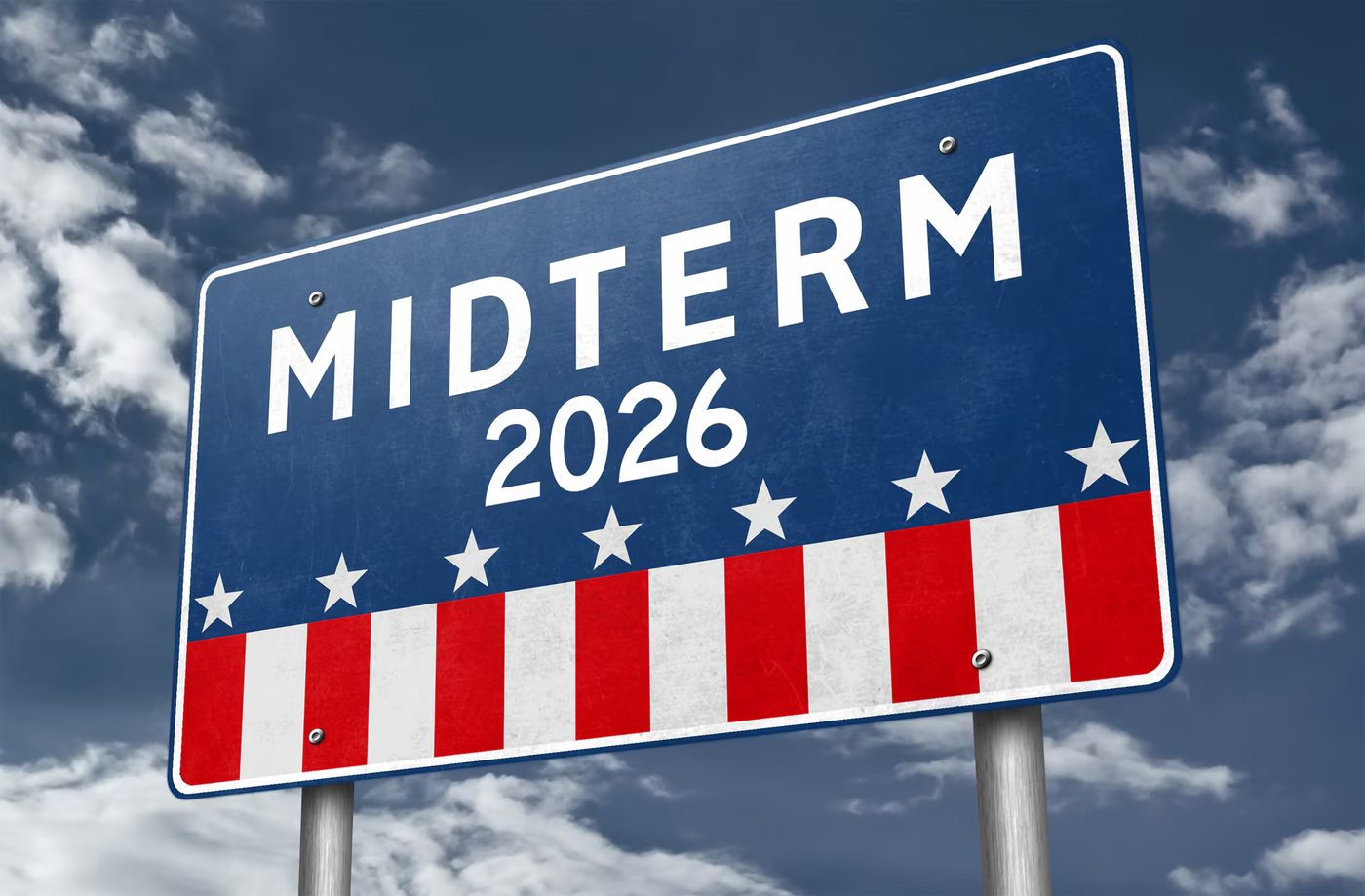
The outcome of next week's U.S. midterm elections could dramatically shift leverage in the ongoing trade war with Canada, as Democrats vow to rescind tariffs and curtail presidential trade powers.
"It is clear that all leverage, at least for now, rests with Ottawa," said Eric Ham, a political analyst for CTV News based in Washington, D.C.
Democrats have promised to repeal all of President Donald Trump's tariffs and the trade authorities used to impose them within the first 100 hours of taking office, should they win control of Congress.
That would require a veto-proof majority, a two-thirds vote in both the House and Senate, to overcome an expected presidential veto.
President Trump, speaking to reporters at the White House last week, stated it was the United States that "holds all the cards." However, Prime Minister Mark Carney said this week the Trump administration is "coming closer to our position."
Carney made the comments after a meeting with First Nation leaders and First Ministers in Ottawa on Monday.
Talks between the two countries failed in August, leading to tit-for-tat tariffs on billions of dollars worth of goods.
Recent polling suggests the trade conflict is politically costly for the president. A Cato Institute poll found 75 per cent of registered voters said tariffs will be "important" for their vote, while a Fox News poll in September found 64 per cent said tariffs hurt the U.S. economy.
A Marquette Poll found 70 per cent disapprove of Trump's handling of tariffs.
The political pressure appears to have prompted recent action. The White House recently rescinded tariffs targeting Kansas, a historically conservative state where polls showed races tightening and Democrats had a shot at winning a statewide office for the first time since 1931.
The state is home to 1,500 jobs directly tied to Canadian defence contractor Bombardier.
If Democrats win control of both chambers of Congress, they could pass legislation to override existing laws that delegate trade authority to the president, such as Section 232 of the Trade Expansion Act and Section 301 of the Trade Act of 1974.
Success is not guaranteed. Congressman Hakeem Jeffries, who would likely become Speaker of the House, is untested in the role, Ham noted.
It is also unclear if he could rally Democrats to take votes that would "directly usurp the muscular authority" of the president, Ham said.
Senate Minority Leader Chuck Schumer has shown little willingness "to engage in political pugilism with a Trump-led White House," according to Ham.
If Democrats do not secure both chambers, their ability to act is severely limited. Without a veto-proof majority, they would need Republican support, which is unlikely as President Trump "still controls congressional Republicans with an iron fist," Ham said.
Delay tactics would also prove fruitless, as the president has largely bypassed Congress using executive orders.
The midterms come as the economic fallout from tariffs continues. e2gold.ca reported in October that Ontario projects a $16.9 billion deficit as U.S. tariffs slow the economy.
Voters head to the polls on Nov. 5.
This story was written by the e2gold.ca newsroom from reporting by BNN Bloomberg and CTV News. Quotes are checked word for word against that reporting.