TORONTO
Food bank visits across Canada reached a record 2.35 million in March 2026, more than double the number recorded in 2019, according to a new national report.
The HungerCount report from Food Banks Canada, released Wednesday, shows an 8.7 per cent increase from March 2025 and a 117 per cent jump since 2019.
"This is the story of what happens when millions of people are out of options," said Food Banks Canada chief executive Kirstin Beardsley.
Nearly one-fifth of food bank users, 18 per cent, reported employment as their primary source of income, up from just over 12 per cent in 2019.
"A job is not enough to ensure that you are not in need of a food bank anymore," Beardsley said. "There's no other room in their budget to do anything."
The report says nearly 776,000 visits in March were made by children, representing 32.5 per cent of all users.
Richard Matern, research director at Food Banks Canada, said the data shows the sustained depth of need over the last few years. "People are progressively losing their financial cushion," he said.
Since 2021, food prices have increased by about 30 per cent, housing costs by 28 per cent and transportation costs by nearly 24 per cent, the report found.
People with the lowest incomes spend on average 60 per cent of their disposable income on housing alone, it said.
One in five food banks across the country reported running out of food before meeting the needs of all their clients.
In British Columbia, food bank usage doubled compared to 2019, with over 250,000 visits recorded in March.
Dan Huang-Taylor, executive director of Food Banks B.C., said unaffordable housing is a major factor, with housing accounting for 50 to 60 per cent or more of a household's income, leaving little for other essentials.
Nick Wells, a spokesperson for Vancouver's Union Gospel Mission, said income assistance has not kept up with inflation. "Food costs have risen 30 per cent since 2021," he said. "And it's just unsustainable."
Wells said the charity served 67,000 meals in the first quarter of 2026, a 26 per cent increase from the same period last year.
Mike von Massow, a food economics professor at the University of Guelph, warned that soaring diesel prices linked to the conflict in Iran could make winter food imports more expensive. "Those prices may be even higher with the rising price of diesel," he said.
Matern said those fuel costs are a "double-whammy" for food banks, affecting both their operational budgets and their clients' ability to afford gas.
Food Banks Canada is urging the federal government to double the Canada Workers Benefit and raise its income eligibility threshold to at least the poverty line.
It also recommends removing barriers to the disability tax credit and investing up to $500 million in food bank infrastructure.
Beardsley called the federal government's new Canada Groceries and Essential Benefit a "positive investment" but said it is not enough to bridge the gap, especially in northern regions.
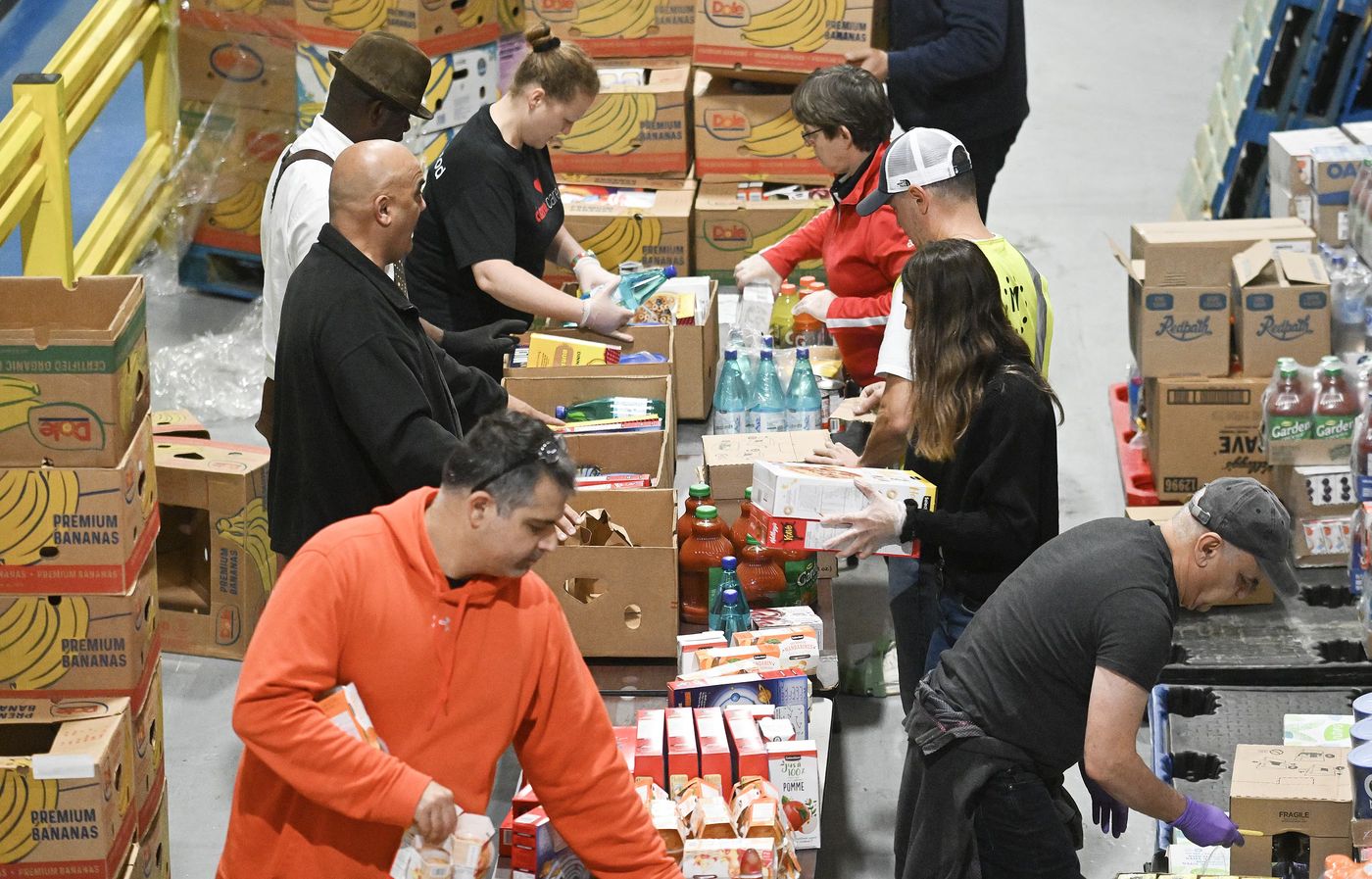
In Ontario, which recorded the most monthly visits at 846,724, volunteers like Linda Barker at the North York Harvest Food Bank see the pressing need firsthand. "The need is far more pressing than people realize," said Barker, who has volunteered for 15 years.
Kerry Holt, a client at a Toronto Indigenous food bank, said she never expected to need one. "With food prices, anyone could need the food bank at any point," she said.
Natalie Spooner, CEO of the Ottawa Food Bank, said the severity of food insecurity is becoming more dire. "We are seeing some exhaustion in the network," she said.
In B.C., Wells said the upcoming provincial election offers a chance for change. "The next provincial government has a chance to change this," he said.
This story was written by the e2gold.ca newsroom from reporting by The Globe and Mail, CBC News, Financial Post and Toronto Star. Quotes are checked word for word against that reporting.