Valuable Canadian coins are those that possess significant worth beyond their face value due to factors like rarity, historical significance, condition, and minting errors. These coins can range from early pre-Confederation issues to modern error coins, with some examples fetching hundreds of thousands of dollars at auction. Understanding what makes a coin valuable is crucial for Canadians who may encounter rare pieces in circulation or inherit collections. This guide explains the key factors that determine value and highlights specific coins that are highly sought after by collectors.
What Makes a Canadian Coin Valuable
The value of a Canadian coin is determined by a combination of specific, concrete factors rather than age alone. The primary drivers are the coin's condition and grade, its rarity as defined by mintage numbers and survival rates, and its historical context or the presence of a minting error. The market for collectible coins operates on principles of supply and demand, where trends, auction results, and recognized publications establish values. Coins are evaluated based on their quality and wear, with professional grading services like PCGS and NGC providing standardized assessments that heavily influence price. A coin in pristine, uncirculated condition can be worth exponentially more than the same coin in worn, circulated state, which is why understanding grading is fundamental.
Rarity is often linked to low mintage numbers, where fewer coins were originally produced. Historical events can also create rarity, such as the 1936 Dot Dime, created during the transition after King Edward VIII's abdication. Minting errors, when recognized by collectors and certification companies, can transform a common coin into a valuable one. These errors include deteriorated dies, die clashes, double dies, off-center strikes, or planchet mistakes like the 1996 German planchet two-dollar coin. The intrinsic metal content, particularly for silver coins minted before 1968, provides a base value that can appreciate with precious metal markets, though collectible appeal often commands a greater premium.
Key Factors Determining Coin Value
Condition and grading are the most significant factors in determining a coin's market value. Coins are graded on the Sheldon Scale, which ranges from Poor (P-1) to Mint State (MS-70). A Mint State (MS) grade indicates a coin has never been in circulation and retains its original luster. The difference between an MS-65 coin and an Almost Uncirculated (AU-50) coin of the same date and mintmark can be substantial. Professional grading provides an objective assessment of a coin's state of preservation, which directly correlates to its desirability and price in the collector market.
Rarity is primarily driven by low mintage numbers, but survival rates are equally important. A coin may have had a moderate mintage, but if most were melted for their silver content or lost over time, the surviving examples become rare. Historical significance adds another layer of value, connecting a coin to a specific event or period, such as the first coins of the Dominion of Canada in 1867 or the 1948 dollar delayed by India's independence. Mint errors and varieties, once authenticated, create unique collectibles. These are not simply damaged coins but specific, identifiable mistakes in the minting process, such as the 1969 Large Date ten-cent piece or the 1965 Queen Elizabeth II Large Beads five-cent coin.
A History of Canadian Coinage
The story of valuable Canadian coins begins with the Province of Canada's need to replace the sterling system with a decimal currency. In 1858, with approval from London, the first Canadian coins were minted in England in denominations of 1, 5, 10, and 20 cents. Following Confederation in 1867, the Dominion of Canada issued a new series of coins that were legal tender in the four founding provinces. For decades, Canada's coinage was produced by the British Royal Mint until a significant shift occurred with the opening of the Canadian Branch of Britain's Royal Mint in Ottawa in January 1908.
The Ottawa facility was established to produce Canada's circulation coinage and to refine the nation's gold resources. This mandate was realized from 1912 to 1914 when Canada produced its own $5 and $10 gold coins at the Ottawa Mint. This facility evolved into the Royal Canadian Mint, which continues to produce coinage today. This historical progression means that valuable coins can come from the early colonial period, the first Dominion issues, or the early output of the Ottawa mint, each with its own collectible appeal and potential rarity.
Notable High-Value Canadian Coins
Certain Canadian coins stand out for their extraordinary value at auction and their prominence among collectors. The 1911 Canadian Silver Dollar is often called the Holy Grail of Canadian coins, with a last recorded auction price of $552,000. Only a handful of pattern dollars were struck before the regular issue was cancelled, making it exceptionally rare. The 1936 Dot coins, particularly the dime, are another pinnacle of rarity, with only three examples known to exist. One sold for over $184,000. The dot was a mint mark used during the transition of monarchs in 1936.
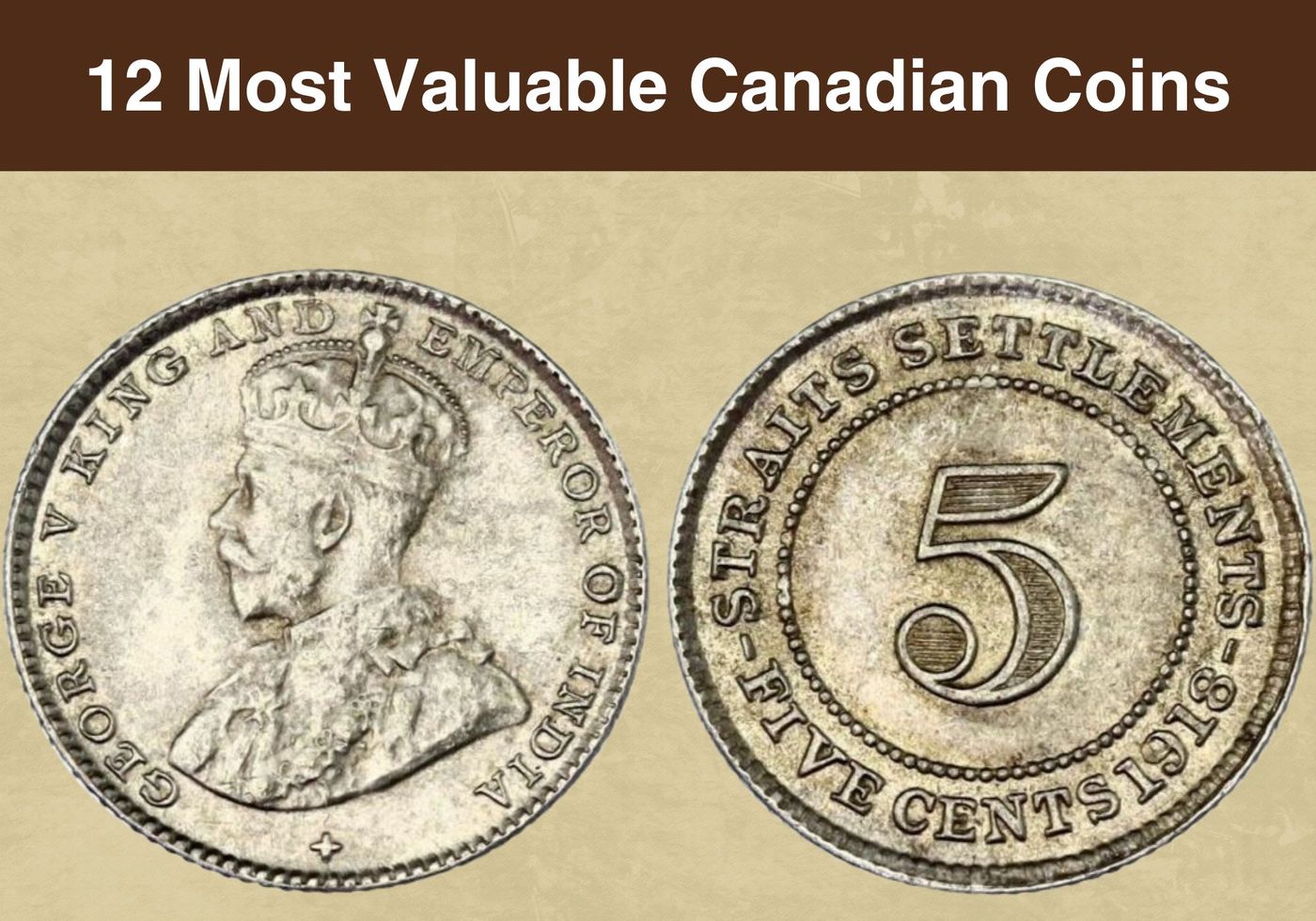
The 1921 50-cent piece is another key rarity, with most of the mintage melted down, leaving very few survivors. The 1921 silver 5-cent coin also commands high prices, with an auction record of $50,400 in 2019. Earlier pre-Confederation coins like the 1858 20-cent piece and the 1858 silver five-cent coin are valuable due to their age, historical importance as Canada's first decimal coins, and limited survival in good condition. Even 20th-century coins like the 1889 Queen Victoria quarter and the 1906 25-cent Small Reverse Crown have achieved auction records in the tens of thousands of dollars due to their condition and scarcity.
Valuable Coins from the Modern Era
Several modern issues have significant collector value. The 1969 Large Date ten-cent piece is a notable error, with an estimated value of $25,000 for an uncirculated specimen. The 1965 Queen Elizabeth II Large Beads five-cent coin is another mid-century error, achieving an auction record of $4,994 in 2014. Even Canada's dollar coin, the loonie, has a valuable first-year issue. A proof 1987 Loon dollar graded PR60 sold for $426 in 2012.
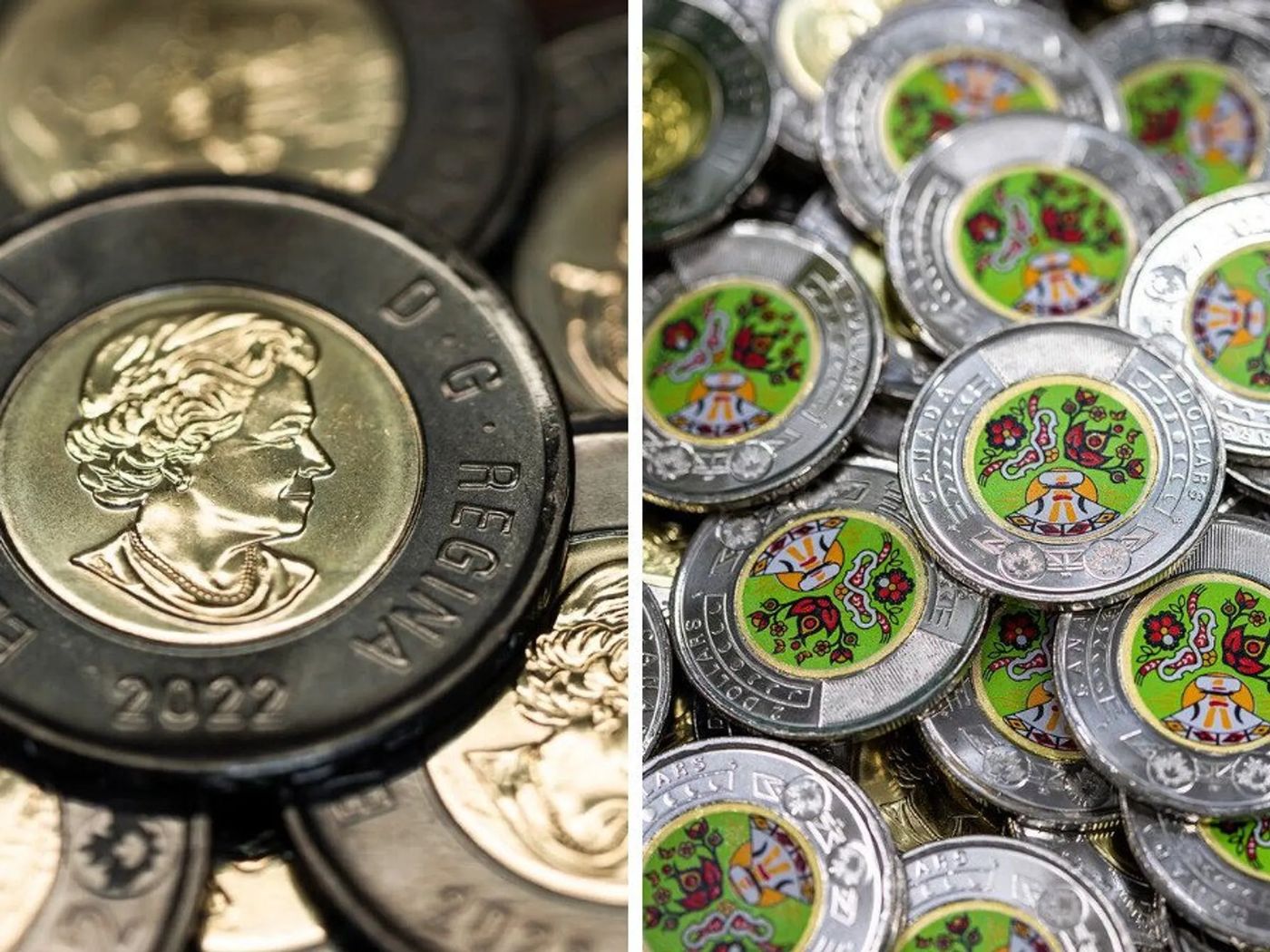
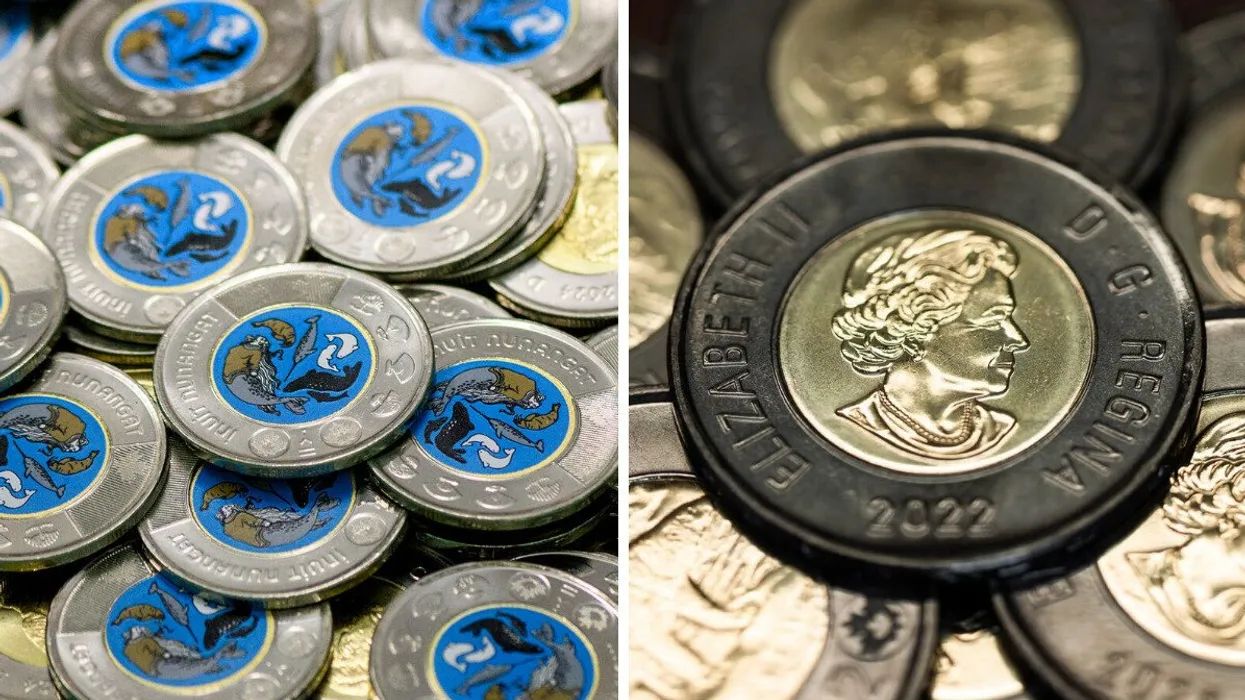
The two-dollar coin, or toonie, also has a collectible first-year variant. The Royal Canadian Mint struck the initial 1996 toonies using German planchets, which give the coins distinctive lines and darker tones. While circulated examples are worth face value, uncirculated specimens can be worth more, with an auction record of $332 set in 2018 for a German planchet example. The 1948 King George VI dollar is valuable due to its low mintage of only 18,780 pieces, a result of production delays following India's independence. It achieved an auction price of $1,968 in 2022.
How to Identify Potential Value in Your Coins
Identifying potentially valuable coins requires a methodical approach, starting with a careful examination of your pocket change or collection. First, sort coins by denomination and date, paying particular attention to dates known for low mintage or errors. For Canadian coins, key dates to look for include 1921, 1936, 1948, 1965, 1969, 1987, and 1996. Examine each coin under good light, using a magnifying glass to check for small details like the dot on a 1936 coin or the bead size on a 1965 nickel.
Assess the coin's condition honestly. Look for signs of wear on the highest points of the design, such as the monarch's crown or a animal's fur. A coin with full, sharp details and original luster is more likely to have value than one that is worn smooth. Check for errors like off-center strikes, double impressions, or missing design elements. Be aware of the metal content. Finally, compare your findings to reputable resources like price guides from PCGS or NGC, or consult auction records to understand the current market for specific coins in specific grades.
- Sort coins by date and denomination, focusing on known key dates.
- Inspect for mint errors like double dies, off-center strikes, or planchet flaws.
- Evaluate condition by checking for wear on the design's high points.
- Note the metal. Pre-1968 coins often contain silver.
- Compare against professional grading standards and auction records.
- Consult recognized price guides from PCGS or NGC for valuation.
Common Mistakes When Assessing Coin Value
Many people make errors when trying to determine if their coins are valuable, often leading to disappointment or missed opportunities. A frequent mistake is confusing damage with a mint error. Post-mint damage, such as scratches, bends, or corrosion, decreases a coin's value, while a genuine mint error like a double die or clipped planchet occurred during production and can increase value. Another common error is overestimating the condition of a coin. A coin that has been cleaned, even gently, will have its surface altered and will typically be worth less than an original, untouched coin of the same grade.
Assuming age alone guarantees value is incorrect. Millions of common-date older coins exist in circulation and are worth little more than their metal content or face value. Rarity is defined by scarcity, not just age. Relying on non-specialist sources for valuation, such as generic online lists without auction data, can provide misleading information. Finally, failing to properly store coins can lead to deterioration. Coins should be kept in inert holders away from PVC, which can cause damage over time, potentially destroying any numismatic value they once had.
Auction Records for Selected Valuable Coins
Auction results provide the most transparent evidence of what collectors are willing to pay for rare Canadian coins. These records show the premium placed on condition, rarity, and historical importance. The following table lists auction records for a selection of notable Canadian coins, illustrating the wide range of values from the modern era to classic rarities. The 1911 Canadian Silver Dollar holds the highest recorded price at $552,000, while the 1996 German planchet two-dollar coin shows that modern errors also have a market.
| Coin | Auction Record | Year |
|---|---|---|
| 1911 Canadian Silver Dollar | $552,000 | Last Auctioned |
| 1936 Dot 1 Cent Coin | $402,500 | 2010 |
| 1921 Silver 5-Cent Coin | $50,400 | 2019 |
| 1906 25C Small Rev Crown | $38,400 | 2019 |
| 1889 Queen Victoria Quarter | $17,800 (Grade MS64) | Recorded |
| 1969 Large Date Ten Cent | Est. $25,000 (Uncirculated) | Market Estimate |
| 1965 Large Beads 5 Cent | $4,994 | 2014 |
| 1948 King George VI Dollar | $1,968 | 2022 |
| 1922 Nickel 5-Cent Coin | $1,500 | 2019 |
| 1987 Loon Canadian Dollar | $426 | 2012 |
| 1996 German Planchet $2 Coin | $332 | 2018 |
These figures demonstrate that value is not linear with age. The 1996 toonie, while modern, has a record due to its specific error, while the 1889 quarter's value is tied to its grade and survival in superb condition. Auction records are snapshots of the market at a specific time and for a specific coin grade. Values for the same coin in a lower grade would be considerably less. These records are essential references for understanding the high-end market for Canadian numismatics.
Frequently asked questions
Are any Canadian coins still in circulation worth money?
Yes, some Canadian coins still found in circulation can be worth more than their face value. These include coins minted before 1968 that contain silver, certain low-mintage dates, and modern error coins. Examples to look for include the 1996 two-dollar coin struck on a German planchet, the 1987 loonie in exceptional uncirculated condition, and older nickels or dimes from key dates like 1922 or 1969. Careful examination of your change can sometimes yield a valuable find.
What does 'mintage' mean and why is it important?
Mintage refers to the number of coins of a specific date and denomination that were originally produced by the mint. It is a crucial factor in determining rarity and potential value. Coins with a low mintage, such as the 1948 dollar with only 18,780 pieces, are often more valuable because fewer examples exist for collectors to acquire. However, survival rate is also important. A coin with a moderate mintage may be rare if many were later melted down or lost.
How does a mint error increase a coin's value?
A mint error increases a coin's value by making it unique and scarce. Errors occur during the production process and can include double dies, off-center strikes, clipped planchets, or wrong planchet errors like the 1996 German planchet toonie. These mistakes are often caught and destroyed, so the few that escape into circulation become highly sought after by collectors. The value depends on the type and severity of the error and the coin's overall condition.
What is the Sheldon Scale for coin grading?
The Sheldon Scale is the standard numerical system used to grade coins, ranging from 1 to 70. A grade of 1 represents a coin in Poor condition, barely identifiable, while a grade of 70 represents a perfect Mint State coin with no flaws even under magnification. Grades from 60 to 70 are for uncirculated coins. Professional grading services like PCGS and NGC use this scale to provide an objective assessment, which is essential for establishing a coin's market value and facilitating trust between buyers and sellers.
What is the most valuable Canadian coin ever sold?
The 1911 Canadian Silver Dollar holds the record for the most valuable Canadian coin sold at auction, achieving a price of $552,000. It is considered the Holy Grail of Canadian coins due to its extreme rarity, as only a small number of pattern coins were struck before the regular issue was cancelled. The value of a coin depends on factors such as rarity, historical significance, and collector demand. This specific coin's immense value is derived from its status as a pattern and its immense desirability among advanced collectors. Its auction record solidifies its position as the pinnacle of valuable Canadian numismatic items.
Where were Canada's first coins minted?
Canada's first decimal coins were minted in England in 1858 for the Province of Canada. These coins, in denominations of 1, 5, 10, and 20 cents, were authorized by London to replace the sterling system with a decimal system similar to that of the United States. This issuance preceded the creation of the Dominion of Canada in 1867. It was not until the opening of the Canadian Branch of Britain's Royal Mint in Ottawa in January 1908 that Canada began producing its own circulation coinage domestically on a consistent basis. This domestic production was a significant step in establishing Canada's independent monetary identity.
Sources and further reading
- Canadian coins price guide, value, errors and varieties coinsandcanada.com
- Top 13 Canadian Coins Worth Money sdbullion.com
- Top 10 Valuable Canadian Coins That Could Be in Your ... canambullion.ca
This article explains how things work and is not financial, tax or legal advice. Rules, limits and rates change, so check the current figures with the Canada Revenue Agency, your province or your financial institution before you act.