Travel insurance credit cards in Canada provide a range of coverage benefits, including emergency medical, trip cancellation, and baggage protection, when you pay for travel with the card. These benefits are a standard feature on many premium Canadian credit cards, offering a layer of financial protection for domestic and international trips. Coverage details, including duration, maximum amounts, and eligibility requirements, vary significantly between different card issuers and specific card products. Understanding the rules and limitations of your card's insurance certificate is essential for Canadian travellers to avoid unexpected gaps in coverage.
What Credit Card Travel Insurance Typically Covers
Credit card travel insurance in Canada is not a single product but a package of several distinct coverage types designed to address common travel risks. The most frequently referenced coverage is out-of-province or out-of-country emergency medical insurance, which pays for hospital and medical expenses if you become ill or injured while travelling. This coverage is crucial as provincial health plans offer limited protection outside your home province and virtually none outside Canada. Another core component is trip cancellation and interruption insurance, which reimburses non-refundable, prepaid travel costs if you must cancel before departure or cut a trip short due to a covered reason, such as a family illness.
Additional common coverages address inconveniences and losses during a journey. Baggage insurance may provide reimbursement for the loss, damage, or delay of checked luggage, with delay coverage often activating after a set period, such as four hours. Flight delay insurance can cover reasonable expenses for meals and accommodation if your flight is significantly delayed. Many cards also include rental car collision damage waiver insurance, which covers damage to a rental vehicle if you paid for the entire rental agreement with that credit card. Other potential benefits include hotel burglary insurance, which covers personal property stolen from a locked hotel room, and travel accident insurance, which provides a benefit in case of accidental death or dismemberment while travelling on a common carrier.
Key Rules for Activating and Using Coverage
To qualify for the travel insurance benefits on a credit card, cardholders must almost always meet specific activation requirements, which are strictly enforced. The most universal rule is that a significant portion of your travel expenses must be charged to the eligible credit card. Common thresholds are paying the full cost of the trip or at least 75 percent of the total trip expenses with the card. For trip cancellation and interruption coverage, the prepaid travel arrangements typically must have been paid in full with the eligible credit card or associated reward points. It is vital to review your card's certificate of insurance, as rules can differ between coverage types. For instance, emergency medical coverage may be active simply by being a cardholder, while trip-related coverage requires the purchase trigger.
Coverage is also subject to strict time limits, especially for emergency medical insurance. If your trip exceeds this day limit, the insurance expires, and you would be without medical coverage for the remainder of your journey unless you purchase a top-up. Furthermore, the insurance is only valid while the credit card account is in good standing, meaning payments are up to date. The coverage is designed for personal travel and not for business trips unless explicitly stated. Always contact your card issuer's insurance administrator before a trip to verify your specific benefits and ensure you meet all eligibility criteria.
Comparing Coverage Limits and Durations
The value of a credit card's travel insurance is largely determined by its coverage limits, which cap the amount payable for a claim, and its duration limits, which define how long the coverage lasts per trip. Emergency medical insurance limits are a critical differentiator, with standard coverage often set at $1 million, while some premium cards offer up to $5 million. The duration for this medical coverage varies widely. For travellers aged 65 and over, these durations are frequently shorter, sometimes reduced to just 7 or 10 days, or may require purchasing an optional insurance package for an additional annual fee.
Other coverages have their own specific limits that are important to compare. Trip cancellation and interruption insurance often has a maximum per-trip limit and a per-person limit. Baggage delay insurance may provide a set amount, like $500 or $1,000, for necessary purchases after a delay of a specified number of hours. Flight delay coverage typically has a per-person maximum for expenses incurred. Rental car damage insurance usually covers up to the actual cash value of the rental vehicle. The following table illustrates how coverage can differ between card products, based on available information.
| Coverage Type | Example Card A | Example Card B |
|---|---|---|
| Emergency Medical | $1 million for 25 days | $5 million for 31 days |
| Medical for Ages 65+ | Coverage may be reduced | Optional package for fee |
| Trip Cancellation | Requires 75% of trip cost on card | Requires full trip cost on card |
| Baggage Delay | $1,000 after 4 hours | $500 after 4 hours |
| Rental Car Damage | Up to vehicle value | Up to $100,000 for 48 days |
Common Exclusions and Coverage Gaps
Credit card travel insurance contains numerous exclusions that can lead to denied claims if not understood beforehand. A major area of limitation is pre-existing medical conditions. Most policies will not cover expenses related to an unstable or recently changed medical condition, with specific look-back periods defined in the certificate of insurance. High-risk activities, such as professional sports, mountaineering, or scuba diving beyond certain depths, are commonly excluded from coverage. Furthermore, travelling against medical advice or for the purpose of obtaining medical treatment will invalidate emergency medical benefits. It is the cardholder's responsibility to review all exclusions related to health before travelling.
Other significant gaps relate to travel advisories and non-medical trip disruptions. If the Government of Canada has issued a travel advisory, such as to avoid all non-essential travel or all travel to your destination, at the time you leave for your trip, coverage for claims related to that advisory is typically void. For instance, if you cancel a trip because a new COVID-19 variant leads to a travel advisory, that claim would not be covered. However, if you contract COVID-19 while travelling and there was no advisory in effect when you left, related medical expenses may be covered. Coverage is also generally not provided for losses due to war, civil unrest, or nuclear hazards. Finally, credit card insurance is secondary to any other valid insurance you may have, such as a group health plan, meaning it only pays eligible costs not covered by your primary insurer.
Steps to Take Before You Travel
Proper preparation is essential to ensure your credit card travel insurance is active and understood before you depart. The first and most important step is to obtain and carefully read the certificate of insurance for your specific credit card. This document, available from your card issuer's website or by request, contains all the terms, conditions, limits, exclusions, and procedures. Do not rely on marketing summaries. Next, verify your eligibility for the upcoming trip. Check that your travel dates fall within the maximum trip duration for medical coverage and that you have met the spending requirement to activate coverage, such as charging 75 percent or more of the trip costs to the card.
You should then assess if you need to purchase top-up insurance. This is additional coverage you buy from your card issuer or a third-party provider to fill gaps. Common reasons for top-up insurance include extending the trip duration beyond your card's limit, increasing coverage amounts, or securing coverage for travellers over age 65 if your card's coverage is insufficient. Contact your card issuer's insurance administrator, such as Allianz Global Assistance for RBC cards, to inquire about top-up options. Finally, carry the certificate of insurance and the emergency assistance phone numbers with you while travelling. In a medical emergency, seek hospital care immediately and have a companion contact the assistance line as soon as possible to coordinate care and claims.
How Coverage Varies by Card Issuer
While all major Canadian banks offer credit cards with travel insurance, the specific packages and benefits differ. RBC credit cards with travel insurance often include out-of-province emergency medical coverage that is active as soon as you leave your province, without requiring you to pay for the trip with the card, though other coverages like trip cancellation have payment requirements. RBC also explicitly notes that its emergency medical insurance covers COVID-19-related expenses provided no relevant government travel advisory was in effect on the departure date. For extended stays, RBC allows cardholders to call and purchase additional coverage before the initial insurance expires.
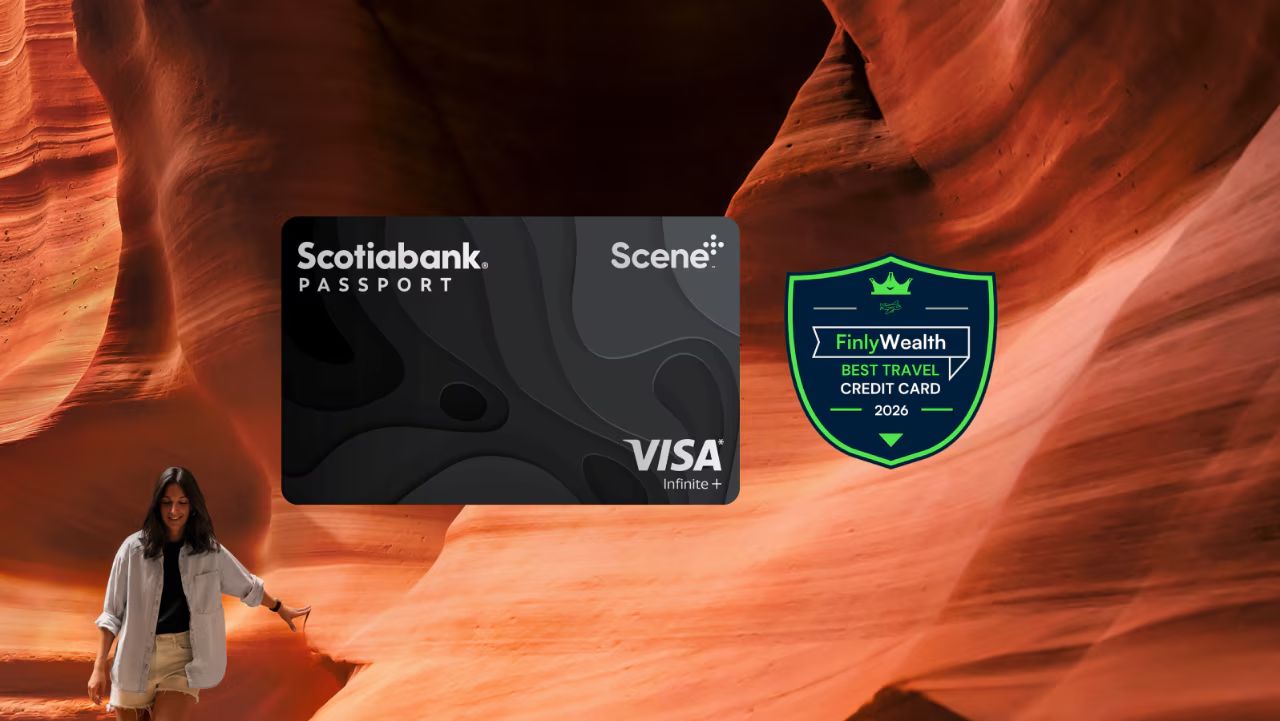
Scotiabank cards, such as the Scotiabank Gold American Express and the Scotiabank Passport Visa Infinite+, frequently require at least 75 percent of trip expenses to be charged to the card for insurance to apply. They are noted for offering $1 million in travel medical insurance for 25 days, which is a longer-than-average duration, and include hotel burglary insurance. CIBC's high-end cards, like the CIBC Aventura Visa Infinite Privilege, offer substantial benefits such as emergency medical insurance for trips up to 31 days with a $5 million limit and rental car coverage for up to 48 days. BMO's Ascend World Elite Mastercard stands out for providing $5 million in out-of-country medical insurance and has specific optional insurance packages for travellers between the ages of 65 and 74.
Frequently asked questions
Do I have to pay for my entire trip with my credit card to get the insurance?
The payment requirement varies by card and by the type of coverage. For trip cancellation and interruption insurance, you typically must pay the full, prepaid cost of travel arrangements with your eligible credit card. For emergency medical coverage, some cards like certain RBC cards provide coverage automatically when you leave your province, without a purchase requirement. Most cards, however, require you to charge a significant portion of the trip costs, such as 75% or 100%, to the card to activate the full insurance package. Always check your card's certificate of insurance.
Are travellers over age 65 covered by credit card travel insurance?
Many credit cards do provide coverage for travellers aged 65 and over, but often with reduced benefits. The trip duration for emergency medical insurance may be shorter, such as 7 or 10 days instead of the standard 21 or 31. Some cards, like the BMO Ascend World Elite Mastercard, offer no included medical insurance for people 65 or older but provide an optional insurance package for an additional annual fee. It is critical to review the age-related terms in your certificate of insurance, as assuming you have full coverage can lead to a significant gap.
Does credit card travel insurance cover COVID-19?
Coverage for COVID-19 depends on the specific policy and circumstances. For example, RBC states that its out-of-province emergency medical insurance covers expenses related to COVID-19 and its variants, provided there is no Canadian government travel advisory (such as to avoid all non-essential travel) for your destination on the date you leave. However, if you cancel or interrupt your trip due to new travel advisories related to COVID-19, that claim would not be covered under trip cancellation/interruption insurance. The virus is treated like any other illness, subject to the policy's standard terms and exclusions.
What is top-up travel insurance and when do I need it?
Top-up travel insurance is additional coverage you purchase to supplement the insurance provided by your credit card. You may need it if your trip is longer than the maximum number of days covered by your card's emergency medical insurance. You may also need it if the coverage limits for trip cancellation or medical expenses are lower than the total cost of your trip. Another reason is if you are over a certain age and your card's included coverage is insufficient or unavailable. You can buy top-up insurance online or by calling the provided number before your trip begins.
What should I do if I have a medical emergency while travelling?
In a life-threatening medical emergency, your first step is to get to a hospital or call local emergency services immediately. As soon as possible, have a family member or travelling companion contact the 24/7 emergency assistance number provided in your credit card's insurance certificate. For RBC cardholders, this is Allianz Global Assistance. The assistance company can help coordinate care, guarantee payments to hospitals where possible, and guide you through the claims process. Do not wait to call for assistance, as failing to notify the insurer promptly could complicate your claim.
How long does the emergency medical coverage last on a credit card?
The duration of emergency medical coverage varies by card, typically lasting for a fixed number of consecutive days per trip as specified in the card's Certificate of Insurance. Common coverage periods include 21, 25, or 31 days. For instance, the Scotiabank Gold American Express Card and the Scotiabank Passport Visa Infinite+ card both provide $1 million in travel medical insurance for 25 days. In contrast, the RBC Avion Visa Infinite Privilege card offers travel emergency medical insurance for trips up to 31 days with no limit on the coverage amount. It is crucial to check your specific card's terms, as coverage ends when you exceed the day limit, and for extended travel, you must purchase additional top-up insurance before your initial coverage expires.
Sources and further reading
- The best credit cards for travel insurance ratehub.ca
- RBC Travel Insurance, Stay Protected in Canada and ... rbcroyalbank.com
- Is your credit card's travel insurance enough? caaneo.ca
- Travel rewards credit cards cibc.com
- The Best Credit Cards in Canada for Travel Insurance nerdwallet.com
This article explains how things work and is not financial, tax or legal advice. Rules, limits and rates change, so check the current figures with the Canada Revenue Agency, your province or your financial institution before you act.