Tax rates in British Columbia are set by the provincial government and apply to your taxable income on top of federal income tax. For the 2026 tax year, BC's personal income tax rates range from 5.6% to 20.5%, applied across seven income brackets. These rates, combined with federal tax rates, create a combined marginal tax rate that can be as high as 53.5% for BC residents. Understanding these rates and how they interact with federal taxes is essential for accurate financial planning and tax filing for individuals in the province.
How British Columbia's Progressive Tax System Works
British Columbia uses a progressive income tax system, where your provincial tax rate increases as your taxable income rises through predefined brackets. For the 2026 tax year, there are seven distinct tax brackets. Your income is not all taxed at the rate of your top bracket. Instead, the first portion of your income is taxed at the lowest rate, and each subsequent portion is taxed at the progressively higher rate that corresponds to its bracket. This cumulative application ensures that higher earnings are taxed at higher rates only on the income that exceeds each bracket threshold. The system is designed so that individuals with lower incomes pay a smaller proportion of their earnings in provincial tax.
The brackets and the basic personal amount are adjusted annually for inflation through a process called indexation. For the 2026 tax year, the indexation factor applied to BC's tax brackets and credit amounts was 1.022, representing a 2.2% increase based on the provincial Consumer Price Index. However, the provincial government's Budget 2026 has paused the indexation of tax brackets for the 2027 through 2030 tax years. This pause means the bracket thresholds will remain static during that period, which could result in individuals paying slightly higher average tax rates if their incomes rise with inflation. Indexation is scheduled to resume for the 2031 and subsequent tax years.
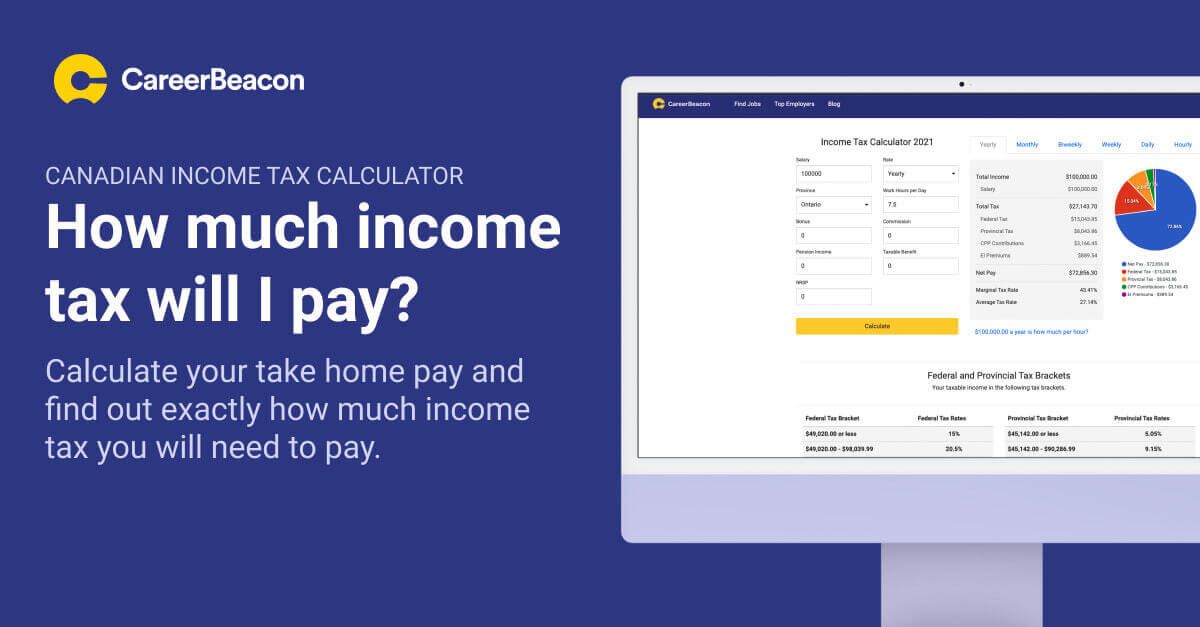
2026 British Columbia Provincial Tax Brackets and Rates
The specific income ranges and corresponding tax rates for the 2026 tax year are confirmed by the Canada Revenue Agency and the BC Ministry of Finance. These brackets determine how much provincial tax you will owe on your taxable income after deductions and credits. It is important to use these brackets when calculating your provincial tax liability for the 2026 tax year, which you will file in early 2027. The rates apply to your income after it has been calculated according to federal rules, as BC uses the federal definition of taxable income. The following table outlines the complete set of tax brackets and rates for British Columbia residents for the 2026 tax year.
| Taxable Income From | Taxable Income Up To | Tax Rate |
|---|---|---|
| $0 | $50,363 | 5.60% |
| $50,363.01 | $100,728 | 7.70% |
| $100,728.01 | $115,648 | 10.50% |
| Over $265,545 | 20.50% |
Notable changes from the previous year include an increase in the rate for the lowest tax bracket to 5.6% from 5.06%, as implemented by the BC 2026 Budget. The threshold for the top tax bracket, where the 20.5% rate applies, is $265,545 of taxable income. These brackets have been increased by the 2.2% indexation factor for 2026. When planning for future years, taxpayers should be aware that the BC NDP election platform for 2026 included proposals to increase the top two rates for the 2027 tax year and to introduce a new top bracket for income over $1 million.
Combined Federal and Provincial Tax Rates
BC residents pay both federal and provincial income tax. The combined effective tax rate is the result of applying both sets of brackets and rates to your income. When these are layered with the BC provincial rates, the combined marginal tax rate for a BC taxpayer can be between 20.06% and 53.5%. The 53.5% top combined rate applies to income above the federal and provincial top brackets. It is crucial to calculate taxes in the correct order: federal tax is calculated first on your taxable income, then provincial tax is calculated on the same taxable income using BC's brackets and rates. Several mechanisms prevent double taxation and adjust final liability.
The federal basic personal amount, which is $16,129 for 2026, reduces federal tax payable. The BC basic personal amount, which was $12,932 for the 2025 tax year, reduces provincial tax payable. These amounts do not combine into a single deduction. Each is applied separately to its respective tax calculation. Furthermore, residents of Canada are subject to tax on worldwide income, but relief from double taxation on foreign income is provided through Canada's tax treaties and foreign tax credits. Non-residents are only subject to Canadian tax on specific types of Canadian-source income, such as employment income earned in Canada or capital gains from taxable Canadian property.
Key Credits, Minimum Tax, and Other Important Rules
Beyond the basic personal amount, British Columbia offers various personal tax credits that reduce provincial tax payable. These are non-refundable credits, meaning they can reduce your tax liability to zero but cannot create a refund on their own. The value of a provincial non-refundable credit is calculated by applying the lowest provincial tax rate, 5.6% for 2026, to the credit amount. It is important to claim all eligible credits on your provincial tax schedule when filing your return. British Columbia also has a minimum tax rule that parallels the federal Alternative Minimum Tax system.
If you are subject to minimum tax under the federal Income Tax Act, you are also subject to BC minimum tax. For the 2026 tax year, the BC minimum tax is calculated as 40% of your federal alternative minimum tax. You would then pay the greater amount between your regular provincial tax and this calculated BC minimum tax. This rule is designed to ensure that individuals with high deductions or certain types of tax-preferred income still pay a minimum level of tax. The following list outlines key rules and amounts related to BC provincial tax.
- The basic personal amount for BC was $12,932 for the 2025 tax year.
- BC non-refundable tax credits are calculated using the lowest provincial tax rate (5.6% for 2026).
- The BC minimum tax for 2026 is 40% of the federal Alternative Minimum Tax.
- Provincial tax is calculated on the federal definition of taxable income.
- Provincial taxes are calculated on the federal return and collected by the Canada Revenue Agency.
- Income sprinkling rules can subject certain income shifted to family members to tax at the top combined marginal rate.
Taxation of Investment Income and Other Income Types
Different types of income are taxed at varying effective rates in British Columbia due to the dividend tax credit and the treatment of capital gains. Eligible dividends from Canadian corporations are grossed up for tax purposes, and then a dividend tax credit is applied to reduce the final tax payable. This results in an effective tax rate on eligible dividends that is lower than the rate on regular employment income. Non-eligible dividends, often from small businesses, are taxed at a different, typically lower, effective rate. Shareholders must be informed by the corporation whether a dividend is eligible or non-eligible. Capital gains are only 50% taxable in Canada.
This means only half of the profit from selling an asset like stocks or a secondary property is included in your taxable income and subject to federal and BC marginal tax rates. Interest income from sources like savings accounts or bonds is fully taxable and is reported on a T5 slip. Government benefits, such as the Canada Emergency Response Benefit, are also fully taxable and must be reported as income in the year received. Self-employment income is subject to the same graduated tax rates as employment income, but net business income is calculated after deducting allowable business expenses. All these income types contribute to your total taxable income for the year.
Provincial Sales Tax and Future Tax Changes
In addition to income tax, British Columbia levies a Provincial Sales Tax on most goods and some services. The PST rate is 7% as of July 1, 2019, when it was reduced from 8%. This is separate from the federal Goods and Services Tax, which is 5%. In most cases, these are applied separately, resulting in a combined sales tax burden of 12% on applicable purchases. The PST is not directly tied to income but is a significant component of the overall tax burden for individuals and families in the province. Looking ahead, taxpayers should be aware of proposed changes that could affect future liabilities.
The 2026 BC NDP election platform included proposals to increase the provincial tax rates for the two highest brackets starting in the 2027 tax year. The platform also proposed creating a new top tax bracket for income over $1 million, taxed at a rate of 24.5%. If implemented, these changes would give British Columbia the highest top combined federal/provincial marginal tax rate in Canada at 57.5%. These proposals highlight the importance of staying informed about potential changes to provincial tax policy.
Steps to Calculate Your British Columbia Income Tax
Calculating your provincial tax liability involves a series of defined steps, typically handled by tax software or a professional, but understanding the process is valuable. First, you must determine your total income from all sources, including employment, investments, and business activities. From this, subtract any allowable deductions, such as RRSP contributions or child care expenses, to arrive at your net income. Further deductions, like capital losses or certain employment expenses, are subtracted to reach your taxable income, which is the amount used for both federal and BC tax calculations. Next, apply the federal tax rates and brackets to your taxable income to calculate federal tax before credits.
Then, apply the BC provincial tax rates and brackets from the current year to the same taxable income to calculate BC tax before credits. Subtract non-refundable tax credits from each respective tax amount. The federal basic personal amount and other federal credits reduce federal tax, while the BC basic personal amount and other provincial credits reduce BC tax. Finally, add the two resulting amounts to find your total income tax payable for the year. This total is then compared to any tax already withheld from your paycheques or paid via instalments to determine if you owe more or are due a refund. The following list details the essential steps in sequence.
- Determine total income from all sources (T4, T5, T3 slips, etc.).
- Subtract deductions to calculate net income and then taxable income.
- Calculate federal tax using federal brackets and rates.
- Calculate BC provincial tax using the current year's BC brackets and rates.
- Subtract federal non-refundable tax credits from federal tax.
- Subtract BC non-refundable tax credits from BC tax.
- Add federal tax payable and BC tax payable to get total income tax.
- Subtract any income tax already paid or withheld to find balance owing or refund due.
Frequently asked questions
What is the basic personal amount for British Columbia?
The basic personal amount is a non-refundable tax credit that reduces your provincial tax payable. For the 2025 tax year, British Columbia's basic personal amount was $12,932. This means you do not pay any provincial tax on your first $12,932 of taxable income. It works alongside the federal basic personal amount, which was $16,129 for 2026. Each credit is applied separately to its respective tax calculation. They are not combined into one total amount.
How do I calculate my after-tax income in British Columbia?
To estimate your after-tax income, first calculate your federal tax using the federal brackets and subtract the federal basic personal amount credit. Then, calculate your BC provincial tax using the BC brackets and subtract the BC basic personal amount credit. Add your federal and provincial tax totals together, then add mandatory payroll deductions for CPP and EI. Finally, subtract this total tax and deduction amount from your total gross income. This provides an approximate take-home pay, not accounting for other deductions like RRSP contributions or specific tax credits.
What is the sales tax rate in British Columbia?
British Columbia has a Provincial Sales Tax applied to most goods and many services. The PST rate is 7%, effective July 1, 2019, when it was reduced from 8%. This is separate from the federal Goods and Services Tax of 5%. In most retail scenarios, these taxes are applied separately, resulting in a combined 12% tax on applicable purchases. The PST is administered by the provincial government and has different rules and exemptions than the GST.
What are the proposed changes to BC tax rates for 2027?
The 2026 BC NDP election platform included proposals to increase tax rates for the 2027 tax year. The proposals would raise the rate on the second-highest bracket from 16.8% to 18.8% and the rate on the highest bracket from 20.5% to 22.5%. A new top tax bracket would also be introduced for taxable income over $1 million, with a proposed tax rate of 24.5%. If enacted, these changes would give British Columbia the highest combined top marginal tax rate in Canada at 57.5% when added to the federal top rate.
What is the minimum tax in British Columbia?
British Columbia has a minimum tax rule that aligns with the federal Alternative Minimum Tax system. If you are subject to the federal AMT, you are automatically subject to BC minimum tax. For the 2026 tax year, the BC minimum tax is calculated as 40% of your federal alternative minimum tax amount. You are required to pay the greater of your regular calculated BC income tax or this BC minimum tax. This ensures a minimum level of provincial tax is paid by individuals who otherwise might have low tax liability due to significant deductions or certain types of income.
How are dividends taxed in British Columbia?
Dividends from Canadian corporations are taxed differently than regular income. Eligible dividends are grossed up by 38% for tax purposes, and then a dividend tax credit is applied to reduce the final tax, resulting in a lower effective tax rate. Non-eligible dividends are grossed up by 15% and receive a smaller tax credit. Corporations must inform shareholders if a dividend is eligible. Both types of dividends are taxable in the year they are paid, even if reinvested, and are reported on a T5 slip.
Sources and further reading
- Personal income tax rates, Province of British Columbia www2.gov.bc.ca
- BC 2026 & 2025 Tax Rates & Tax Brackets taxtips.ca
- 2025-26 British Columbia Tax Calculator, TurboTax® Canada turbotax.intuit.ca
- Canada, Individual, Taxes on personal income taxsummaries.pwc.com
- 2026 income tax calculator for British Columbia wealthsimple.com
This article explains how things work and is not financial, tax or legal advice. Rules, limits and rates change, so check the current figures with the Canada Revenue Agency, your province or your financial institution before you act.