RRSP withholding tax is an upfront amount your financial institution deducts from a withdrawal and remits to the government as a prepayment of the income tax you will owe. The rate depends on the withdrawal amount and your province of residence, ranging from 10% to 30% for Canadian residents outside Quebec. This tax matters because it reduces the cash you receive immediately, and the full withdrawal amount is added to your annual taxable income, which may result in an additional tax bill or a refund when you file your return. Understanding these rules is crucial for any Canadian considering accessing their retirement savings early.
How RRSP Withholding Tax Works
When you initiate a withdrawal from your Registered Retirement Savings Plan, your financial institution is required by law to withhold a percentage of that cash and send it directly to the Canada Revenue Agency. This is not a penalty but rather an advance payment on the income tax liability generated by the withdrawal. The amount you actually receive is the withdrawal total minus this withheld tax. For example, if you withdraw $10,000 and a 20% rate applies, you will receive $8,000 while $2,000 is remitted to the government. The full $10,000 must be declared as income on your tax return for the year of the withdrawal. The final tax you owe is calculated based on your total annual income and marginal tax rate, meaning the withholding may not cover the full amount. This system ensures the government collects tax on the income throughout the year, similar to tax withheld from a regular paycheck.
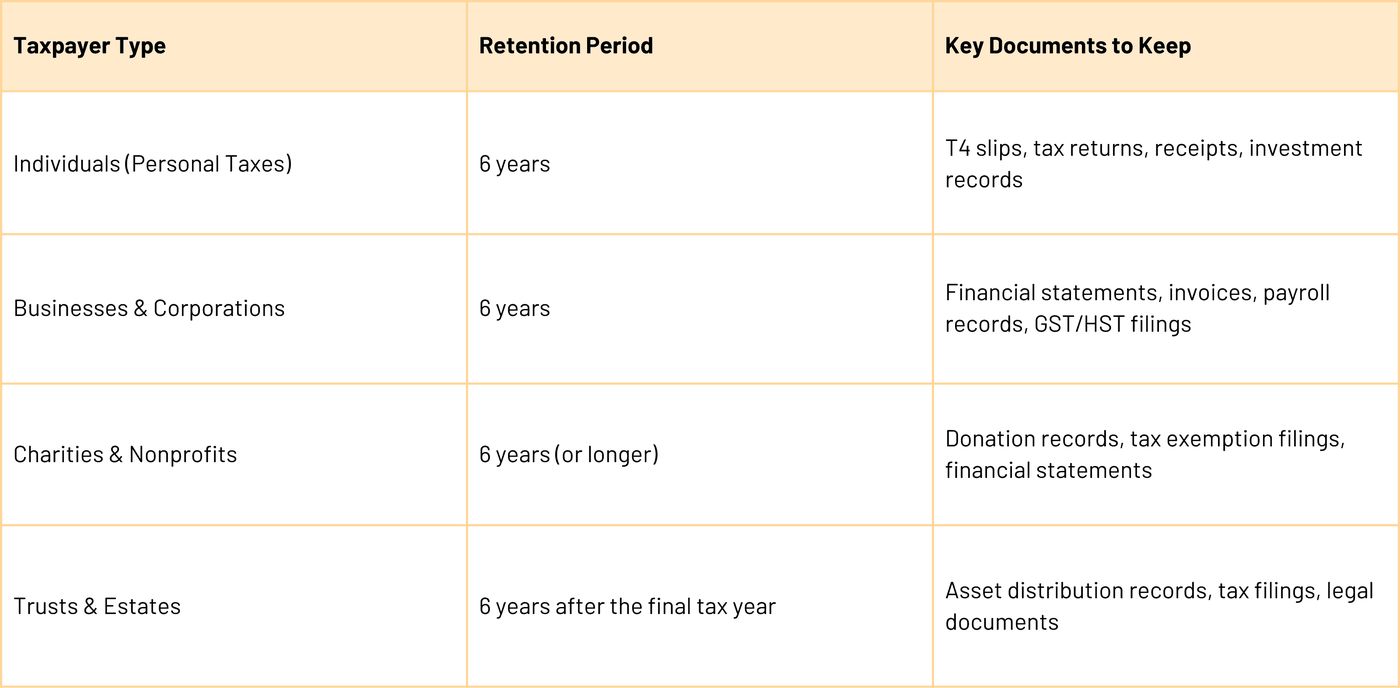
Withholding Tax Rates by Withdrawal Amount
The federal withholding tax rates for RRSP withdrawals are structured into three tiers based on the total cash amount withdrawn. These rates apply to residents of Canada in all provinces and territories except Quebec, which has its own provincial withholding rates applied on top of the federal amount. The first tier is a 10% rate on any withdrawal up to and including $5,000. The second tier applies a 20% rate on the portion of a withdrawal that exceeds $5,000 up to and including $15,000. The third and highest tier is a 30% rate on any portion of a withdrawal that exceeds $15,000. It is important to note that these rates apply to the total withdrawal in a transaction, not per year, and financial institutions may aggregate multiple withdrawals if they appear designed to avoid a higher rate. The withholding is calculated on the gross amount before any other fees your financial institution might charge for processing the withdrawal.
Provincial Differences and Non-Resident Rules
Residents of Quebec face a different withholding tax structure that includes both federal and provincial components. The Quebec rates are 5% on amounts up to $5,000, 10% on amounts over $5,000 up to $15,000, and 15% on amounts over $15,000. For all other Canadian provinces, only the federal rates of 10%, 20%, and 30% apply at the time of withdrawal. A completely different rule applies to individuals who are non-residents of Canada for tax purposes. Non-residents are subject to a flat withholding tax rate of 25% on any RRSP withdrawal, regardless of the amount. This 25% rate may be reduced if a tax treaty exists between Canada and the non-resident's country of residence, and the tax paid can often be claimed as a foreign tax credit on the non-resident's home country tax return. The 25% rate is a simplification for the withholding agent and does not represent the final Canadian tax liability, which would be determined by a treaty.
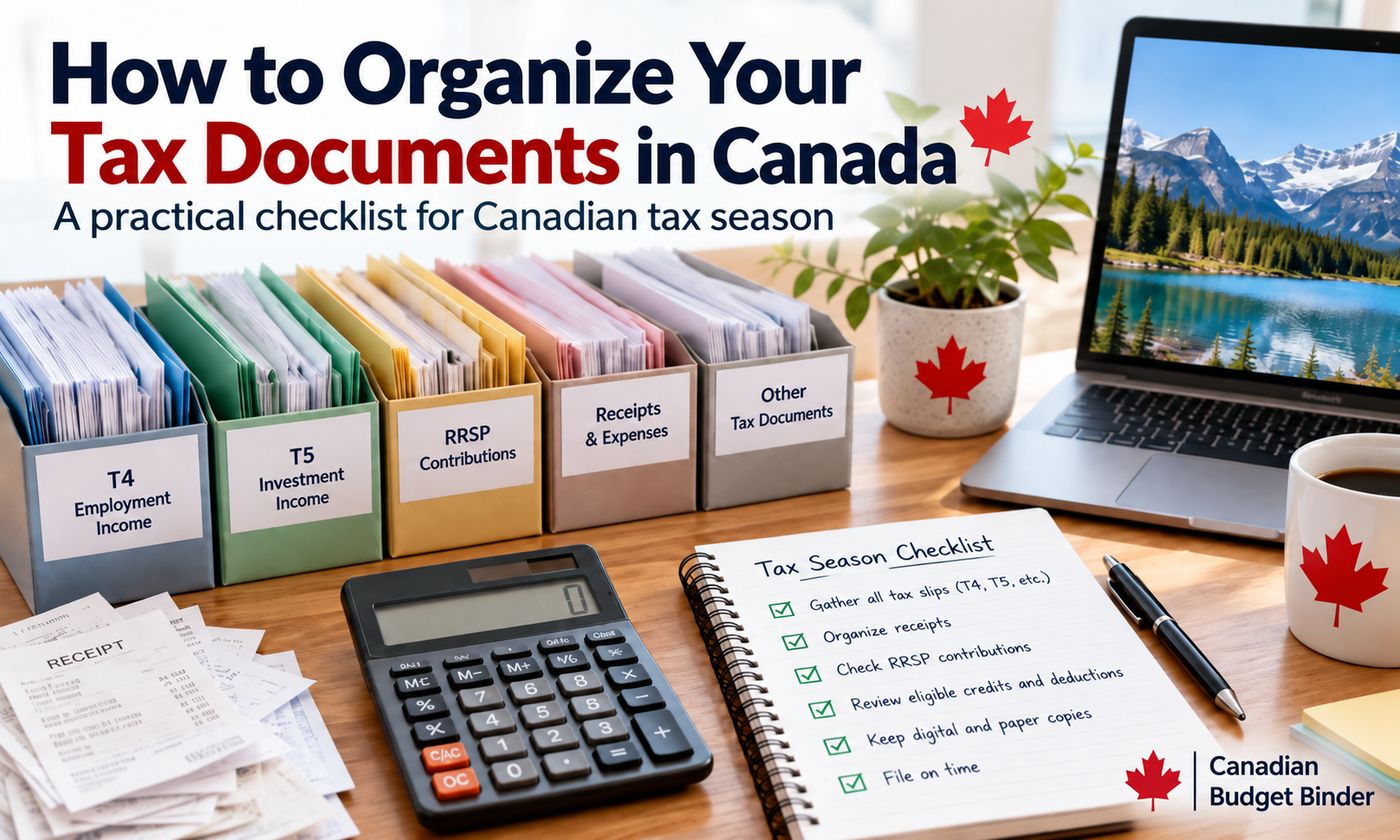
The Full Tax Impact and Reporting Requirements
The withholding tax is only a partial payment toward your total tax obligation. The entire amount withdrawn from your RRSP is added to your other income for the year and taxed at your marginal rate. When you file your annual T1 General Income Tax Return, you must report the gross withdrawal amount as income on the appropriate line. The tax already withheld, as shown on the T4RSP slip issued by your financial institution, is claimed as a credit against your total tax payable. This means if your total income for the year places you in a high tax bracket, you will likely owe additional tax beyond what was withheld. Conversely, if your income is low, you may receive a refund if the amount withheld exceeds your final tax liability on that income. The T4RSP slip is essential for accurate reporting, and you should receive it by the end of February following the year of your withdrawal. Failing to report this income can result in penalties and interest charges from the CRA.
Permanent Loss of Contribution Room and Compounding
One of the most significant long-term consequences of an RRSP withdrawal is the permanent loss of that contribution room. Unlike a Tax-Free Savings Account, where withdrawn amounts are added back to your contribution room the following calendar year, RRSP contribution room is not restored. The contribution deduction was claimed when the money was originally deposited, and the Canada Revenue Agency does not allow you to re-contribute the withdrawn amount. This loss reduces the total tax-sheltered space you have for future savings and diminishes the long-term compounding potential of your retirement fund. This irreversible effect makes early withdrawals a decision with lasting impact on your retirement savings trajectory. The money inside an RRSP compounds tax-free, so removing funds interrupts this growth and can significantly reduce the final value of your retirement nest egg. Therefore, an RRSP withdrawal should generally be a last resort after considering other sources of liquidity.
Programs for Tax-Free Withdrawals: HBP and LLP
The Canadian government has established two programs that allow for tax advantaged access to RRSP funds. The Home Buyers' Plan (HBP) allows a withdrawal of up to $60,000 to buy or build a qualifying first home. The Lifelong Learning Plan (LLP) permits a withdrawal of up to $20,000 to finance full time education or training. These withdrawals are not subject to withholding tax or immediate income inclusion. Both programs come with mandatory repayment schedules that must be carefully managed to avoid tax consequences.
- The Home Buyers' Plan (HBP) allows a withdrawal of up to $60,000 to buy or build a qualifying first home. Repayments are required over a 15-year period, starting the second year after withdrawal for most years. For withdrawals made between 2022 and 2025, the repayment start is delayed until the fifth year after the year of withdrawal.
- The Lifelong Learning Plan (LLP) permits a withdrawal of up to $20,000 to finance full-time education or training for yourself or your spouse. Repayments are required over a 10-year period, generally starting no later than the fifth year after the first withdrawal. If you are not a qualifying student for at least three consecutive months in two straight years, repayment may start earlier, typically the second year after the withdrawal.
- Funds withdrawn under these plans are not subject to withholding tax at source. The amounts are not added to your taxable income provided you adhere to the repayment schedule.
- If repayments are not made as required, the missed amount is added to your income for that year and becomes subject to tax.
- For a Spousal RRSP, only the account holder can withdraw under the LLP, but if the contributing spouse made payments in the past three years, the income may be attributed back to them.
The Home Buyers' Plan and Lifelong Learning Plan offer structured alternatives to a standard taxable RRSP withdrawal. They allow you to access funds for specific life goals without the immediate tax hit. However, they come with long term repayment obligations. These repayment schedules must be carefully managed to avoid future tax consequences.
Locked-In RRSPs and Special Withdrawal Conditions
Not all RRSPs offer the same withdrawal flexibility. A locked-in RRSP, often originating from a transferred workplace pension plan, has its own strict set of rules. Withdrawals from a locked-in RRSP are generally restricted until you reach a specified retirement age. However, you may be permitted to withdraw funds under conditions of financial hardship, which can include serious expenses for rent, medical costs, or periods of low income. Other conditions for accessing locked-in funds include becoming a non-resident of Canada, reaching the age of 55 or more, or having a shortened life expectancy certified by a doctor. If you are unsure if your RRSP is locked-in, you must contact your plan provider directly to confirm your options. These restrictions mean that funds in a locked-in RRSP are not readily available for unexpected needs, unlike a regular RRSP which technically allows withdrawals at any time, albeit with tax consequences.
Steps to Withdraw from an RRSP
Withdrawing funds from an RRSP involves several key steps, starting with confirming your account type. You must first determine if your RRSP is a regular plan or a locked-in plan, as the latter typically restricts access until retirement or under conditions of financial hardship. Once you confirm accessibility, you should decide on the exact amount needed, understanding the withholding tax that will be deducted and the permanent loss of contribution room. The next step is to contact the financial institution or plan administrator that holds your RRSP to formally request the withdrawal. They will process the transaction, deduct the applicable withholding tax, and provide you with the net cash. Finally, you must wait for your T4RSP slip, usually issued early in the following year, and report the full gross withdrawal amount as income on your annual tax return. It is also wise to consider if an early withdrawal is necessary by exploring other sources like a TFSA, which does not have the same tax consequences or loss of room.
Common Mistakes and Strategic Considerations
A common misconception is that splitting a large withdrawal into several smaller amounts can avoid higher withholding tax rates. Financial institutions are aware of this tactic and may apply the withholding rate corresponding to the cumulative total if they detect a pattern, such as multiple withdrawals just below the $5,000 threshold. Another critical error is forgetting that the withholding tax is merely an installment. Failing to budget for a potential additional tax bill at filing time can create financial strain. People also sometimes confuse a transfer between registered accounts, like moving funds from one RRSP to another, with a withdrawal. Transfers are not taxable events and do not incur withholding tax, whereas a withdrawal to your bank account always does. Finally, using an RRSP for short-term needs without exploring alternatives like a Tax-Free Savings Account can be costly due to the lost contribution room and tax implications. The key value of an RRSP is contributing in high-income years and withdrawing in lower-income retirement years, so an early withdrawal often reverses this benefit and results in a higher effective tax rate.
RRSP Maturity and Mandatory Conversion at Age 71
By the end of the calendar year in which you turn 71, your RRSP must be matured. You cannot continue to hold an RRSP past this age. At maturity, you have three primary options, each with distinct tax treatments. The first option is to withdraw the entire RRSP balance as a lump sum, which will be subject to withholding tax at the applicable rates and fully included in your income for that year. The second option is to convert the RRSP into a Registered Retirement Income Fund (RRIF). A RRIF requires minimum annual withdrawals, which are taxable as income but are not subject to withholding tax at the time of withdrawal. Amounts withdrawn above the annual minimum from a RRIF are subject to withholding tax. The third option is to use the RRSP funds to purchase a qualifying annuity, which provides a guaranteed income stream. Withholding tax is not applied to the purchase amount, but the annuity payments you receive are taxable as income in the years you receive them. Choosing the lump-sum withdrawal can lead to a very large tax bill in a single year, so it is often the least tax-efficient option.
Withholding Tax Rates Reference Table
The following table summarizes the RRSP withholding tax rates based on withdrawal amount and residency status. These are the rates applied at source by your financial institution. For Quebec residents, the rate shown is the provincial portion, and the federal portion is also withheld separately, leading to a higher total deduction than the Quebec rate alone suggests. For non-residents, the 25% rate is a flat withholding that applies regardless of the withdrawal size or province of plan registration.
| Withdrawal Amount | Rate (Canada excl. Quebec) | Rate (Quebec) |
|---|---|---|
| Up to $5,000 | 10% | 5% |
| $5,001 to $15,000 | 20% | 10% |
| Over $15,000 | 30% | 15% |
| Any amount (Non-Resident of Canada) | 25% flat rate | 25% flat rate |
The withholding tax rates are the mandatory amounts deducted at the time you receive your RRSP funds. They are a prepayment of the income tax you will owe on the withdrawal. Your final tax rate will be determined by your total income for the year when you file your tax return. The amount withheld may not cover your full tax bill, so you could owe more at tax time or receive a refund.
Frequently asked questions
What is the RRSP withholding tax rate for a $10,000 withdrawal?
For a resident of Canada outside Quebec, a $10,000 RRSP withdrawal is subject to a 20% withholding tax. This means $2,000 would be deducted at source and remitted to the government, and you would receive $8,000. The full $10,000 must be reported as income on your tax return. You may owe additional tax depending on your total income and marginal tax rate for the year.
Can I avoid RRSP withholding tax?
You cannot avoid withholding tax on a standard RRSP cash withdrawal. However, the Home Buyers' Plan and Lifelong Learning Plan allow you to access RRSP funds without withholding tax. This is provided the money is used for the qualifying purpose and repaid according to the schedule. Attempting to avoid tax by splitting withdrawals may not work, as financial institutions can apply the rate for the cumulative total.
Do I pay more tax when I file my return after an RRSP withdrawal?
You might. The withholding tax is a prepayment. The full withdrawal is added to your annual income and taxed at your marginal rate. If this extra income pushes you into a higher tax bracket, you will owe more tax when you file. If your income is low, you could get a refund if too much was withheld.
What happens to my RRSP contribution room after a withdrawal?
The contribution room used for the withdrawn funds is permanently lost. Unlike a TFSA, the Canada Revenue Agency does not restore RRSP contribution room in the year after a withdrawal. This reduces your future capacity for tax sheltered savings. It also impacts the long term growth potential of your retirement fund.
What is the withholding tax rate in Quebec?
Quebec has its own provincial withholding tax rates on RRSP withdrawals. The rates are 5% on amounts up to $5,000. The rate is 10% on amounts over $5,000 up to $15,000. For amounts over $15,000, the rate is 15%. These are in addition to the federal withholding, resulting in a different total deduction compared to other provinces.
What tax form do I get for an RRSP withdrawal?
Your financial institution will issue a T4RSP slip for an RRSP withdrawal. This slip reports the total amount you withdrew and the amount of tax that was withheld. You must use this slip to report the income when you file your T1 General Income Tax Return for the year of the withdrawal. The tax withheld is a credit against your total tax payable for the year.
Sources and further reading
- RRSP withholding tax: how much you'll pay wealthsimple.com
- Understanding withholding tax rates, withdrawal timing and ... scotiabank.com
- RRSP Withholding Taxes Calculator ativa.com
- RRSP Withholding Tax innovationcu.ca
- RRSP Withdrawal Rules: What You Need to Know td.com
This article explains how things work and is not financial, tax or legal advice. Rules, limits and rates change, so check the current figures with the Canada Revenue Agency, your province or your financial institution before you act.