A payday loan is a short-term, high-cost cash advance on your next paycheque, legally permitted in Canada under specific provincial rules. These loans are typically for amounts up to $1,500 and can provide funding in as little as 15 minutes via e-Transfer. The cost is standardized at a maximum of $14 per $100 borrowed, which translates to an extremely high annual interest rate. Understanding the regulations and alternatives is crucial for Canadians considering this form of credit for emergency expenses.
What is a Payday Loan?
A payday loan is a short-term loan designed to provide immediate cash by advancing a portion of your upcoming paycheque. Providers like Money Mart, Cash Money, and iCash offer these loans online or in over 360 store locations across Canada. The loan amounts are typically capped at $1,500, and funds can be received very quickly, sometimes in as little as 15 minutes via Interac e-Transfer. These loans are also commonly referred to as cash advances and are intended for emergency expenses like unexpected bills or car repairs. The convenience and speed come with a high cost, which is regulated at the provincial level.
The fundamental structure of a payday loan is based on the borrower's proof of income and ability to repay from their next pay. Lenders such as Cashco state they do not rely solely on a credit score, focusing instead on proof of income, a bank account, and valid photo ID. The application process is often streamlined and can be completed online without needing to submit physical documents. Once approved, the loan agreement is signed electronically and the money is transferred. The entire cycle from application to funding is designed for speed to address urgent financial needs.
Major providers emphasize their role in serving communities for decades, with Money Mart noting over 40 years of operation. The marketing for these loans often highlights covering unexpected expenses or smoothing out monthly cash flow. The language used by lenders includes terms like hassle-free, straightforward, and stress-free to describe the borrowing experience. The product is positioned as a tool for financial bridging when traditional banking options may not be accessible or fast enough.
The Cost and Interest Rates
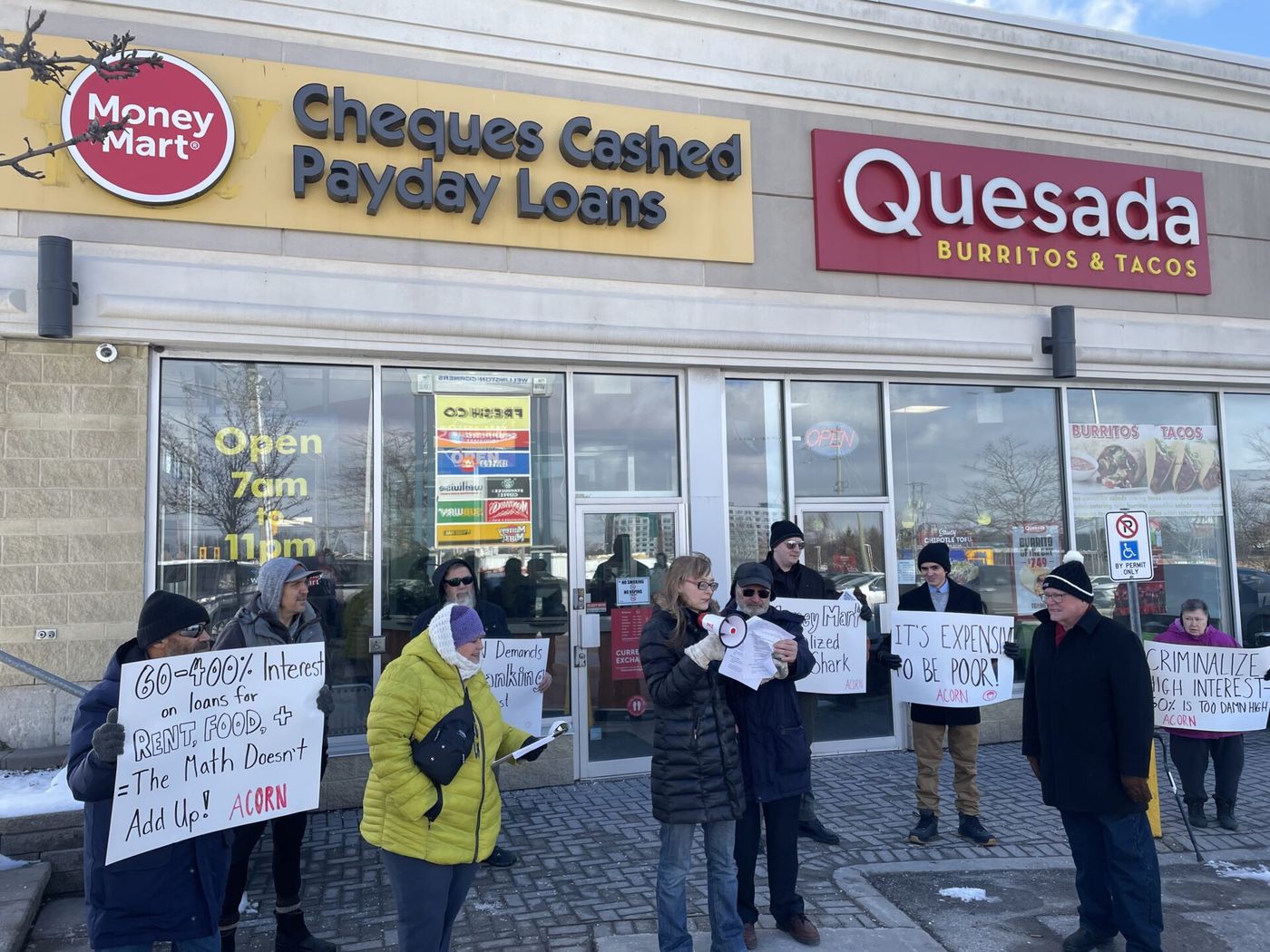
The cost of a payday loan in Canada is significant and is capped by provincial regulations. The maximum allowable charge is $14 for every $100 borrowed. This flat fee is the cost of borrowing for the short term, which is usually until the borrower's next payday. When this fee is expressed as an annual percentage rate, it equates to approximately 365 percent interest. This high effective rate is why payday loans are considered one of the most expensive forms of credit available to consumers.
This $14 per $100 cost is a maximum. Some provinces may have lower caps. The fee is transparent and must be disclosed clearly by the lender before the loan is finalized. Providers like iCash emphasize their commitment to transparent lending, ensuring all fees are displayed understandably. Borrowers should calculate the total amount they must repay, which is the principal plus the fee, before accepting the loan. Understanding this total cost is essential for evaluating whether the loan is a manageable solution for a financial shortfall. The fee structure is a flat rate based on the amount borrowed, not a recurring interest charge over a long period. Lenders are required to present this information clearly in the loan agreement. This cost is in contrast to a line of credit, where interest is charged only on the amount used and at a typically much lower annual rate.
Provincial Regulation and Legal Framework
Payday lending in Canada operates under a dual regulatory framework involving federal criminal law and provincial consumer protection statutes. The federal Criminal Code, specifically section 347.1, permits payday lending as an exception to usury laws, but only if the borrower's province has enacted its own regulatory regime. This means the industry is primarily governed by provincial rules, which set the specific maximum costs, loan amounts, and borrower rights. Each province that allows payday lending has its own licensing requirements for lenders and rules regarding cooling-off periods and repayment options.
The provincial regulations ensure that while lenders can operate, they must do so within strict consumer protection guidelines. These rules are designed to prevent predatory lending practices and to ensure borrowers are fully informed. Lenders must be licensed in each province where they operate, and they must comply with that province's specific fee cap, which cannot exceed the national maximum of $14 per $100. This system allows for regional differences in regulation while maintaining a baseline of protection under federal law.
Providers like Pay2Day operate in Ontario, British Columbia, Alberta, and Nova Scotia. This indicates those provinces have enacted the regulatory frameworks required under the federal Criminal Code. Lenders must adapt their practices to each province's specific rules. These provincial rules can include mandatory repayment plans for borrowers who cannot repay on time. The rules also set limits on loan rollovers and require clear contract language. This provincial oversight is a critical component for the legal operation of payday lenders.
Eligibility and Application Process
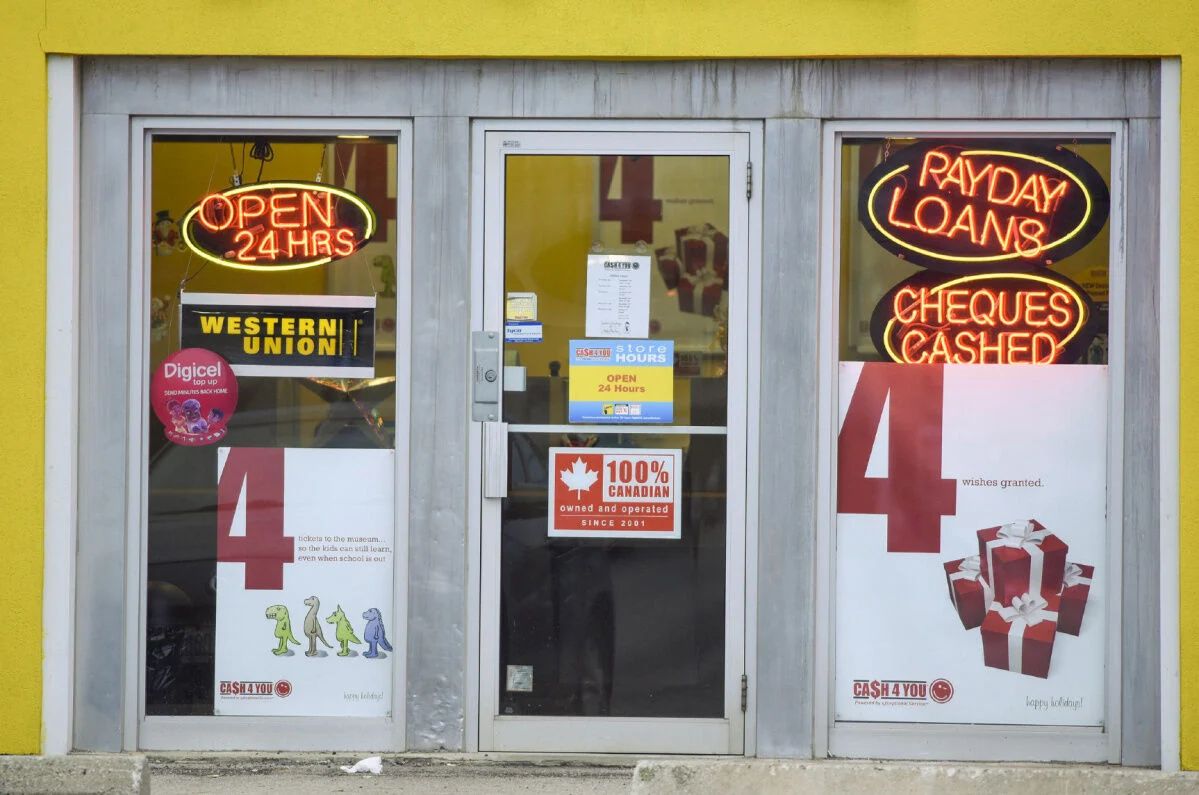
Eligibility for a payday loan generally requires a few key documents and conditions, with less emphasis on traditional credit scores. Most lenders require applicants to be of the age of majority, have a steady source of income, possess a valid government-issued photo ID, and have an active bank account. Lenders like Cashco consider a variety of income types including regular employment income, child tax benefits, government assistance, Canada Pension Plan, and Old Age Security. The primary consideration is the borrower's ability to repay the loan from their upcoming income.
The application process is designed for speed and convenience. Applicants can apply online 24/7 or visit a physical store. The online process typically involves selecting a loan amount, providing personal details, and submitting the application for an instant decision. Many providers, including Cash Money and LendDirect, offer pre-approval checks that do not impact the applicant's credit score. A full application may involve a hard credit inquiry. Required documents are verified digitally, and once approved, the loan agreement is signed electronically. Following approval, funds are most commonly sent via Interac e-Transfer, often within minutes.
- Proof of income (employment, benefits, pension)
- Valid government-issued photo ID
- Active Canadian bank account
- Meet the age of majority in your province
- Application can be online or in-store
- Pre-approval often does not affect credit score
- Final approval may involve a hard credit check
- Funds disbursed via e-Transfer or direct deposit
Specific providers have slightly different processes. iCash uses an automated approval system powered by AI that evaluates applications without requesting documents. Cashco allows applications over the phone using eSign. Money Mart and Cash Money have both online and extensive in-store networks for application and support. The verification step often includes confirming a valid phone number. The entire process from start to funding can be completed in under an hour for many online applicants.
Common Providers and Loan Features
Several major companies provide payday loans across Canada, each offering similar core products with slight variations in service. Money Mart operates over 360 branches nationwide and offers payday loans with transparent costs. Cash Money provides payday loans and lines of credit, with funding available in as little as 15 minutes. iCash is an online-only lender that uses automated approval to send funds by e-Transfer within two minutes. Cashco Financial offers payday loans without relying on a traditional credit check, focusing instead on proof of income.
These providers often highlight additional features such as cashback rewards for on-time repayment, referral bonuses, and optional loan protection insurance. The maximum loan amount is consistently advertised as up to $1,500. Many providers also offer lines of credit as a longer-term alternative, which allow borrowers to access funds up to a limit and pay interest only on what they use. The table below summarizes key features of the payday loan offerings from major providers mentioned in the Canadian market.
| Provider | Key Feature | Maximum Amount |
|---|---|---|
| Money Mart | 360+ branches, transparent costs | $1,500 |
| Cash Money | Payday loans & lines of credit | $1,500 |
| iCash | Online-only, automated approval | $1,500 |
| Cashco Financial | No reliance on credit score | $1,500 |
| Pay2Day | Over 35 locations, no credit checks | $1,500 |
| Speedy Cash | Instant payday loans online/in-store | $1,500 |
Beyond payday loans, these companies frequently offer related financial services. Money Mart provides money transfer services via MoneyGram to over 200 countries. Cash Money and LendDirect promote lines of credit where borrowers can access funds repeatedly up to their limit without reapplying. iCash offers a free credit score check service powered by Equifax. These ancillary services create a broader financial service ecosystem around the core payday loan product.
Risks and Responsible Borrowing
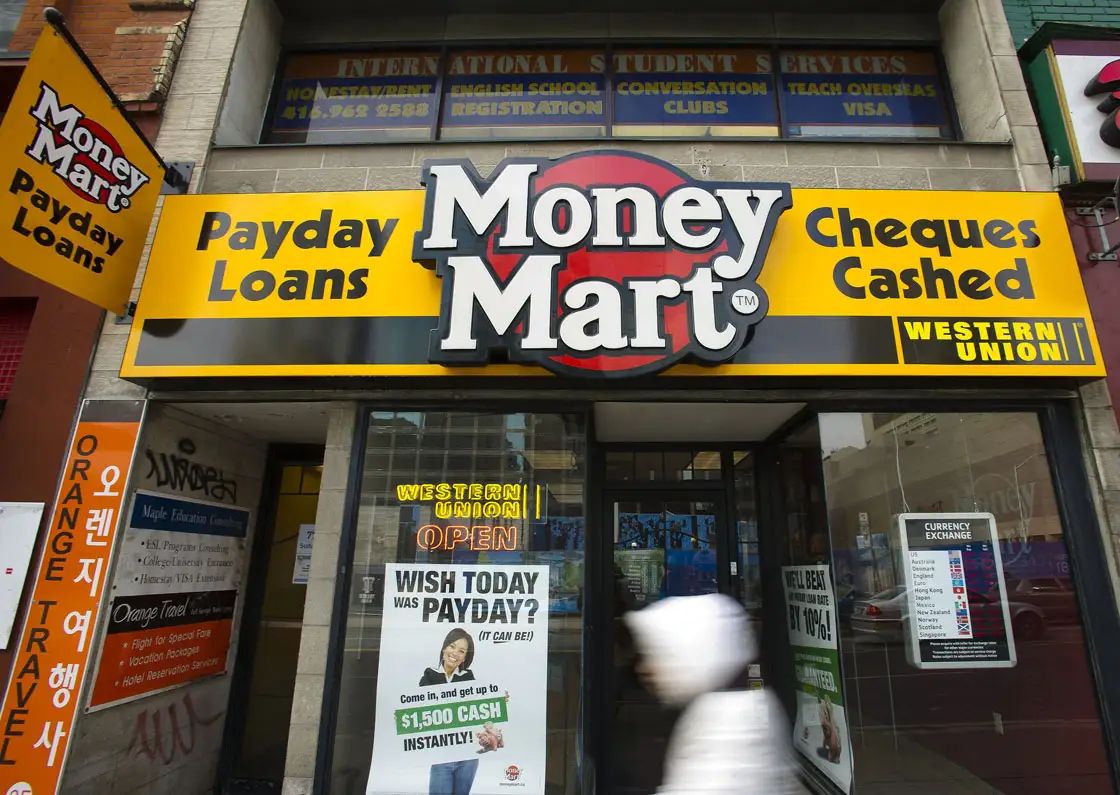
Payday loans carry significant financial risks due to their high cost and short repayment term. The effective annual interest rate of approximately 365 percent can create a cycle of debt if the loan cannot be repaid in full on the due date. Borrowers who need to extend or roll over the loan can incur additional fees, quickly making the debt much more expensive. It is crucial to have a concrete plan for repayment from your next paycheque before taking out a payday loan to avoid falling into this cycle.
Responsible borrowing involves using payday loans strictly for genuine, unexpected emergencies and not for non-essential purchases. Borrowers should only take the exact amount needed, as the fee is calculated on the total borrowed. It is important to explore all other alternatives first, such as a personal line of credit, a small loan from a bank or credit union, or even negotiating a payment plan with a creditor. Providers emphasize transparency, so borrowers must read the loan agreement carefully to understand all fees, the due date, and the consequences of a missed payment.
Lenders themselves acknowledge the need for responsible use. Marketing materials from these companies often include advice on building emergency funds and improving credit health over time. They position their products as a solution for unexpected life events, not for ongoing budget shortfalls. Some providers, like Cashco, offer to discuss payment options and debt relief solutions if a borrower is struggling, indicating an awareness of the potential for financial difficulty. The high approval rates and easy access make personal discipline in borrowing critically important.
Alternatives to Payday Loans
Before resorting to a high-cost payday loan, Canadians should consider several alternative sources of credit that may offer lower costs. A personal line of credit from a bank or credit union typically has a much lower interest rate, though it requires a credit check and approval. Some providers, like LendDirect and Cash Money, offer their own lines of credit as a product with a higher limit than a payday loan where you pay interest only on what you use. Secured loans, which use an asset like a vehicle as collateral, may offer larger amounts and longer terms.
Other alternatives include negotiating a payment plan for the bill causing the shortfall, seeking assistance from community or charitable organizations, or using a credit card cash advance, though this also carries high interest. Some employers may offer salary advances. Building a small emergency fund over time is the most effective long-term strategy to avoid needing high-interest credit. Exploring these options can prevent the high cumulative cost associated with repeated payday loan use.
- Personal line of credit from a bank or credit union
- Provider-offered line of credit (e.g., Cash Money)
- Secured loan using an asset as collateral
- Credit card cash advance (with caution)
- Payment plan with the original creditor
- Community or charitable financial assistance
- Employer salary advance
- Building an emergency savings fund
Lines of credit offered by alternative lenders are a prominent alternative. A line of credit provides a reusable credit limit, often higher than a single payday loan. Borrowers only pay interest on the amount they actually withdraw, and as they repay, the credit becomes available again. LendDirect describes this as a classic and favourite product. Secured loans, such as auto equity loans, can provide larger sums but require a vehicle for collateral and a branch visit. These products are marketed as tools for both short-term gaps and larger planned purchases.
Understanding Lines of Credit from Lenders
Many payday loan providers also offer a line of credit product, which functions differently from a single-disbursement payday loan. A line of credit provides an approved credit limit that the borrower can access repeatedly without a new application each time. Companies like Cash Money and LendDirect promote their lines of credit as having higher limits than their payday loans and the benefit of using funds only as needed. Interest is charged only on the outstanding balance, not the full limit, which can make it a more flexible and potentially lower-cost option for ongoing needs.
The application process for a line of credit is similar to a payday loan but may involve a more thorough credit assessment. Lenders state that a hard inquiry, which can impact your credit score, may occur if you choose to accept a line of credit offer. Once approved, borrowers can typically access funds through online banking, a mobile app, or in-store. Payments reduce the balance owed and free up the credit limit for future use. This revolving structure is designed for those who may face periodic cash shortfalls rather than a one-time emergency.
Key advantages highlighted by lenders include control over borrowing amounts, no need for collateral, and continuous access after the initial approval. LendDirect notes that with a line of credit, you never need to apply again to access your available credit. Cash Money emphasizes that you borrow what you need and pay only for what you use. These products are positioned as a step towards more traditional credit, though they still come from alternative finance providers and carry higher interest rates than bank products.
Frequently asked questions
What does a payday loan cost in Canada?
A payday loan costs $14 per $100 that you borrow. This fee is set by provincial regulation. It is the same as an annual interest rate of approximately 365 percent. You must repay the full amount borrowed plus this fee by your next payday.
Can I get a payday loan with no credit check?
Many lenders offer pre approval with no impact to your credit score. Providers like Cashco state they do not rely on a credit score or credit check. They focus instead on proof of income, access to banking, and a valid photo ID. However, a final loan agreement for some products may involve a credit check.
What is the maximum payday loan amount in Canada?
Most major providers advertise a maximum payday loan amount of $1,500. This is a short term loan meant to be a portion of your upcoming paycheque. The actual amount you qualify for depends on your income and the lender's assessment. Provincial limits can also vary.
What do I need to apply for a payday loan?
You typically need proof of income, which can include employment, benefits, or government assistance. You also need a valid government issued photo ID and an active Canadian bank account. The application can be done online, by phone, or in a store. You must be the age of majority in your province.
How fast can I get a payday loan?
You can receive a payday loan very quickly, often within minutes of approval. Many online providers advertise rapid funding times. For instance, iCash states that once approved, your funds are sent by Interac e Transfer within 2 minutes of signing the agreement. Other lenders, such as those offering online payday loans, mention you could get funding in as little as 15 minutes. The exact speed depends on the specific lender you choose and their electronic transfer process.
Are payday loans legal in all provinces?
Payday loans are legal in Canada under section 347.1 of the Criminal Code, but only in provinces that have enacted sufficient provincial regulations to govern them. This means their legality is not uniform across all provinces. The operations of specific lenders indicate which provinces have established frameworks. For example, PAY2DAY offers services in Ontario, British Columbia, Alberta, and Nova Scotia, confirming that payday loans are permitted in those provinces under their respective regulations.
Sources and further reading
- Money Mart moneymart.ca
- Payday Loans & Lines of Credit in Canada: Online cashmoney.ca
- Loans in Canada: Line of Credit & Secured Financing lenddirect.ca
- Cashco Financial | Canada's Top Alternative Finance Provider cashcofinancial.com
- iCash: Fast Online Payday Loans & Short Term Loans in ... icash.ca
This article explains how things work and is not financial, tax or legal advice. Rules, limits and rates change, so check the current figures with the Canada Revenue Agency, your province or your financial institution before you act.