A monthly budget template is a structured tool for tracking income and expenses over a one-month period to manage personal or household finances. In Canada, using a budget helps individuals prepare for unexpected costs, work towards financial goals, and avoid debt. Various free templates are available from Canadian sources, including spreadsheet formats for Excel and Google Sheets, as well as online interactive planners. These tools are designed to help Canadians monitor spending, plan for savings, and create a realistic financial plan based on their after-tax income.
What a Canadian Monthly Budget Template Contains
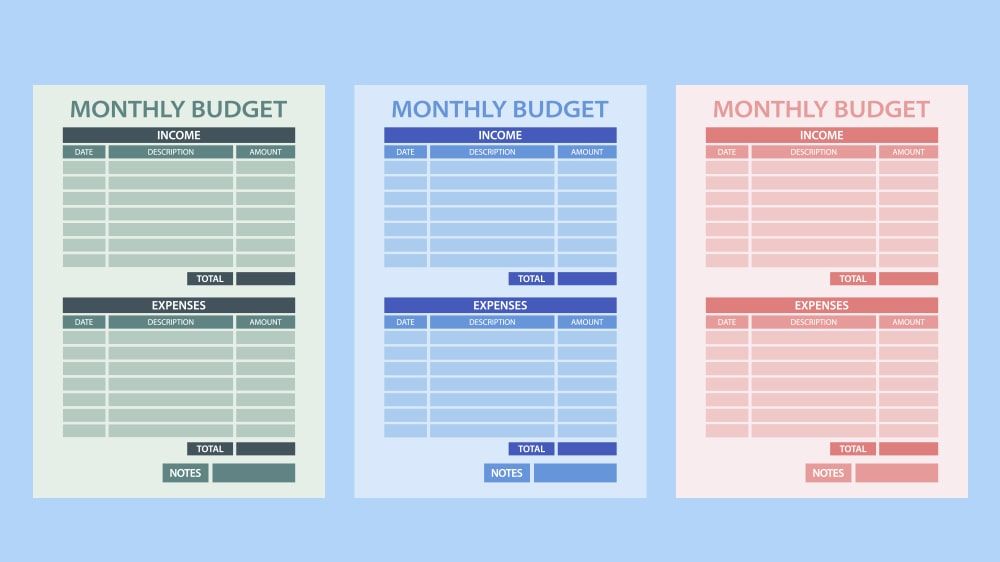
A standard monthly budget template designed for Canadian use is divided into clear sections for income, expenses, and a summary. The first section requires you to list all sources of income, which typically includes employment income, government benefits, and any other regular cash inflows. The expense section is further broken down into fixed costs, such as rent or mortgage payments, and variable costs, like groceries and entertainment. Many Canadian templates, such as those from the Credit Counselling Society, incorporate popular budgeting guidelines that suggest how to allocate after-tax income across different spending categories to avoid debt. These guidelines are based on data from tens of thousands of credit counselling appointments and provide a comparative benchmark. The template's final section provides a summary that automatically calculates whether your monthly income covers your expenses and savings goals.
The structure is intentional, guiding users to account for all financial activity within a single month. Templates often include pre-defined categories common to Canadian households, such as housing, transportation, food, and debt repayment. A crucial component in many templates is a built-in savings calculator, which helps users plan for annual, emergency, and unexpected expenses that do not occur monthly. This feature addresses a common budgeting pitfall where infrequent costs lead to credit card use. By filling in the template electronically or on paper, individuals can see a complete picture of their cash flow, which is the first step in creating a spending plan that lives within their means.
Sources for Free Budget Templates in Canada
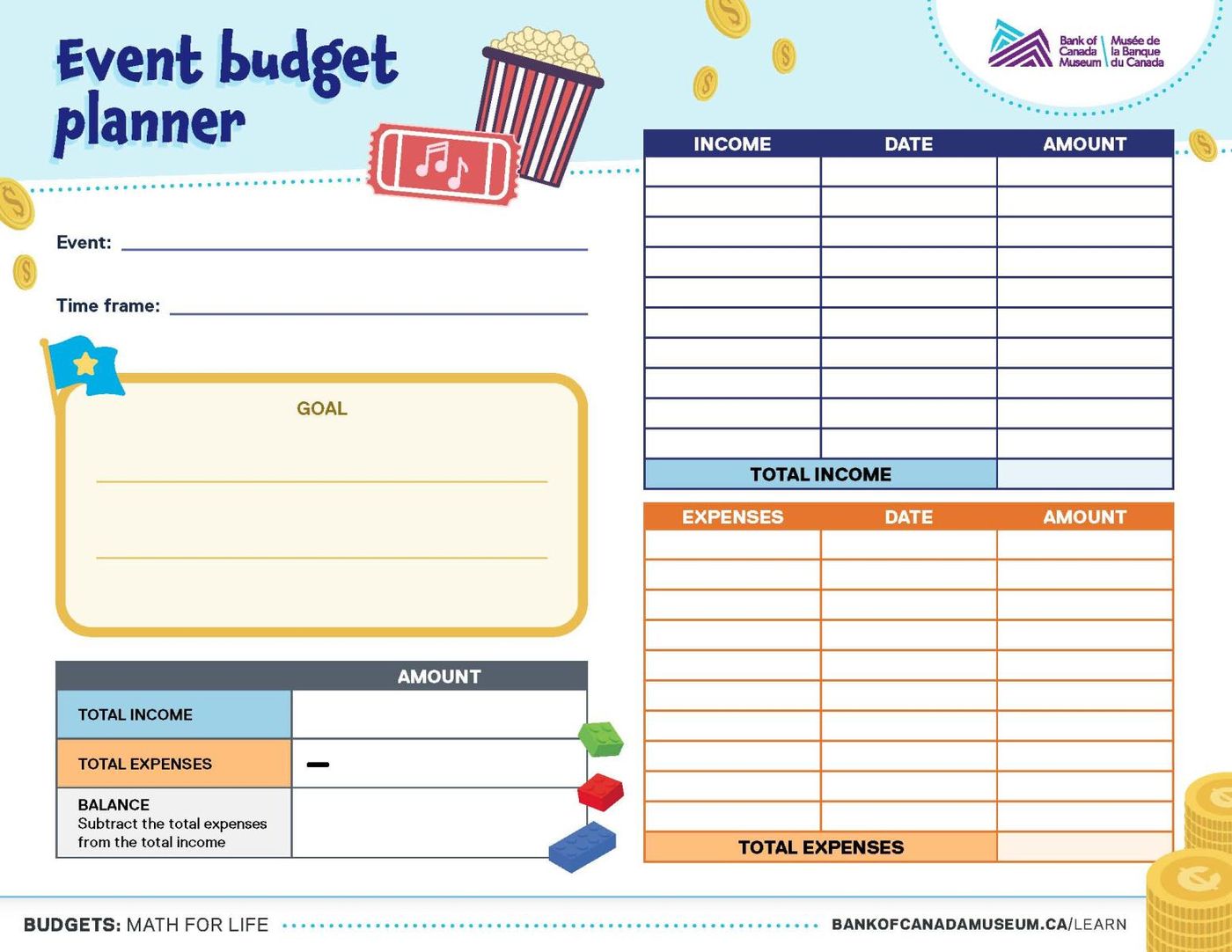
Several reputable Canadian organizations and financial portals offer free, customizable monthly budget templates. The Financial Consumer Agency of Canada (FCAC) provides a Budget Planner tool that helps create a customized budget in three steps. Non-profit credit counselling organizations, like the Credit Counselling Society, offer an intelligent Excel budget calculator spreadsheet that includes spending guidelines and is also available in French and for Mac users. Personal finance websites such as MoneySense publish free Excel templates tailored for Canadian users. These resources are typically offered without requiring sign-ups or accounts, prioritizing user privacy.
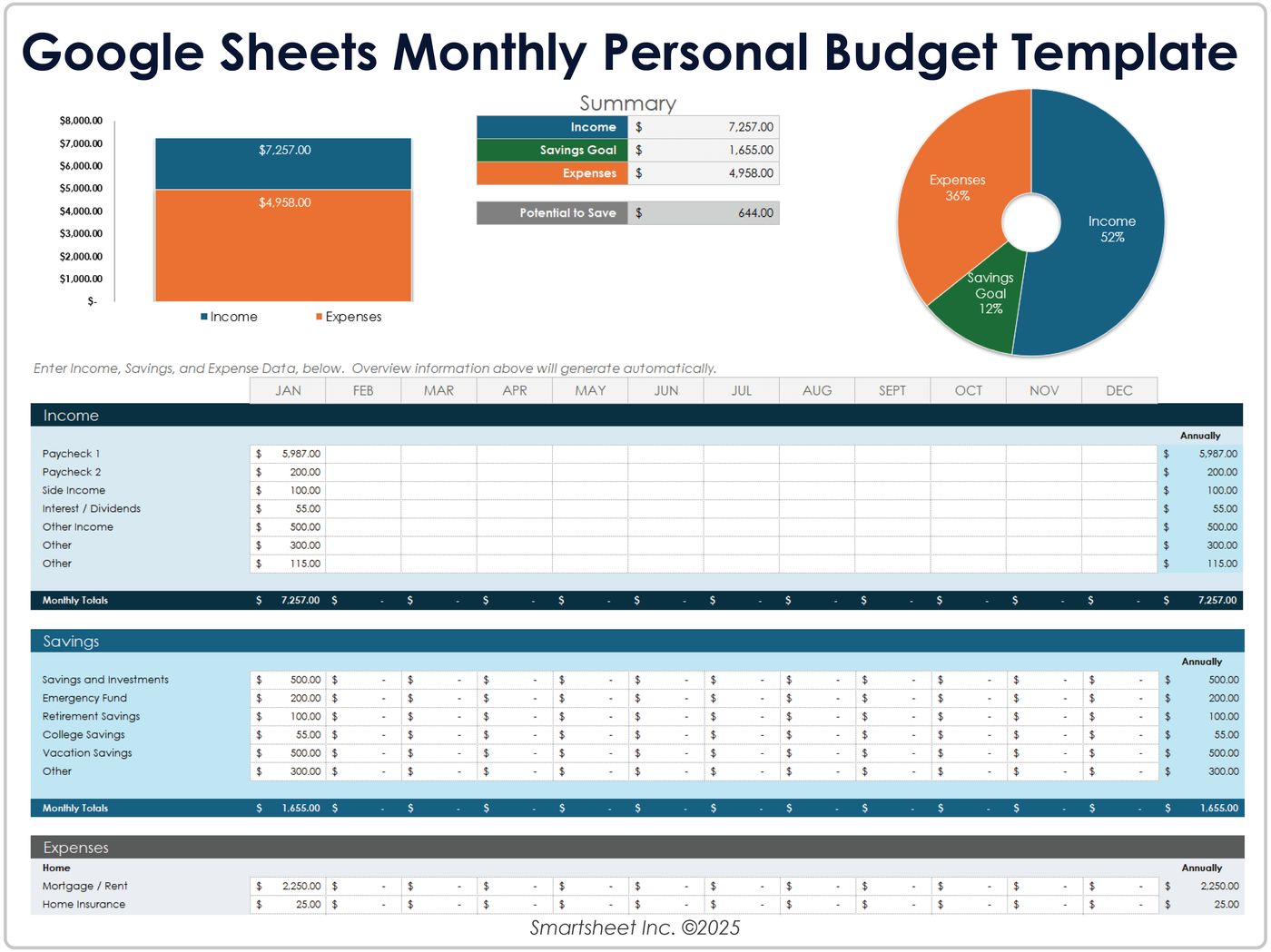
The templates come in various file formats to accommodate different software preferences. The most common format is a Microsoft Excel worksheet (.xlsx or .xls), which can also function in Google Sheets. For Apple device users, versions are available as Numbers spreadsheets (.numbers). There are also versions compatible with free software like OpenOffice. Beyond digital spreadsheets, some organizations provide printable PDF worksheets, such as the 7 Steps Budgeting Workbook, for those who prefer a pen-and-paper method. The core functionality across all formats remains consistent: to help users list income, detail expenses, and automatically calculate their financial position for the month.
Step-by-Step Process for Using a Template
Using a monthly budget template effectively involves a series of steps to ensure accuracy and usefulness. The first step is to gather all relevant financial documents, including recent pay stubs, bills, and bank account statements. This information provides the concrete numbers needed for the budget. Next, you input all sources of after-tax income for the household into the template's income section. It is important to use net income figures to create a realistic picture of available funds.
The following step is to list all monthly expenses. You should start with fixed expenses like rent, mortgage payments, insurance premiums, and minimum debt payments. Then, estimate variable expenses such as groceries, gas, and entertainment. If you are unsure of an amount, an educated guess is a valid starting point. The template will automatically subtotal these expenses. As you enter data, interactive templates may alert you to missed categories or values that seem unusually high or low based on common Canadian spending patterns.
- Gather financial documents (pay stubs, bills, statements).
- Input all sources of monthly after-tax income.
- List all fixed monthly expenses (housing, loans, insurance).
- Estimate variable monthly expenses (food, transportation, leisure).
- Include allocations for savings and irregular annual expenses.
- Review the template's summary to see if income covers expenses.
- Adjust expense categories if spending exceeds income.
- Use the budget to guide spending decisions throughout the month.
After the initial draft is complete, the final and ongoing step is to use the budget as a living document. The template's summary will clearly show if your total expenses and savings are less than, equal to, or greater than your income. If expenses outweigh income, you must adjust your spending in various categories to balance the budget. The goal is to have a plan where monthly expenses, including debt repayment and savings, do not exceed monthly income. You can then use this template to track actual spending against your plan in subsequent months, refining your estimates with real data.
How Budget Templates Incorporate Canadian Guidelines
Many Canadian budget templates integrate generalized spending guidelines derived from extensive credit counselling data. These guidelines suggest how a typical household might allocate its after-tax income across major expense categories to maintain financial health and avoid debt. While individual circumstances vary, these benchmarks provide a useful reference point for users to compare their own spending. The guidelines cover essential categories like housing, food, transportation, and debt repayment, offering a percentage range or a fixed proportion of income for each.
The templates use these guidelines as an interactive feature. As you input your numbers, the template may flag a category where your spending falls significantly outside the suggested range. This alert system acts as a prompt to review that expense, considering whether it is necessary or if there is potential for reduction. This does not mean the budget is wrong, but it identifies an area that may be causing financial strain and is worth examining. These integrated guidelines transform a simple tracking sheet into a coaching tool that educates users on common Canadian budgeting principles.
Privacy and Security Considerations for Digital Templates
Using a downloadable spreadsheet template for budgeting offers distinct privacy advantages compared to some online financial apps. When you download a template from a Canadian source, such as a non-profit credit counselling agency, the file resides solely on your personal computer or device. Your financial data never leaves your possession or is transmitted to a third-party server. This local storage addresses common concerns about divulging sensitive spending information or granting read-only access to bank accounts.
This method also aligns with the terms and conditions of many Canadian financial institutions. Some electronic banking agreements may consider it a violation to disclose passwords and PINs to a third-party app for account aggregation. By manually entering your data into a standalone spreadsheet, you avoid any potential conflict with these agreements. The security of the budget then depends on how you protect your own device and files, rather than on the data security practices of an external company. For Canadians hesitant about connecting financial apps to their accounts, a downloadable template provides a secure and private alternative for detailed financial planning.
Common Challenges and How Templates Address Them
People often encounter specific challenges when creating a budget, and well-designed templates include features to overcome these hurdles. A frequent issue is accounting for non-monthly expenses, such as annual insurance premiums, holiday gifts, or vehicle maintenance. These irregular costs can derail a monthly plan if not anticipated. Quality budget templates have a dedicated savings calculator section that requires you to annualize these expenses and then calculate a monthly savings amount to set aside, ensuring the money is available when the bill arrives.
Another common difficulty is managing a budget across different pay cycles, such as bi-weekly versus semi-monthly income. Templates handle this by focusing on total monthly income, allowing you to sum all pay received within the month regardless of frequency. For those unsure how much to budget for variable categories like groceries or entertainment, the template allows for initial estimates. The guidance then is to track actual spending for a month or two and update the template with those real averages, making the budget more accurate over time. Some online versions can even import tracked spending data automatically. By automating calculations, providing alerts, and embedding educational tips, these templates simplify the complex process of creating a sustainable financial plan.
When to Seek Additional Help Beyond a Template
While a monthly budget template is a powerful self-help tool, there are situations where professional guidance is beneficial. If, after diligently using the template, you find your expenses consistently exceed your income and you cannot identify feasible reductions, you may need expert advice. Non-profit credit counselling organizations across Canada offer free, confidential appointments with accredited counsellors. These professionals can review your budget template with you, help negotiate with creditors, and explore options like a debt management program.
These services complement the use of a template. Many credit counsellors use similar or identical templates in their client sessions, and you may be asked to bring a completed budget to your appointment. The counsellor's role is to help you transform the numbers on the spreadsheet into a realistic and liveable plan, offering accountability and tailored strategies. Furthermore, organizations like the Credit Counselling Society host free webinars and workshops on money management, providing additional education. A template is an excellent starting point, but it is part of a broader ecosystem of Canadian financial help available at no cost.
Frequently asked questions
Where can I find a free monthly budget template for Canada?
Free monthly budget templates are available from several Canadian sources. The Financial Consumer Agency of Canada (FCAC) offers a Budget Planner tool. Non-profit credit counselling organizations, like the Credit Counselling Society, provide a downloadable Excel budget calculator spreadsheet. Personal finance websites such as MoneySense also publish free Excel templates designed for Canadian users. These templates are often available in multiple formats, including versions for Excel, Google Sheets, Mac Numbers, and OpenOffice.
What should I do if my expenses are higher than my income in the template?
If your template shows expenses exceeding income, you must adjust your spending plan. Review variable expense categories like dining out, entertainment, or groceries to identify areas for reduction. The template's built-in guidelines may highlight categories where your spending is unusually high compared to averages. If you cannot find sufficient cuts, a free appointment with a non-profit credit counsellor can provide professional help to balance your budget and explore debt management options.
Can I use a budget template if I get paid bi-weekly?
Yes, budget templates are designed to accommodate different pay cycles. You should total all the income you expect to receive within the calendar month, whether it comes from one, two, or more paycheques. The template works with your total monthly income. Some templates or accompanying guides may offer advice on managing bi-weekly pay, especially in months where you receive three paycheques, which can be allocated for savings or debt repayment.
What if I have irregular expenses that aren't monthly?
Good budget templates include a savings calculator section for this purpose. You should list annual or irregular expenses, like property taxes, insurance premiums, or holiday spending, and their total yearly cost. The template will then calculate how much money you need to set aside each month into a savings category so that the full amount is available when the expense is due. This prevents these costs from derailing your monthly spending plan.
How does a Canadian budget template differ from a regular one?
A Canadian budget template incorporates specific guidelines based on data from tens of thousands of Canadian credit counselling appointments, offering suggestions for allocating after-tax income to avoid debt. It is designed for the Canadian financial context, often including prefilled menus and calculations for common household expenses in Canadian dollars. Many templates, like the intelligent Canadian budget calculator spreadsheet, are built by non-profit credit counsellors and are available in formats compatible with Canadian software, including versions for Mac and in French. These templates focus on helping users manage money according to typical Canadian household spending patterns and pay cycles, such as bi-weekly versus semi-monthly income. They emphasize privacy by operating offline, which aligns with concerns about sharing banking information under some Canadian financial institutions' terms and conditions.
Are budget templates secure for my financial information?
Downloadable budget spreadsheet templates are secure because your financial information never leaves your personal device, such as your laptop, PC, or Mac. Unlike some online budgeting apps, these templates do not require you to provide bank account passwords or grant read-only access to your transactions, which can sometimes violate your financial institution's electronic banking agreement. The security of the template file is your responsibility once downloaded, but it eliminates the risk of third-party data breaches. Using a local spreadsheet means you do not need special permissions or to share sensitive login details with any external service. This approach is recommended for those hesitant to divulge spending information online, ensuring complete privacy and control over their personal budget data.
Sources and further reading
- Free budget template spreadsheets to customize excel.cloud.microsoft
- Intelligent, Free Excel Budget Calculator Spreadsheet mymoneycoach.ca
- Determining Your Household Budget Worksheet cmhc-schl.gc.ca
- Free Budget Template & Calculator for Canadians nomoredebts.org
- Budgeting template ised-isde.canada.ca
This article explains how things work and is not financial, tax or legal advice. Rules, limits and rates change, so check the current figures with the Canada Revenue Agency, your province or your financial institution before you act.