The general minimum wage in Quebec is $16.60 per hour, a rate that has been in effect since May 1, 2026. This represents a fifty cent increase from the previous rate of $16.10 per hour. A separate minimum wage of $13.30 per hour applies to employees who regularly receive tips. These provincially set wage floors are critical for workers to understand their rights and for employers to ensure compliance with the labour standards enforced by the Commission des normes, de l'équité, de la santé et de la sécurité du travail.
Current Minimum Wage Rates and Effective Dates
The Quebec government sets a clear schedule for minimum wage adjustments, typically announcing changes to take effect on May 1 of each year. The current general minimum wage of $16.60 per hour became effective on May 1, 2026. Simultaneously, the minimum wage for tipped workers was set at $13.30 per hour. For specific agricultural workers paid by piecework, the rates were also adjusted on that date, now set at $1.32 per kilogram for strawberry pickers and $4.93 per kilogram for raspberry pickers. The next scheduled adjustment is already confirmed for May 1, 2027, though the specific new rate for that date has not yet been announced by the provincial government. The Commission des normes, de l'équité, de la santé et de la sécurité du travail is the authoritative body that publishes and enforces these rates.
Eligibility and Broad Application of the Wage Floor
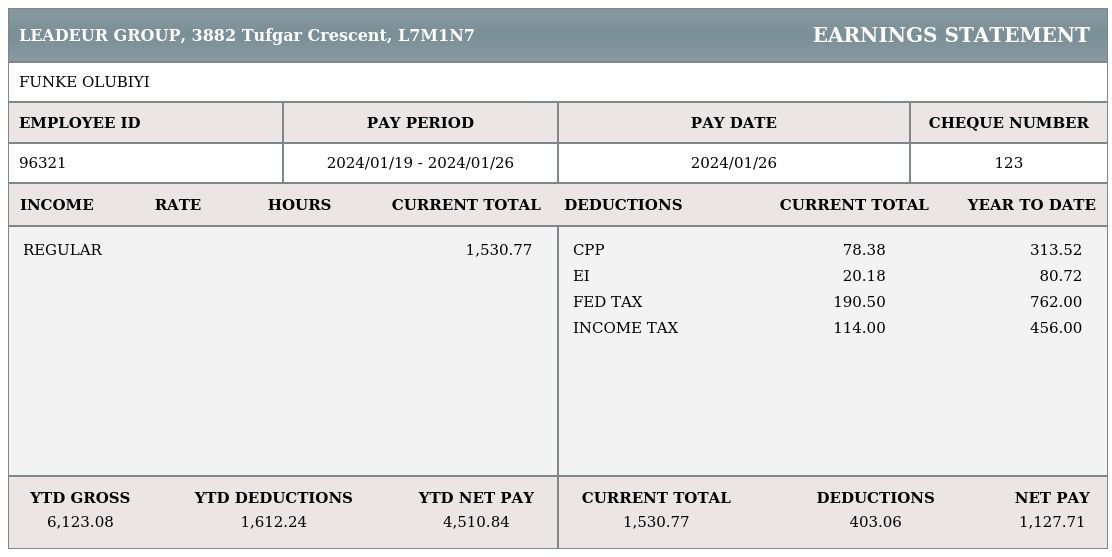
Minimum wage protection in Quebec applies universally to employees covered by provincial labour standards, irrespective of their work schedule or pay structure. The CNESST explicitly states that workers are entitled to the minimum wage whether they work full time or part time. This protection is not limited to hourly employees. It also extends to workers paid by the piece or on commission, such as certain sales personnel and agricultural harvesters. For these workers, the law requires that their total earnings, when divided by the number of hours worked, must equal at least the applicable minimum hourly wage rate. The rule ensures that compensation for all hours worked meets the legal minimum, preventing exploitation in output-based pay models. The agency is clear that a worker may not be paid less than the rate in effect for any hour of work performed.
Employer Obligations and Prohibited Practices
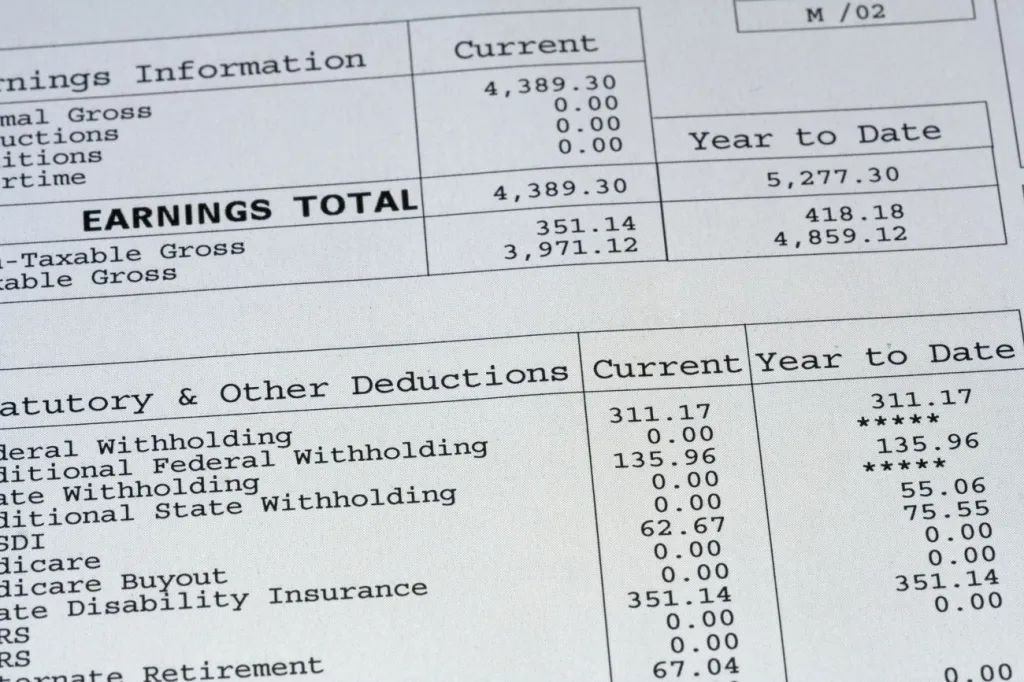
Employers in Quebec must adhere to strict rules when it comes to paying the minimum wage. The minimum wage must be met through cash wages paid to the employee. The CNESST makes it clear that non cash benefits, such as the provision of a car, accommodation, or meals, cannot be used to offset or replace the cash wage requirement. When the minimum wage rate increases, the employer's obligation is specific. They must adjust the wage of any employee whose current rate falls below the new minimum. However, if an employee is already being paid a wage higher than the new minimum rate, the employer is not obliged to provide an increase. This is a common point of clarification from the CNESST. Furthermore, the rules governing tips and tip sharing arrangements operate independently from the wage rate and apply the same way whether a worker earns the general minimum or the tipped wage.
Detailed Comparison with Other Canadian Jurisdictions
As of 2026, Quebec's general minimum wage of $16.60 places it in the middle tier among Canadian provinces and territories. Some jurisdictions have implemented higher rates through different adjustment formulas. British Columbia has the highest provincial rate at $18.25 per hour, while Yukon's territorial rate is $18.51. Neighbouring Ontario has a minimum wage of $17.60 per hour. On the lower end, Saskatchewan's rate is $15.70 and Alberta's general minimum wage remains at $15.00 per hour. It is crucial to understand the interaction with the federal minimum wage, which is set at $18.15 per hour and applies to workers in federally regulated sectors like banks, postal services, and interprovincial transportation. The governing rule is that the higher rate always applies. If the provincial minimum wage is greater than the federal one, the provincial rate governs for all workers in that province. The following table provides a detailed snapshot of rates and scheduled changes across the country for the 2026 period.
| Province/Territory | General Minimum Wage (2026) | Next Scheduled Adjustment | Adjustment Basis |
|---|---|---|---|
| Quebec | $16.60 | May 1, 2027 | Government announcement |
| Ontario | $17.60 | October 1, 2026 | Set by government |
| British Columbia | $18.25 | April 1, 2027 | Based on Consumer Price Index (CPI) |
| Alberta | $15.00 | No new increase announced | Government announcement |
| Saskatchewan | $15.70 | October 1, 2027 | Government announcement |
| Manitoba | Rate not yet published | October 1, 2026 | Annual indexation formula |
| New Brunswick | $15.90 | April 1, 2027 | Indexed to provincial CPI |
| Newfoundland and Labrador | Rate not yet published | April 1, 2027 | Based on national CPI |
Common Compliance Mistakes and How to Avoid Them
Several specific errors frequently lead to minimum wage violations in Quebec. A major area of confusion involves tipped employees. Employers must pay these workers the specific tipped wage rate of $13.30 per hour, not the general minimum wage, for all hours worked. Another critical mistake occurs with piecework or commission pay. Employers must perform the calculation to ensure total earnings divided by hours worked meet the hourly minimum. Failure to top up pay when this calculation falls short is a violation. Some employers incorrectly believe that providing substantial benefits in kind justifies a lower cash wage, which is expressly forbidden by the CNESST. Additionally, there is a misconception that a minimum wage increase triggers across the board raises, but the law only requires bringing sub-minimum wages up to the new floor. Finally, employers must remember that the rules for collecting and distributing tips are separate from wage payments and must be followed regardless of which minimum wage rate is paid.
Government Rationale and Economic Context
The Quebec government has stated that the 2026 increase aims to balance worker protection with business competitiveness. The labour minister noted the increase protects the purchasing power of workers while allowing businesses to remain competitive in a difficult economic context. The fifty cent increase from $16.10 to $16.60 was intended to help counter the effects of inflation. However, analysis from groups like the Institut de recherche et d'informations socioéconomiques suggests that in high cost areas like Montreal, a significantly higher hourly wage is required for a single person to achieve a living income that covers essentials and allows for savings. The government has highlighted Quebec's social safety net as a supplementary support for those with low incomes. The adjustment mechanism, with annual announcements for May 1 implementation, provides a predictable schedule for both employers and employees, unlike some provinces that use automatic indexation formulas.
Steps for Workers to Enforce Their Rights
Employees who suspect they are being paid less than the legal minimum wage have a clear path to seek redress. The first and often most effective step is to initiate a direct conversation with the employer or the payroll department to seek clarification and request correction of any underpayment. It is critically important for the worker to maintain organized personal records, including detailed notes of hours worked, copies of pay stubs, employment contracts, and any relevant communications regarding pay. If the issue is not resolved informally, the worker can file a formal complaint with the CNESST. The agency provides a process for filing complaints without any cost to the worker. The CNESST will investigate the claim, which may involve reviewing the employer's payroll records. If a violation is found, the CNESST can order the employer to pay all owed back wages plus interest. This enforcement mechanism is a key component of upholding provincial labour standards.
Historical Trends and the Path Forward
Quebec's minimum wage has followed a path of incremental increases over recent years. The move from $16.10 to $16.60 in 2026 continues this trend. The separate tipped wage rate has historically been maintained at approximately eighty percent of the general rate, a ratio preserved with the 2026 rates of $16.60 and $13.30. The government's scheduled adjustment for May 1, 2027, indicates a continued commitment to annual reviews. The debate around the adequacy of the wage continues, with advocacy groups arguing for higher increases to match the rising cost of living, particularly for essentials like food and housing. The provincial framework differs from others in Canada, such as Manitoba which uses a formula tied to inflation, or Nova Scotia which will adopt a CPI plus one percent formula starting in 2027. Quebec's approach remains a discretionary government announcement, aiming to balance economic factors as described by the labour ministry.
Frequently asked questions
What is the minimum wage in Quebec right now?
The general minimum wage in Quebec is $16.60 per hour. This rate took effect on May 1, 2026. For tipped employees, the minimum wage is $13.30 per hour. Specific piecework rates also apply, such as $1.32 per kilogram for strawberry pickers and $4.93 per kilogram for raspberry pickers.
What should I do if my employer pays me less than minimum wage?
First, discuss the issue with your employer or payroll department. Keep detailed records of your hours and pay. If unresolved, you can file a complaint with the CNESST at no cost. They will investigate and can order your employer to pay any wages owed plus interest.
How does Quebec's minimum wage compare to the federal rate?
Quebec's general minimum wage is $16.60, while the federal minimum wage is $18.15. The federal rate applies only to workers in federally regulated sectors. For all other workers in Quebec, the provincial rate applies. If a provincial rate were ever higher than the federal one, the provincial rate would take precedence.
When is the next minimum wage increase in Quebec?
The next scheduled minimum wage adjustment in Quebec is on May 1, 2027. The province typically announces new rates to take effect on May 1 of each year. The specific dollar amount for the 2027 increase has not yet been announced. Quebec's general minimum wage is currently $16.60 per hour, effective since May 1, 2026. The Commission des normes, de l'équité, de la santé et de la sécurité du travail (CNESST) is the provincial body responsible for labour standards, including minimum wage.
I am paid by commission. Does the minimum wage still apply to me?
Yes, the minimum wage absolutely applies to workers paid by commission or by the piece. According to the CNESST, employers must ensure that your total earnings, when divided by the number of hours worked, equal at least the equivalent of the applicable minimum hourly wage rate. If your commission earnings do not meet this threshold for the time worked, your employer is required to top up your pay to the minimum wage level. This rule ensures all workers receive a base level of compensation for their time, regardless of their pay structure.
Can my employer count my tips as part of my minimum wage?
No, tips cannot be counted by your employer to meet the minimum wage obligation. The CNESST makes clear that the minimum wage must be met in cash wages and cannot be offset by non cash benefits like tips. For tipped employees, the employer must pay a separate cash wage, which is currently $13.30 per hour as of May 1, 2026. Rules regarding the collection, sharing, and distribution of tips are separate matters governed by the CNESST. Employers and workers are directed to the CNESST's resources on tips and tip sharing arrangements for specific details.
Sources and further reading
- Minimum wage by Canadian province | 2026 Guide wagepoint.com
- Quebec's new minimum wage taking effect May 1 hrreporter.com
- Current Minimum Wage Rates Across Canada justice4workers.org
- Quebec minimum wage rises to $16.60, but new study says ... cbc.ca
This article explains how things work and is not financial, tax or legal advice. Rules, limits and rates change, so check the current figures with the Canada Revenue Agency, your province or your financial institution before you act.