A low interest credit card in Canada offers an annual percentage rate (APR) that is typically lower than the standard credit card rate of around 20.99%. These cards can significantly reduce the cost of carrying a balance from month to month, which is beneficial for Canadians who may not pay their statement in full. They are often used for debt consolidation via balance transfers or to manage unexpected expenses more affordably. Understanding the features, trade-offs, and available options is key to using these financial tools effectively.
What Defines a Low Interest Credit Card
A low interest credit card is defined by its annual percentage rate, which is consistently lower than the rates offered on standard credit cards in the Canadian market. The average interest rate for a standard credit card in Canada falls between 19.99% and 23.99%, with some rates reaching as high as 25%. In contrast, a low interest rate is generally considered to be under 14% APR. For example, the RBC Visa Classic Low Rate Option offers a fixed rate of 12.99% on purchases, while the National Bank Syncro Mastercard currently has a variable purchase rate of 8.90%. The primary purpose of these cards is to reduce the interest costs for cardholders who carry a balance, as opposed to providing rewards or extensive insurance benefits. This makes them a distinct financial product focused on cost-effective borrowing rather than earning potential.
How Low Interest Cards Work and Their Key Features
Low interest credit cards function like any other credit card but apply a lower cost to borrowed funds. The interest is charged only if you do not pay your statement balance in full by the payment due date. These cards can have either a fixed or a variable interest rate structure. A fixed rate, such as the 12.99% on the RBC Visa Classic Low Rate Option, remains constant and offers predictability for budgeting. A variable rate, like the one on the National Bank Syncro Mastercard, is tied to a benchmark like the bank's prime rate and can fluctuate over time. Many low interest cards also feature promotional offers, most commonly a 0% introductory interest rate on balance transfers for a period such as 6, 9, or 12 months. It is crucial to note that after any promotional period ends, the card's regular low interest rate will apply to any remaining balance.
Beyond the interest rate, these cards often have other defining characteristics. They typically come with low or no annual fees, with examples ranging from a $0 fee on the MBNA True Line Mastercard to a $399 fee on the Scotiabank Platinum American Express. The trade-off for the lower interest cost is that most low interest cards do not offer rewards programs, cash back, or comprehensive insurance coverage. Their design prioritizes interest savings over ancillary benefits. Some cards may include a few practical perks, such as car rental discounts or purchase protection, but these are not standard. The most effective use of a low interest card is to pay off the full balance by the due date each month to avoid interest entirely, or to strategically manage carried balances at a lower cost.
Common Uses and Strategic Benefits
Low interest credit cards serve several specific financial purposes for Canadian cardholders. One of the most common uses is for debt consolidation, where you transfer an outstanding balance from a high-interest card to one with a lower rate. This is often facilitated by promotional balance transfer offers with low or 0% introductory rates, which can help you pay down the principal faster. For example, the MBNA True Line Mastercard offers a 0% interest rate on balance transfers for 12 months. These cards are also useful for funding unexpected or emergency expenses, as the lower interest rate helps prevent debt from ballooning if you cannot pay the balance immediately. Furthermore, they can be a practical tool for individuals who consistently carry a balance from month to month, as the reduced interest charges make payments more affordable and manageable over time.
Another strategic benefit is for credit building or rebuilding. Cards like the Home Trust Secured Visa, with a 14.9% interest rate and a $59 annual fee, offer a lower-cost borrowing option for those establishing credit. Using a low interest card responsibly by making at least the minimum payment on time demonstrates good financial behaviour to credit bureaus. For business owners, some low interest cards, like certain TD business options, can help separate expenses and simplify bookkeeping while controlling borrowing costs. It is important to align the card's use with your financial habits. If you carry a balance, the interest savings from a low rate card will likely outweigh the value of rewards from a higher-rate card.
Comparing Low Interest Card Offers
When evaluating low interest credit cards, it is essential to compare several key factors beyond just the advertised rate. The annual percentage rate for purchases is the starting point, but you must also check the rates for cash advances and balance transfers, which are often higher. For instance, a card may have a 12.99% purchase rate but a 24.99% rate for cash advances. The type of rate, whether fixed or variable, affects future cost predictability. You should also scrutinize all fees, including the annual fee, balance transfer fees typically between 1% and 3%, and any other service charges. The length and terms of any promotional offers, such as 0% interest periods, are critical, as is the regular rate that applies once the promotion ends. The table below provides a comparison of several notable low interest card options available in Canada.
| Card Example | Purchase Interest Rate | Annual Fee | Notable Feature |
|---|---|---|---|
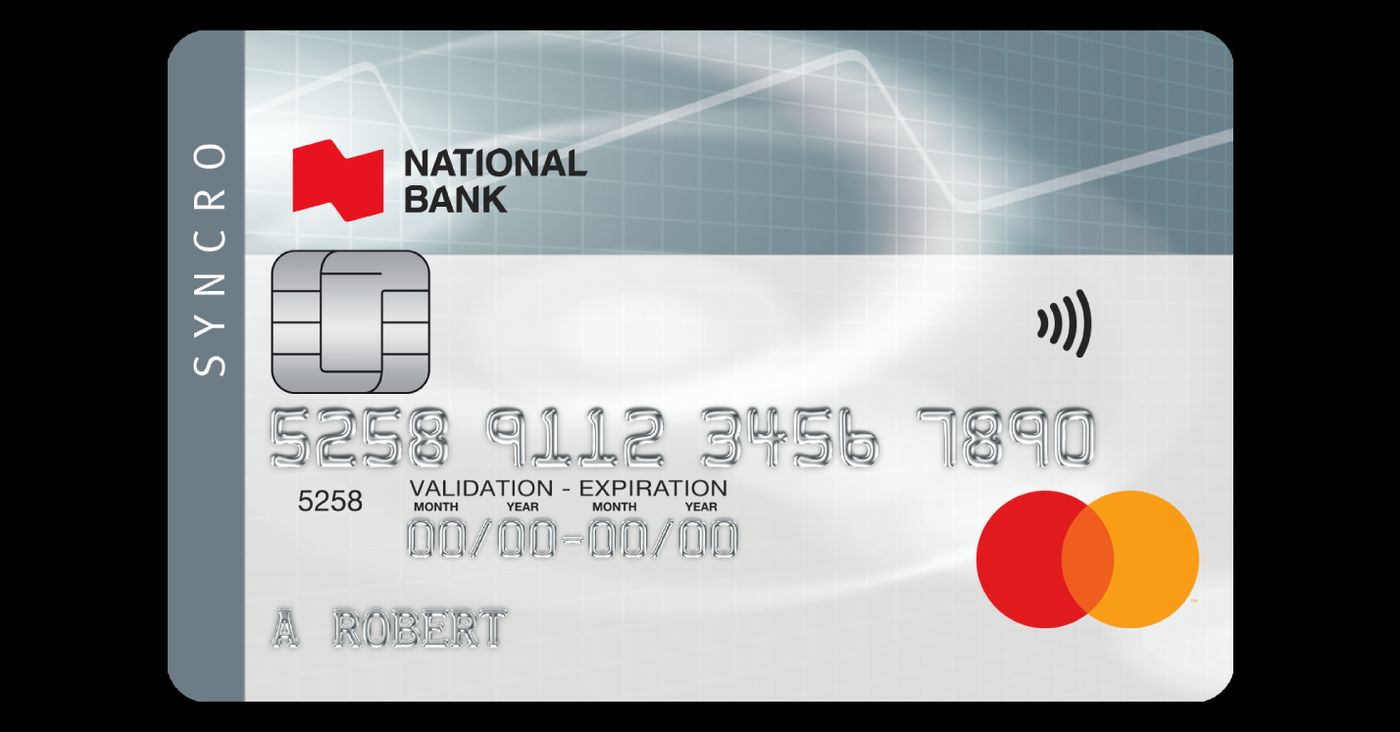
| National Bank Syncro Mastercard | 8.90% (variable) | $0 | Lowest ongoing rate |
| MBNA True Line Mastercard | 12.99% | $0 | 0% balance transfer for 12 months |
| RBC Visa Classic Low Rate Option | 12.99% (fixed) | $39 | Fixed rate stability |
| Scotiabank Value Visa | 13.99% | $39 | Low fixed rate option |
| Scotiabank Platinum American Express | 9.99% | $399 | Earns Scene+ points |
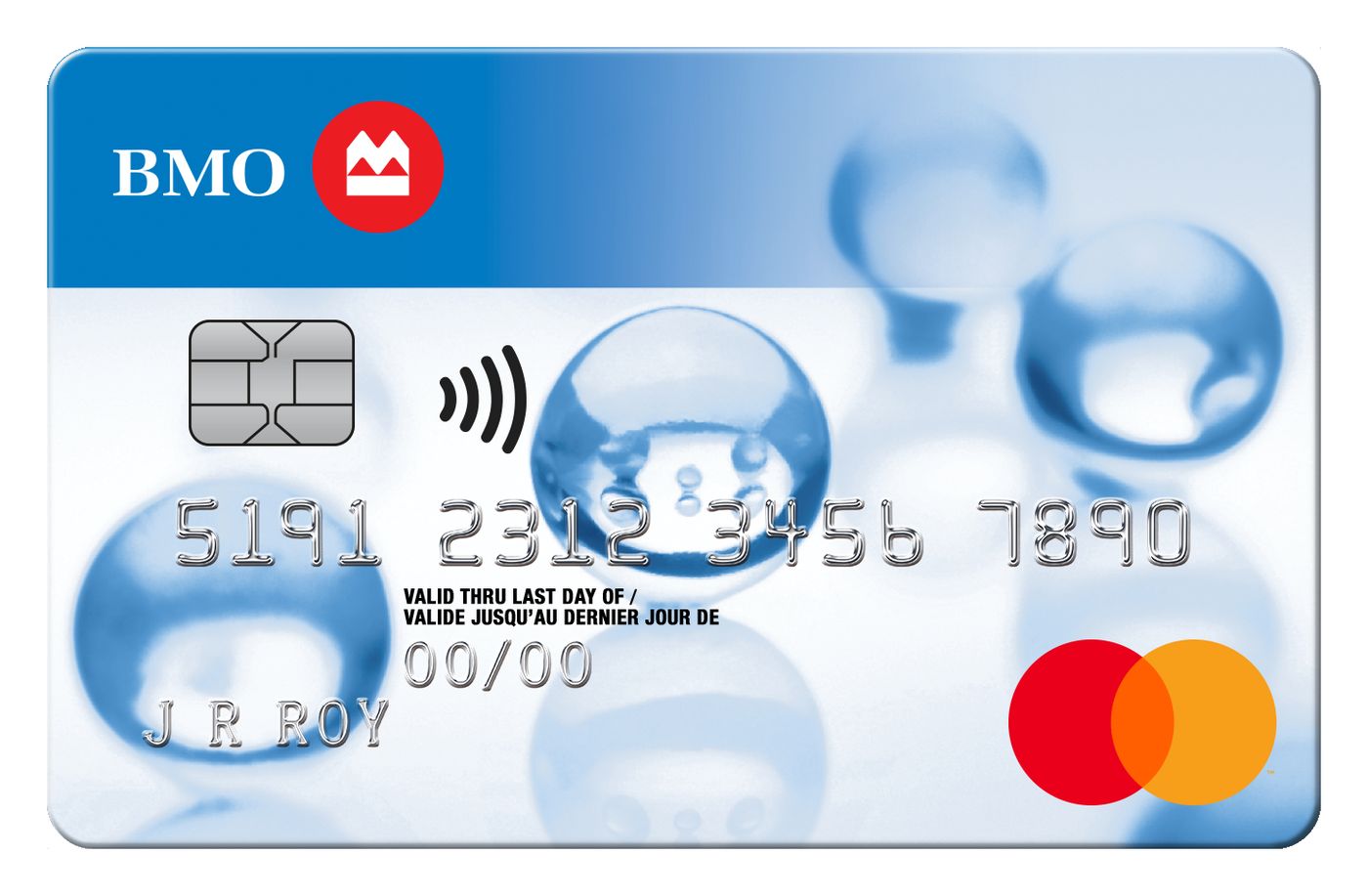
| BMO Preferred Rate Mastercard | 10.99% | $39 | Low purchase rate |
Low interest credit cards offer a variety of features. Cards with the very lowest interest rates may have variable rates or higher annual fees. The Scotiabank Platinum American Express card is an exception, combining a low 9.99% interest rate with a rewards program. It carries a substantial annual fee of $399. Your comparison should weigh the total cost of borrowing against any potential benefits. This helps determine which card structure aligns with your spending and repayment habits.
Important Considerations and Potential Drawbacks
While low interest cards offer clear advantages for carrying balances, they come with specific considerations and trade-offs. The most significant drawback is that the vast majority of these cards do not offer rewards, cash back, or extensive insurance coverage. Their design philosophy prioritizes interest savings over earning potential, which means you forgo points or miles on your spending. Some cards may include basic perks like extended warranty or purchase protection, but comprehensive travel insurance, airport lounge access, or high earn rates are typically absent. Another consideration is that promotional offers, such as 0% balance transfer rates, are for a limited time. If the transferred balance is not paid in full before the promotional period ends, the remaining debt will accrue interest at the card's standard rate, which may still be lower than your original card but requires careful planning.
Cardholders must also be vigilant about the conditions that maintain the low rate. For some cards, failing to make the minimum payment by the due date can trigger a penalty rate that is much higher. For example, a TD card's standard rate of 24.99% on purchases may apply if the minimum payment is missed twice within a 12-month period. Furthermore, variable rate cards introduce uncertainty, as your interest cost can increase if the prime rate rises. It is also important to calculate whether the interest savings from a low rate card outweigh any annual fee, especially if you occasionally carry a balance. For individuals who always pay their statement in full, a low interest card provides no financial benefit over a no-fee standard card, and a rewards card might be more suitable.
Eligibility and Application Process
Eligibility for a low interest credit card in Canada generally requires a reasonably good credit score, as lenders are offering a product with a lower profit margin on interest. While specific score thresholds are not universally disclosed, approval typically favours individuals with a history of responsible credit use. The application process is similar to that for any credit card. You will need to provide personal information such as your name, address, date of birth, Social Insurance Number, and details of your employment and income. Financial institutions use this data to perform a credit check and assess your ability to manage the credit limit they may extend. The application can usually be completed online, in person at a branch, or over the phone.
Many banks offer online tools or questionnaires to help suggest cards based on your spending habits and needs. After submitting your application, you may receive an instant decision or a response within a few business days. If approved, the card will be mailed to you. Before applying, it is prudent to review your credit report for accuracy and to understand your current financial standing. Since these cards are often used for debt management, ensuring you can meet the payment obligations is critical to avoiding penalties and further debt.
Steps for Using a Low Interest Card Effectively
To maximize the benefits of a low interest credit card, a structured approach is recommended. First, clearly define your goal for the card, whether it is consolidating existing debt, reducing interest on future purchases, or building credit. Second, compare specific card offers in detail, focusing on the ongoing purchase APR, annual fee, and the terms of any balance transfer promotion, including the duration and fee. Third, if you are transferring a balance, initiate the transfer promptly after account opening and create a repayment plan to clear the debt before the promotional rate expires. Fourth, use the card strategically for necessary purchases if you anticipate carrying a balance, but avoid using it for cash advances which typically have higher rates.
- Define your financial goal for the card (debt consolidation, lower interest costs, credit building).
- Compare cards based on the ongoing APR, annual fee, and balance transfer terms.
- If using a balance transfer, set up a repayment plan to clear the debt before the promo rate ends.
- Avoid using the card for cash advances due to their higher interest rates.
- Always make at least the minimum payment by the due date to avoid penalty rates.
- Monitor your statements and the interest being charged to track your savings.
- Re-evaluate if the card still meets your needs after any promotional period ends.
Fifth, always make at least the minimum payment by the due date to avoid late fees and potential penalty interest rates that could negate the low-rate benefit. Sixth, regularly monitor your statements to track the interest charges and ensure you are on pace with your repayment plan. Finally, periodically re-evaluate whether the card continues to serve your financial situation, especially after any introductory offers conclude. Following these steps can help you use a low interest credit card as an effective tool for managing borrowing costs.
Frequently asked questions
What is considered a low interest rate for a credit card in Canada?
A low interest rate for a credit card in Canada is generally an annual percentage rate (APR) under 14%. This is significantly lower than the average standard credit card rate, which typically ranges from 19.99% to 23.99%. Examples include the RBC Visa Classic Low Rate Option at a fixed 12.99% and the National Bank Syncro Mastercard with a variable rate of 8.90%. These rates apply to purchases when a balance is carried from month to month.
Can I transfer debt to a low interest credit card?
Yes, many low interest credit cards offer balance transfer options, often with promotional rates. It is common to find offers of 0% interest on transferred balances for a set period, such as 6, 9, or 12 months. For example, the MBNA True Line Mastercard provides a 0% interest rate on balance transfers for 12 months. Be aware that a balance transfer fee, usually between 1% and 3% of the amount transferred, typically applies to these transactions.
Do low interest credit cards have rewards or cash back?
Most low interest credit cards do not offer rewards, cash back, or extensive insurance coverage. The trade off for the lower interest rate is the absence of these perks. An exception is the Scotiabank Platinum American Express card. It offers a low 9.99% interest rate and earns Scene+ points. This card carries a high annual fee of $399.
What is the difference between a fixed and variable low interest rate?
A fixed low interest rate remains constant and does not fluctuate with market changes. An example is the 12.99% fixed rate on the RBC Visa Classic Low Rate Option. A variable low interest rate is tied to a benchmark like a bank's prime rate. An example is the rate on the National Bank Syncro Mastercard. A variable rate can increase or decrease over time, introducing uncertainty into future borrowing costs.
Who should consider getting a low interest credit card?
A low interest credit card is suitable for individuals who anticipate carrying a balance from month to month. It reduces interest costs compared to standard credit cards. It is also useful for those looking to consolidate high interest debt via a balance transfer. People building credit who want a lower cost borrowing option may consider it. If you always pay your balance in full, a low interest card provides no advantage over other card types.
What are common mistakes to avoid with low interest cards?
Common mistakes include not paying off a transferred balance before a promotional 0% rate expires, after which higher interest applies. Using the card for cash advances, which often have much higher interest rates, can also negate savings. Missing minimum payments may trigger penalty interest rates, and paying an annual fee for a card you rarely use can outweigh the interest savings. Failing to compare the total cost, including fees, is another frequent oversight.
Sources and further reading
- Apply Online for Low interest rate Credit Cards in Canada td.com
- Low interest credit cards cibc.com
- The best low interest credit cards in Canada for 2026 ratehub.ca
- Low Interest Rate Credit Cards, Apply & Save on Interest rbcroyalbank.com
- Best Low-Interest Credit Cards In Canada nerdwallet.com
This article explains how things work and is not financial, tax or legal advice. Rules, limits and rates change, so check the current figures with the Canada Revenue Agency, your province or your financial institution before you act.