Loans in Canada are financial agreements that allow individuals to borrow a sum of money for various personal needs, which is then repaid with interest over a set period. They are a common tool for Canadians to manage expenses like home renovations, debt consolidation, or unexpected costs. The Canadian lending market offers a wide range of options from banks, credit unions, and alternative lenders, with terms and rates that vary significantly based on your financial profile. Understanding the different loan types, costs, and application processes is essential for making an informed borrowing decision.
Common Types of Loans Available in Canada
Canadian borrowers can access several distinct types of loan products, each designed for different financial situations and needs. A personal loan, also called an instalment loan, provides a lump sum of money that is repaid over a predetermined term, which can range from six months to ten years. These loans can be used for almost any purpose, including home renovations, vacations, education, or debt consolidation, and amounts typically range from $100 to $200,000. A line of credit is a revolving form of credit where you are approved for a set limit, can borrow from it repeatedly, and only pay interest on the amount you use, with common limits starting at $5,000. Secured loans require collateral, such as a vehicle, and often allow borrowers to qualify for larger amounts, with some lenders offering secured loans up to $25,000. Specialized products like student loans are available for education costs, with some programs offering up to $120,000 per student, while overdraft protection acts as a short-term safety net attached to a chequing account, usually for amounts between $500 and $5,000.

Understanding Loan Costs and Interest Rates
The cost of borrowing in Canada is primarily determined by the interest rate and the annual percentage rate (APR). Current personal loan interest rates typically range from 6% to 35% APR, with the specific rate offered depending heavily on the borrower's credit history, income, existing debt, and whether the loan is secured or unsecured. It is important to understand that the interest rate and the APR are not always the same number. The interest rate is the percentage charged on the borrowed principal, while the APR includes the interest rate plus any applicable borrowing fees, providing a more complete picture of the annual cost. For a common loan amount like $5,000, rates often fall between 10% and 20%, though borrowers with strong credit profiles may find rates starting as low as 6% through traditional banks. Some lenders advertise starting APRs as low as 8.99%, but not every borrower will qualify for these best advertised rates. Variable-rate loans are tied to a lender's prime rate, which is influenced by the Bank of Canada's policy rate, while fixed-rate loans offer a set interest rate for the entire term.
When evaluating loan offers, you should consider the total cost over the life of the loan, which is influenced by the term length and payment frequency. Loans with longer terms will have lower monthly payments but result in more interest paid overall. Many lenders offer flexible payment options, including weekly, bi-weekly, or monthly schedules, allowing you to choose a plan that fits your budget. Using a loan calculator can help you visualize different payment scenarios and total interest costs before you commit. Always compare the APR from different lenders, as this figure incorporates fees and gives you a standardized way to assess the true annual cost of each loan offer.
Eligibility Requirements and the Application Process
Lenders in Canada assess several key factors to determine your eligibility for a loan and the terms they will offer. A common minimum credit score requirement from some financial institutions is 640, though alternative or online lenders may approve applicants with scores below 600, often at higher interest rates. You will need to provide proof of income, a Social Insurance Number (SIN), and identification, such as a driver's licence or passport. For secured loans, you must also provide the asset for collateral, such as bringing your vehicle to a branch for inspection. The application itself can often be started online, in a mobile app, over the phone, or at a physical branch, with many lenders offering a pre-approval process that does not impact your credit score.
The standard loan application journey involves a few consistent steps. First, you submit your application with the required personal and financial documentation. The lender then performs a credit check and provides a lending decision, which can sometimes be delivered in minutes. If approved, you will review and sign the loan agreement, which outlines the interest rate, term, payment schedule, and any fees. Finally, the funds are disbursed, often via direct deposit or Interac e-Transfer, with some providers offering access to money in as little as 15 minutes using electronic transfer. For lines of credit, once approved you can access funds up to your limit at any time without reapplying, simply by transferring money to your chequing account through online or mobile banking.
Key Differences Between Loan Products
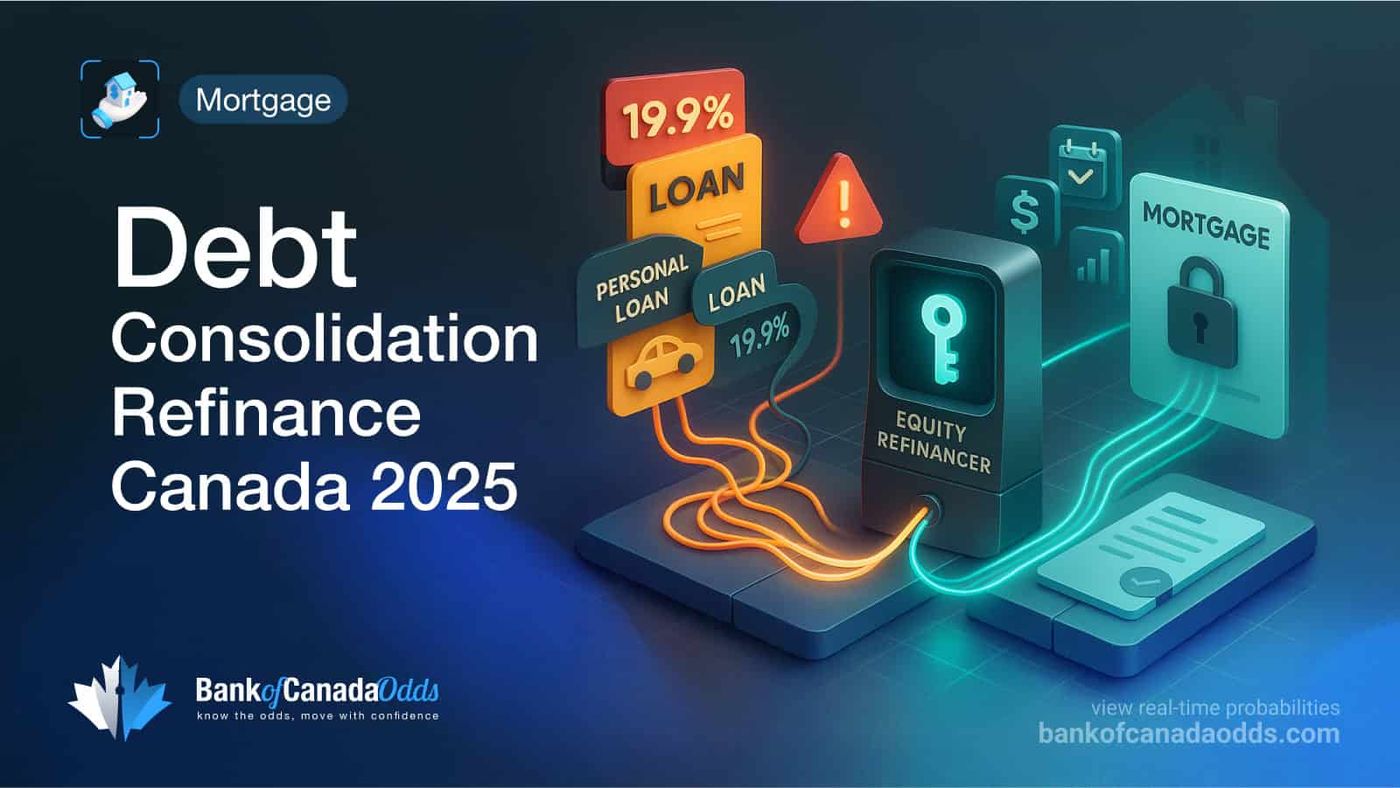
Choosing the right financial product requires understanding the fundamental operational differences between them. A personal loan is a closed-end product where you receive a lump sum upfront and repay it in fixed instalments over a set term. Once a portion is paid off, you cannot re-borrow those funds. In contrast, a line of credit is a revolving product where you have a pre-approved credit limit, can borrow and repay funds repeatedly, and only pay interest on the outstanding balance, making it suitable for ongoing or unpredictable expenses. An overdraft is specifically linked to your chequing account to cover shortfalls, typically for smaller amounts between $500 and $5,000, with interest calculated daily on the used amount. Secured loans generally offer higher borrowing limits and potentially lower interest rates than unsecured loans because they are backed by collateral, which reduces the lender's risk. Consolidation loans are a specific application of a personal loan, designed to combine multiple debts like credit card balances, student loans, or other personal loans into a single new loan. This can simplify finances by creating one monthly payment and may offer a lower overall interest rate than the combined rates on the original debts.
| Loan Type | Key Feature | Common Use Case |
|---|---|---|
| Personal Loan | Lump sum, fixed payments, set term | One-time large purchases, debt consolidation |
| Line of Credit | Revolving credit, borrow as needed | Ongoing expenses, emergency fund backup |
| Secured Loan | Backed by collateral (e.g., vehicle) | Larger loan amounts, potentially lower rates |
| Overdraft | Linked to chequing account, daily interest | Short-term cash flow coverage |
Student loans are specifically designed to cover education costs such as tuition, books, and living expenses. Some student loan programs allow borrowers to make interest-only payments while they are still in school. These funds can be accessed as needed, providing flexibility for ongoing educational expenses. The choice between different loan products depends on whether a borrower requires a single lump sum or flexible access to credit over time.
Provincial Considerations and Lender Landscape
While the core principles of lending apply across Canada, the marketplace consists of various types of providers, each with different operating models. Major banks and credit unions offer a full suite of loan products, often with branch networks, and may require a credit score of 640 or higher for approval. Alternative lenders, including companies like Money Mart and online-only platforms, often cater to borrowers who may not qualify with traditional institutions, offering loans with potentially higher approval rates but also potentially higher interest rates. These alternative lenders may provide installment loans and short-term solutions through hundreds of branches across the country or entirely online. It is important to note that payday loans, a form of short-term borrowing with very high costs, are a distinct product category and are subject to specific provincial regulations that cap fees and terms, though they are not the focus of this general loan guide.
The lending process and available options are largely consistent across provinces for mainstream loan products from national banks and online lenders. However, some credit unions or regional financial institutions may have specific programs or eligibility criteria tied to local communities. For all borrowers, comparing offers from different types of lenders is a critical step, as rates and terms can vary widely based on the lender's risk assessment and business model. Many online tools and lender databases exist to help Canadians compare personalized loan offers from various providers without affecting their credit score, allowing for an informed choice. This comparison is especially valuable given the wide range of advertised rates, from as low as 8.99% APR for those with excellent credit to the upper limits of 35% for higher-risk borrowers.

Common Mistakes to Avoid When Taking a Loan
Several common pitfalls can make a loan more expensive or burdensome than necessary. A primary mistake is not comparing multiple offers, as interest rates and fees can vary significantly between lenders, and focusing only on the monthly payment without considering the total interest cost over the full loan term. Borrowers sometimes opt for a longer repayment term to get a lower monthly payment, not realizing this greatly increases the total amount of interest paid to the lender. Another error is using a loan for discretionary spending without a clear repayment plan, which can lead to unsustainable debt. For those using a loan for debt consolidation, a critical mistake is continuing to use the paid-off credit cards and running up new balances, which compounds debt rather than solving it. Overlooking fees, such as origination or prepayment penalties, can also reduce the potential savings from a new loan or refinance.
- Failing to shop around and compare APRs from different lenders.
- Choosing a longer loan term solely for a lower payment, ignoring higher total interest.
- Not having a budget or plan for repaying the loan before borrowing.
- Using a consolidation loan but accruing new debt on old credit lines.
- Overlooking fees, such as origination or prepayment penalties.
- Not checking your credit report for errors before applying.
Refinancing an existing personal loan to get a lower rate can be a smart move, but it requires careful analysis. You must compare the total remaining cost of your current loan, including any prepayment penalties, with the total cost of the new loan, including any origination fees. An improvement in your credit score or income may qualify you for better terms. Finally, understand that applying for a loan triggers a hard credit inquiry, which can cause a small, temporary dip in your credit score, but consistently making on-time payments on the new loan will help build a positive credit history over time. This positive history can improve your credit score and potentially qualify you for better rates on future credit products.
Frequently asked questions
How fast can I get a loan in Canada?
Funding speed depends on the lender and the loan type. Some lenders offer instant decisions and can disburse funds via Interac e-Transfer in as little as 15 minutes after approval. More commonly, the process from application to receiving funds can take one business day if all required paperwork is submitted. Applications for secured loans that require collateral inspection may take longer.
What credit score do I need to get a personal loan in Canada?
A common minimum credit score for personal loan approval in Canada is 640. For example, one financial institution explicitly states a requirement for a credit score of 640 or greater. However, lenders have different criteria, and your rate also depends on your income, existing debt, and whether the loan is secured or unsecured. Generally, a higher credit score gives access to more lenders and lower rates. Borrowers with scores below 600 may still qualify with some alternative or online lenders, though often at higher interest rates.
Can I get a loan with bad credit in Canada?
Yes, you can get a loan with bad credit in Canada through alternative lenders, online lenders, or specialized providers. Some lenders advertise high approval rates and state they evaluate more than just a credit score. For instance, Money Mart promotes loans with high approval rates and clear upfront fees. However, loans for borrowers with lower credit scores typically come with higher interest rates, which can be at the upper end of the typical Canadian range of 6% to 35% APR. It is important to compare offers as terms and costs can vary significantly.
What is the difference between a personal loan and a line of credit?
A personal loan is a one time lump sum borrowed for a specific purpose and repaid in fixed instalments over a set term, with a schedule that helps with budgeting. In contrast, a line of credit is a revolving account with a pre approved credit limit that you can access, repay, and borrow from again as needed. You only pay interest on the amount you actually use with a line of credit. This makes a line of credit more flexible for ongoing or unpredictable expenses, while a personal loan is better for a single, defined project or purchase with a consistent payment plan.
What can I use a personal loan for?
Personal loans in Canada are versatile and can be used for almost any legitimate purpose. Common uses highlighted by lenders include debt consolidation, home renovations, vehicle purchases, education costs, vacations, and weddings. A consolidation loan, for example, can combine multiple debts into one manageable payment. Lenders generally do not restrict the use of funds from a standard personal loan, allowing borrowers the flexibility to address their specific financial needs, whether for planned projects or unexpected expenses.
Does applying for a loan hurt my credit score?
Applying for a loan typically involves a hard credit check, which can cause a small, temporary decrease in your credit score. However, many lenders offer a pre approval or pre qualification process that uses a soft credit check, which does not affect your score. For example, some providers advertise getting pre approved with no impact to your credit score. Once you have the loan, making your payments in full and on time helps build a positive payment history, which can improve your credit over time, while late payments will have a negative effect.
Sources and further reading
- Loans in Canada: Line of Credit & Secured Financing lenddirect.ca
- Personal Loans fnbc.ca
- Best personal loans in Canada 2026 ratehub.ca
- Personal Loans innovationcu.ca
- Money Mart moneymart.ca
This article explains how things work and is not financial, tax or legal advice. Rules, limits and rates change, so check the current figures with the Canada Revenue Agency, your province or your financial institution before you act.