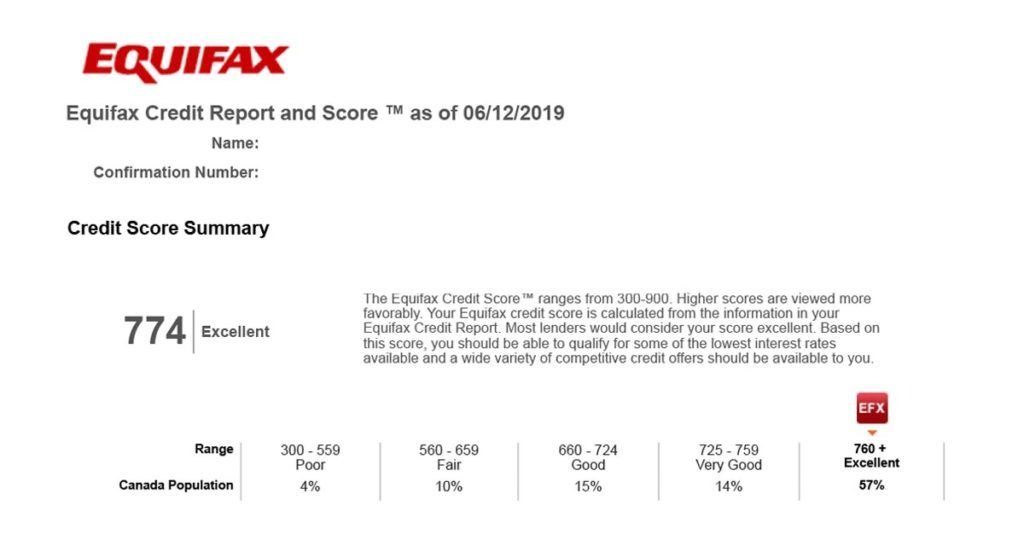
Increasing your credit score in Canada involves consistently demonstrating responsible credit management over time. A higher score, which ranges from 300 to 900, can improve your chances of loan approval and secure lower interest rates from lenders. The process is based on key factors reported to credit bureaus like Equifax and TransUnion, including payment history and credit utilization. Building or repairing your score requires a patient, disciplined approach focused on these fundamental financial behaviours.
Understanding Your Credit Score and Report
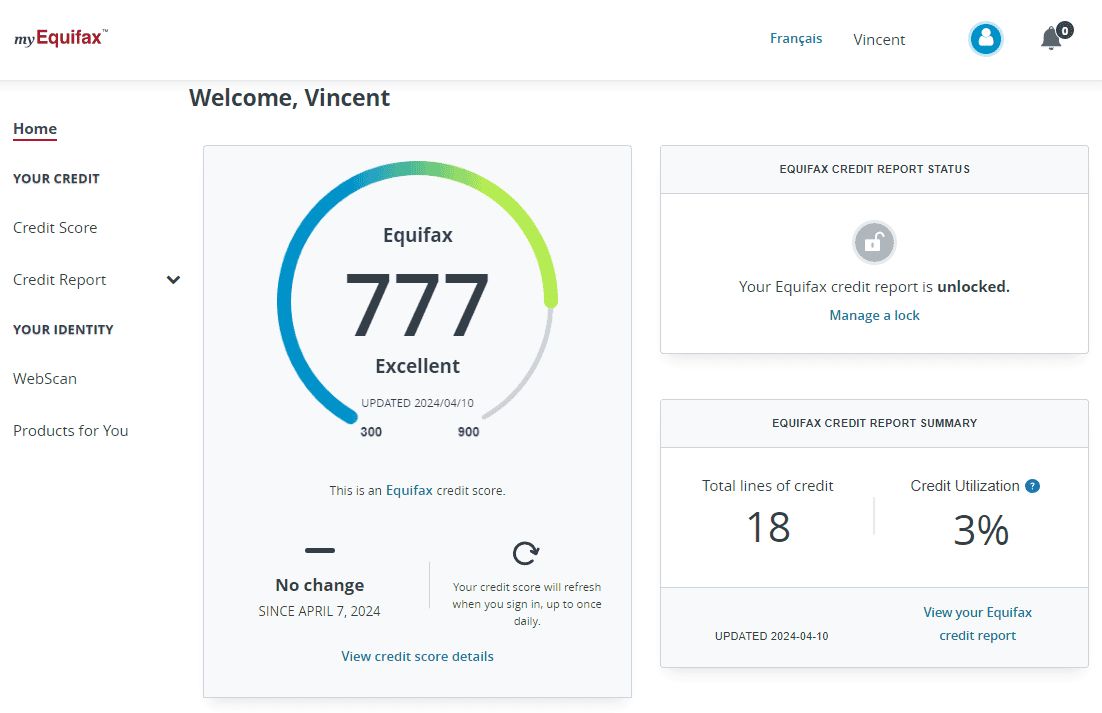
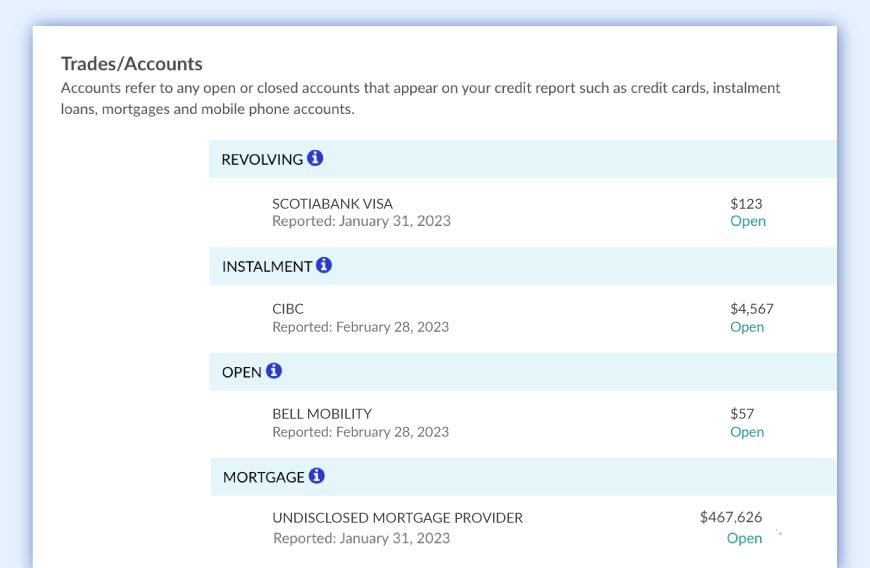
A credit score is a numerical rating that represents your creditworthiness at a specific moment in time, helping lenders decide if you are likely to repay debts. In Canada, scores provided by agencies like Equifax and TransUnion range from 300 to 900, with a higher score indicating lower risk to lenders. Your score is calculated using information from your credit report, which is a detailed record of your credit history including payment records, outstanding debts, and recent inquiries. It is crucial to review your credit reports from both major agencies regularly to ensure accuracy and check for signs of identity theft or fraud. You can request a free credit report once every year as a financial checkup.
Different scoring models exist, such as FICO and VantageScore, each with algorithms that may weigh factors slightly differently. All consumer scores are derived from depersonalized data analysis to predict the likelihood of timely repayment. Lenders may use one of these scores or a custom-built version when making decisions, and they often consider additional factors like your income and employment status alongside your score. Understanding that your score is a snapshot based on reported behaviour is the first step toward managing it effectively.
The Core Factors That Determine Your Score
Your credit score is not arbitrary. It is calculated based on specific factors proven to be statistically predictive of repayment behaviour. The most heavily weighted factor is your payment history, which may account for approximately 35 percent of your score. This includes your history of on-time and late payments on all credit accounts reported to the bureaus. Consistent, on-time payments help build and maintain solid scores, while late or missed payments can lower your score, with more recent and frequent misses having a larger negative impact. Even one or two late payments can affect your score, though their impact is less severe if you have a long history of good credit.
Another critical factor is your credit utilization ratio, which is the amount of credit you are using compared to your total available limits. For example, if you have a credit limit of $10,000 and a reported balance of $3,000, your utilization rate is 30 percent. It is typically best to keep this rate at or below 30 percent, as higher utilization, especially over 75 percent of your limit, is a red flag that can significantly lower your score. The length of your credit history, which can account for up to 15 percent of your score, reflects the age of your accounts, with longer histories generally being beneficial. Finally, your credit mix (the types of accounts you have) and new credit inquiries also influence your score, with too many recent applications potentially lowering it.
Fundamental Strategies to Improve Your Score
The most effective way to improve your credit score is to pay all your bills and debts on time, every time. Setting up automatic payments or payment reminders can help ensure you never miss a due date. If you have any accounts that have gone to collections, such as unpaid parking tickets or utility bills, prioritize paying them off. Although a paid collection item will remain on your Equifax credit report for six years from the date it went into collections, paying it can stop further damage and, in some cases, you can ask the creditor to remove the notice. Diligently managing your payment history addresses the single most important factor in your score calculation.
Actively work to lower your credit utilization rate. You can achieve this by spending less on credit, paying down existing balances, or making more frequent payments throughout the month instead of just once. Requesting a credit limit increase from your card issuer can also lower your utilization ratio, provided you do not increase your spending. Aim to keep balances below 50 percent of your limits for a better effect, and ideally pay off credit card balances in full each month. This demonstrates you can manage credit responsibly without relying too heavily on it, which is viewed positively by scoring models.
- Pay all bills and loan payments on time, consistently.
- Keep credit card balances low, targeting below 30% utilization.
- Pay off collections accounts and request removal of the notice.
- Avoid applying for multiple new credit accounts in a short period.
- Keep old, paid-off credit accounts open to maintain a longer credit history.
- Review your credit reports annually for errors or signs of fraud.
Addressing Specific Credit Problems
Different credit issues require tailored approaches for resolution. For occasional late payments, the primary fix is to resume making consistent, on-time payments. While these marks remain on your report, their negative impact diminishes over time as you build a more recent history of reliable payments. If low scores are due to consistently high credit card balances, the solution is a focused debt repayment plan to bring balances below 75 percent and eventually below 50 percent of your limits. Carrying high balances signals financial pressure to lenders and is a major drag on your score.
Unpaid collections items, such as traffic fines or cell phone bills, offer a unique opportunity for quicker score improvement. As soon as you pay off such a debt, you can ask the creditor to remove the collection notice from your credit report, and many will comply. If the collection items were the main cause of a low score, your score may rebound more quickly once they are removed. For more severe issues like a consumer proposal or bankruptcy, improvement requires a longer-term commitment to rebuilding credit through responsible behaviour, as these remain on your report for years. For any account, after seven years of no activity, the record will fall off your credit report.
Building Credit from Scratch or Rebuilding
Building a credit history for the first time, such as when you are a young adult or a newcomer to Canada, presents specific challenges. To start, you can apply for products designed for this situation, such as a student credit card or a program for newcomers. Use the credit card for small, manageable purchases and pay the balance in full each month to establish a positive payment history. Securing a small loan, like a car loan, and repaying it on time also contributes to building your history. The key is to demonstrate over time that you can manage borrowed money responsibly.
Rebuilding credit after significant setbacks follows similar principles but requires more patience. You must consistently demonstrate good financial habits to outweigh past negative information on your report. This means making every payment on time, keeping debts low, and avoiding new credit applications unless necessary. There is no one-size-fits-all solution that changes a credit score overnight. Improvement takes effort and time. The length of time varies depending on circumstances, but bouncing back from a few late payments is generally faster than recovering from a bankruptcy. Throughout the process, maintaining old accounts helps preserve the average age of your credit history, which supports your score.
Common Mistakes That Lower Your Score
Several common behaviours can inadvertently hinder your credit score improvement. Frequently applying for new credit leads to multiple hard inquiries on your report, which can lower your score, especially if you are at the lower end of the score spectrum. It gives lenders the impression you are urgently seeking credit due to financial issues. Closing old credit card accounts that are paid off shortens your average credit history length, which can negatively affect your score. It is generally better to keep these accounts open, even if you do not use them regularly.
Allowing credit card balances to routinely exceed 75 percent of your credit limit is a significant mistake that labels you a higher risk. Similarly, ignoring small debts like parking tickets until they go to collections adds negative public records to your report. Finally, neglecting to check your credit reports for errors means you might not catch inaccuracies or fraudulent accounts that are damaging your score. Avoiding these pitfalls is as important as proactively following good credit practices.
The Role of Credit Bureaus and Scoring Models
In Canada, the two main credit reporting agencies are Equifax and TransUnion. These bureaus collect financial data from lenders and creditors to compile your credit report. They then use this data to calculate credit scores through various proprietary algorithms. Equifax uses models named like ERS 2.0 or ERS 3.0 (Equifax Risk Score), while other common scores include FICO 8 or FICO 10. Each model has the same core purpose, to predict the likelihood of on-time repayment, but may weigh factors like credit utilization or new credit slightly differently depending on the context, such as for a mortgage versus a mobile phone plan.
Lenders may pull your score and report from one or both bureaus when you apply for credit. It is possible for the information, and therefore the score, to differ slightly between Equifax and TransUnion, as not all creditors report to both agencies. This is why monitoring reports from both is recommended. The scores provided by these bureaus, along with custom scores lenders build themselves, are tools used to assess risk. They are derived from analyses of which elements on a credit report are most statistically correlated with solid repayment behaviour among Canadian consumers.
Frequently asked questions
What is the fastest way to improve my credit score in Canada?
The most impactful action is to bring any past-due accounts current and pay off collections items, as you can then request the creditor remove the collection notice from your report. For ongoing improvement, consistently paying all bills on time and reducing your credit card balances to below 30 percent of your limits are the most effective strategies. However, there is no instant fix for most credit issues. Improving a score requires demonstrating responsible behaviour over time, and the speed of improvement depends on your specific circumstances.
How long does it take to improve a bad credit score?
The time required varies significantly based on the negative factors involved. Recovering from one or two late payments or a few hard inquiries may take less time than rebuilding after an account has gone to collections, a consumer proposal, or a bankruptcy. Negative information like a collection account remains on your Equifax report for six years from the date it went into collections, while other accounts fall off after seven years of inactivity. Improvement is a gradual process that requires patience and consistent positive credit management.
Does checking my own credit report lower my score?
No, checking your own credit report is considered a soft inquiry and does not affect your credit score. You are entitled to request a free copy of your report from Equifax and TransUnion once every year. Regularly reviewing your own reports is a recommended practice to check for accuracy and signs of fraud. It is hard inquiries, which occur when a lender checks your report as part of a credit application, that can temporarily lower your score.
Should I close old credit cards I don't use anymore?
It is generally not advisable to close old, paid-off credit accounts if you are trying to improve or maintain your score. One factor in score calculations is the average age of your accounts, and closing an old account shortens your credit history length. Keeping these accounts open, even with a zero balance, can help maintain a longer credit history, which is beneficial for your score. However, if an account has a high annual fee or tempts you to overspend, you must weigh the pros and cons.
What is a good credit utilization rate?
A good practice is to keep your credit utilization rate at or below 30 percent. For example, if your total credit limit across cards is $10,000, you should aim to have a reported balance of $3,000 or less. Balances routinely over 75 percent of your limit are a significant red flag that can lower your score. You can manage your utilization by paying down balances, making multiple payments per month, or requesting a credit limit increase without increasing your spending.
How can I build credit if I'm new to Canada or have no history?
Building credit from scratch requires starting with credit products designed for those with limited or no history. Options include applying for a secured credit card, a student credit card, or programs offered by banks for newcomers. Use the card for small, regular purchases and pay the balance in full and on time every month to establish a positive payment history. Over time, this demonstrates responsible credit use to lenders. Having a mix of credit types, like a credit card and a small installment loan, can also help once you have established a basic history.
Sources and further reading
- How to Improve Your Credit Scores equifax.ca
- How to Improve Your Credit Score in Canada | CCS nomoredebts.org
- How to increase your credit score | Posts scotiabank.com
- How to improve your credit scores bdc.ca
- Tips and tools to improve your credit score td.com
This article explains how things work and is not financial, tax or legal advice. Rules, limits and rates change, so check the current figures with the Canada Revenue Agency, your province or your financial institution before you act.