Getting cheap insurance quotes online in Canada involves comparing offers from multiple providers through digital tools and understanding the factors that influence your premium. The process allows Canadian consumers to review coverage options and potential savings from the comfort of their home, often within minutes. While price is a key consideration, the level of coverage and specific policy features must also be evaluated to ensure adequate financial protection. Online quoting is available for common insurance types like auto and home, with rules and mandatory coverage varying by province.
Understanding the Canadian Insurance Landscape
Insurance in Canada is a legal contract, known as a policy, between you and an insurance company where you pay regular premiums for financial protection against specific unforeseen losses. This safety net is designed to compensate for risks such as accidents, property damage, illness, or death. For certain activities, like driving a car, insurance is mandatory by law across the country. The most common types of insurance policies sought by Canadians are car insurance, home insurance, life insurance, business insurance, and travel insurance. Each type serves a distinct purpose in managing financial risk, and the rules, particularly for auto insurance, are not uniform nationwide.
Car insurance regulations and required coverage levels are set provincially, meaning the minimum legal requirements differ between Ontario, Quebec, Alberta, and other provinces. All provinces mandate that drivers carry third-party liability coverage, which pays for injury or property damage you cause to others. Standard mandatory coverage in many provinces also includes accident benefits, direct compensation for property damage, and uninsured automobile coverage. Most drivers also choose to add optional coverages like collision and comprehensive for further protection of their own vehicle. Understanding these provincial distinctions is a critical first step before seeking quotes, as it defines the baseline of what you must purchase.
Methods for Obtaining Insurance Quotes Online
There are several primary channels through which Canadians can obtain insurance quotes online, each with different operational models. You can get quotes through an online insurance broker, who operates independently from insurance companies and can provide quotes from multiple providers. You can also get quotes directly from a direct writer, which is an insurance company that sells its policies directly to consumers without using independent brokers. Furthermore, many online insurance comparison portals allow you to enter your information once and receive quotes from several of Canada's top providers. The process typically involves answering questions in a web form about your location, vehicle, driving history, and desired coverage.
Using an online broker or comparison site can save time as they shop the market on your behalf, sifting through policies to find options that match your situation. Brokers are paid on commission by the insurance companies whose policies they sell. In contrast, dealing with a direct writer means you are interacting solely with one company's sales agents, who have in-depth knowledge of their own products but cannot offer alternatives from competitors. A common misconception is that buying direct always saves money by cutting out the middleman, but without comparison shopping, you cannot be certain you are getting the best overall value for your specific needs.
- Insurance Broker: Independent, provides quotes from multiple companies.
- Direct Writer: A single insurance company selling directly to consumers.
- Online Comparison Portal: A website that aggregates quotes from multiple providers.
- Insurance Agent: Often works for a specific company or group of companies.
Step-by-Step Guide to the Online Quoting Process
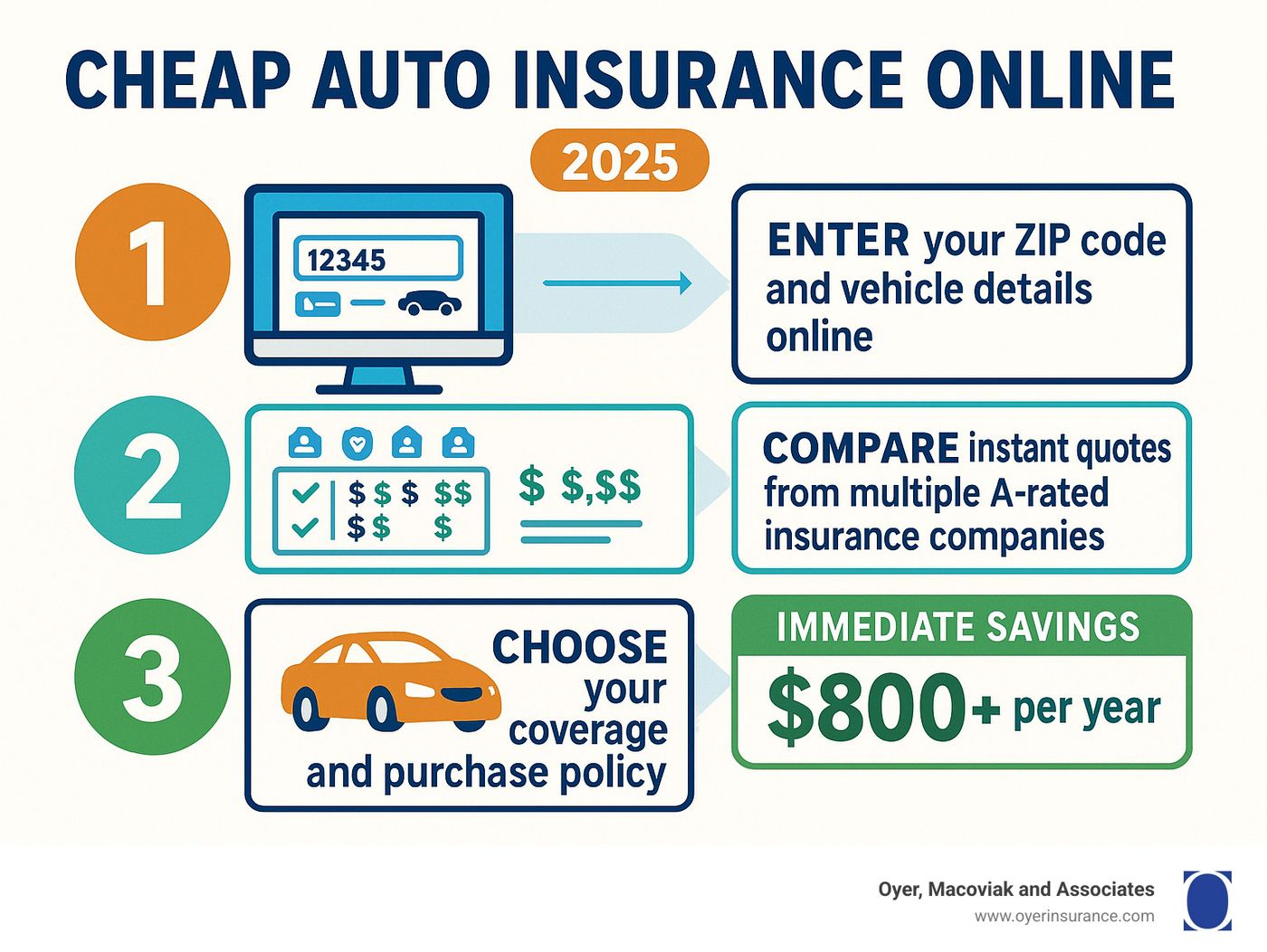
Initiating an online insurance quote is a straightforward process designed to be completed in minutes. You begin by going to an insurer's, broker's, or comparison website and locating the get a quote button, which is often prominently displayed. You will then need to confirm your province of residence, as this determines the available products and legal requirements. The subsequent web form will ask for specific personal and risk-related information that insurers use to calculate your premium. This data is essential for generating an accurate quote that reflects your individual circumstances.
After providing the necessary details, the system will generate a quote or multiple quotes for you to review. At this stage, you can often adjust coverage limits, deductibles, and add or remove optional coverages to see how these changes affect the price. Once you are satisfied with a quote and its coverage details, you can typically proceed to purchase the policy online directly, or you may be connected with a licensed advisor or broker to finalize the sale. For some insurers, full online purchase is available only in certain provinces like Ontario and Quebec, while in others you may need to speak with an advisor to complete the transaction.
- Go to an insurer, broker, or comparison website.
- Confirm your province of residence.
- Complete the online form with personal, vehicle, and driving details.
- Review the generated quote and adjust coverage options as needed.
- Finalize the purchase online or by speaking with an advisor.

Key Factors That Influence Your Insurance Premium
Insurance companies use a wide array of factors to calculate your premium, which is the price you pay for coverage. Your location, specifically your postal code, is a major factor as insurance costs are generally higher in or near large urban areas due to higher volumes of accidents, theft, and vandalism claims. The make, model, and year of your vehicle determine its value, safety features, and repair costs, all of which affect the premium. How you use your vehicle also matters. Using a car for business purposes beyond commuting may require commercial auto insurance and affect your rate.
Your driving record, including tickets and at-fault accidents, is a primary rating factor for auto insurance. The level of coverage you choose directly impacts cost, with more comprehensive protection costing more than a basic policy meeting only provincial minimums. The deductible amount you select, which is what you pay out-of-pocket on a claim, also influences your premium. A higher deductible usually results in a lower premium. Insurers also offer numerous discounts that can reduce the final price, such as those for bundling multiple policies, being a safe driver, or belonging to certain groups.
Common Discounts and Savings Opportunities
Canadian insurers provide a variety of discounts that can significantly lower your insurance costs when you qualify for them. Many companies offer a discount, often around 10%, for obtaining a quote and purchasing your policy entirely online. Safe driving is rewarded through discounts that increase the longer you go without making an at-fault claim, with some programs offering deductible reductions for claim-free periods. Members of certain groups are eligible for preferred rates, with some insurers offering discounts to members of over 750 alumni, professional, and employer associations. Insuring multiple vehicles from the same household can qualify you for a multi-vehicle discount. Owners of hybrid or electric vehicles may receive a specific green discount, such as a 10% Green Wheel discount. Furthermore, students listed as occasional drivers on a policy may qualify for a discount, and removing optional physical damage coverage on older, low-value cars can lower premiums.
| Discount Type | Typical Savings or Benefit |
|---|---|
| Online Purchase | Up to 10% off first term |
| Safe Driver / Claim-Free | Reduced premiums or deductible |
| Alumni/Professional Group | Preferred rates for members |
| Multi-Vehicle | Discount for insuring 2+ vehicles |
| Green Vehicle | Up to 10% discount for hybrid/electric |
Important Considerations Beyond the Price
While finding a cheap quote is a primary goal, the level and quality of coverage are equally important considerations. A very low price may indicate inadequate coverage limits or the absence of important endorsements that you might need, such as extensive water protection if you live in a flood-prone area. It is crucial to compare the specific coverage details, exclusions, and limits across quotes, not just the final premium number. Some insurers may offer products or features that others do not, which could be valuable for your unique situation, like specific coverage for driving for a rideshare service.
The claims process and customer service reputation of an insurer are also vital factors to consider. Some companies offer enhanced services like lifetime warranties on repairs when using their preferred auto centres or highly rated mobile apps for managing your policy and submitting claims. The ease of accessing your proof of insurance, often a digital pink card via a mobile app, is another practical consideration. Finally, remember that insurance needs change over time, so a policy that is cheap and suitable today should be reviewed periodically to ensure it continues to meet your needs at a competitive price.
Provincial Rules and Coverage Requirements
Auto insurance is regulated at the provincial level in Canada, leading to different mandatory coverage rules across the country. All provinces require drivers to carry a minimum amount of third-party liability insurance, which covers costs if you injure someone or damage their property. In provinces like Ontario, standard auto insurance policies include four mandatory coverages: third-party liability, accident benefits, direct compensation for property damage, and uninsured automobile coverage. Quebec operates under a hybrid public-private system where bodily injury is covered by a public plan, but property damage liability is purchased privately.
Other provinces have their own specific rules and minimum coverage limits. For example, Alberta and the Atlantic provinces have distinct regulations governing what must be included in a basic policy. This provincial variation means that an online quote will ask for your location first to apply the correct rules. When comparing quotes, it is essential to ensure they all meet the minimum legal requirements for your province. Optional coverages, such as collision and comprehensive, are available nationwide but are not legally required, allowing drivers to customize their policy based on their vehicle's value and their risk tolerance.
Frequently asked questions
Is car insurance mandatory in Canada?
Yes, car insurance is mandatory across Canada. You are required to have an auto insurance policy that includes third party liability, accident benefits, direct compensation for property damage and uninsured automobile coverage. This legal contract provides financial protection against unexpected losses in exchange for regular premium payments. Most drivers also choose to add optional collision and comprehensive coverage for further protection. The specific rules and required coverage levels can vary by province.
What information do I need to get an online car insurance quote?
To get an online car insurance quote, you will need to answer a few questions in an easy to use web form. This typically includes providing your postal code to confirm your province, as products and offers vary by region. You will also need details about your vehicle, such as its make, model, and year, which affect the premium based on value and repair costs. Information about your driving history and the vehicle's primary use is also required to generate an accurate quote and review coverage options.
What are the main ways to get insurance quotes in Canada?
There are four main ways to get car insurance quotes in Canada. You can use an insurance broker, who operates independently and can provide quotes from multiple companies. You can contact an insurance agent or a direct writer, which is an insurance company that sells its products directly to consumers. Finally, you can use an online insurance comparison website, which allows you to review quotes from multiple providers within minutes from the comfort of your home, saving you time and money.
How can I save money on my insurance premium?
You can save money on your insurance premium through several methods. Bundling your home and auto policies with the same provider can offer significant average savings. Purchasing your policy online often comes with a discount, such as saving 10 percent in your first policy term. Maintaining a clean driving record to qualify for safe driver rewards and claiming discounts for alumni, professional, or employer groups are other effective ways. You can also consider removing optional physical damage coverage on older vehicles or opting for a higher deductible.
Can I manage my policy online after I purchase it?
Yes, you can manage your policy online after purchase. Most insurers offer online account services and mobile apps for 24/7 access. Through these platforms, you can access your digital proof of insurance, submit or track a claim, and make payments. You can also add relevant documents to a claim to facilitate the review process. These online services allow you to handle your insurance information anytime and anywhere, providing a convenient way to stay updated on your policy.
Sources and further reading
- Intact Insurance: Canada's Largest P&C Insurer | Car & Home ... intact.ca
- Compare Cheap Insurance Quotes in Canada ratehub.ca
- Car Insurance: Get An Auto Insurance Quote allstate.ca
- Car Insurance: Get an Online Insurance quote tdinsurance.com
- Car Insurance: Get Auto Quotes in Canada rbcinsurance.com
This article explains how things work and is not financial, tax or legal advice. Rules, limits and rates change, so check the current figures with the Canada Revenue Agency, your province or your financial institution before you act.