A credit check in Canada involves obtaining your credit report and score from the two national credit bureaus, Equifax and TransUnion. You can access your credit report for free by mail, phone, or online, while your credit score is often available through your financial institution or for a fee from the bureaus. Regularly checking your credit is a crucial part of financial health, as it helps you spot errors, understand your borrowing power, and detect potential identity theft. This guide explains the practical steps for Canadians to access and understand their credit information.
Understanding Credit Reports and Scores
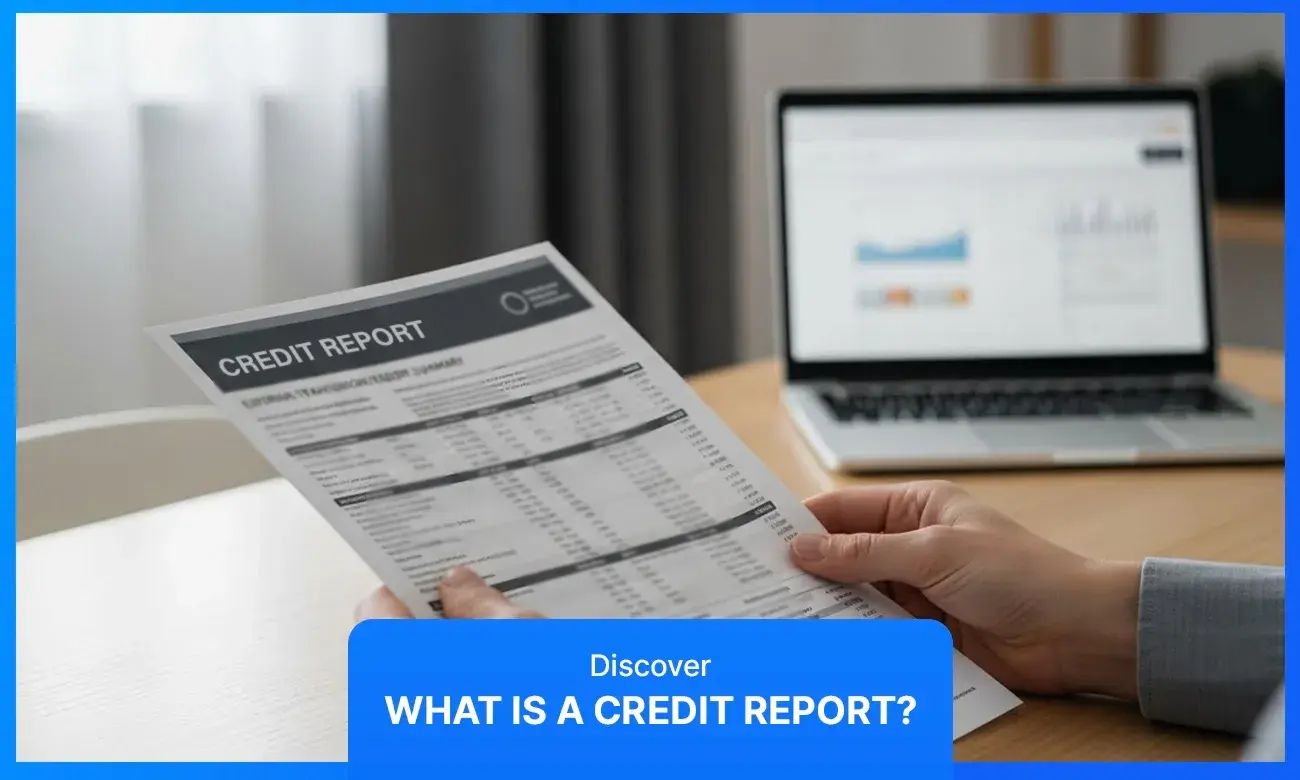
A credit report is a detailed record of your financial history maintained by credit bureaus. It contains personal identification details, your credit history including loans and credit cards, your payment records, and a list of parties who have requested your information. The purpose of this report is to establish a standardized credit rating for you. A credit rating is a measure of your dependability in repaying debts, often represented on a scale from 1 to 9 or with letter codes. An R rating is specifically assigned by lenders based on your borrowing history, where R1 is the best rating, indicating payments within 30 days, and R9 is the worst. Your credit score is a numeric summary of the information in your report, ranging from 300 to 900, with a higher score indicating lower risk to lenders. This score is a key factor that banks and lenders evaluate for loans, credit cards, mortgages, and even rental applications. The score provided directly to you by Equifax or TransUnion is often an educational score based on a proprietary model, and lenders may use a different score when making decisions.

How to Get Your Free Credit Report
Canadian consumer reporting legislation entitles you to a free copy of your credit report from both Equifax and TransUnion. You can obtain this free report once per year from each bureau through several methods. The most direct way is to request it online through the bureaus' official websites, Equifax.ca and TransUnion.ca. If you cannot successfully answer the online security questions, your report can be mailed to you instead. You can also request your free report by calling the bureaus' toll-free numbers and using their automated phone systems. Once your identity is confirmed over the phone, the report is sent by mail, a process that typically takes up to three weeks. A third method is to fill out a request form provided by each bureau and send it by postal mail. It is advisable to get reports from both Equifax and TransUnion, as creditors may report information to only one bureau, leading to potential differences between the two files. When you receive your report by mail, it will include notes and explanations to help you understand the information presented. This mailed report also has some personal details hidden for privacy, but it still contains sufficient information for your review.
Accessing Your Credit Score
While your credit report is freely available, accessing your specific credit score often involves different channels. Equifax provides a credit score estimate online for free, calculated from the data on your Equifax report. TransUnion generally charges a fee for its credit score when accessed directly through its service. However, many Canadians can check their credit score at no additional cost through their financial institution. Banks such as Scotiabank, CIBC, and TD offer credit score tools within their online banking or mobile apps, typically powered by TransUnion's CreditView Dashboard. For example, Scotiabank customers can register for the TransUnion Credit Score tool through online banking to track their monthly credit history. CIBC clients can use the Check Credit Score Service via the CreditView Dashboard in the CIBC Mobile Banking App. Checking your own score through these services does not impact your credit score. It is important to understand that the score you see may be an educational score or estimate, and lenders may use a slightly different score when evaluating your creditworthiness. Third parties will consider items other than your credit score, such as information on your full credit file and details from your application.
Steps to Request Your Credit Information
To comprehensively check your credit in Canada, follow a clear process for both your report and score. First, decide which bureau's information you need. For a complete view, check both. For your free annual report, visit the Equifax and TransUnion websites and follow their online request procedures, or prepare to mail a form if online verification fails. Have your personal information ready, including your full name, address, date of birth, and Social Insurance Number. If you are seeking your credit score, log into your online banking portal or mobile app to see if your bank offers a free score service. If not, you can purchase a score directly from the bureaus' websites. When your credit report arrives, review every section carefully for accuracy. The report mailed to you will include notes and explanations to help you interpret the data. If you find any errors, you must contact both the credit bureau and the organization that provided the inaccurate information to initiate a correction.
- Step 1: Gather personal identification details (name, address, SIN, date of birth).
- Step 2: Visit Equifax.ca or TransUnion.ca to request your free credit report online.
- Step 3: If online verification fails, request the report by phone or mail.
- Step 4: Check your online banking app for free credit score access.
- Step 5: Review all sections of your received credit report for errors.
- Step 6: Dispute any inaccuracies with the credit bureau and the related creditor.
The Equifax CompleteTM Friends and Family product costs $34.95. You sign up online and provide payment information for a monthly subscription. You may cancel this subscription at any time but no partial month refunds are provided. Only one discounted product is available to an individual in a 180-day period. Your data for these services is stored in the United States by Equifax affiliates.
Correcting Errors and Improving Your Credit
If you discover mistakes on your credit report, such as accounts you did not open or incorrect payment statuses, you must take immediate action to correct them. Notify the credit reporting agency, either Equifax or TransUnion, in writing about the specific error. You should also contact the organization that supplied the inaccurate information, such as a bank or lender, to inform them of the mistake. The bureau is required to investigate your dispute, typically within 30 days, and correct any verified inaccuracies. To improve your credit score over time, focus on the key factors that influence it. Always pay your bills on time, as payment history is a major component. Aim to use less than 35% of your total available credit across all cards and lines of credit. Avoid applying for new credit frequently, as multiple hard inquiries can temporarily lower your score. Maintain a mix of different credit types, such as a credit card and an installment loan, if manageable, and keep older accounts open to lengthen your credit history. Building credit early by responsibly using a credit card and making minimum payments is a foundational step. Demonstrating your ability to manage credit is key to maintaining a good score, which improves your chances for mortgage approval and other loans.

Paid Services and Product Details
Beyond free reports and scores, Equifax and TransUnion offer paid credit monitoring products with additional features. Equifax CompleteTM Premier is one such product, and Equifax CompleteTM Friends and Family offers the same features for you and a second adult at a cost of $34.95. These paid subscriptions typically include features like daily credit monitoring, identity theft insurance, and more frequent access to your credit score. Identity theft insurance is underwritten by American Bankers Insurance Company of Florida, but for residents of Quebec, this feature is not available for new product purchases. When you sign up for a paid product, your payment information is taken immediately and you are charged the stated subscription price each month you continue. You may cancel at any time, but partial month refunds are not provided. Only one discounted product is available per person in a 180-day period. The credit report and score provided through these paid offers are proprietary to Equifax Canada, and your data will be stored in the United States by their affiliate, Equifax Consumer Services LLC. Under certain circumstances, access to your Equifax credit report may not be available through these products, and if a remedy is not available, the subscription is cancelled with a full refund.
Common Credit Check Scenarios and Tools
Different life situations call for a credit check, and various tools are available to Canadians. When applying for a mortgage, lenders will scrutinize your credit report and score, so checking them beforehand allows you to address any issues. Renting an apartment often involves a landlord checking your credit, so knowing your own standing prepares you for the application. Monitoring for identity theft is another critical reason to check your report regularly, looking for unfamiliar accounts or inquiries. Beyond the major bureaus, services like Intuit Credit Karma Canada offer free credit scores and reports using data from TransUnion. Non-profit credit counselling agencies also provide guidance on obtaining and understanding credit reports. The Government of Canada publishes a comprehensive guide called Understanding Your Credit Report and Credit Score, which is a valuable resource. Remember that while many services offer credit score estimates, the exact score a lender sees may vary, as each lender can use different scoring models. Third parties like lenders consider items other than your credit score, such as the full information on your credit file and details from your application. The Financial Consumer Agency of Canada website is another source for a free copy of their credit guide.
Provincial Considerations and Consumer Rights
Consumer rights regarding credit reports are governed by federal and provincial consumer reporting legislation across Canada. The right to a free annual credit report is a national standard. Residents of Quebec should note that identity theft insurance features offered with some paid credit monitoring products may not be available for new purchases in the province. The process for disputing errors is consistent nationwide, but the investigation timelines may be referenced in provincial credit reporting laws. When you use online services from Equifax or TransUnion, your data may be stored in the United States by their affiliated companies, as disclosed in their terms. It is important to read the terms and conditions of any credit monitoring product, as conditions, exclusions, and limitations apply. Paid products often offer features like daily monitoring and alerts, but you can cancel at any time, though partial month refunds are typically not provided. The Financial Consumer Agency of Canada provides further resources on credit reports and scores for all Canadians. For residents of Quebec redeeming a code for a paid product, the identity theft insurance feature will be included despite the restriction on new purchases.
Key Factors Influencing Your Credit Score
Your credit score is calculated by credit reporting agencies based on the information in your credit report. The primary factors include your payment history, which records whether you pay bills on time. The amount you owe relative to your credit limits, known as credit utilization, is another major factor. Using less than 35% of your available credit is recommended. The length of your credit history, which considers the age of your oldest account and the average age of all accounts, also affects your score. New credit applications result in hard inquiries, and having too many in a short period can lower your score. The types of credit you use, such as revolving credit like credit cards and installment loans like a car loan, contribute to your credit mix. Public records like bankruptcies or registered liens have a significant negative impact. Lenders also assign an R rating from 1 to 9 based on your history with them, which feeds into the overall assessment. Your credit score is not established by the government or financial institutions but by your own financial behaviour, including how consistently you pay off your bills and debts.
Frequently asked questions
Can I get my credit score for free?
Yes, many Canadians can access their credit score for free through their financial institution. Banks like CIBC, Scotiabank, and TD offer free credit score tools within their online banking and mobile apps. Equifax also provides a free credit score estimate online. Directly from TransUnion, a credit score typically requires a fee, unless accessed through a partner service.
Is checking my own credit score bad for my credit?
No, checking your own credit score is not bad for your credit. It is safe and even advisable to check your own score, and doing so will not negatively impact your credit score. This is because a personal inquiry is considered a soft check, unlike a hard inquiry made by a lender. CIBC confirms that checking your own score is safe. Many financial institutions, such as Scotiabank and TD, offer clients tools to check their score through online banking or mobile apps with zero impact on their credit. Regularly monitoring your score helps you stay informed about your financial health and catch any potential issues early.
How often can I get a free credit report in Canada?
In Canada, you can access your credit report once a year from each of the two national credit bureaus, Equifax and TransUnion. You can request these free copies online, by phone, or by mail. The Financial Consumer Agency of Canada also notes this annual entitlement. Additionally, some organizations like Credit Karma offer free ongoing access to credit reports and scores. It is recommended to check both reports annually as the information each bureau holds can differ, ensuring you have a complete view of your credit history and can identify any discrepancies.
What is a good credit score in Canada?
Credit scores in Canada range from 300 to 900. A score in the 700 to 900 range is generally considered good to excellent. Each lender decides which range it considers a good or poor credit risk, but typically, the higher the score the better. Your credit score is a key factor lenders use to assess your creditworthiness, with a higher score indicating lower risk and improving your chances of approval for financial products.
What is the difference between a credit report and a credit score?
A credit report is a detailed breakdown of your financial history containing personal information, credit account details, payment history, and inquiries. A credit score is a numeric figure, typically between 300 and 900, that summarizes your credit risk at a point in time based on the information in your report. The credit reporting agencies, Equifax and TransUnion, compile your report and calculate your score. While the report provides the detailed data, the score gives lenders a quick assessment of your reliability as a borrower.
What should I do if I find an error on my credit report?
If you find an error on your credit report, you should report it as soon as possible to the credit bureau that issued the report, either Equifax or TransUnion. Your credit report received by mail includes instructions on how to dispute inaccuracies. You should also notify the organization responsible for the incorrect information. Correcting errors is important because your credit report directly influences your credit score and your ability to obtain credit. The Government of Canada provides guidance on this process in its resource, Understanding Your Credit Report and Credit Score.
Sources and further reading
- Consumer Credit Report | Equifax CA equifax.ca
- How to check your credit score online scotiabank.com
- How to check your credit report and credit score cibc.com
- Free Credit Report in Canada: 3 Ways to Get Yours | CCS nomoredebts.org
- Your Credit Report | CMHC cmhc-schl.gc.ca
This article explains how things work and is not financial, tax or legal advice. Rules, limits and rates change, so check the current figures with the Canada Revenue Agency, your province or your financial institution before you act.