Buying gold in Canada involves purchasing physical bullion from dealers or banks, or investing through financial products like ETFs. Canadians often turn to gold to diversify their investment portfolios and hedge against inflation and economic uncertainty. The process requires choosing a reputable seller, understanding pricing, and arranging for secure storage or delivery. This guide outlines the practical steps, options, and considerations for buying gold in Canada.
Understanding Gold as an Investment in Canada
Gold has been valued for centuries for its scarcity and its role as a store of wealth. For Canadian investors, gold is often considered a strategic asset for portfolio diversification. Its price tends to move independently of traditional assets like stocks and bonds, which can help reduce overall investment risk. Gold is also viewed as a hedge against inflation, as its value has historically risen during periods of increasing living costs. Furthermore, during times of geopolitical instability or market turmoil, gold is frequently sought after as a safe-haven asset, which can provide stability when other investments are volatile.
Several economic factors support gold's value and appeal. Its limited supply and the high cost of extraction contribute to its fundamental scarcity. Gold is also highly durable and does not corrode, making it a tangible asset that can be held for generations. Unlike paper currency, gold is not tied to the policies of any single government, which adds to its perceived security during currency fluctuations. For Canadians, these characteristics make gold a potential component of a long-term strategy aimed at preserving wealth and mitigating the risks associated with a domestic economy heavily weighted in real estate and equities.

Physical Gold Bullion: Coins, Bars, and Rounds
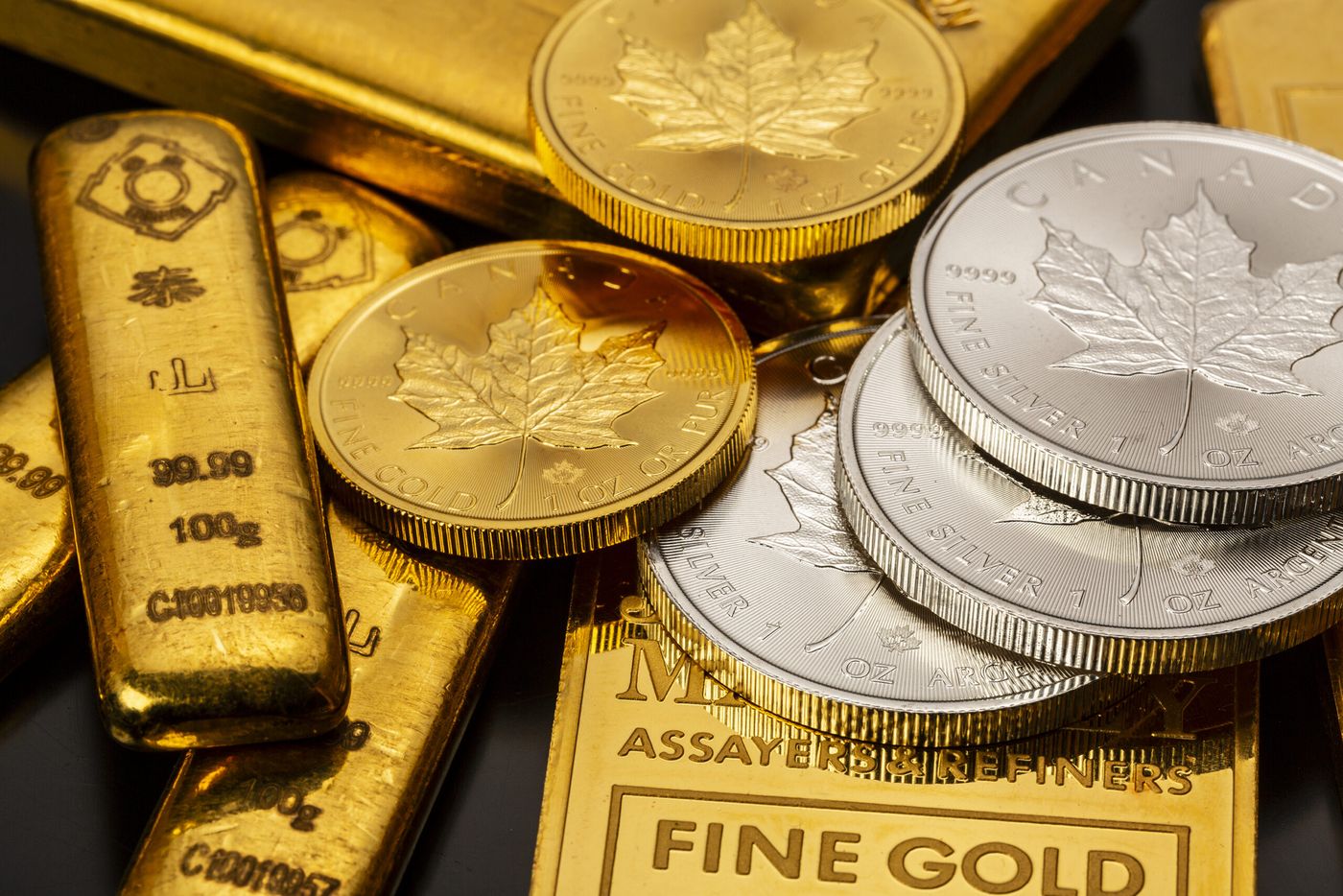
Physical gold bullion refers to refined gold in a tangible form, primarily coins, bars, and rounds, that is valued by its metal content and purity. These products are typically .999 fine gold or higher, meaning they are at least 99.9% pure. The price is primarily based on the live market spot price of gold, plus a premium that covers production, distribution, and dealer costs. Owning physical gold provides direct ownership of the asset, which appeals to investors focused on wealth preservation and tangible security.
Gold coins are often minted by government institutions, such as the Royal Canadian Mint's Gold Maple Leaf. These coins carry a face value as legal tender, though their market value is far higher due to their gold content. Sovereign coins like the Maple Leaf benefit from high liquidity and instant recognition, making them easier to buy and sell. The Royal Canadian Mint began incorporating DNA anti-counterfeiting technology into its one-ounce Gold Maple Leaf coins in 2014. This feature includes an encrypted registration code that can be authenticated with a special reader.
Gold bars are produced by both government mints and private refiners and are favoured by investors looking to purchase larger quantities. Bars often come with lower premiums over the spot price compared to coins, making them a cost-effective option for substantial investments. They are available in various sizes, from one ounce to one kilogram or larger. Gold rounds are similar to coins in size and shape but are produced by private mints. They typically carry decorative designs and offer a more affordable entry point for physical gold, though they lack the legal tender status of government-issued coins.
Where to Buy Physical Gold in Canada
Canadians can purchase physical gold from several types of established sellers. Local precious metals dealers operate in many major cities and are a primary source for bullion. These dealers offer a range of products and often provide the option for in-person inspection and pickup. It is important to choose a reputable dealer with a strong track record, transparent pricing, and positive customer reviews. The Royal Canadian Mint also endorses buying from registered dealers as one of the easiest ways to acquire bullion.
Several major Canadian banks offer gold bullion for sale to their customers. Institutions including RBC, TD, Scotiabank, CIBC, and BMO provide gold investment options. TD Bank, for example, allows customers to buy gold, silver, and platinum bullion online for delivery to their home or a local branch, or to store it securely with TD Secure Storage. Banks typically sell products like bars and coins at prices driven by market rates. Purchases from a bank may need to be funded from an existing deposit account in good standing.
Online bullion dealers provide a convenient nationwide shopping experience with secure delivery. These dealers maintain extensive inventories and often feature live pricing tied directly to the market. When buying online, investors should verify the dealer's security protocols, shipping insurance policies, and reputation. Regardless of the seller, key considerations include comparing the purchase price to the current spot price, understanding all fees, and ensuring the provider has clear processes for both buying and selling back the metal.
Non-Physical Gold Investment Options
For investors who prefer not to take physical possession of gold, several financial products offer exposure to its price movements. Gold exchange-traded funds (ETFs) are popular as they trade on stock exchanges like regular shares. These funds typically hold physical gold bullion in secure vaults on behalf of investors. ETFs provide high liquidity, allowing investors to buy and sell easily without the logistical concerns of storage and insurance. Some gold ETFs are also eligible to be held in registered accounts like TFSAs and RRSPs, though tax implications should be considered.
Precious metal certificates are another non-physical option offered by some financial institutions. TD Wealth, for instance, offers certificates that represent ownership of gold or silver without the investor taking possession of physical bars or coins. These certificates are available in electronic form and can be bought and sold through investment accounts. Investors may also gain exposure to gold through mining company stocks, mutual funds focused on the sector, or gold futures contracts. Each of these options carries different risk profiles and requires an understanding of the underlying markets beyond the simple price of gold.
Costs, Pricing, and Key Considerations
The price of gold is determined by global trading on precious metals exchanges, which operate 24 hours a day. The London Bullion Market Association (LBMA) sets a benchmark Gold Price twice daily, which is used by major market participants. When buying bullion, the cost to the investor is the current spot price plus a premium. This premium compensates the dealer or mint for production, distribution, and their business operations. Premiums can vary significantly. Bars generally have lower premiums than coins, and smaller denominations typically have higher premiums per ounce.
Beyond the purchase price, investors must account for additional fees. Dealers may charge a separate purchase fee, often a percentage of the investment amount. If the gold is being shipped, insured delivery costs will apply. For those opting for professional storage, such as a bank vault or third-party facility, annual storage fees will be incurred. When selling gold back to a dealer, there may also be selling fees or the dealer may buy at a price slightly below the spot price. It is crucial to understand all these potential costs before making a purchase to accurately assess the total investment.
Storage and security are major practical considerations for physical gold owners. Options include home storage, which carries risks of theft or loss, or professional storage solutions. Many dealers partner with secure vaulting companies to offer insured storage for client assets. TD Bank offers TD Secure Storage for precious metals purchases made through them, though this service is only available to TD customers. Proper storage ensures safety but adds an ongoing cost to the investment.

Steps to Buying Gold in Canada
The process of buying gold begins with thorough research and determining your investment goals. You should decide whether physical ownership or a financial product like an ETF better suits your strategy. Research reputable dealers or financial institutions, compare their pricing structures, and read reviews. It is also wise to educate yourself on the current factors influencing the gold market and the historical role of gold in portfolios. Never feel pressured by a provider making guarantees or overly optimistic promises about future performance.
Once you have chosen a seller, the next steps involve selecting the specific product and completing the transaction. For physical gold, you will choose between coins, bars, or rounds based on your budget, desired premium, and liquidity needs. When buying from a bank or online dealer, you will typically add items to an online cart, select a payment method, and choose delivery or storage options. Payment is often required from a Canadian bank account, and for in-branch purchases at a bank, your account must be open, in funds, and in good standing. After purchase, ensure you receive proper documentation, such as an assay certificate for bars, and arrange for secure storage if you are taking delivery.
- Research dealers, banks, or ETFs and set your investment goal.
- Compare prices against the live spot price and understand all premiums and fees.
- Select your gold product (e.g., coin, bar, ETF share).
- Choose a payment method and complete the purchase transaction.
- Decide on and arrange for secure storage or delivery.
- Keep all purchase documentation and receipts for insurance and future sale.
After acquiring gold, maintaining records is important for insurance purposes and for calculating capital gains when you eventually sell. If you store gold at home, you should inform your insurance provider. Periodically review your investment in the context of your overall portfolio and the economic environment. Should you decide to sell, you will typically contact the dealer or institution from which you bought, or use a brokerage account to sell ETF shares, and will be subject to the prevailing market price and any selling fees.
Tax Implications and Legal Considerations
In Canada, buying and holding physical gold bullion is generally not subject to sales tax like GST or HST. However, selling gold for a profit may trigger a capital gains tax liability. When you sell gold bullion, precious metal certificates, or ETF shares for more than your adjusted cost base, the profit is considered a capital gain. Fifty percent of that capital gain is included in your taxable income for the year. It is advisable to consult with a tax advisor to understand the specific tax treatment of your gold investments and to ensure proper reporting.
There are no federal limits on the amount of gold an individual can buy or own in Canada. Purchases can be made with Canadian or US dollars, depending on the dealer. When transporting large amounts of gold across international borders, you must declare the value to the Canada Border Services Agency. For investments held within registered accounts like a TFSA or RRSP, the growth is tax-sheltered, but the rules on holding physical gold in these accounts are restrictive. It is more common to hold gold ETFs or stocks within them. Always ensure that any gold you purchase, especially from private sellers, is authentic to avoid counterfeit products.
Frequently asked questions
Can I buy gold from my Canadian bank?
Yes, several major Canadian banks sell gold bullion. RBC, TD, Scotiabank, CIBC, and BMO offer gold investment options. TD Bank, for example, allows you to buy gold bars and coins online for delivery to your home or branch, or for storage in their secure vaults. Purchases typically must be made from an active personal deposit account with the institution.
How is the price of gold determined when I buy?
The base price is the live market spot price, which fluctuates based on global trading. On top of this, dealers add a premium to cover their costs and profit. The London Bullion Market Association (LBMA) sets a benchmark Gold Price twice daily, which major dealers reference. Your final cost will be the spot price plus the dealer's premium and any applicable taxes or shipping fees.
Do I pay tax when buying gold in Canada?
There is typically no sales tax (GST/HST) applied to the purchase of investment-grade gold bullion in Canada. However, if you later sell your gold for a profit, that capital gain is taxable. Fifty percent of the gain must be included in your annual taxable income. Different rules may apply to numismatic coins or gold held in different structures, so consulting a tax advisor is recommended.
What is a gold ETF and how does it work?
A gold exchange-traded fund (ETF) is a security that trades on a stock exchange and aims to track the price of gold. Most gold ETFs hold physical gold bullion in secure storage. Buying shares of a gold ETF gives you exposure to gold's price movements without needing to store physical metal. They offer high liquidity and can often be held in registered investment accounts like TFSAs and RRSPs.
What is the best type of gold to buy for beginners?
For beginners, government-minted gold coins like the Canadian Gold Maple Leaf are an excellent starting point. These coins are produced by the Royal Canadian Mint and are guaranteed to contain 31.1 grams of 99.99% pure gold, offering high liquidity and instant recognition. They are available in single ounces or smaller fractional sizes, though fractional coins tend to have higher premiums over the spot price. Gold coins are often more affordable than bars due to lower weight and can be easier to sell if you need to liquidate part of your investment. This makes them a practical and secure entry point for new investors looking to buy physical gold in Canada.
Should I store gold at home or in a vault?
The choice between home storage and professional vault storage depends on your security needs and the value of your holding. Home storage offers immediate access but carries significant risks of theft, loss, or damage, and may require a special rider on your home insurance policy. Professional storage solutions, such as TD Secure Storage or vaults partnered with dealers like Sprott Money, provide enhanced security, insurance, and peace of mind, though they involve ongoing fees. Many investors choose secure vaults to avoid these risks entirely. It is important to consider your personal risk tolerance, the logistical challenges of insurance, and your need for accessibility when deciding how to store physical gold bullion.
Sources and further reading
- Buy Gold Bullion, Coins & Bars sprottmoney.ca
- Precious Metals: Buy Gold, Silver & Platinum td.com
- Buying Bullion | The Royal Canadian Mint mint.ca
- Silver Prices and Rates canadagold.ca
- How to invest in gold in Canada: ETFs, bullion, and more wealthsimple.com
This article explains how things work and is not financial, tax or legal advice. Rules, limits and rates change, so check the current figures with the Canada Revenue Agency, your province or your financial institution before you act.