Health insurance in Canada is a combination of universal public coverage and supplementary private plans. While provincial health plans cover basic medical services like doctor visits and hospital care, many Canadians purchase private insurance to pay for expenses such as prescription drugs, dental care, and vision care. This private coverage helps bridge the gap between what is covered by government plans and what individuals pay out-of-pocket. Understanding how these systems work together is essential for managing personal healthcare costs.
The Structure of Health Coverage in Canada
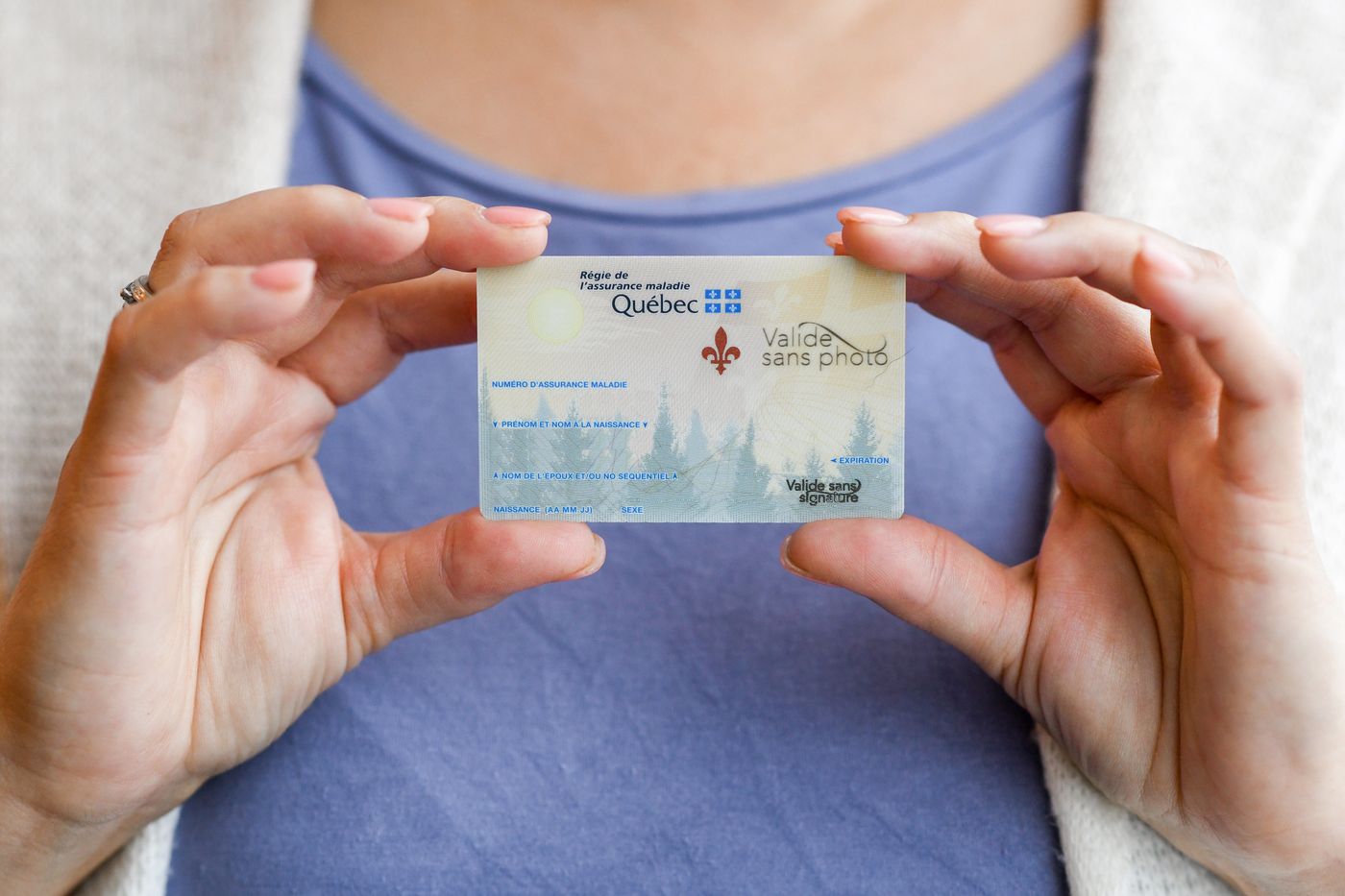
Canada's healthcare system is built on a foundation of provincial and territorial public health insurance plans. These plans are designed to cover medically necessary services provided by doctors and hospitals, ensuring all residents have access to basic care. Each province and territory administers its own plan, and while coverage details can vary, the core principle of universal access is consistent across the country. These public plans are funded through taxation and do not require monthly premiums from individuals at the point of service for covered care. However, they explicitly do not cover many common health expenses that fall outside hospital or physician services. This gap in coverage is where private health insurance becomes relevant for many Canadians seeking financial protection.
Private health insurance in Canada is offered by numerous providers, including Sun Life, Blue Cross, and GreenShield. These companies sell plans that help pay for costs not covered by provincial healthcare. Individuals usually pay a monthly fee, known as a premium, to obtain this insurance coverage. These plans can be purchased on a personal basis, obtained through group benefits provided by an employer, or selected as a retiree continuing coverage after leaving the workforce. The purpose of this private insurance is to provide a financial safety net for predictable and unpredictable health-related expenses beyond the public system's scope.
What Private Health Insurance Typically Covers
Private health insurance plans in Canada are designed to cover a wide range of services and products that provincial plans do not include. A primary focus is prescription medication coverage, which can include plans offering up to $250,000 in drug coverage. Dental care is another major component, with plans commonly covering routine cleanings, as well as more complex procedures like braces, dentures, and crowns. Vision care benefits typically include expenses for eye exams and corrective eyewear such as glasses and contact lenses. These core areas form the basis of most extended health care plans available to individuals and families.
Beyond prescriptions, dental, and vision, comprehensive private plans often extend to other health services. This can include coverage for paramedical practitioners like registered therapists, physiotherapists, and massage therapists. Many plans also offer benefits for medical equipment and supplies, such as casts and crutches. A significant optional add-on is emergency travel medical insurance, which provides coverage for illnesses or injuries that occur while outside an individual's home province or the country. It is important to note that this travel coverage is usually not available as a stand-alone product from providers offering integrated health plans but must be added to an existing health insurance policy.
- Prescription medications, with coverage limits varying by plan.
- Dental care for cleanings, fillings, crowns, and orthodontics.
- Vision care for examinations, glasses, and contact lenses.
- Paramedical services such as therapy, physiotherapy, and chiropractic care.
- Medical supplies and equipment like diabetic supplies or mobility aids.
- Optional emergency travel medical insurance for trips.
Understanding the Cost of Private Health Insurance
The cost of private health insurance in Canada varies significantly based on several key factors. For a single person, monthly premiums generally range from about $75 to $200. For families, the cost is typically between $150 and $400 or more per month. These are approximate figures for 2026 and serve as a starting point for understanding potential expenses. It is crucial to recognize that these are averages, and an individual's actual quote can sit higher or lower. The final premium is not a random number but is calculated by insurers based on the projected risk and expected cost of claims for the person or family being insured.
Several specific elements directly influence the monthly premium quoted by an insurance provider. The level of coverage chosen is usually the single biggest factor, with higher reimbursement percentages and annual maximums leading to higher costs. The age of the applicant has a major effect, as premiums start low for young adults and increase noticeably for individuals in their fifties and beyond. The number and age of people on the plan also move the price, with adding an adult costing more than adding a child. The type of plan selected changes both cost and value, as no-medical-question plans often cost more for lower coverage limits compared to plans that require health underwriting.
| Coverage Tier | Typical Monthly Premium (Single Adult) | Key Features |
|---|---|---|
| Basic | $75 - $100 | Core drug and emergency coverage, lower limits. |
| Standard | $100 - $150 | Added dental/vision, moderate reimbursement rates. |
| Comprehensive | $150 - $200+ | Higher maximums, paramedical, travel options. |
Eligibility and the Application Process
Eligibility for personal health insurance in Canada is generally broad, but specific rules can vary by provider and plan type. Most insurers require that applicants be covered by their provincial healthcare plan as a baseline condition. As long as this requirement is met, companies typically offer some form of coverage when an individual applies. This includes options for people with pre-existing medical conditions, though these conditions influence the plans available and the associated premiums. For instance, some providers offer a guaranteed acceptance plan that does not deny coverage based on health, but such plans may have different benefit structures or higher costs.
The application process usually involves completing a questionnaire about health history and personal details. Insurers use this information to calculate monthly premiums and determine which specific plans an applicant is eligible for. This questionnaire is typically short and does not require medical tests like bloodwork. For those leaving an employer-sponsored group benefits plan, some providers offer retiree or continuation plans designed to provide familiar protection with flexible options. It is important for applicants to accurately disclose pre-existing conditions, as this information is necessary for the insurer to properly assess the application and avoid future claim disputes.
Comparing Plans and Providers
With numerous providers and plan options available, comparing health insurance in Canada can be a complex task. Independent online platforms like CompareHealth exist to simplify this process. CompareHealth is a free platform that compares 92 personal health insurance plans from 12 providers across 9 provinces, excluding Quebec, Yukon, Northwest Territories, and Nunavut. The platform allows users to sort plans by benefits that matter most to them and provides pricing breakdowns. It focuses on comparing benefits users are more likely to claim, such as prescription drug coverage, dental, and vision care, while also showing details for less common benefits.
When using comparison tools, it is vital to verify details directly with the insurance provider before making a purchase decision. CompareHealth reviews information on insurer websites daily, but prices and coverage details can change. The platform does not sell insurance or act as a broker. Instead, it facilitates connections between users and licensed advisors or insurance providers. Users can obtain quotes for up to six people, including the primary applicant, a spouse, and up to four dependents, provided those dependents meet the insurer's definition, which often includes full-time students under age 25. Always cross-reference comparison data with the official policy documents from the chosen provider.

Special Considerations for Different Life Stages
Health insurance needs and options evolve through different stages of life. For students or young adults, coverage is often the cheapest, with premiums potentially as low as $50 to $100 per month. Many young adults may already be covered under a parent's plan or a student association policy, so checking existing coverage is a critical first step. Self-employed individuals pay premiums similar to anyone else of the same age and province, but they can often deduct these costs as a business expense, altering the net financial impact. Their need for robust coverage can be higher due to the lack of employer-sponsored group benefits.
For families with children, the adults' premiums drive most of the cost, with children adding a smaller amount. Many insurers cap the premium charge after the second child. The key decision for families is aligning the plan with actual anticipated expenses rather than simply seeking the lowest price. Retirees often face higher premiums, with a single retiree potentially paying $125 to $250 or more per month. However, after age 65, some provincial drug programs provide assistance, and some plans may adjust benefits, which can influence the overall cost and value. Specialized retiree plans are available to help bridge the gap after leaving workplace benefits.
Common Mistakes to Avoid When Choosing a Plan
One common mistake is focusing solely on the monthly premium without fully understanding the coverage details. A lower-cost plan may have significantly lower annual maximums or exclude key services, leaving large out-of-pocket expenses. It is essential to review the reimbursement percentages, annual and lifetime limits, and specific exclusions for each plan considered. Another frequent error is not accurately disclosing pre-existing conditions during the application. While some plans offer guaranteed acceptance, failing to provide complete health information can lead to denied claims later, even if coverage is not initially denied.
Overlooking the details of dependent coverage is another pitfall. Definitions of a dependent vary by provider, often requiring children to be under a certain age or enrolled as full-time students. Assuming all family members will be automatically covered under the same terms can lead to gaps in protection. Finally, many Canadians neglect to consider how their needs might change in the near future. Choosing a plan that is adequate only for current expenses may not provide sufficient coverage if health circumstances change. Evaluating plans with a medium-term perspective, rather than just for immediate costs, leads to more sustainable and protective coverage.
Frequently asked questions
How much does health insurance cost per month in Canada?
For a single person, private health insurance typically costs between $75 and $200 per month. For a family, monthly premiums generally range from $150 to $400 or more. These are approximate 2026 figures and vary based on age, province, coverage level, and the number of people insured. The final cost depends on the specific benefits selected, such as including dental, vision, or travel coverage.
What does health insurance in Canada cover?
Private health insurance in Canada covers expenses not included in provincial health plans. This commonly includes prescription medications, dental care like cleanings and crowns, and vision care for exams and eyewear. Many plans also cover paramedical services such as physiotherapy and registered therapists, along with medical supplies. Optional emergency travel medical insurance can often be added to cover illnesses or injuries outside your home province.
Can I get health insurance with a pre-existing condition?
Yes, you can generally obtain health insurance with a pre-existing condition. Many insurers offer coverage options for all applicants, including a guaranteed acceptance plan that does not deny coverage based on health. However, pre-existing conditions are used to calculate your monthly premiums and determine which specific plans you are eligible for. Full disclosure of your health history during application is required for proper assessment.
What is the difference between provincial and private health insurance?
Each province and territory in Canada has its own health insurance plan for basic medical services. Private health insurance is purchased separately to cover costs not included in these provincial plans. These costs can include prescription medications, dental care, and vision care. You pay a monthly premium, also known as a fee, to a private insurer for this supplementary coverage.
How can I compare different health insurance plans?
You can use independent online platforms like CompareHealth to compare personal health insurance plans from different providers. CompareHealth reviews plans from multiple insurance companies and allows you to compare benefits and coverage. It is important to verify all details and current pricing directly with the insurance provider before making a purchase. CompareHealth does not sell insurance or take commissions for sales.
Who needs private health insurance in Canada?
Private health insurance is valuable for anyone who wants financial help paying for healthcare costs not covered by their provincial plan. This includes self-employed individuals, retirees, people between jobs, and those whose employer does not offer group benefits. Families often seek it to cover children's dental and vision expenses. It is also important for anyone planning travel outside their home province who wants emergency medical coverage.
Sources and further reading
- Freedom to Choose™ health and dental insurance canadalife.com
- Blue Cross: Canada's Trusted Insurance bluecross.ca
- GreenShield: Integrated Health Coverage and Care greenshield.ca
- Compare Health Insurance Plans | CompareHealth comparehealth.ca
- How Much Does Health Insurance Cost in Canada? 2026 ... aeva.ca
This article explains how things work and is not financial, tax or legal advice. Rules, limits and rates change, so check the current figures with the Canada Revenue Agency, your province or your financial institution before you act.