In Canada, you are entitled to obtain your credit report from both national credit bureaus, Equifax and TransUnion, at no cost. This right is mandated by consumer reporting legislation and is a fundamental tool for managing your financial health. Accessing your report allows you to verify the accuracy of your credit history, spot potential errors or signs of identity theft, and understand how lenders view your creditworthiness. Regularly reviewing your credit report is a responsible financial practice for all Canadians.
Your Legal Right to a Free Credit Report
Canadian consumer reporting legislation grants every individual the right to access their personal credit report from both Equifax and TransUnion without paying a fee. This is not a promotional offer but a legal entitlement designed to promote transparency in the credit reporting system. You can request this free report once per year from each of the two credit bureaus. The purpose of this right is to allow you to review the information being reported about your financial behaviour, ensure its accuracy, and protect yourself from errors or fraud. Knowing what is in your credit report is the first step in understanding your overall credit health and how potential lenders may assess you.
The free credit report contains your personal identification details, a comprehensive history of your credit accounts, your payment patterns, and any public records that affect your credit such as bankruptcies or tax liens. It does not, however, include your credit score as part of the basic free offering from TransUnion, though Equifax provides a score online for free. It is important to distinguish between the credit report, which is the raw data, and the credit score, which is a numerical summary of that data. Regularly checking your report is considered a best practice, with some advisors suggesting a review more frequently than once a year to promptly catch any discrepancies. Your credit report is like a financial report card that creditors use when assessing your creditworthiness.
How to Request Your Free Report from Equifax and TransUnion
There are three primary methods to obtain your free credit report directly from the bureaus: online, by telephone, or through traditional mail. Each bureau has its own process, but the core requirement is verifying your identity through security questions based on your credit file. The online method is generally the fastest, where you answer a series of questions to confirm your identity before gaining immediate access to view or download your report. If the information you provide does not perfectly match what the bureau has on file, the online request may not be processed, and you should try an alternative method. This mismatch does not mean there is anything wrong with your credit, it simply indicates a discrepancy in the stored data.
You can also request your report by calling the bureaus' toll-free numbers, such as Equifax at 1-800-465-7166. This automated phone system will guide you through identity verification questions, after which your report will be mailed to you, typically arriving within three weeks. The third option is to download a specific request form from either the Equifax or TransUnion website, complete it, and mail it to the bureau's address. Once received, they will mail your credit report back to you at no charge. Whichever method you choose, the mailed report will include explanatory notes to help you understand the contents and instructions on how to dispute any information you believe is incorrect. The mailed report also has some personal details hidden for privacy, though it retains enough information for you to conduct a thorough review.
- Online: Visit the Equifax or TransUnion website and follow the steps for a free report.
- By Phone: Call Equifax at 1-800-465-7166 or TransUnion at their dedicated number for an automated request.
- By Mail: Download, complete, and mail the official Credit Report Request Form available on bureau websites.
- In-Person: You can also receive your report by visiting a bureau office in person, which is another direct method.
Scotiabank provides its customers with information on how to obtain a free credit report from Equifax Canada by mail. Customers can download and mail a Credit Report Request Form to Equifax. All communications with the credit bureaus are confidential. Your bank does not receive copies of your report or score from these direct requests. The Government of Canada offers a guide called Understanding Your Credit Report and Credit Score. This guide contains useful information on how the credit system works in Canada.
Understanding Credit Scores and Free Access Options
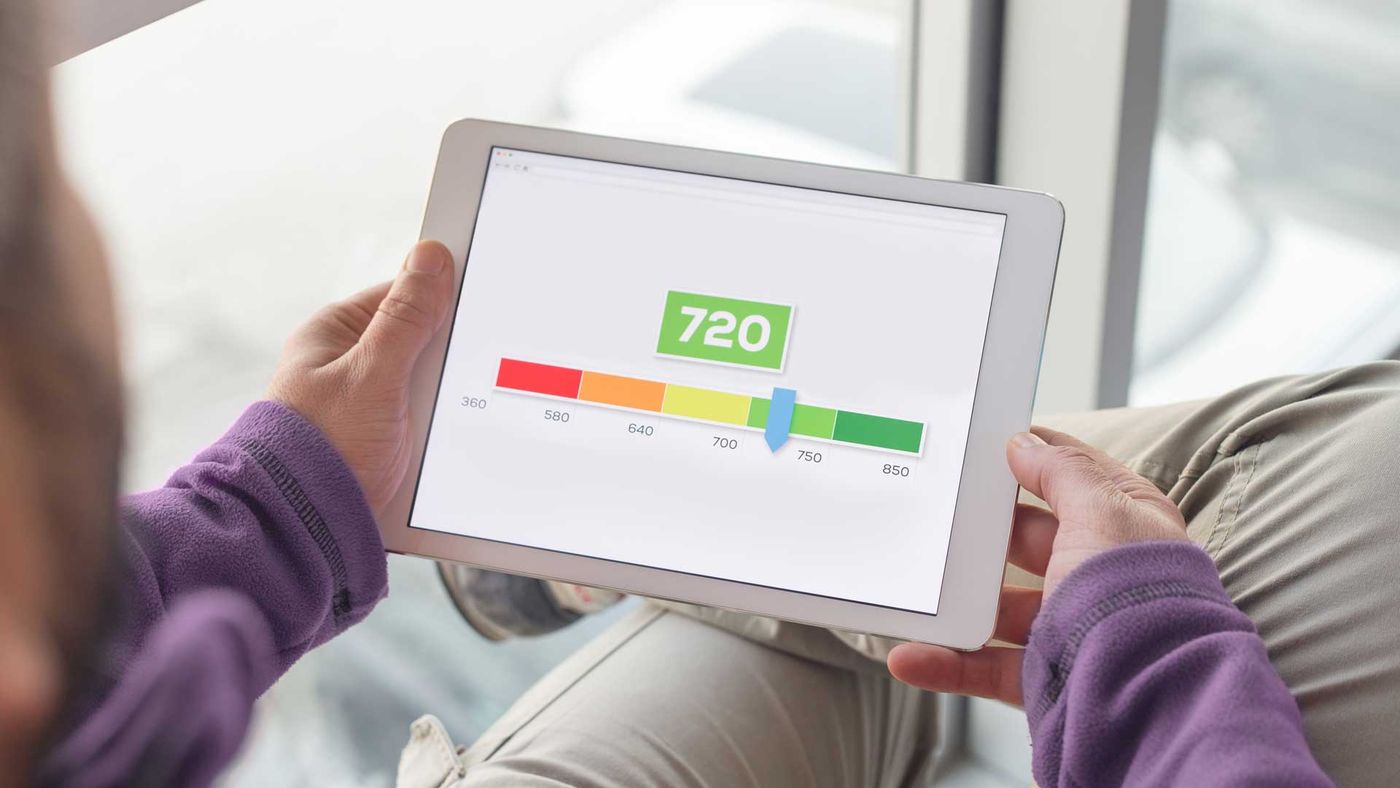
While your credit report is available for free, your credit score is a separate numeric figure that represents your credit risk at a specific point in time. In Canada, credit scores range from 300 to 900, with a higher score indicating lower risk to lenders. Equifax provides an estimate of your credit score online for free as part of its consumer disclosure. TransUnion, however, charges a fee for access to a credit score estimate through its direct services, though it provides the score for free as part of the Consumer Disclosure for residents of Quebec and Ontario. This provincial distinction is a key detail for Canadians to understand when seeking their score.
It is crucial to understand that the score provided directly to you by the bureaus is for educational purposes and may use a different algorithm than the scores provided to lenders. Your real credit score used by banks can vary, as third parties may use a different score when evaluating your creditworthiness. Factors that influence your score include your payment history, amounts owed, length of credit history, new credit applications, and types of credit used. Checking your own credit score, whether through a bureau or a third-party service, is considered a soft inquiry and does not negatively impact your score. The credit reporting agencies also assign a credit rating on a scale of 1 to 9, where a rating of 1 means you pay bills within 30 days and a rating of 9 can mean you never pay your bills.
The R rating is another component included in your credit file, assigned by lenders based on your borrowing history and ranging from R1, the best, to R9, the worst. A very good to excellent credit score in Canada is any score between 725 and 900, and having a score in this range can help you qualify for financial products at lower interest rates. Your credit score is not established by the government or financial institutions but by your own financial behaviour, such as paying bills on time or repaying loans. The easiest way to establish a good credit rating is to pay your bills on time and use credit responsibly, which will have a positive impact on your ability to borrow in the future.
Free Third-Party Services and Bank Offerings
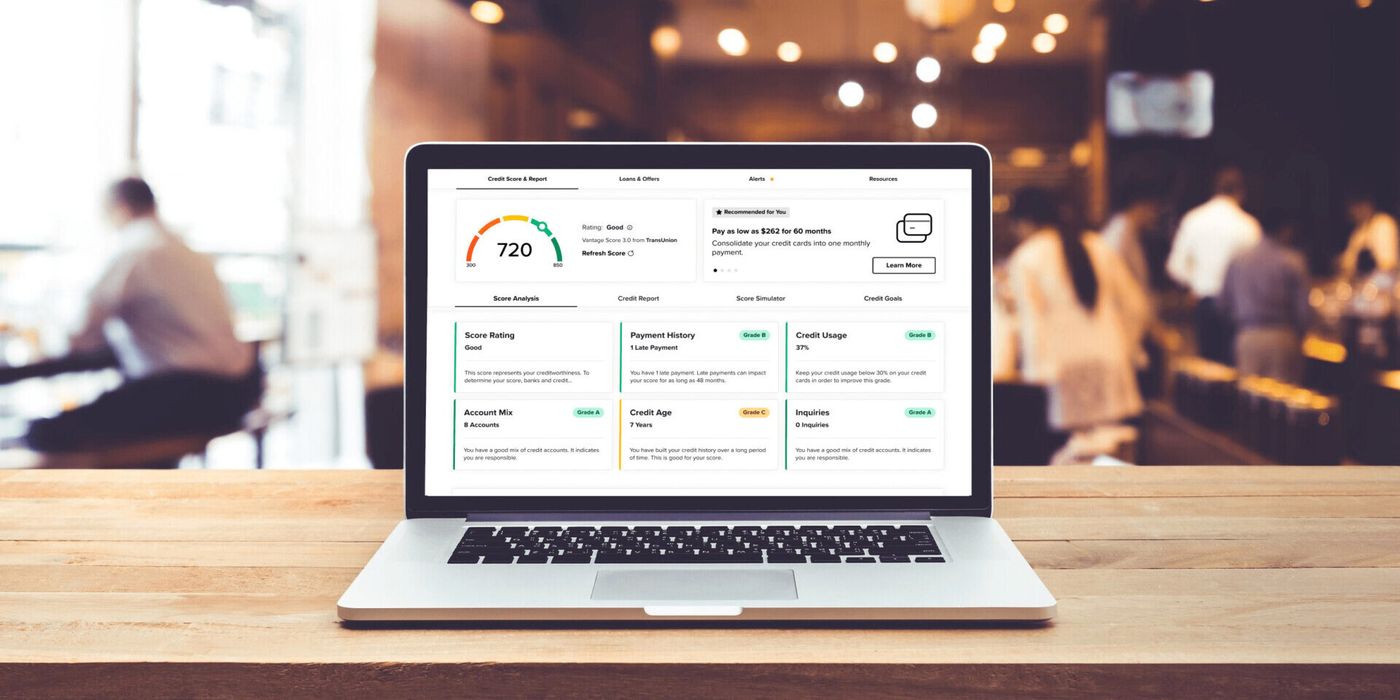
Beyond the direct bureau methods, several free services partner with credit bureaus to provide your report and score. Borrowell offers free access to your Equifax Canada credit score and report, with weekly updates on changes, and does not require a Social Insurance Number or credit card to sign up. Borrowell also provides personalized credit tips and tools, and can match you with financial products from over 75 partners based on your credit profile. Intuit Credit Karma Canada provides free credit scores and reports, along with credit monitoring and educational articles. ClearScore also offers free ongoing access to your credit score and report for Canadians without requiring a credit card and with no impact to your credit score during sign-up.
Some Canadian financial institutions provide complimentary credit score access to their clients. For example, CIBC clients can check their credit score and review their credit report using the Check Credit Score Service through the CreditView Dashboard in CIBC Online Banking or the CIBC Mobile Banking App. This service is provided by TransUnion. These third-party and bank services are useful for more frequent monitoring, but the foundational free annual report from Equifax and TransUnion remains a guaranteed right for all. Using these services can help you track your credit score changes, flag errors, and spot fraudulent activity more regularly than the annual check. Checking your credit score through these services can help you make informed financial decisions and be alerted to any potential issues keeping your score down.
Provincial Differences and Consumer Disclosures
While the free annual credit report is a nationwide right, there are specific provincial rules regarding credit scores. TransUnion offers a Consumer Disclosure package that includes both your credit report and credit score at no charge, but this is only mandated for residents of Quebec and Ontario. For Canadians in other provinces and territories, TransUnion charges for access to a credit score, though the report itself remains free. Equifax provides free online access to both the report and a score for consumers across all provinces and territories as required by legislation.
This provincial distinction stems from regional consumer protection laws that may impose additional requirements on credit reporting agencies. Regardless of where you live, you retain the right to your free credit report from both bureaus. If you encounter difficulties with the online verification system, it does not indicate a problem with your credit file but may simply be a mismatch of stored information. In such cases, using the mail or phone request methods is recommended. The Government of Canada provides a guide called Understanding Your Credit Report and Credit Score which offers further details on how the credit system works nationally and how long different things stay on your report.

Correcting Errors and Protecting Against Identity Theft
One of the most important reasons to check your credit report is to identify and correct any inaccuracies. Errors can include incorrect personal information, accounts that do not belong to you, outdated negative information, or payments incorrectly reported as late. If you find an error on your Equifax credit report, you can ask Equifax to correct it at no charge. The same dispute process applies to TransUnion. The bureau is obligated to investigate your dispute, typically within 30 days, and correct any verified inaccuracies. This process is a critical consumer protection mechanism within the credit reporting system.
Regular monitoring of your credit report is also one of the best ways to detect signs of identity theft early, such as new credit accounts you did not open. Services like Equifax Credit Watch monitor your report and alert you to certain key changes, but you can perform this monitoring yourself by obtaining your free reports periodically. Protecting your credit rating involves proactive review, as negative information like bankruptcies or judgements can stay on your report for several years and significantly impact your ability to obtain new credit. Monitoring your credit for changes helps ensure the accuracy of what is being reported about you and allows you to act before serious damage is done from identity theft. Identity theft insurance is offered with some paid Equifax products, but for residents of Quebec this feature is not available for new product purchases.
Paid Services and Subscription Details
Both Equifax and TransUnion offer a range of paid subscription products that go beyond the free annual report. These may include ongoing credit monitoring with real-time alerts, identity theft insurance, and more frequent access to your credit score and report. For example, Equifax Complete Premier is a paid monthly subscription that includes features like credit monitoring and identity theft insurance, though this insurance feature is not available for new product purchases by residents of Quebec. Equifax also offers Equifax Complete Friends and Family for two adults at a cost of $34.95, which includes the same features as the Premier plan.
Paid services often provide convenience, such as online access to your report any time for a 30-day period after a one-time fee, or family plans that cover multiple adults. It is important to review the terms, conditions, and exclusions of any paid product, as they are subscriptions that will renew automatically unless cancelled. You may cancel a paid Equifax subscription at any time, but partial month refunds are not provided. Only one discounted product is available in a 180-day period for Equifax web offers. The free annual report remains the basic consumer access, ensuring everyone can oversee their credit information without cost, while paid services offer additional features for those who want them.
| Service Type | Key Features | Cost Consideration |
|---|---|---|
| Free Annual Report | Basic credit report from each bureau once per year | No charge, legal right |
| Free Third-Party (e.g., Borrowell) | Equifax score & report, weekly updates, product matching | Free, supported by partners |
| Paid Subscription (e.g., Equifax Complete) | Credit monitoring, identity theft insurance, frequent access | Monthly fee, auto-renewal |
| Bank-Provided (e.g., CIBC CreditView) | TransUnion score & report for clients | Free for bank customers |
When you sign up for a paid Equifax product, your payment information is taken immediately and charged the sale price, followed by the full subscription price each month you continue. Your data for these services is stored in the United States by Equifax Consumer Services LLC, an affiliate of Equifax Canada. Under certain circumstances, access to your Equifax credit report through these paid products may not be available, and if a remedy is not available, the subscription will be cancelled with a full refund. The Equifax credit report provided under these offers is an Equifax Canada credit report, which is proprietary to and based on information maintained by Equifax Canada.
Frequently asked questions
How often can I get a free credit report in Canada?
You are entitled to request one free credit report per year from each of the two national credit bureaus, Equifax and TransUnion. This is a legal right under Canadian consumer reporting legislation. Many advisors suggest checking your report more frequently, even monthly, to monitor for errors or fraud, but the guaranteed no-cost access is once annually from each bureau. Some free third-party services allow for more regular checks without affecting this annual entitlement.
Is my credit score included in the free credit report?
Equifax provides an estimate of your credit score online for free alongside your report. TransUnion, however, generally charges a fee for a credit score, except for residents of Quebec and Ontario, who receive it for free as part of their Consumer Disclosure. The scores provided directly to consumers are for educational purposes and may differ from the scores used by lenders. You can also get free score estimates from third-party services like Borrowell or Intuit Credit Karma.
Can I get my free credit report if I live in Quebec or Ontario?
Yes, you can get a free credit report in all provinces and territories from Equifax. TransUnion provides a free credit report if you live in Quebec or Ontario as part of your Consumer Disclosure. Both Equifax and TransUnion let you request a free copy of your credit report. You can access your credit reports from both credit bureaus online for free.
What is the difference between Equifax and TransUnion?
Equifax and TransUnion are the two national credit reporting agencies in Canada. They independently collect financial information about consumers to create credit reports. Creditors may report information to one bureau and not the other, so the details on your Equifax report and TransUnion report can differ. It is advisable to check both reports annually to ensure complete accuracy. Both bureaus use a credit score scale from 300 to 900.
Does checking my own credit report hurt my credit score?
No, checking your own credit report does not hurt your credit score. Checking your own score is considered a soft inquiry. This applies when you get your report directly from Equifax or TransUnion. It also applies when you use a free third party service like Borrowell or Intuit Credit Karma.
What should I do if I find an error on my credit report?
If you find inaccurate information on your credit report, you can dispute it with the relevant credit bureau at no charge. Both Equifax and TransUnion have formal processes to investigate disputes. You should contact the bureau directly, provide details of the error, and they are required to investigate, typically within 30 days, and correct any verified inaccuracies. The Government of Canada guide also offers information on this process.
Sources and further reading
- Consumer Credit Report | Equifax CA equifax.ca
- Free Credit Report in Canada: 3 Ways to Get Yours | CCS nomoredebts.org
- How to check your credit report and credit score cibc.com
- Check Your Free Credit Score in Canada borrowell.com
- Credit bureau reports | Scotiabank Canada scotiabank.com
This article explains how things work and is not financial, tax or legal advice. Rules, limits and rates change, so check the current figures with the Canada Revenue Agency, your province or your financial institution before you act.