In Canada, you are entitled to access your credit report from both major credit bureaus, Equifax and TransUnion, at no charge. This is a legal right under consumer reporting legislation. You can obtain your report online, by phone, or by mail without paying any fees. Regularly checking your credit report is crucial for monitoring your financial health, spotting errors, and detecting potential fraud.
Your Legal Right to a Free Credit Report
Canadian consumer reporting legislation mandates that individuals can access their own credit report from national credit bureaus without cost. The two main credit reporting agencies in Canada are Equifax and TransUnion. Both are required to provide you with a copy of your credit report upon request through specified free channels. This report is a detailed record of your credit history, including accounts, payment history, and inquiries. It does not inherently include your credit score, which is a separate numerical summary of your creditworthiness. The purpose of this free access is to promote transparency and allow consumers to verify the accuracy of the information that lenders use to make decisions. This right is foundational to consumer protection in the Canadian financial system.
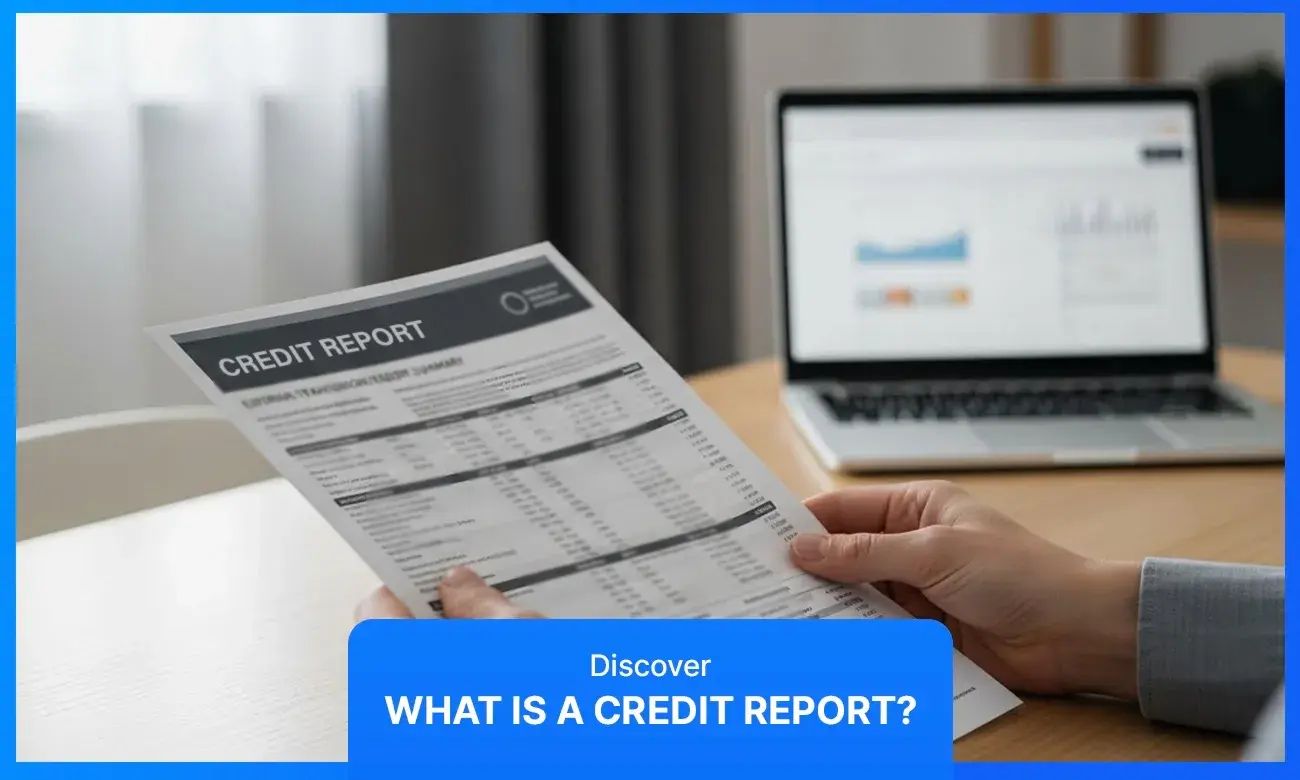
Three Official Methods to Request Your Free Report
There are three primary methods endorsed by the credit bureaus to obtain your free credit report. The first and often fastest method is to request your report online directly through the Equifax or TransUnion websites. You will need to answer security questions to verify your identity. The second method is to call the bureaus' toll-free numbers and complete an automated identity verification process over the phone. If successful, your report will be mailed to you. The third method involves filling out a paper request form available from each bureau's website and mailing it to their specified address. This mailed request also results in your report being sent to you by postal mail.
If your information does not match exactly what the bureau has on file during an online or phone request, the process may not be completed. This does not indicate a problem with your credit but may require you to use the mail-in option. When your report arrives by mail, it includes explanatory notes to help you understand the information presented. It will also provide instructions on how to dispute any errors you may find on the report. The mailed report typically takes up to three weeks to arrive after your request is processed.
- Online: Request directly via Equifax or TransUnion websites. Immediate access if identity is verified.
- By Phone: Call Equifax at 1-800-465-7166 or TransUnion at 1-800-663-9980. Automated system leads to mailed report.
- By Mail: Complete and send a request form to the bureau's mailing address. Report is returned by post.
- Security Requirement: All methods require identity verification using personal information.
Understanding Credit Scores Versus Credit Reports
A credit report is a detailed history, while a credit score is a three-digit number derived from that history. Credit scores in Canada typically range from 300 to 900, with a higher score indicating lower risk to lenders. The score is calculated using factors from your credit report, including payment history, credit utilization, length of credit history, types of credit, and recent inquiries. It is important to note that you do not have just one universal credit score. Different companies use different scoring models, and lenders may use scores that are not directly provided to consumers. The score provided to you is for educational purposes.
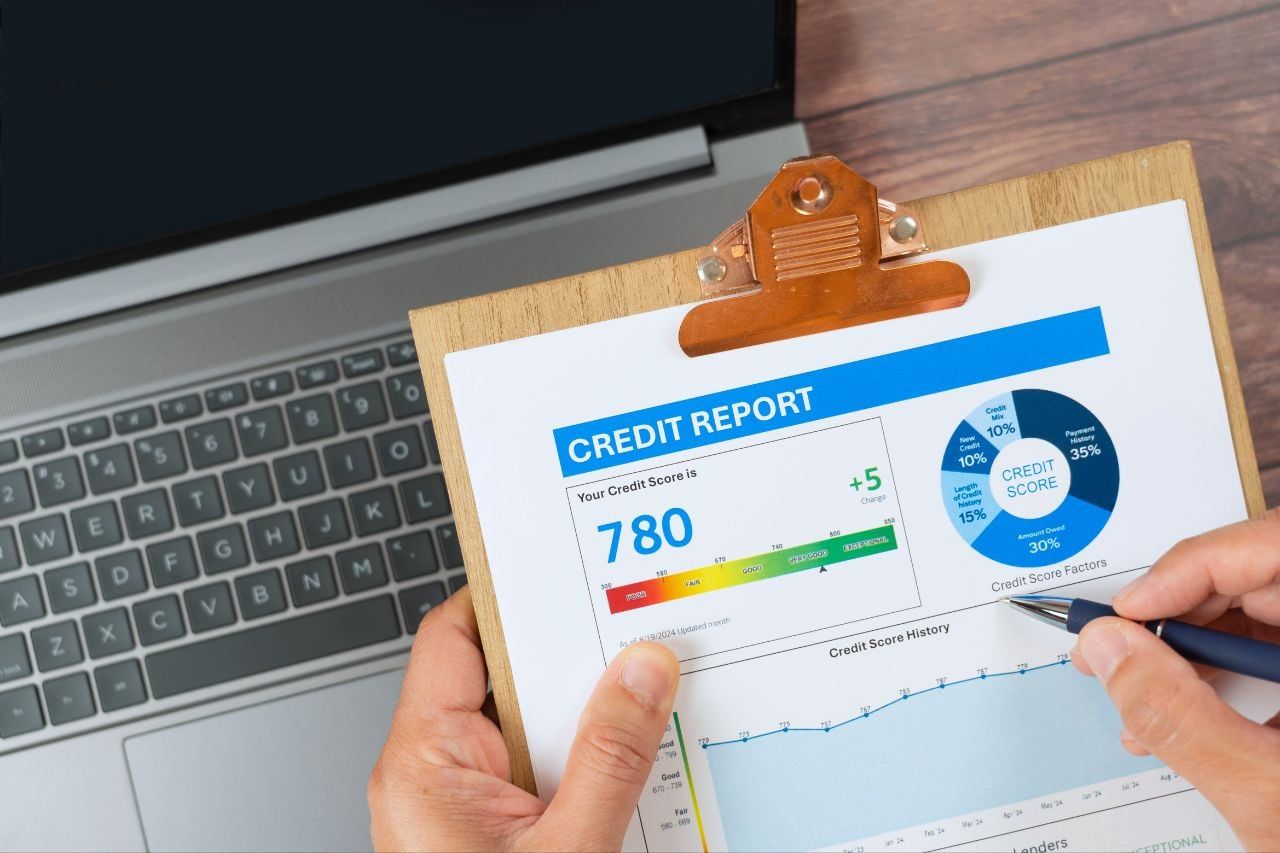
Equifax provides an estimate of your credit score for free online. TransUnion, however, generally charges a fee for access to a score estimate through its direct services. The scores provided directly to you by the bureaus are for educational purposes and may differ from the scores a lender sees. Your real credit score used by a financial institution might be disclosed to you when you apply for credit, such as a loan or credit card. A very good to excellent credit score in Canada is generally considered to be between 725 and 900. The core factors that make up your Equifax credit score, as provided by services like Borrowell, are weighted according to their impact on your overall risk assessment.
Free Credit Score Services from Banks and Third Parties
Several major Canadian financial institutions and third-party services offer free credit score monitoring as a benefit to their clients. These services provide regular access to your score without a hard inquiry that affects your credit. CIBC clients can check their TransUnion credit score through the CreditView Dashboard in online or mobile banking. Scotiabank customers have access to a TransUnion Credit Score tool through their online banking. TD Canada Trust offers the TransUnion CreditView Dashboard for free within the TD app. These bank services are provided at no additional charge and checking your score through them does not impact your credit.
Third-party companies like Borrowell and Intuit Credit Karma Canada also provide free credit scores and reports. Borrowell provides your Equifax Canada credit score and report, with weekly updates and credit monitoring. These services are funded through product recommendations and partnerships with lenders. They use a soft inquiry to access your data, which does not impact your credit score. It is advisable to check your credit report from both Equifax and TransUnion, as the information each bureau holds can differ. Some creditors may report to only one bureau, meaning one report could contain details the other does not.
When using these services, be aware of their business models. Borrowell, for example, automatically matches users with financial products from over 75 partners based on their credit profile. These services also provide personalized credit tips and insights into why your score changes. The Equifax credit report provided through such third-party platforms is proprietary to Equifax Canada, but your data may be stored in the United States by an affiliate company.
Key Information Found on Your Credit Report
Your credit report contains several distinct sections of personal and financial information. The personal information section includes your name, current and previous addresses, date of birth, and Social Insurance Number. The credit history section details your active and closed credit accounts, such as credit cards, loans, and mortgages, including their opening dates, credit limits, balances, and payment history. This section also includes your credit rating, which lenders assign on a scale. For example, an R1 rating means you pay within 30 days of the due date, while an R9 indicates a bad debt or bankruptcy. An R rating is assigned by lenders based on your history.
The report also lists inquiries, showing which companies have requested your credit information. Hard inquiries occur when you apply for credit and can affect your score, while soft inquiries, like your own checks, do not. Public records, such as bankruptcies or court judgments, may also appear. Collections accounts from past-due debts sent to a collection agency are recorded here. Reviewing each section carefully helps you ensure all information is accurate and up to date. The report may also include a list of parties authorized to access your information. Understanding each component is key to managing your credit health effectively.

How Credit Scores Are Calculated and Used
Credit scores are calculated based on five key factors from your credit report, each contributing a specific percentage to the overall score. Your payment history is the most significant factor, reflecting whether you pay bills on time. Credit utilization, which is the amount of credit you use compared to your limits, is another major component. The length of your credit history, the mix of different types of credit you have, and recent applications for new credit also influence your score. Lenders use this score to predict how likely you are to pay back credit, which affects your approval odds and interest rates.
A good credit score can help you qualify for credit cards, loans, and mortgages at lower interest rates. Landlords, insurers, cell phone companies, and potential employers may also check your credit to assess financial responsibility. TransUnion recommends specific actions to improve your score, such as paying bills on time and using less than 35 percent of your available credit. It is important to remember that your credit score is only one part of your financial profile that lenders consider. They also review the detailed information in your credit file and the specifics of your application.
| Factor | General Impact on Score |
|---|---|
| Payment History | Highest impact. Records on-time and late payments. |
| Credit Utilization | High impact. Ratio of used credit to total limits. |
| Length of Credit History | Moderate impact. Age of your oldest account. |
| Credit Mix | Moderate impact. Variety of account types. |
| New Credit Inquiries | Lower impact. Number of recent applications. |
Common Errors and the Formal Dispute Process
Errors on your credit report are not uncommon and can negatively impact your credit score and borrowing ability. Common mistakes include incorrect personal information, accounts that do not belong to you, outdated account statuses, duplicate accounts, and inaccurate payment histories showing late payments you made on time. Fraudulent accounts opened in your name without your knowledge are a serious error that must be addressed immediately. It is recommended to check your credit report at least annually, though monthly checks are a best practice for early error detection. Borrowell, for instance, allows you to receive weekly credit report updates.
If you find an error, you must file a dispute directly with the credit bureau that issued the report. Both Equifax and TransUnion have formal dispute resolution processes available online or by mail. You will need to provide documentation supporting your claim, such as account statements or payment confirmations. The bureau is required to investigate your dispute, typically within 30 days, and correct any verified inaccuracies. You should also contact the creditor or lender that reported the incorrect information to ensure they update their records. Keeping records of all your dispute communications is crucial. The mailed credit report includes instructions on how to proceed if you spot a mistake.
Provincial Considerations and Identity Protection
While federal legislation governs credit reporting, some provincial nuances exist, particularly regarding consumer protection services. For instance, identity theft insurance offered as part of some paid credit monitoring products is not available for new purchases by residents of Quebec due to provincial regulations. However, Quebec residents redeeming a product code may still have the feature included. All consumers, regardless of province, have the same fundamental right to a free credit report from the two national bureaus. The Government of Canada provides a comprehensive guide called Understanding Your Credit Report and Credit Score as a resource.
When using free online services, be aware that your data may be stored outside of Canada. For example, data accessed through the myEquifax platform may be stored in the United States by an Equifax affiliate. Protecting your personal information is vital, as your credit report contains sensitive data. When you receive your report by mail, some personal details are masked to prevent identity theft if the document is lost or stolen. Paid products like Equifax Complete Premier come with terms and conditions, including cancellation policies that do not provide partial month refunds. It is important to review all terms before enrolling in any paid service.
Frequently asked questions
Is checking my own credit score free in Canada?
Yes, you can check your own credit score for free through several channels. Equifax provides a free credit score estimate online. Many banks, like CIBC, Scotiabank, and TD, offer free credit scores to their clients through online banking tools. Third-party services like Borrowell and Intuit Credit Karma Canada also provide free credit scores and reports without requiring a credit card or Social Insurance Number. These services use soft inquiries that do not affect your score.
Does checking my credit report lower my score?
No, checking your own credit report or score does not lower your credit score. When you request your own report directly from a bureau or through an authorized free service, it is recorded as a soft inquiry. Soft inquiries are only visible to you and do not impact your credit score. Only hard inquiries, which occur when a lender checks your credit after you apply for a loan or credit card, can affect your score. Banks explicitly state that using their credit score tools has zero impact.
How often can I get a free credit report?
You can request a free credit report from both Equifax and TransUnion at any time through their official free channels. There is no legislated limit to once per year. You can access your report online, by phone, or by mail whenever you wish. Services like Borrowell provide weekly updates to your credit report. Regular monitoring, even monthly, is recommended by financial experts to promptly catch errors or signs of fraud.
What is the difference between Equifax and TransUnion?
Equifax and TransUnion are the two national credit reporting agencies in Canada. They are separate companies that collect similar financial information, but creditors may not report to both. Therefore, the details on your Equifax credit report and your TransUnion credit report can differ. It is important to check both reports to get a complete picture of your credit history. Additionally, Equifax offers a free score estimate online, while TransUnion typically charges for direct score access.
Can I get my credit report if I have no credit history?
Yes, you can still request your credit report even if you have no established credit history. The credit bureaus will still have a file for you containing your basic personal information. Your report may show no credit accounts or payment history, which is common for newcomers to Canada or young adults. Requesting the report is a good first step in understanding how to begin building credit, such as by applying for a first credit card and using it responsibly.
What should I do if I find a mistake on my credit report?
If you find an error, you should dispute it directly with the credit bureau that issued the report. Both Equifax and TransUnion have formal dispute processes available on their websites or by mail. You will need to provide supporting documents. The bureau must investigate and correct any inaccuracies, typically within 30 days. You should also contact the lender that reported the incorrect information to have them correct it at the source. The mailed credit report includes instructions for this process.
Sources and further reading
- Consumer Credit Report | Equifax CA equifax.ca
- Free Credit Report in Canada: 3 Ways to Get Yours | CCS nomoredebts.org
- Check Your Free Credit Score in Canada borrowell.com
- How to check your credit report and credit score cibc.com
- How to check your credit score online scotiabank.com
This article explains how things work and is not financial, tax or legal advice. Rules, limits and rates change, so check the current figures with the Canada Revenue Agency, your province or your financial institution before you act.