A credit score in Canada is a three-digit number that represents your creditworthiness, ranging from a low of 300 to a high of 900. Lenders use this score to assess the risk of lending you money, influencing everything from loan approvals to the interest rates you receive. A score of 660 or higher is generally considered good, while scores above 760 are rated as excellent. Understanding where your score falls within these ranges is crucial for managing your financial health and accessing credit on favourable terms.
Understanding the Canadian Credit Score Scale
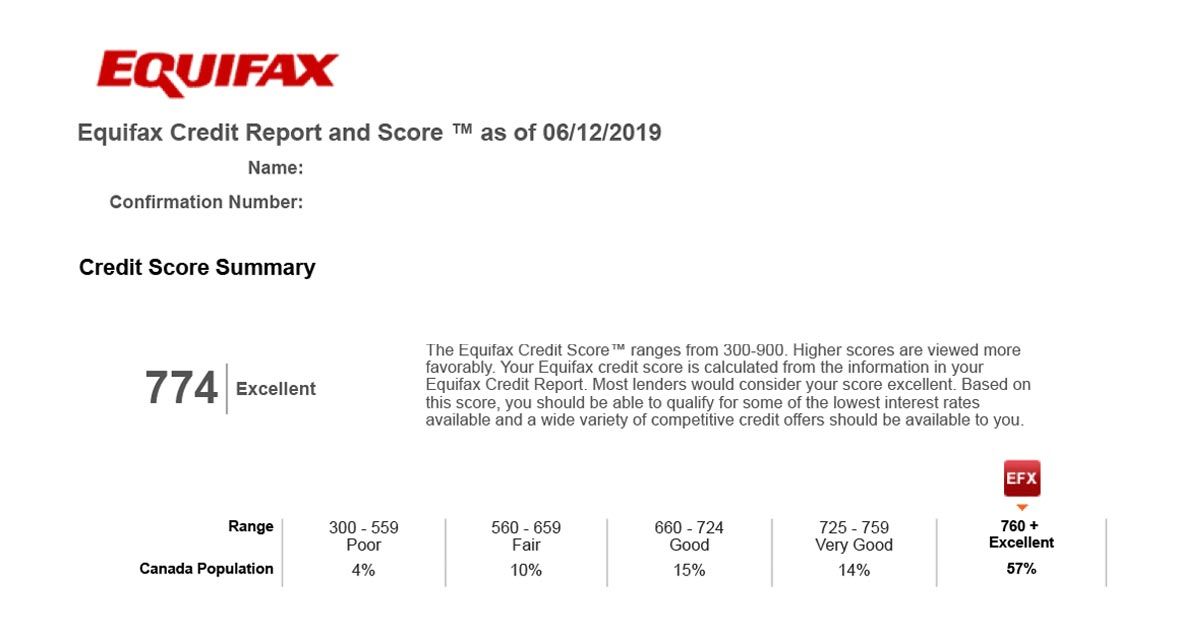
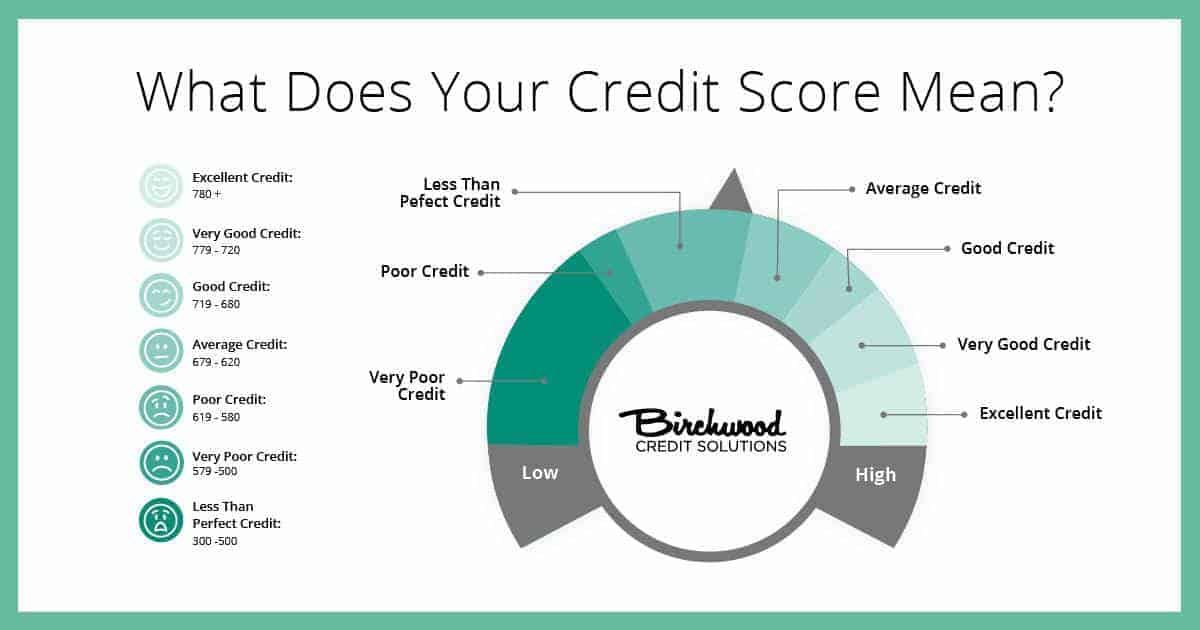
The standard credit score scale in Canada runs from 300 to 900, with 900 being a perfect score. This numerical range is used by lenders to quickly gauge a borrower's reliability. The scale is commonly divided into five descriptive categories that help interpret the number. A score between 300 and 559 is considered poor, which makes obtaining new credit very difficult and often results in high interest rates. Scores from 560 to 659 are classified as fair, where approval is possible but usually with less favourable terms and higher costs.
A credit score from 660 to 724 is widely regarded as good, meeting the threshold most lenders look for when approving standard credit products. The next tier, from 725 to 759, is considered very good and typically qualifies borrowers for more competitive interest rates. The highest category is excellent, covering scores from 760 to 900. Individuals in this range are seen as very low risk and are most likely to receive the best available interest rates and loan terms. It is important to note that these ranges are general guidelines and specific lender criteria can vary.
Reaching an excellent credit score is a common goal, but achieving a perfect 900 is relatively rare and not necessary for optimal credit access. In general, any score above 660 puts you in a strong position with most Canadian lenders for products like credit cards, personal loans, and mortgages. The exact definition of a good score can vary by lender, product, or even which credit bureau they check, meaning one institution's good might be another's average. Ultimately, a good credit score is one that helps you achieve your specific financial goals, whether that is securing a mortgage, renting an apartment, or obtaining a low-interest loan.
How Credit Scores Are Calculated
Your credit score is not a random number but is calculated by credit bureaus using specific information from your credit report. The calculation is based on five key factors, each with a different level of importance. Payment history is the single most significant factor, accounting for whether you pay your bills on time for credit cards, loans, and other debts. Late payments, missed payments, and defaults can severely damage your score and remain on your report for several years. Even one late payment can leave a negative mark that affects your score.
The amount you owe, particularly your credit utilization ratio, is the second most critical factor. This ratio measures how much of your available credit you are using, and keeping it below 30 percent is generally advised. For example, using $4,000 of a $20,000 credit limit represents a 20 percent utilization ratio, which is viewed positively. In contrast, using $18,000 of that same $20,000 limit is a 90 percent ratio, which signals to lenders that you are overly reliant on credit and may be struggling to manage debt.
The length of your credit history also matters, as a longer track record of responsible credit use is viewed positively by lenders. This factor considers the age of your oldest account and the average age of all your accounts. The types of credit you use, such as a mix of installment loans and revolving credit, can have a slight positive impact on your score. Finally, new credit applications result in hard inquiries on your report, and too many in a short period can lower your score as it may signal financial stress. Each hard inquiry from applying for credit cards, loans, or mortgages is recorded and can remain on your report.
- Payment History: The record of your on-time or late payments for all consumer debt, including credit cards, lines of credit, student loans, car loans, and cell phone contracts.
- Amounts Owed: Your total debt and credit utilization ratio, which is the amount of credit you're using compared to your total available limits.
- Length of Credit History: How long your accounts have been open and established. A long history builds trust with creditors.
- New Credit: The number of recent hard inquiries and newly opened accounts. Frequent applications can be a red flag.
- Credit Mix: The variety of credit types in your history, such as installment credit like mortgages and revolving credit like credit cards.
Most of the information used to calculate your credit score is automatically removed from your credit report after six to seven years. This means past financial mistakes like late payments or accounts sent to collections do not haunt your score indefinitely. However, building a long history of positive information is crucial for creating a strong and resilient credit score. A solid track record shows lenders that you are more apt to handle your finances wisely over the long term.
The Two Major Credit Bureaus in Canada
Canada has two primary private credit reporting agencies, Equifax and TransUnion, which collect financial data to produce credit reports and scores. These bureaus gather information from lenders like banks, credit card companies, and collection agencies, as well as from public records. They each use their own proprietary algorithms to calculate your credit score, which is why your score can differ between the two. Not all financial institutions report customer data to both bureaus, leading to potential discrepancies in the information each one holds. Furthermore, lenders may report updates at different times, so the data at Equifax might be more current than at TransUnion, or vice versa.
When a Canadian lender checks your credit, they typically pull a report from only one of these bureaus, not both. The bureau used can vary by institution and by province. This variation means it is beneficial for consumers to check their credit information with both Equifax and TransUnion to ensure accuracy and get a complete picture of their credit health. You can request a free copy of your credit report by mail from each bureau at any time, though obtaining your actual score usually involves a fee or a subscription service. Many free third-party services provide scores based on data from one bureau, but it is important to know that 90 percent of top Canadian lenders use FICO scores, which are calculated from bureau data but are not typically available through free consumer services.
The credit scores you see from a free app or your bank may not match the exact score a lender uses when making a credit decision. This is because lenders often use industry-specific scoring models or the FICO model, which weighs factors slightly differently than the consumer-facing scores provided by Equifax or TransUnion. Therefore, while consumer scores are excellent for tracking trends and general health, the precise number may vary in a formal lending context. This explains why different websites or services might show you different credit scores, as there is no single standard formula used by all entities.
Why Your Credit Score Matters
A strong credit score serves as a financial asset that can save you significant money over time. The most direct impact is on the interest rates you are offered for loans, mortgages, and credit cards. Borrowers with excellent scores typically qualify for the lowest available rates, which can amount to tens of thousands of dollars in savings on a large loan like a mortgage. Conversely, a lower score often means higher interest rates, increasing the total cost of borrowing. For example, a person with a fair score may be approved for a loan but at a much higher rate than someone with a very good score.
Your credit score also affects approvals for rental applications, as many landlords check credit to assess a potential tenant's financial responsibility. Some employers may also review credit reports as part of their hiring process for certain positions, particularly those involving financial management or security. Beyond access to credit, a good score provides greater financial flexibility and can be crucial during emergencies when you need to secure financing quickly. Maintaining a score above 660 generally puts you in a strong position for most financial products and opportunities in Canada. A higher score essentially acts as a financial VIP pass, opening doors to better products and saving money on interest over your lifetime.
Your credit score is a dynamic number that regularly rises and falls based on your financial behaviour. Paying bills on time and keeping credit card balances low will help your score increase over time. Missing payments, maxing out cards, or applying for too much new credit can cause your score to drop. This constant movement means you have ongoing control over your credit health and the power to improve your score through consistent, responsible habits. Think of a good credit score as one of the foundations of financial wellness, impacting your ability to make larger purchases like a home and contributing to your overall financial confidence and security.
Average Credit Scores and Historical Context
Credit scores in Canada have shown a general upward trend in recent years, indicating improved credit management among consumers. According to data from a 2022 survey, the national average credit score was 672, with British Columbia reporting a slightly higher average of 694. More recent data from November 2024, provided by the Fair Isaac Corporation, indicates the average FICO score in Canada had risen to 760. This places the average Canadian borrower squarely in the very good to excellent credit range according to common classifications. The increase from 672 to 760 over a few years highlights a significant positive shift in average credit health.
| Year | Reported Average Credit Score | Notes |
|---|---|---|
| 2022 | 672 | National Average |
| 2022 | 694 | British Columbia Provincial Average |
| 2024 | 760 | FICO Score National Average (November) |
This increase suggests that Canadians are, on average, managing their credit more effectively. It is important to remember that an average is just a benchmark, and individual scores will vary based on personal financial behaviour. The FICO scoring model is used by 90 percent of top Canadian lenders and credit unions, though these scores are not typically available directly to consumers through free services. The average score of 760 means most Canadians are likely qualifying for competitive interest rates and favourable loan terms, assuming other lending criteria are also met.
While the average is high, many Canadians still have scores below the good threshold of 660. For those individuals, there are clear steps to take for improvement, such as focusing on payment history and credit utilization. The existence of a national average also provides context for lenders when they evaluate an individual application, as they can see how a borrower compares to the broader population. Don't panic if your score is lower than the average, as there are plenty of actions you can take to increase your credit score over time.
Common Mistakes That Lower Your Score
Many Canadians inadvertently damage their credit scores through avoidable financial missteps. The most damaging mistake is missing payments or paying bills late, as payment history is the most heavily weighted factor in score calculations. Late payments can lead to accounts being sent to collections, which results in further negative reporting and a substantial drop in your score. Consistently using a high percentage of your available credit limit, known as a high credit utilization ratio, is another common error that signals risk to lenders and directly lowers your score.
Closing your oldest credit account can also be detrimental, as it shortens your overall credit history length, which is a factor in your score. Applying for multiple new lines of credit in a short period generates several hard inquiries on your report, which can temporarily lower your score as it suggests you may be in financial difficulty. Having a thin credit file with very few accounts or a short history can also make it difficult to achieve a high score, as lenders have less data to assess your reliability. Finally, ignoring errors on your credit report, such as incorrect late payment notations or accounts that do not belong to you, allows inaccuracies to persist and negatively affect your score for years.
Other specific actions can harm your score, including co-signing a loan for someone who then misses payments, as you become equally responsible. Letting an account go to collections due to non-payment has a severe and lasting negative impact. Filing for bankruptcy is one of the most damaging events for a credit score and remains on your report for six to seven years. Understanding these pitfalls is the first step toward avoiding them and maintaining a strong credit profile. Creditors see frequently applying for credit as a red flag that tends to signal financial difficulty rather than stability, which is why it's important to space out credit applications.
How to Check Your Credit Score
Regularly checking your credit score and report is a key part of financial management. You are entitled to request a free copy of your credit report by mail from both Equifax and TransUnion at any time, though these mailed reports typically do not include your actual credit score. To obtain your numerical score, you can purchase it directly from the bureaus or subscribe to their credit monitoring services. Many Canadians use free third-party apps and services, such as Borrowell, Credit Karma, or CreditVerify, which provide monthly updates on your score using data from one of the bureaus.
It is important to understand that checking your own credit score through these methods is considered a soft inquiry and does not affect your score. You should review your credit report carefully for any errors or signs of fraudulent activity, such as accounts you did not open or incorrect personal information. If you find inaccuracies, you can dispute them directly with the credit bureau to have them investigated and corrected. Monitoring your score helps you track your financial progress and catch potential identity theft early, which can prevent long-term damage to your credit.
The Government of Canada recommends checking your credit score to know where you stand financially. Some financial institutions also provide free credit score access to their customers through online banking portals or mobile apps, like the TransUnion CreditView Dashboard in the TD app. Checking through these official channels does not affect your credit score. Since lenders may check either your Equifax or TransUnion report, reviewing both gives you the most comprehensive view and ensures there are no surprises when you apply for credit. The federal government states it is important to check your credit score so you know where you stand financially, which is a fundamental step in building financial confidence.
Practical Steps to Build and Improve Your Score
Building or improving your credit score is a process that requires consistent, responsible financial behaviour over time. The most effective action is to always pay your bills on time, setting up pre-authorized payments or calendar reminders to avoid missed due dates. Reducing your credit card balances to keep your credit utilization ratio low, ideally below 30 percent, is the next most powerful step. If you have high balances, focus on paying them down rather than moving debt between accounts.
To build credit history, consider keeping your oldest credit accounts open and active, even if you use them sparingly. If you are new to Canada or have no credit history, you can start with products designed for this situation, such as secured credit cards or programs like the Scotiabank StartRight Program for newcomers. Diversifying your credit mix over time by responsibly managing different types of credit, like a credit card and an installment loan, can have a slight positive effect. Avoid applying for multiple credit products in a short period to minimize hard inquiries.
The Government of Canada provides specific tips for improving your credit score, which include paying your bills on time, paying down your debts, and avoiding applying for credit you do not need. Using your credit card responsibly and paying it off regularly helps demonstrate good credit management. Staying within your credit limit and avoiding maxing out your cards is crucial. Regularly monitoring your credit report allows you to verify information and track your progress as your score improves through these actions. An extra tip is to try to get the most out of your credit card and stay on track when it comes to paying it off, which could involve setting up pre-authorized payments from your bank account.
Frequently asked questions
What is considered a good credit score in Canada?
A credit score of 660 or higher is generally considered good in Canada. Scores between 660 and 724 are specifically categorized as good, while scores from 725 to 759 are very good. Achieving a score above 660 typically means you will qualify for most standard credit products, though interest rates become more favourable as your score increases into the excellent range of 760 and above. Lenders may have slightly different definitions, but 660 is the widely accepted threshold for good credit.
Why are my Equifax and TransUnion scores different?
Your credit scores from Equifax and TransUnion can differ because they are separate companies using different scoring models and data sources. Not all lenders report your account activity to both bureaus, so each may have slightly different information. Additionally, they may receive updates from creditors at different times, leading to temporary discrepancies. It is normal to see a variance, which is why checking both reports provides a more complete picture of your credit health.
How can I improve my credit score?
Improving your credit score focuses on the key factors used to calculate it. The most effective steps are to pay all your bills on time, every time, and to keep your credit card balances low relative to your limits. Avoid applying for multiple new credit products in a short period. Maintain your older credit accounts to preserve your history length, and regularly check your credit reports for errors that you can dispute and correct. Reducing your overall debt and using credit responsibly over time will lead to a higher score.
Does checking my own credit score lower it?
No, checking your own credit score does not lower it. When you check your own score through a credit bureau or a monitoring service, it is recorded as a soft inquiry, which does not affect your score. Only hard inquiries, which occur when a lender checks your credit after you apply for a loan or credit card, can have a minor, temporary negative impact. You should feel free to monitor your own credit regularly.
What is the average credit score in Canada?
As of November 2024, the average FICO credit score in Canada was reported to be 760. This places most Canadians in the very good to excellent credit range. Earlier data showed a national average of 672 and a British Columbia average of 694. This indicates a general trend of responsible credit management across the country.
How long does negative information stay on my credit report?
Most negative information, such as late payments, collections accounts, and bankruptcies, remains on your credit report for six to seven years from the date of the event. This information is automatically removed after this period. Positive information, like accounts paid as agreed, can remain on your report for much longer, contributing to a longer and stronger credit history. It is important to note that while negative marks fade, building new positive history is key to recovery.
Sources and further reading
- What's a good credit score in Canada (and how to get one)? scotiabank.com
- What is a good Credit Score | TD Canada td.com
- What is a good credit score in Canada? Ranges explained wealthsimple.com
- Understanding your credit score trucooperativebank.ca
- Guide to Credit Score Ranges in Canada nerdwallet.com
This article explains how things work and is not financial, tax or legal advice. Rules, limits and rates change, so check the current figures with the Canada Revenue Agency, your province or your financial institution before you act.