A credit score in Canada is a three-digit number, typically ranging from 300 to 900, that lenders use to assess your likelihood of repaying borrowed money. It is a crucial tool for financial decisions, affecting your ability to secure mortgages, credit cards, loans, and even rental applications. A score of 660 or higher is generally considered acceptable, with higher scores leading to better approval odds and more favourable interest rates. Understanding and managing your credit score is a key component of personal financial health in Canada.
What a Credit Score Is and Why It Matters
A credit score is a numerical summary of your creditworthiness, derived from the information in your credit report. In Canada, the score is a tool used by lenders, landlords, and sometimes employers to quickly evaluate financial risk. The score ranges from a low of 300 to a maximum of 900, with a higher number indicating a lower perceived risk to the lender. This three-digit figure influences the terms of credit you are offered, including whether you are approved and the interest rate you will pay. Maintaining a good score can lead to significant financial benefits, such as lower borrowing costs over the life of a mortgage or loan.
Your credit score is not static and changes over time based on your financial behaviour. It is calculated by private credit bureaus, primarily Equifax and TransUnion, using proprietary models. These companies collect data from lenders like banks, credit card issuers, and collection agencies. The federal government notes that a credit score represents how likely a credit bureau thinks you are to pay your bills on time. It is important to understand that you do not have just one universal score, as different companies use different scoring models and lenders may consider additional information beyond the score itself.

Canadian Credit Score Ranges and Classifications
Credit scores in Canada are commonly classified into five tiers that help lenders standardize their risk assessment. These classifications provide a general guide to how your score will be perceived by financial institutions. The widely used ranges, based on Equifax data, place scores of 760 and above in the excellent category. Scores between 725 and 759 are considered very good, while scores from 660 to 724 are classified as good. A score between 560 and 659 is seen as fair, and any score under 560 is categorized as poor.
These ranges have practical implications for consumers. An excellent score typically qualifies you for the best available interest rates and loan terms. A very good score still offers strong approval odds and competitive rates. A good score, which starts at 660, is generally the threshold for acceptable credit with most lenders. A fair score may lead to approvals but often with higher interest rates or additional conditions like a co-signer. A poor score makes obtaining traditional credit very difficult and usually limits options to secured products with high costs. As of November 2024, the average FICO credit score in Canada was 760, placing the average Canadian in the very good to excellent range.
The Five Factors That Determine Your Score
Your credit score is calculated using a combination of factors from your credit report, each with a different weight. Understanding these components is essential for managing and improving your score. The most important factor is your payment history, which tracks whether you make at least the minimum payments on your debts on time. Missed payments, accounts sent to collections, repossessions, and foreclosures have a significant negative impact on this component. Consistently paying bills by their due date is the single most effective way to build and maintain a strong credit score.
The second major factor is your credit utilization ratio, which is the amount of credit you are using compared to your total available limits. Using a high percentage of your available credit, such as 90% of a credit card limit, can hurt your score. Maintaining a low utilization ratio, ideally below 20%, demonstrates to lenders that you are not overextended. The length of your credit history is also considered, with a longer history of responsible credit use being beneficial. Having a mix of different credit types, like installment loans and revolving credit, can have a slight positive effect. Finally, the number of recent hard inquiries made when you apply for new credit can temporarily lower your score if there are too many in a short period.
How to Access Your Credit Report and Score
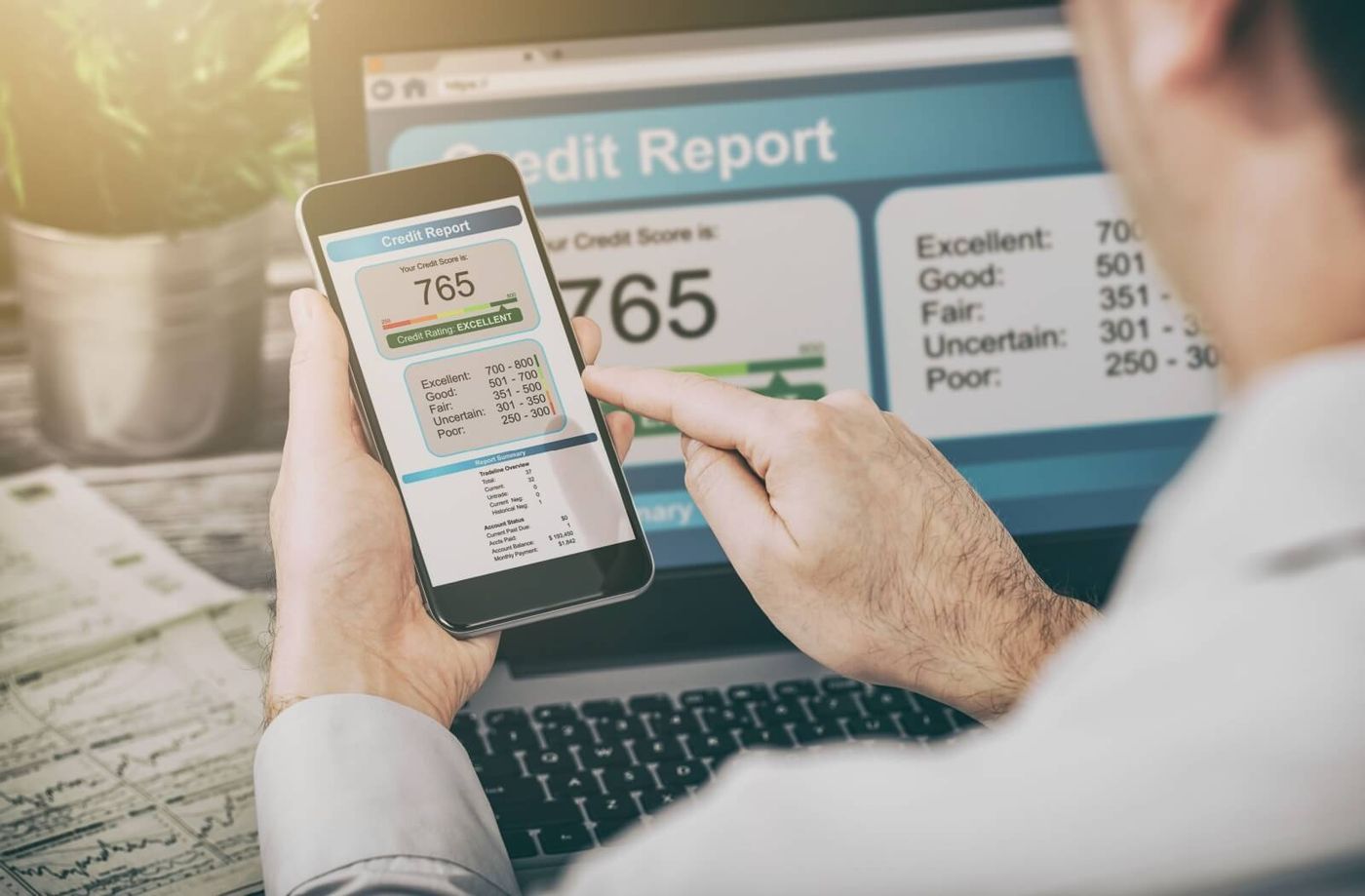
You have the right to access your credit information from Canada's two main credit reporting agencies, Equifax and TransUnion. You can obtain a free copy of your credit report by mail from either bureau. Both agencies also offer online access to your credit report and score, which may involve a fee for immediate or premium services. For example, Equifax provides its consumer credit report and score at no charge as required by legislation, though paid subscription products like Equifax Complete are also available. It is advisable to check your report regularly for accuracy.
If you find any errors in your credit report, such as incorrect account information or payments mistakenly marked as late, you should notify the credit-reporting agency and the organization that provided the inaccurate data immediately. Correcting errors can help improve your score. You can also access your score through some financial institutions or free third-party services like Intuit Credit Karma Canada, which provides free scores and reports. The score you see for educational purposes may not be identical to the one a specific lender uses, as scoring models can vary.
- Equifax Canada: Provides credit reports and scores online, by mail, phone, or in person.
- TransUnion Canada: Provides credit reports and scores online and by mail.
- Free Report by Mail: Available from both bureaus upon request.
- Third-Party Services: Some, like Intuit Credit Karma, offer free scores and insights.
- Financial Institutions: Some banks may provide credit score access to their clients.
Steps to Build and Improve Your Credit Score
Building a good credit history starts with obtaining and using credit responsibly. If you are new to Canada or have no credit history, you can begin by applying for a credit card, potentially through programs designed for newcomers, and using it for small, regular purchases. The key is to consistently pay the full balance, or at least the minimum payment, on time every month. Setting up pre-authorized payments from your bank account to your credit card can help ensure you never miss a due date. Over time, this establishes a record of reliable repayment, which is the foundation of a strong score.
To improve an existing score, focus on the factors that have the greatest impact. First, bring any overdue accounts current and continue making all payments on time. Second, work on lowering your credit utilization by paying down balances on credit cards and lines of credit. Avoid closing old credit card accounts, as this can shorten your credit history and reduce your total available credit, which may increase your utilization ratio. Be strategic about applying for new credit, as too many hard inquiries in a short time can lower your score. Diversifying your credit mix over time, such as having both a credit card and an installment loan, can also be beneficial, though this is a minor factor compared to payment history and utilization.

Common Credit Score Misconceptions and Mistakes
A common misconception is that you have one definitive credit score. In reality, you have multiple scores based on different models used by Equifax, TransUnion, and lenders. Another misunderstanding is that checking your own score will harm it. When you check your own credit report or score, it is recorded as a soft inquiry, which does not affect your score. Only hard inquiries made by lenders when you apply for credit can have a temporary negative impact. It is also a mistake to believe that a high income guarantees a good credit score, as your score is based on your debt management, not your earnings.
Several financial behaviours can mistakenly damage a credit score. Maxing out credit cards creates a high utilization ratio, which lenders view as risky. Closing a long-held credit card account can shorten your average credit history and reduce your total available credit. Missing payments, even by a few days, can be reported to the bureaus and significantly lower your score. Applying for several new credit products in a short period signals financial distress to lenders. Finally, ignoring errors on your credit report allows inaccuracies to persist, which may unfairly lower your score until they are corrected.
The Role of Credit Scores in Major Financial Decisions
Your credit score is a key factor in several significant financial milestones in Canada. When applying for a mortgage, lenders use your score as a primary indicator of your reliability. A good credit report and score are important factors in mortgage approval and can affect the interest rate you receive. The Canada Mortgage and Housing Corporation (CMHC) advises maintaining a good credit history to improve your chances of mortgage approval. For rental applications, landlords often check credit scores to assess a prospective tenant's likelihood of paying rent on time, making a good score advantageous in competitive rental markets.
Credit scores also influence terms for other types of borrowing. When applying for a personal loan, line of credit, or credit card, your score helps determine your credit limit and annual percentage rate. In some cases, employers in sectors that handle finances may review credit reports as part of a background check, though they require your consent to do so. A higher credit score can therefore provide broader financial flexibility and security, opening doors to better opportunities and saving you money through lower interest costs over your lifetime.
Frequently asked questions
What is considered a good credit score in Canada?
A credit score of 660 or higher is generally considered an acceptable or good credit score in Canada. Credit scores in Canada range from 300 to 900, with 900 being the highest possible score. According to common classifications, a score between 660 and 724 is considered good, a score between 725 and 759 is very good, and a score of 760 and above is excellent. Lenders are more confident in borrowers with higher scores and they are more likely to approve them for credit at favourable interest rates. While 660 is a common baseline, what is considered good can vary by lender and the specific credit product.
How can I check my credit score for free in Canada?
You can check your credit score for free by contacting Canada's two credit reporting agencies, Equifax Canada and TransUnion Canada. You are able to access your Equifax consumer credit report and score at no charge, as required by consumer reporting legislation, and you can obtain a free copy of your credit report by mail from both bureaus. Additionally, some online services like Intuit Credit Karma Canada offer free credit scores, reports, and insights. Certain financial institutions may also provide clients with access to their credit score through online banking tools or mobile applications without any fee.
What is the difference between a credit score and a credit report?
A credit score is a three digit number, typically between 300 and 900, that gives lenders a quick snapshot of your creditworthiness and how likely you are to repay debt. A credit report is the detailed history behind that number. Credit bureaus like Equifax and TransUnion collect information about your credit accounts, payment history, balances, and other financial activity to create the report. The credit score is calculated using the data contained within your credit report. In short, the score summarizes your credit behaviour, while the report shows the full story of your credit history.
How often does my credit score update?
Your credit score updates as new information is reported to the credit bureaus by your lenders, which typically happens monthly around your billing cycle. However, updates are not simultaneous across all sources or bureaus. Different lenders may report information at different times, and the two major credit bureaus, Equifax and TransUnion, may not receive or process this data at the same time. Furthermore, not all lenders report to both bureaus. This is why your credit score can vary between Equifax and TransUnion and may change at different times.
Will checking my own credit score lower it?
No, checking your own credit score or report will not lower it. This type of check is considered a soft inquiry, which does not affect your credit score. Only hard inquiries, which occur when a lender checks your credit as part of a formal application for new credit such as a loan or credit card, can have a minor and temporary negative impact on your score. It is recommended to regularly review your own credit report to monitor for accuracy and understand your financial standing.
How long does negative information stay on my credit report?
Negative information remains on your credit report for a set period. For example, a bankruptcy typically remains on file for six to seven years after discharge, depending on the type of bankruptcy. Most other negative items, such as late payments or accounts sent to collections, are reported for six years from the date of the last activity on the account. It is important to review your credit report regularly and notify the credit reporting agency immediately if you find any errors, so they can be investigated and corrected.
Sources and further reading
- Consumer Credit Report | Equifax CA equifax.ca
- What's a good credit score in Canada (and how to get one)? scotiabank.com
- What is a good Credit Score | TD Canada td.com
- Your Credit Report | CMHC cmhc-schl.gc.ca
- What is a good credit score in Canada? Ranges explained wealthsimple.com
This article explains how things work and is not financial, tax or legal advice. Rules, limits and rates change, so check the current figures with the Canada Revenue Agency, your province or your financial institution before you act.